Plizio Visual Lab

Tshuapa River
Plizio editorial teamData Sources
River
—°
Tshuapa River (Congo - Kinshasa)

Weather…

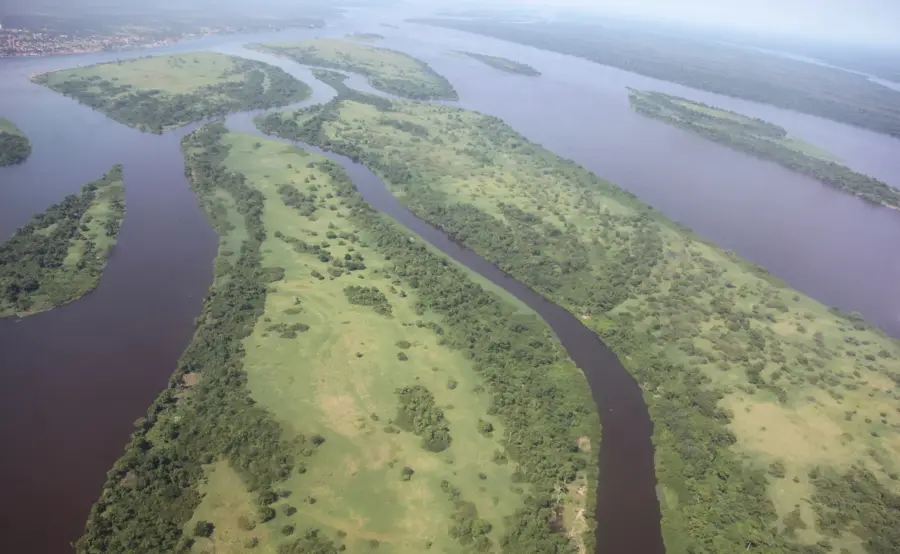
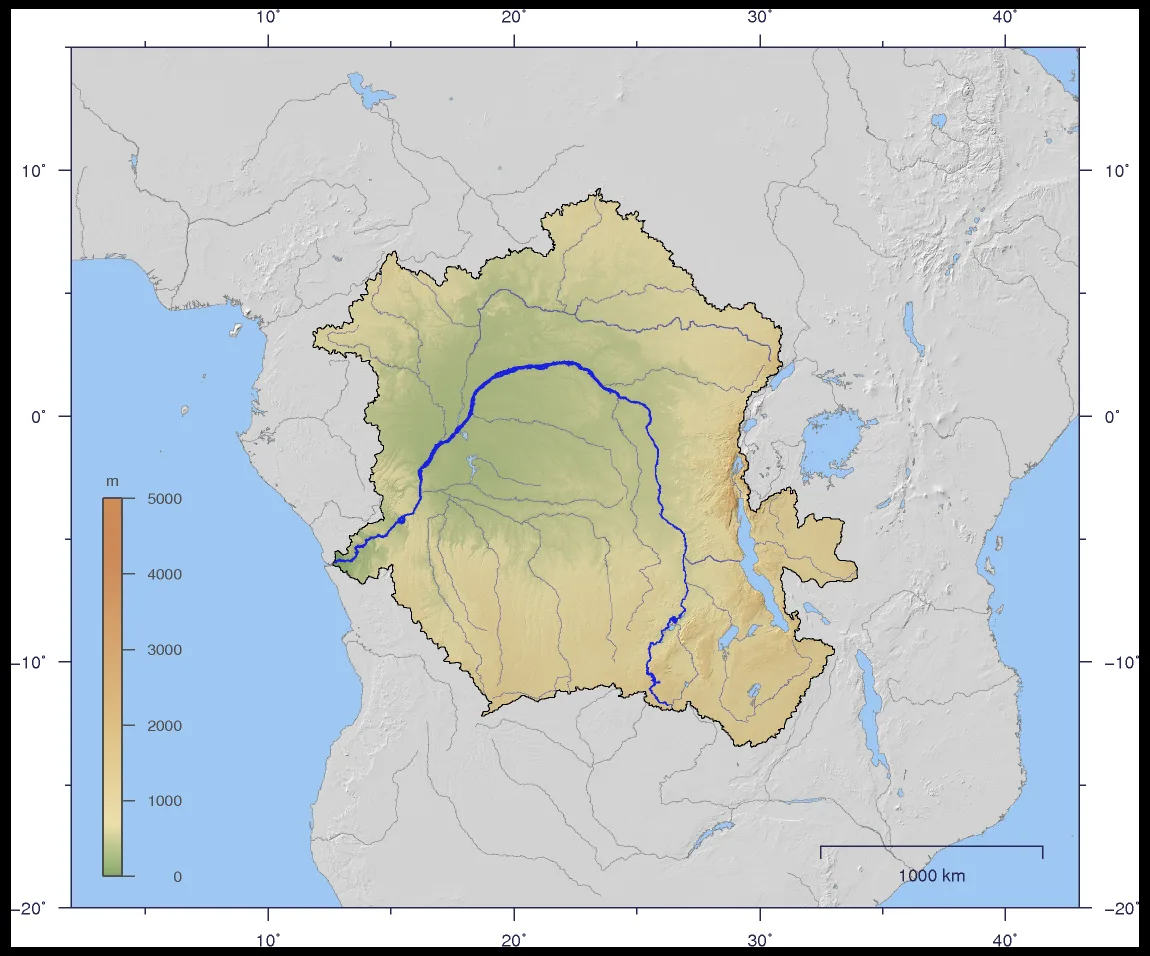
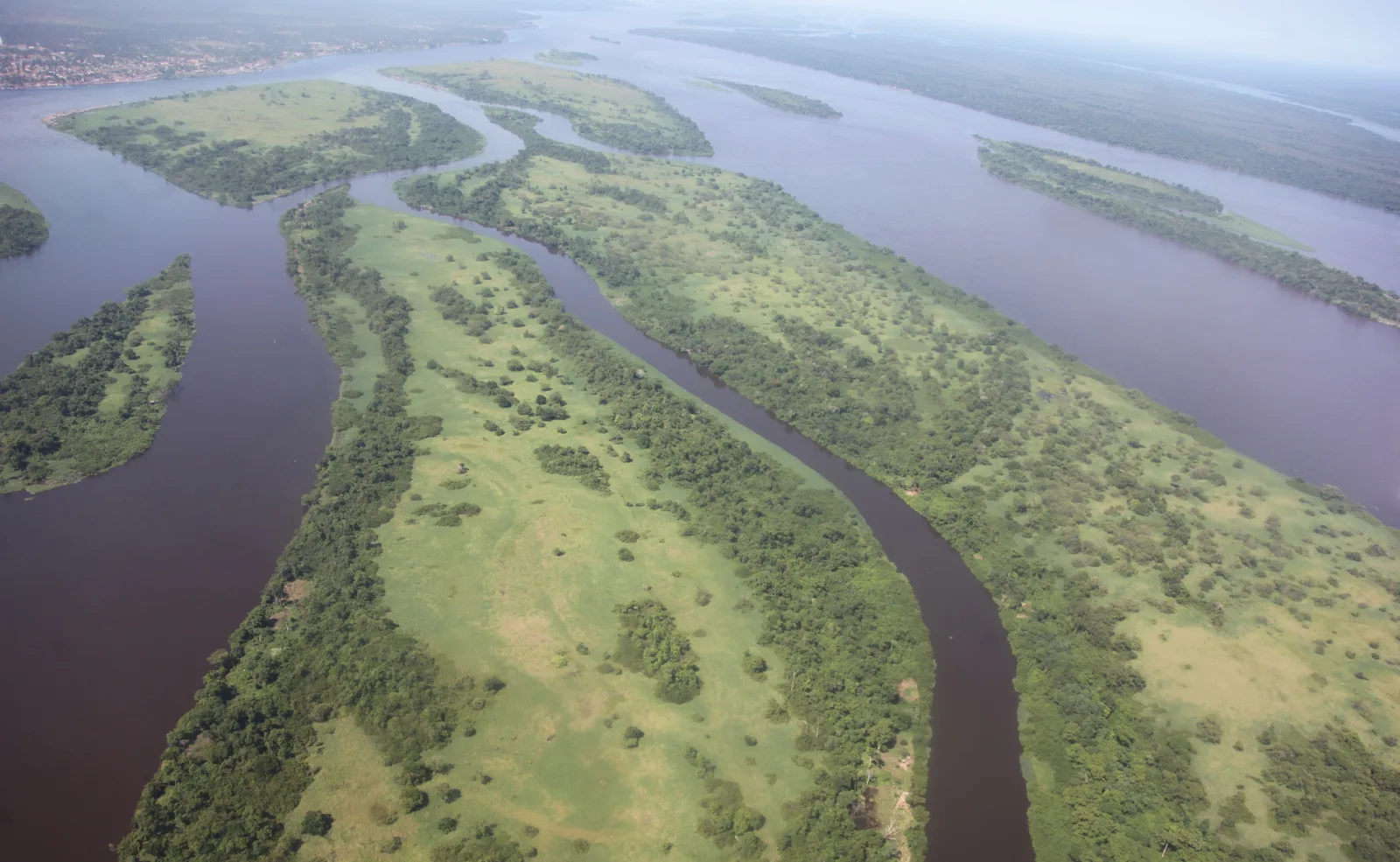
The Tshuapa River is a significant waterway in the central basin of the Democratic Republic of the Congo, merging with the Lomela to form the Busira River. Stretching for approximately 1,000 kilometers, it flows almost entirely through dense, untouched tropical rainforests. The river serves as a vital transport artery for the country's isolated interior, where road infrastructure is virtually non-existent. Historically, the Tshuapa basin was a major hub for the collection of wild rubber and palm oil during the early colonial period. Today, the region is celebrated for its immense biodiversity, including rare primate species and a vast variety of freshwater fish. The river provides local communities with their primary source of drinking water, food, and mobility. Seasonal flooding of the Tshuapa creates extensive wetlands that are crucial for regional climate regulation and the water cycle. Despite its remoteness, the area faces environmental challenges from subsistence farming and logging. The Tshuapa remains a testament to the wilderness and ecological importance of the Central African rainforest.

Best time to visit & climate

The most pleasant time to visit is Jan, Jul, Aug.

JanFebMarAprMayJunJulAugSepOctNovDec
Avg °C262626262626262625252525
Rain mm95134171157166130115129188192197145

📋 Practical info

🧭
Getting there
The Tshuapa River is primarily navigated by boats starting from larger river hubs like Mbandaka. As there are very few bridges or roads, boats are usually the only reliable means of transportation within this remote rainforest region.
📅
Best season
Navigation is possible year-round but is safest during the transitional periods between the extremes of high and low water levels. During the heavy rainy season, floating debris and strong currents can make navigating the river more hazardous.
⛰️
Terrain & paths
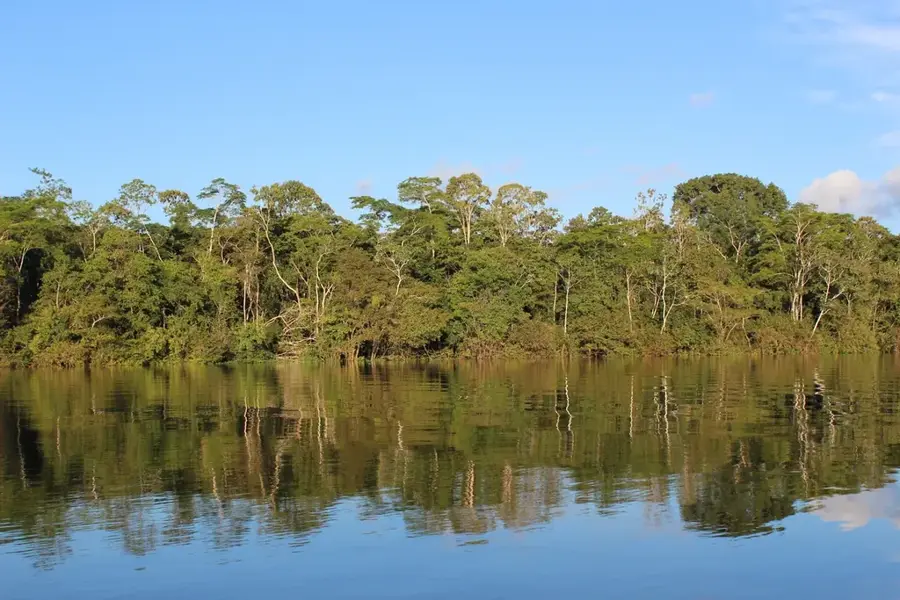
The river winds through flat terrain with dense forest edges that often reach directly down to the water. Sandbanks can emerge during low water levels, while during floods, wide shoreline areas disappear deep into the forest.
🎒
What to bring
For a river journey, a life jacket, sun protection, and waterproof containers for electronic devices are essential. Typically, you should also carry sufficient fuel reserves and spare parts if traveling with your own or a chartered boat.
🅿️
Parking
Safe mooring spots and parking for support vehicles can only be found in the larger settlements along the river. It is advisable to use local contacts to find a guarded spot for your boat or car during your stay in the area.
⚠️
Safety
Hazards arise from strong currents, underwater obstacles, and occasionally encountered hippos or crocodiles. You should never navigate at night and always monitor weather forecasts, as storms can quickly churn up the river's surface.
⏱️
Time needed
Journeys on the Tshuapa River often last several days or even weeks depending on the destination and current. Since the river is a primary transportation artery, duration is often dictated by the speed of local trading vessels or pirogues.

Geography

Coordinates
-0.50000, 19.00000

Facts

  • Total length of approximately 1,000 kilometers
  • Flows through the central Congo Basin
  • Joins the Lomela River to form the Busira
  • Primary transport route in a region with no road access
  • Historical center of the wild rubber trade
  • Hosts an extremely high diversity of primate species

Explore nearby

Notable places around
Route planner — Car & Motorhome

Where do you start? We build the route here, with stops and country notes along the way.

Vehicle
Only stops with (optional):

© OpenStreetMap contributors · OpenRouteService

Sights nearby

Frequently asked questions

Where is the Tshuapa located?
In the central Congo Basin, in the heart of the tropical rainforest.
What animals can be seen here?
Bonobos and forest elephants live in the surrounding protected areas.
Is the river deep?
It is deep enough for large barges carrying timber and goods.
Are there settlements along the river?
Boende is the main town and a commercial hub along the Tshuapa.
What color is the water?
It is often dark-colored due to dissolved organic matter (blackwater).
Tshuapa River: where is it located?
Tshuapa River is located in Congo - Kinshasa.
Tshuapa River: when is the best time to visit?
The most pleasant time to visit is Jan, Jul, Aug.
Tshuapa River: why is it worth visiting?

The Tshuapa River is a significant waterway in the central basin of the Democratic Republic of the Congo, merging with the Lomela to form the Busira River.
View on map → The Top 50 Attractions → OpenStreetMap →
Africa
Explore with Plizio Discover more places in Africa
More places in Congo - Kinshasa →

Nature

More places