Plizio Visual Lab
Ubangi Plateau
Weather…
Water temperature…
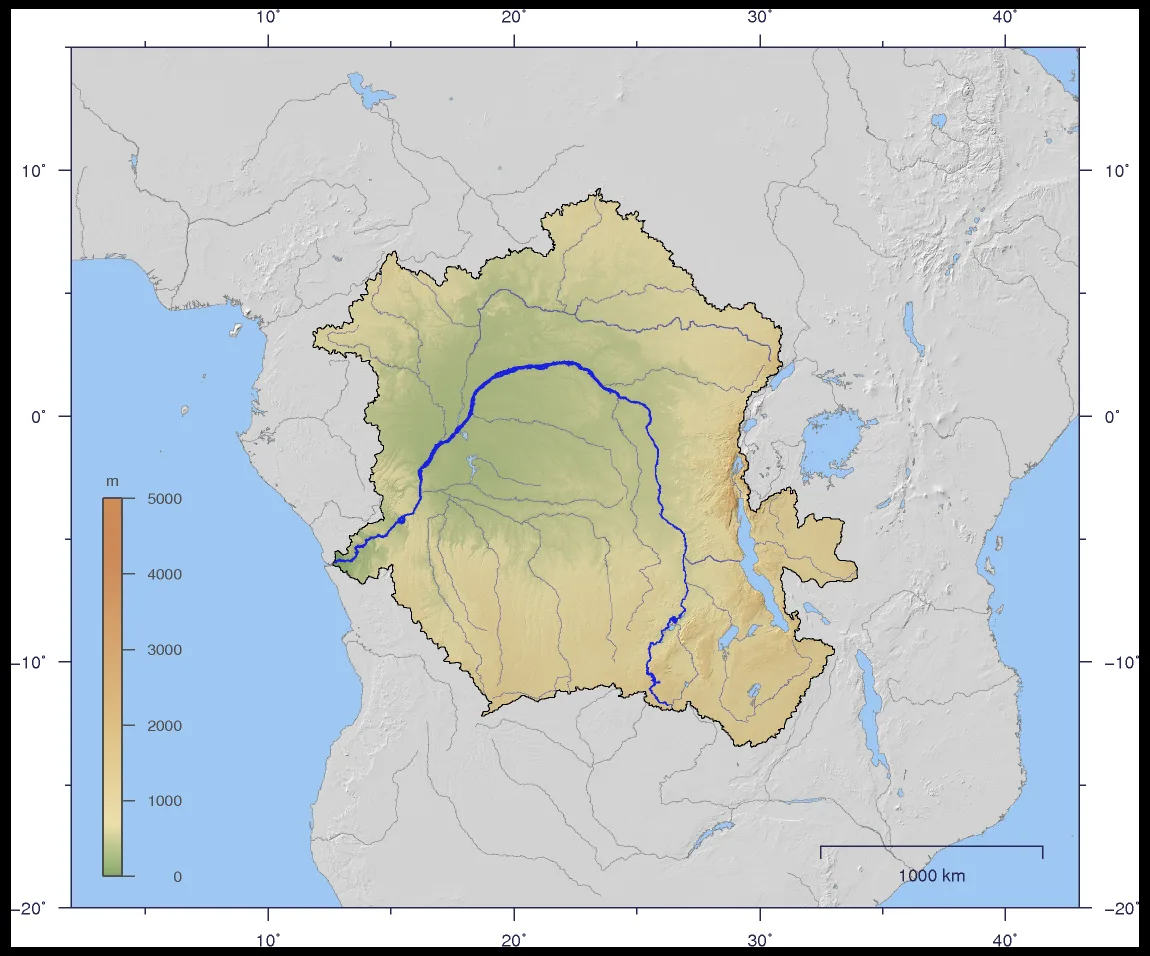
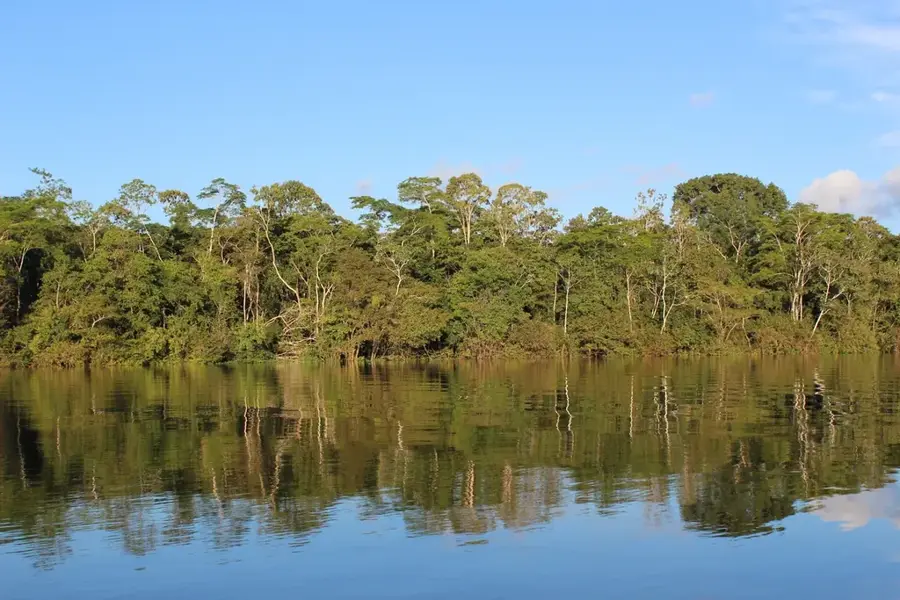
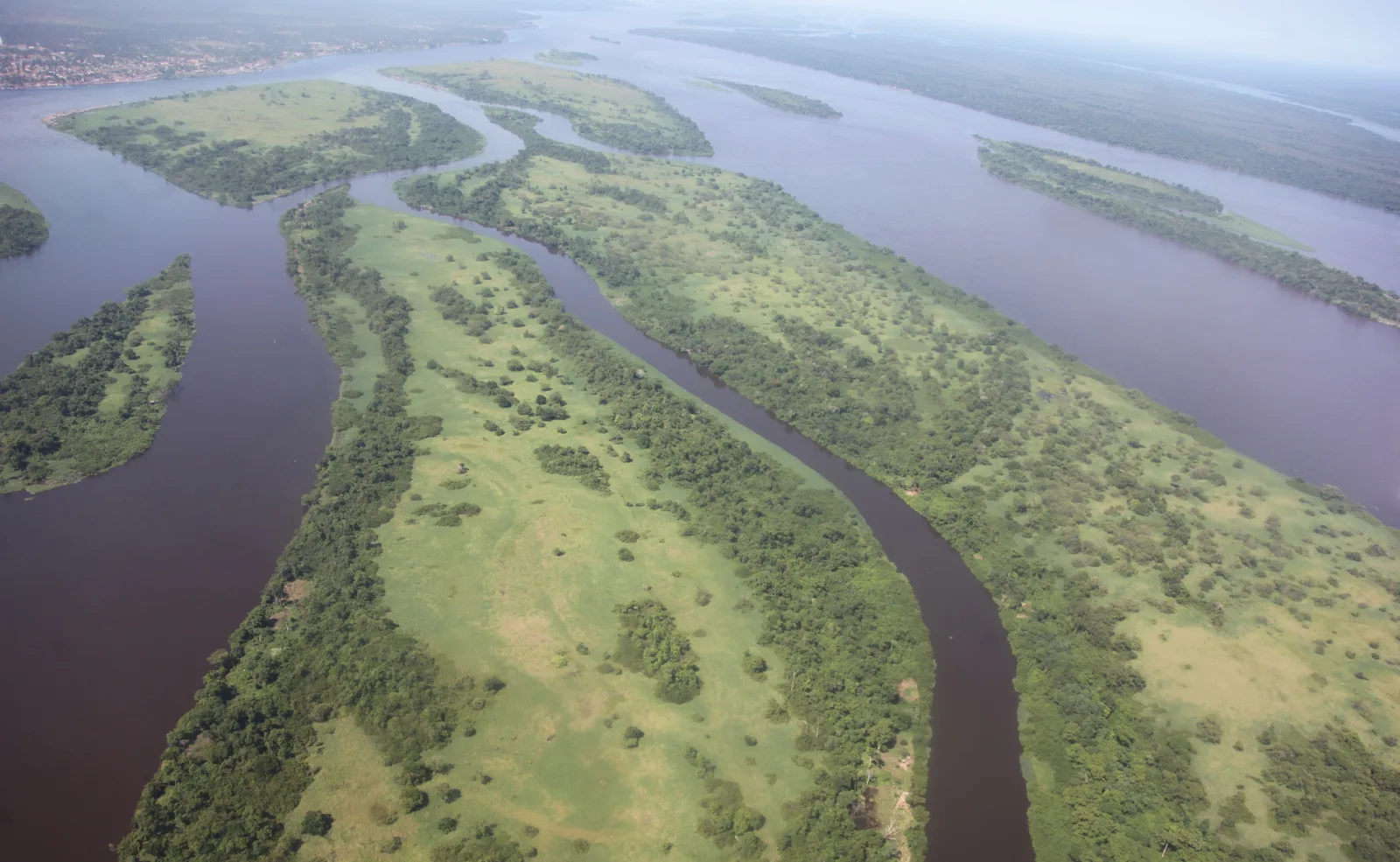
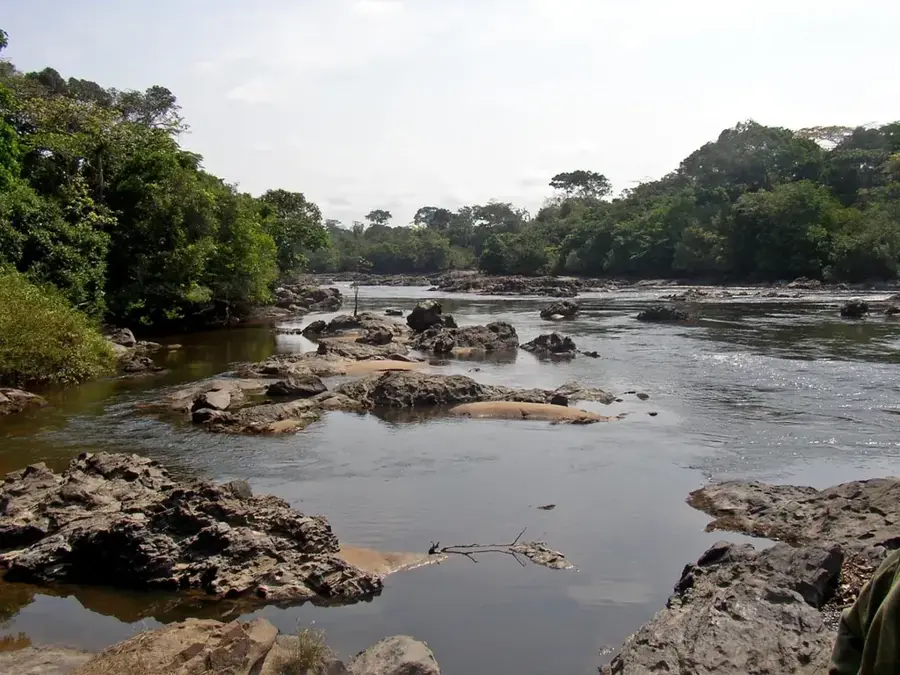
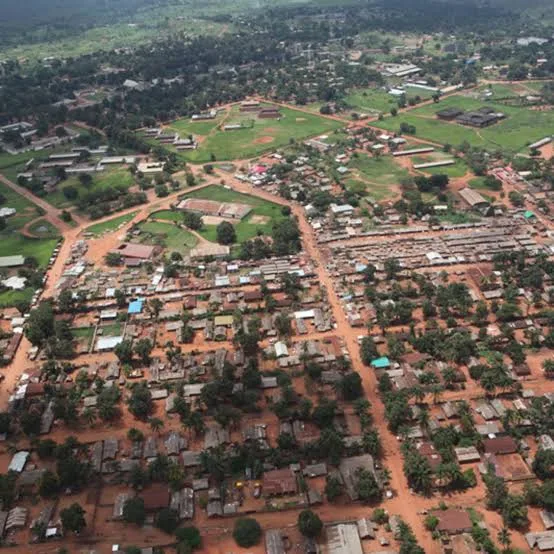
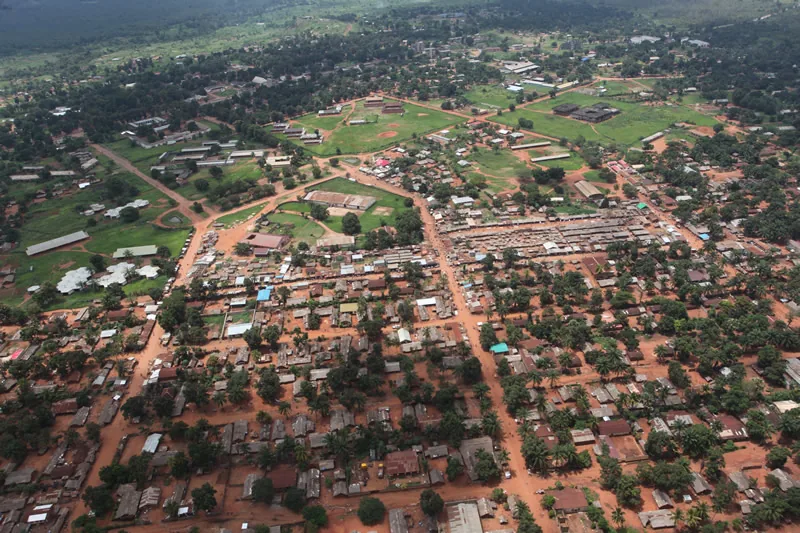
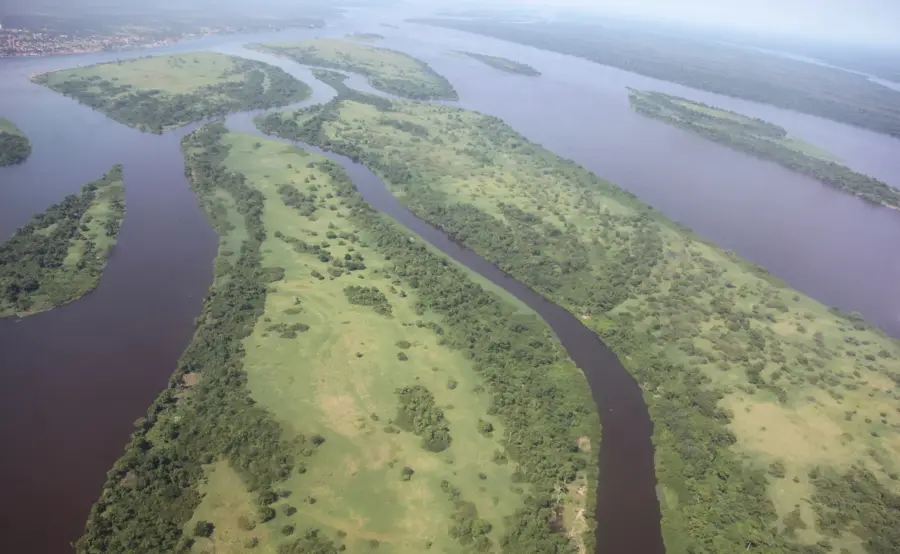
The Ubangi Plateau stretches across the northern Democratic Republic of the Congo, acting as a natural transition zone between the Congo Basin and the northern savannas. This gently undulating upland lies at elevations ranging from 600 to 900 meters and is geologically characterized by crystalline rocks and thick laterite crusts. The plateau serves as a vital catchment area for the Ubangi River, one of the Congo River's most significant tributaries. The vegetation is a mosaic of dense tropical rainforests and open savanna landscapes, fostering high levels of biodiversity. Historically, the region has been a major corridor for human migrations and trade routes within Central Africa. Fertile soils on the plateau support the cultivation of cotton, coffee, and various subsistence crops. Due to its remote location, much of the plateau remains pristine, though it faces increasing pressure from deforestation and infrastructure development.
- Location: Congo - Kinshasa
- Nearby: Yakoma (49 km)
Best time to visit & climate
The most pleasant time to visit is Jan, Nov, Dec.
| Jan | Feb | Mar | Apr | May | Jun | Jul | Aug | Sep | Oct | Nov | Dec | |
|---|---|---|---|---|---|---|---|---|---|---|---|---|
| Avg °C | 28 | 29 | 27 | 27 | 26 | 25 | 25 | 25 | 25 | 25 | 25 | 26 |
| Rain mm | 18 | 41 | 117 | 129 | 147 | 142 | 150 | 186 | 152 | 188 | 89 | 15 |
📋 Practical info
Geography
Facts
- Elevation ranges between 600 and 900 meters.
- Critical headwater region for Ubangi River tributaries.
- Composed mainly of crystalline basement rock.
- Acts as a migration corridor for wildlife.
- Tropical climate with a short dry season.
- Soils are rich in iron oxides (laterite).
Explore nearby
Notable places around

Route planner — Car & Motorhome
Where do you start? We build the route here, with stops and country notes along the way.
© OpenStreetMap contributors · OpenRouteService
Sights nearby
Frequently asked questions
Where is the Ubangi Plateau located?
What vegetation is found there?
How is the infrastructure?
Do large rivers flow there?
What is the main source of income?
Ubangi Plateau: where is it located?
Ubangi Plateau: when is the best time to visit?
Ubangi Plateau: why is it worth visiting?

Nature

More places