Plizio Visual Lab
Bikoro
ℹ️Practical info — Bikoro
▾
🌤 Weather — 5 days
📍 Nearby
Sights nearby
💡 Tips
- Taking a boat trip on Lake Tumba is beautiful; hire a local pirogue to spot wildlife along the shoreline.
- The Mabali Scientific Reserve is nearby; ask in town for official guides to organize a visit.
- During the rainy season, the dirt roads in and out of Bikoro become extremely muddy; sturdy boots are a must.
- The region is a haven for birdwatchers, so make sure you bring a good pair of binoculars.
🍽 Food
Local endemic species from the lake, often caught the same day and grilled by villagers.
Fried or roasted plantains, a staple dietary item in the forests of the Équateur province.
Often sold by local gatherers, it has a very intense and unique tropical flavor.
🛍 Shopping · 🧘 Quiet spots
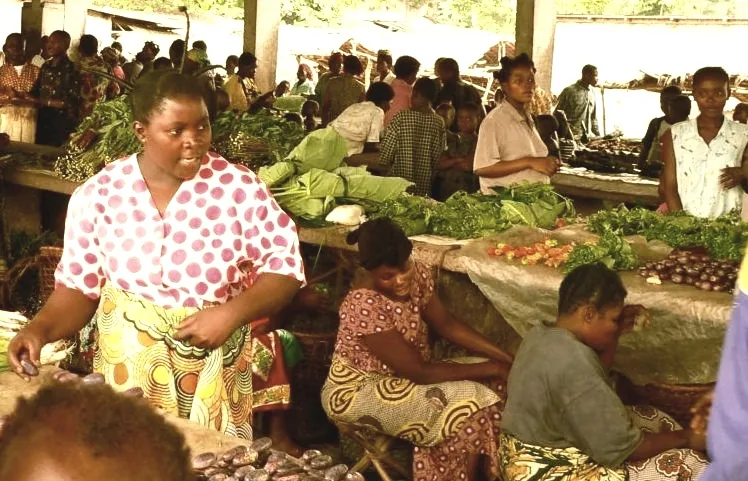
This is where you will find the freshest catch from the lake and basic agricultural goods.
Occasionally, local artisans sell simple but beautiful handcrafted wooden items.
The shallow waters and swampy shores provide incredible tranquility and great birdwatching.
Walk the paths of the reserve (with a guide) to experience the dense, profound silence of the rainforest.
Water temperature…
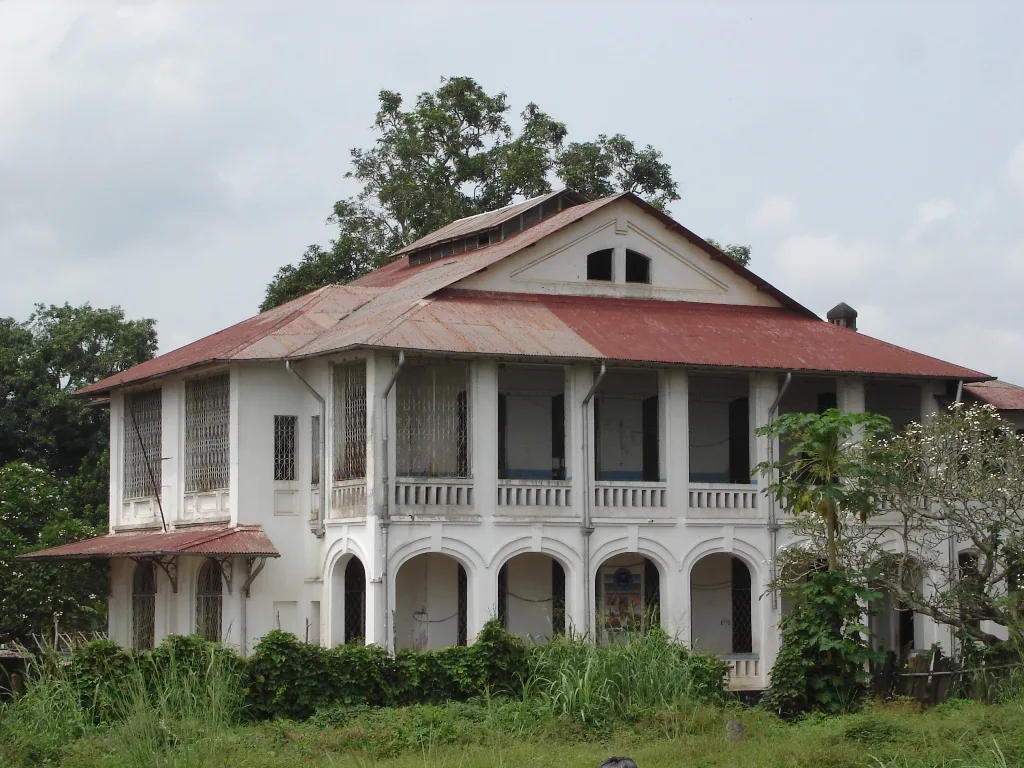
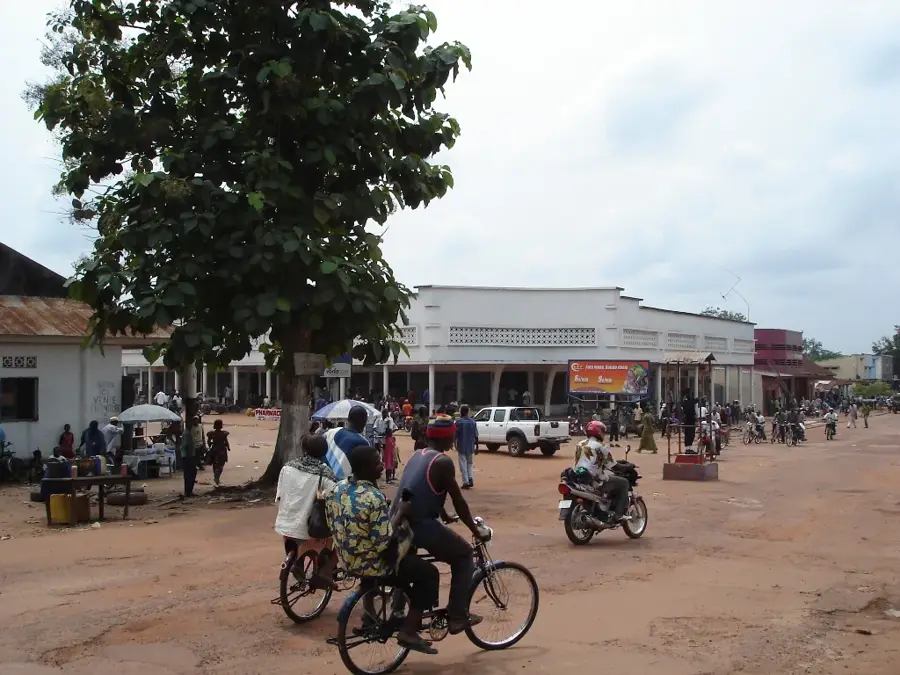
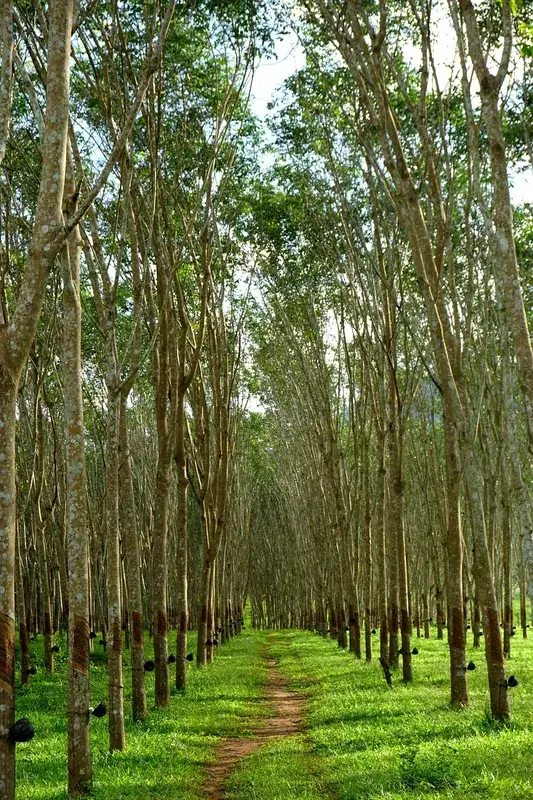
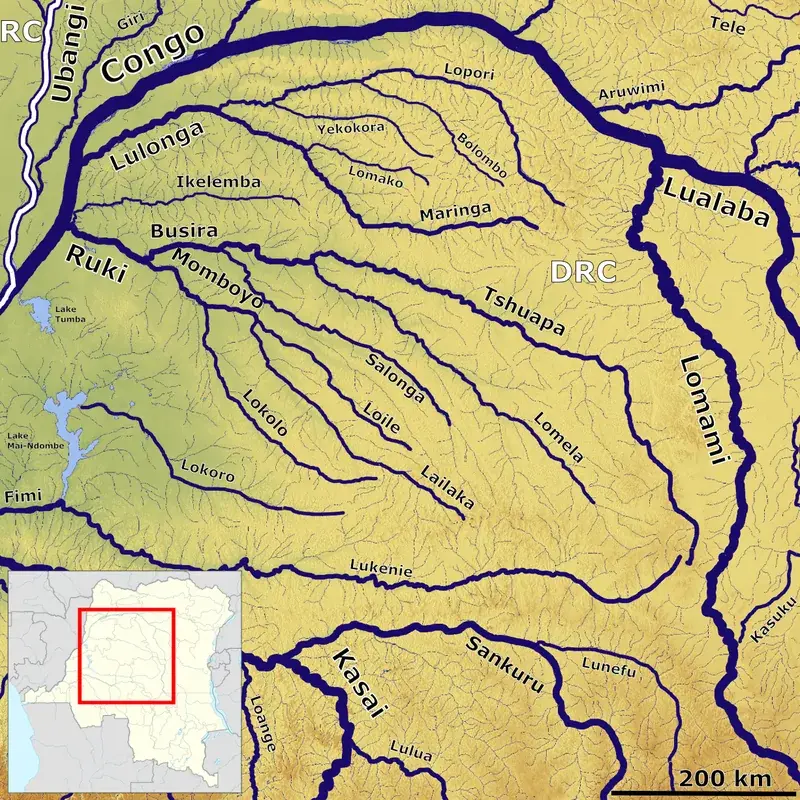
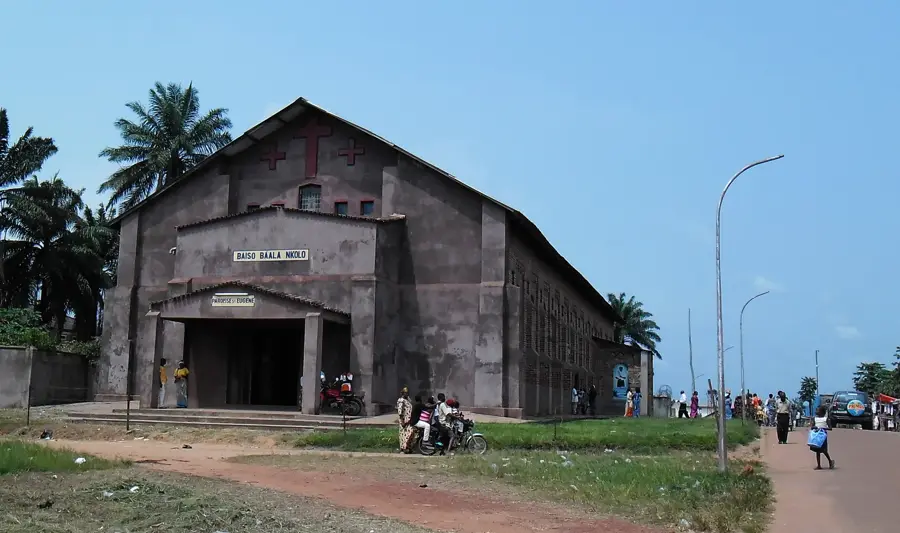
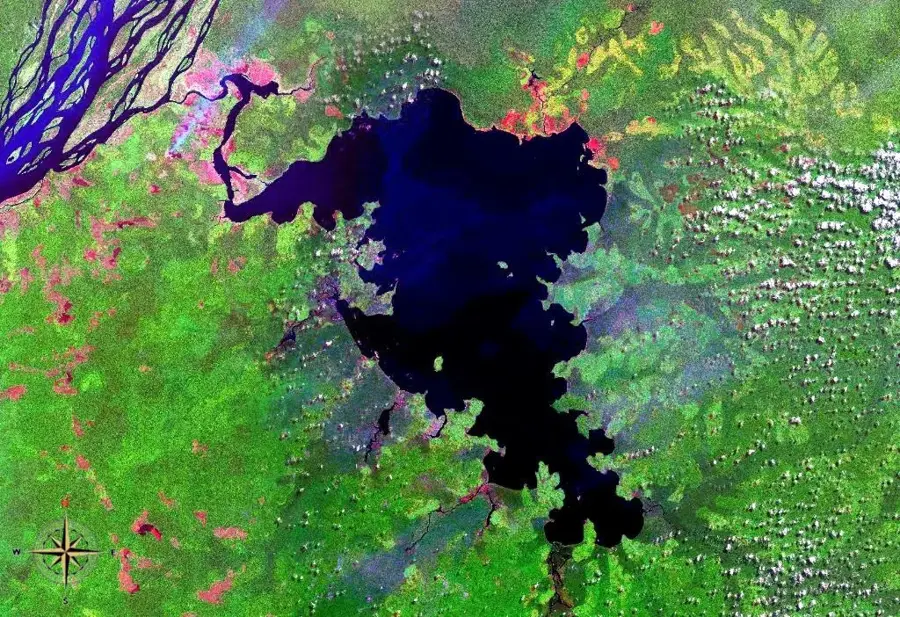
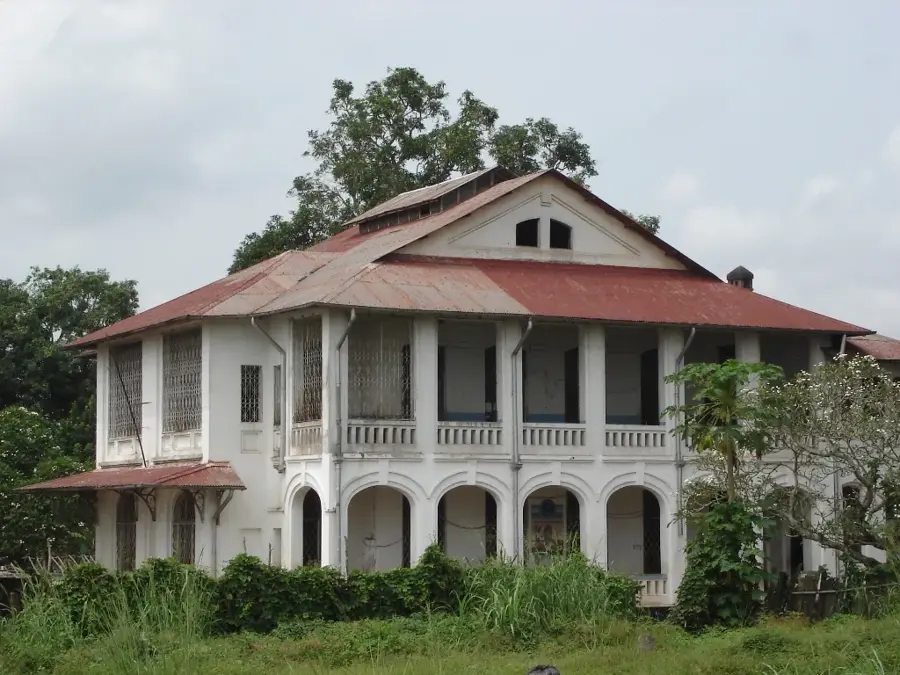
Bikoro is a small town in the Équateur Province of the Democratic Republic of the Congo, primarily known for its location on the eastern shores of Lake Tumba. Lake Tumba is a shallow lake within the Congo Basin that connects to the main Congo River via the Irebu Channel, playing a crucial role in regional navigation and biodiversity. Historically, Bikoro served as a significant administrative post during the Congo Free State era, particularly for the extraction of wild rubber. In more recent times, the town became internationally prominent in 2018 when it was identified as the starting point of an Ebola virus outbreak, prompting a large-scale international medical response. The town's economy is centered around subsistence farming, lake fishing, and the trade of non-timber forest products. Due to its surrounding dense tropical rainforest, access to Bikoro is challenging, with river transport being the most reliable method. Culturally, the town is inhabited by Bantu-speaking groups whose livelihoods are deeply intertwined with the seasonal cycles of Lake Tumba and the surrounding wetlands.
Best time to visit & climate
The most pleasant time to visit is Jan, Jul, Aug.
| Jan | Feb | Mar | Apr | May | Jun | Jul | Aug | Sep | Oct | Nov | Dec | |
|---|---|---|---|---|---|---|---|---|---|---|---|---|
| Avg °C | 27 | 27 | 27 | 26 | 27 | 26 | 27 | 26 | 26 | 26 | 26 | 26 |
| Rain mm | 96 | 136 | 171 | 161 | 169 | 130 | 104 | 123 | 182 | 189 | 192 | 142 |
Geography
Facts
- Bikoro is situated on the eastern banks of Lake Tumba.
- Lake Tumba connects to the Congo River through the Irebu Channel.
- In 2018, Bikoro was the epicenter of a significant Ebola outbreak.
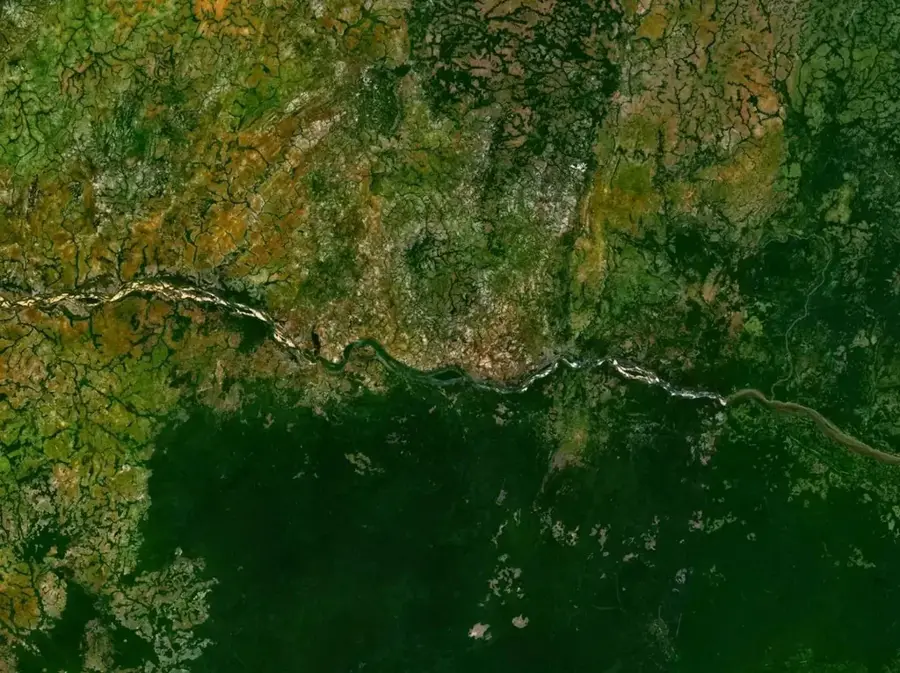
- The town is located deep within the world's second-largest rainforest.
- Lake fishing is the primary source of income for the local population.
- Bikoro was an important administrative post during the Congo Free State.
Explore nearby
Notable places around




Route planner — Car & Motorhome
Where do you start? We build the route here, with stops and country notes along the way.
© OpenStreetMap contributors · OpenRouteService
Frequently asked questions
What is the main attraction of Bikoro?
What can you do at Lake Tumba?
Is there medical care in Bikoro?
What ethnic groups live in Bikoro?
How is the road connection to Bikoro?
Bikoro: where is it located?
Bikoro: when is the best time to visit?
Bikoro: why is it worth visiting?

Nearby cities
History & landmarks
Nature
More places