Plizio Visual Lab

Congo Basin Lowland Forest
Plizio editorial teamData Sources
Forest
—°
Congo Basin Lowland Forest (Congo - Kinshasa)

Weather…

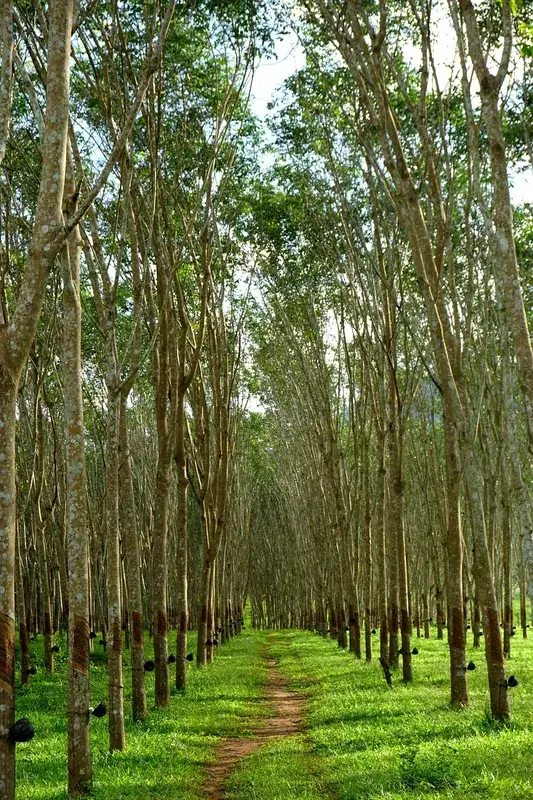
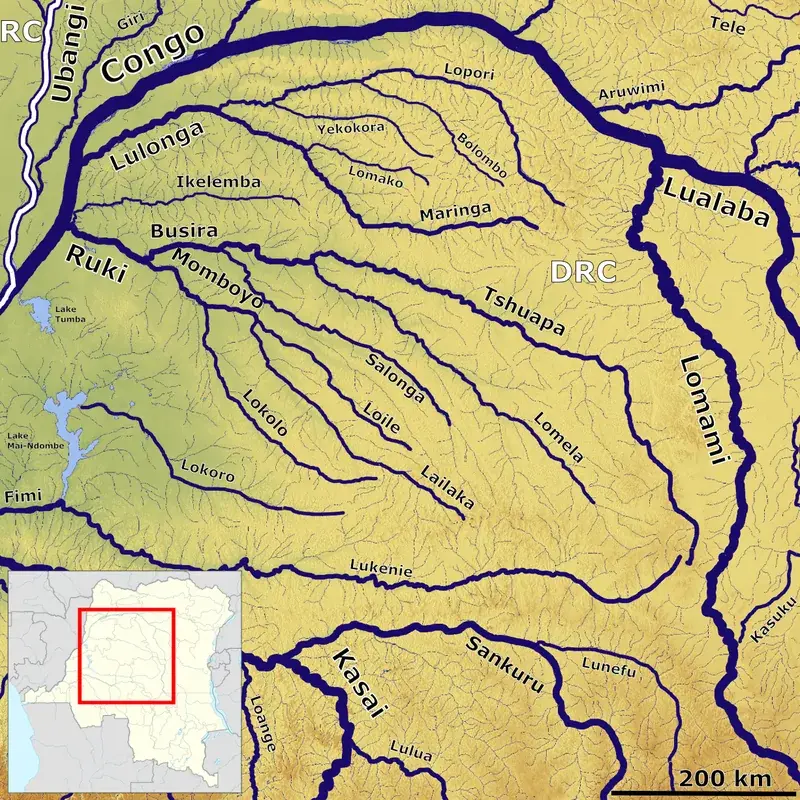
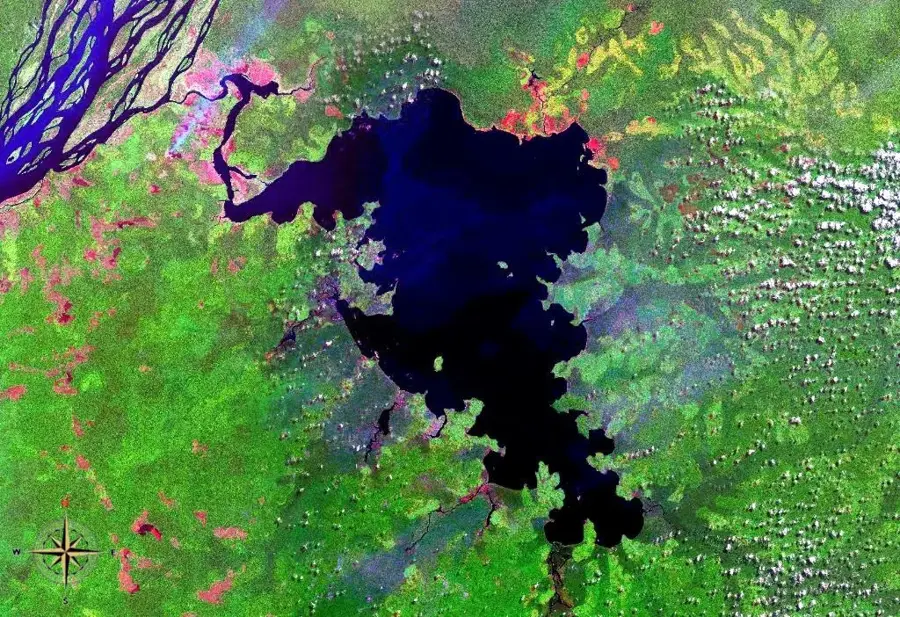
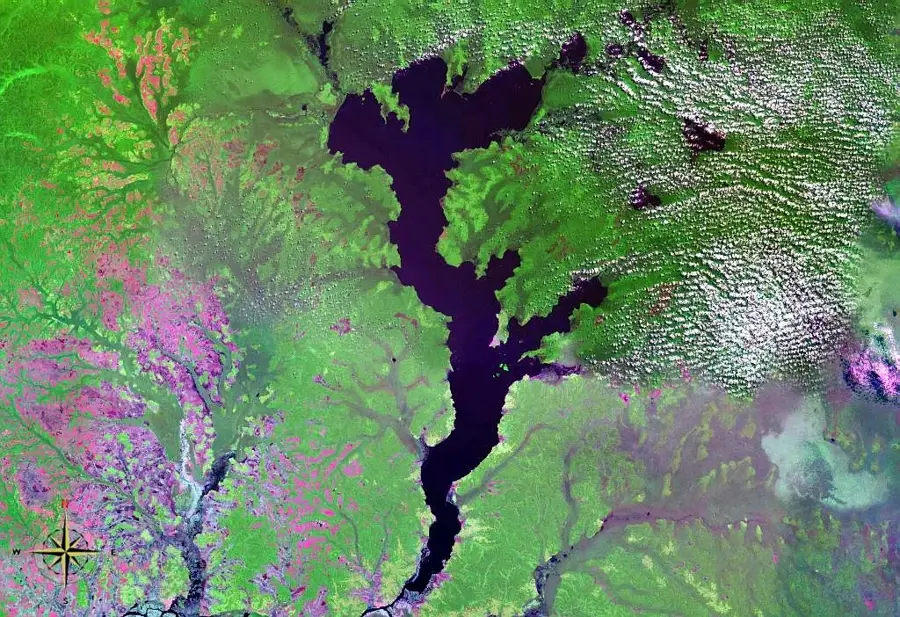
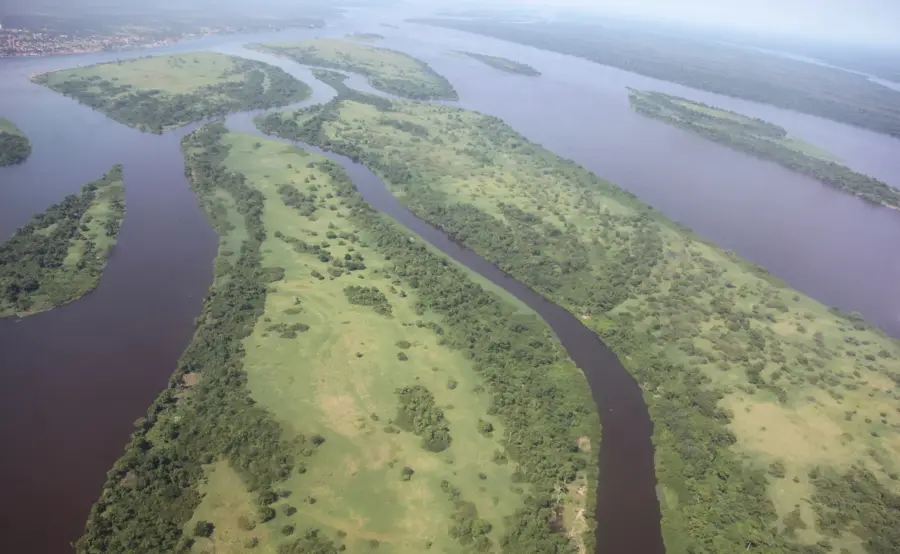
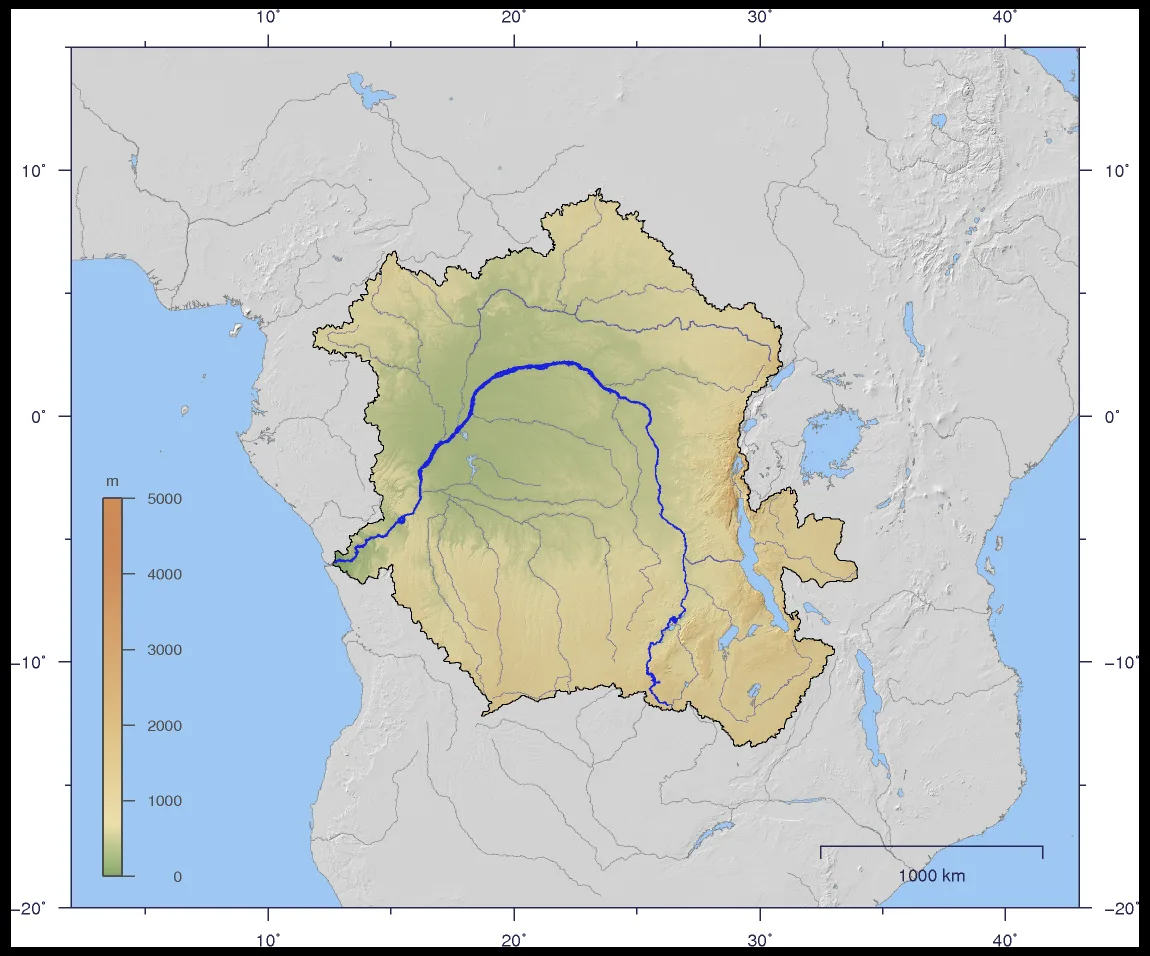
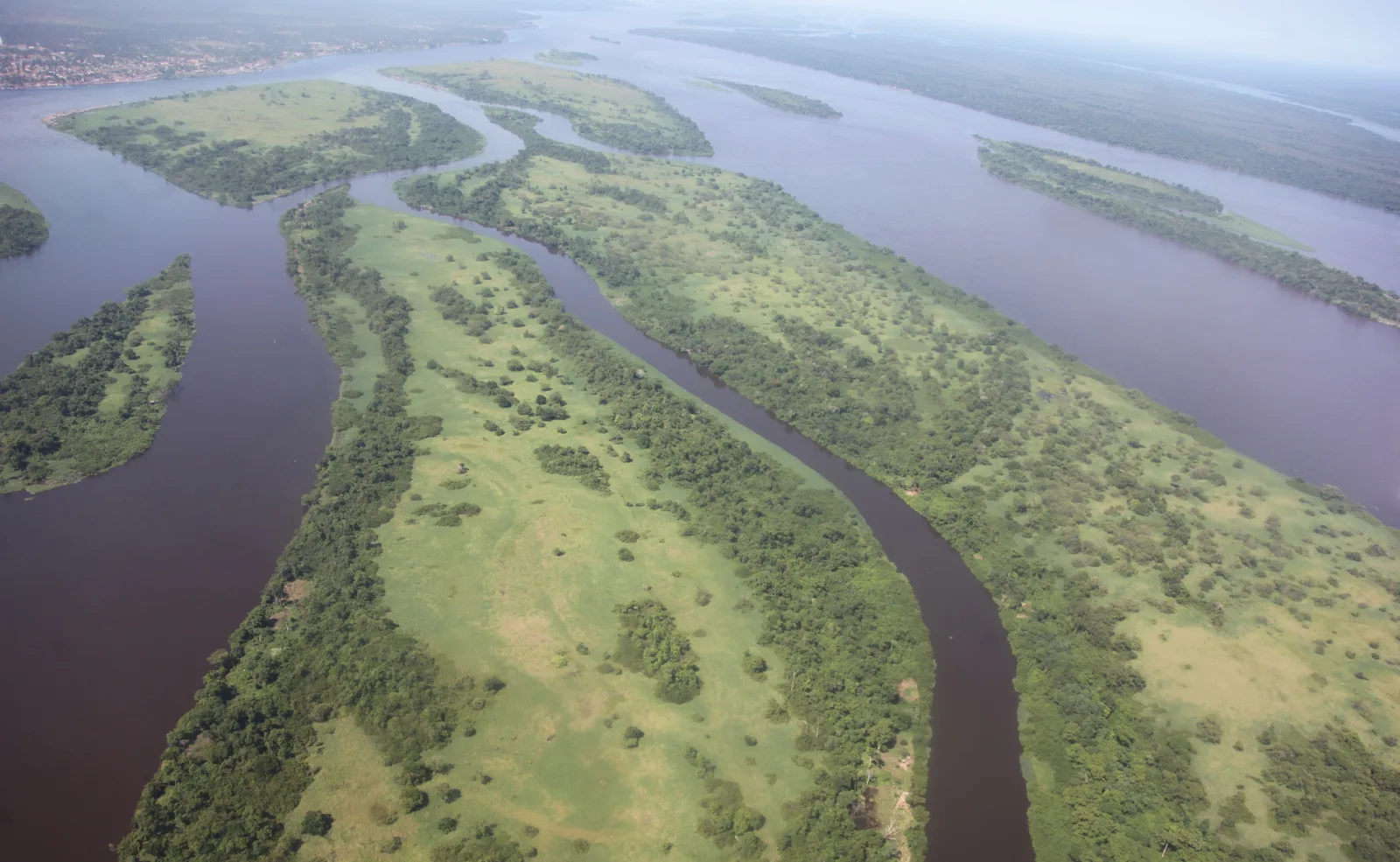
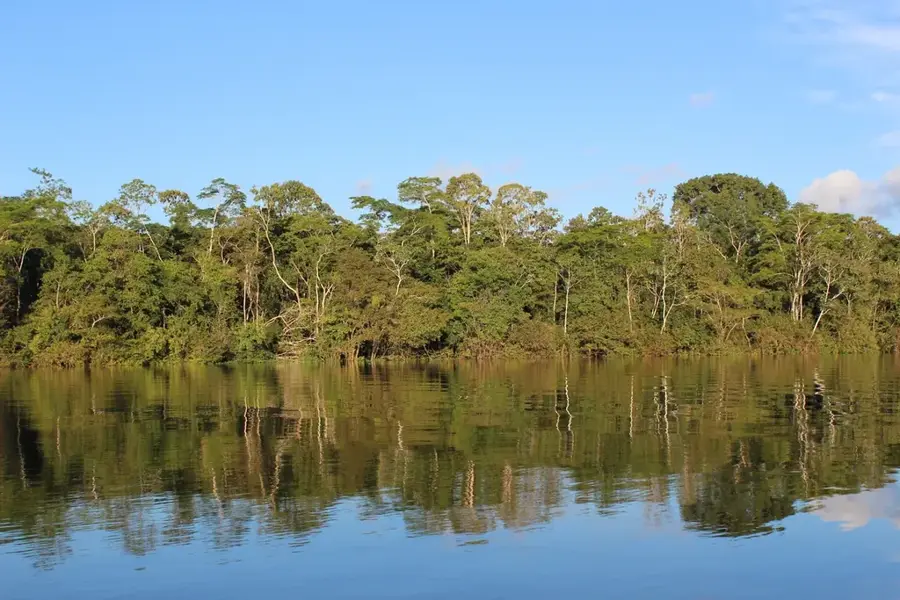
The Congo Basin Lowland Forest represents the second-largest tropical rainforest on Earth, spanning approximately 1.8 million square kilometers across six Central African nations. This vast ecosystem plays a critical role in global climate regulation, acting as a massive carbon sink that sequesters billions of tons of carbon dioxide. The region is characterized by an extraordinary level of biodiversity, harboring over 10,000 species of tropical plants and providing a sanctuary for endangered wildlife such as lowland gorillas, forest elephants, and bonobos. Hydrologically, the forest is defined by the Congo River system, the world's deepest river, reaching depths of up to 220 meters. Despite its environmental importance, the basin faces increasing threats from industrial logging, agricultural expansion, and mining activities. Conservation efforts are currently focused on sustainable management and the protection of vast national parks to preserve this unique biological heritage for future generations. The forest also supports millions of people who depend on its natural resources for their traditional livelihoods and cultural identity.

Best time to visit & climate

The most pleasant time to visit is Jan, Jul, Dec.

JanFebMarAprMayJunJulAugSepOctNovDec
Avg °C262626262625252525252525
Rain mm86139161146162142136147189207196127

📋 Practical info

🧭
Getting there
Gaining access to these vast lowland rainforests requires meticulous planning, typically utilizing domestic flights followed by long journeys on river boats or rugged 4x4 tracks. Organizing your entry through established ecological tour companies or research stations is the only realistic way to penetrate this deep wilderness.
📅
Best season
The most practical time for an expedition is during the short dry seasons, usually around December to February, which slightly ease the immense logistical challenges. During the prolonged rainy seasons, many rudimentary roads disappear entirely under mud, and river navigation becomes overwhelmingly difficult.
⛰️
Terrain & paths
The terrain is overwhelmingly dense and perpetually damp, featuring a thick, entangled undergrowth, submerged marshlands, and a completely shaded forest floor. Walking here is slow and physically taxing, requiring constant attention to navigate around immense roots, vines, and sudden deep mud pools.
🎒
What to bring
High-grade waterproof trekking boots, quick-drying long attire, and serious anti-malarial precautions are non-negotiable for this extreme tropical environment. Visitors must also carry highly effective insect repellents, headlamps for the dark understory, and waterproof dry bags for all sensitive equipment.
🅿️
Parking
Traditional parking concepts simply do not apply in this immense trackless basin. Your transport, whether a chartered four-wheel drive or a riverboat, will be managed entirely by your expedition crew at designated remote base camps or riverboat moorings.
⚠️
Safety
Survival in this dense environment relies utterly on the expertise of local guides, as getting lost without a clear trail is a fatal danger. In addition to formidable wildlife encounters, the omnipresent risks of tropical diseases require strict medical preparation and constant vigilance.
⏱️
Time needed
Due to the extreme isolation and the huge effort required to reach the forest interior, expeditions generally last a minimum of one to two weeks. A short visit is practically impossible; this is a destination for committed ecological explorers ready to fully immerse themselves in the wild.

Geography

Coordinates
0.00000, 20.00000

Facts

  • Area of approx. 1.8 million km² across six countries.
  • Home to over 10,000 different species of tropical plants.
  • Crucial habitat for forest elephants and lowland gorillas.
  • The Congo River reaches depths of up to 220 meters here.
  • Stores an estimated 25 to 30 billion tons of carbon.
  • Over 75 million people live within the Congo Basin area.

Explore nearby

Notable places around
Route planner — Car & Motorhome

Where do you start? We build the route here, with stops and country notes along the way.

Vehicle
Only stops with (optional):

© OpenStreetMap contributors · OpenRouteService

Sights nearby

Frequently asked questions

What is the Congo Basin rainforest?
It is the second-largest tropical rainforest area on Earth after the Amazon.
What rare animals live here?
Here you can find okapis, forest elephants, bonobos, and lowland gorillas.
Is the rainforest endangered?
Yes, due to illegal logging, mining, and poaching, the ecosystem is under severe pressure.
How do you get into the rainforest?
Access is usually by boat on the tributaries of the Congo or via small airstrips.
When is the best time to travel?
The 'drier' months of June to August are best, although it can rain year-round.
Congo Basin Lowland Forest: where is it located?
Congo Basin Lowland Forest is located in Congo - Kinshasa.
Congo Basin Lowland Forest: when is the best time to visit?
The most pleasant time to visit is Jan, Jul, Dec.
Congo Basin Lowland Forest: why is it worth visiting?

The Congo Basin Lowland Forest represents the second-largest tropical rainforest on Earth, spanning approximately 1.8 million square kilometers across six Central African nations.
View on map → The Top 50 Attractions → OpenStreetMap →
Africa
Explore with Plizio Discover more places in Africa
More places in Congo - Kinshasa →

Nature

More places