Plizio Visual Lab

Kwango River
Plizio editorial teamData Sources
River
—°
Kwango River (Congo - Kinshasa)

Weather…

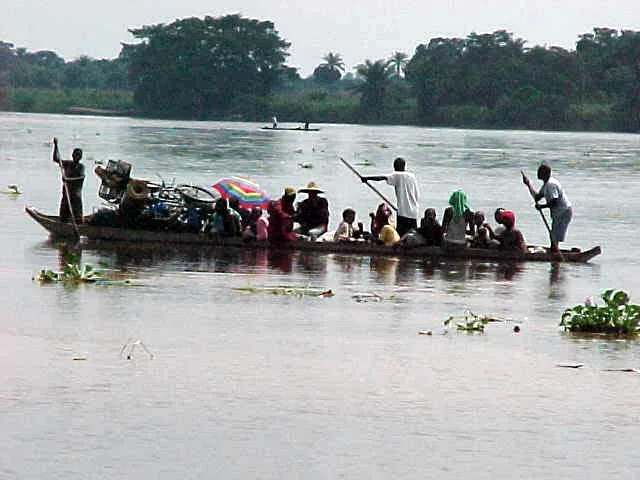
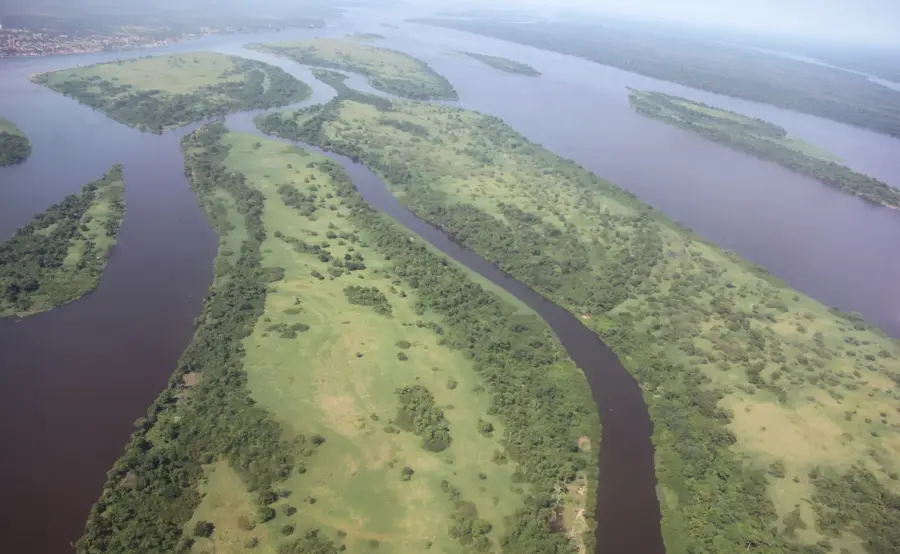
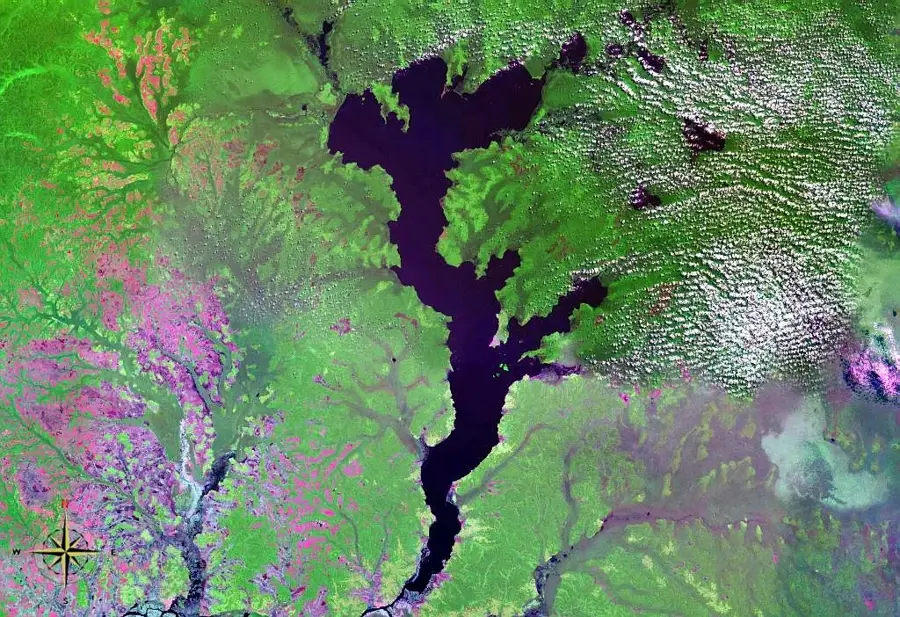
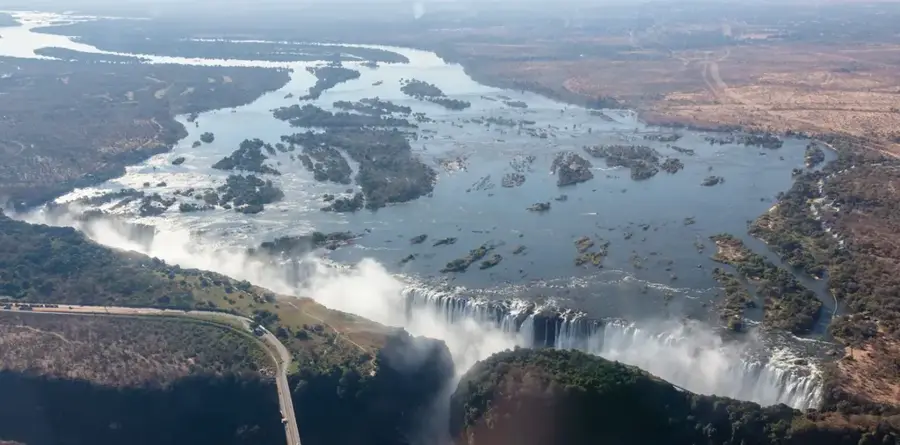
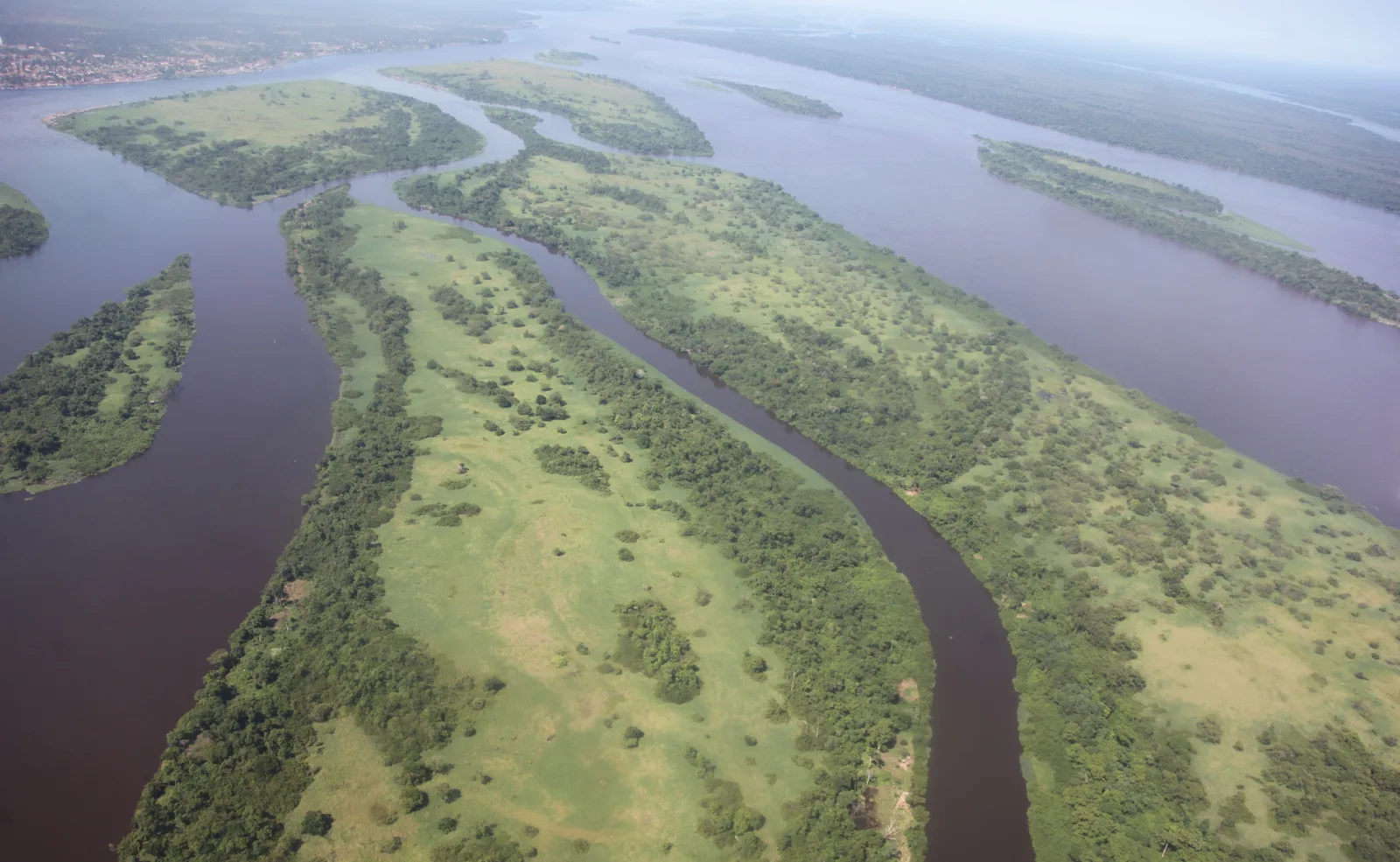
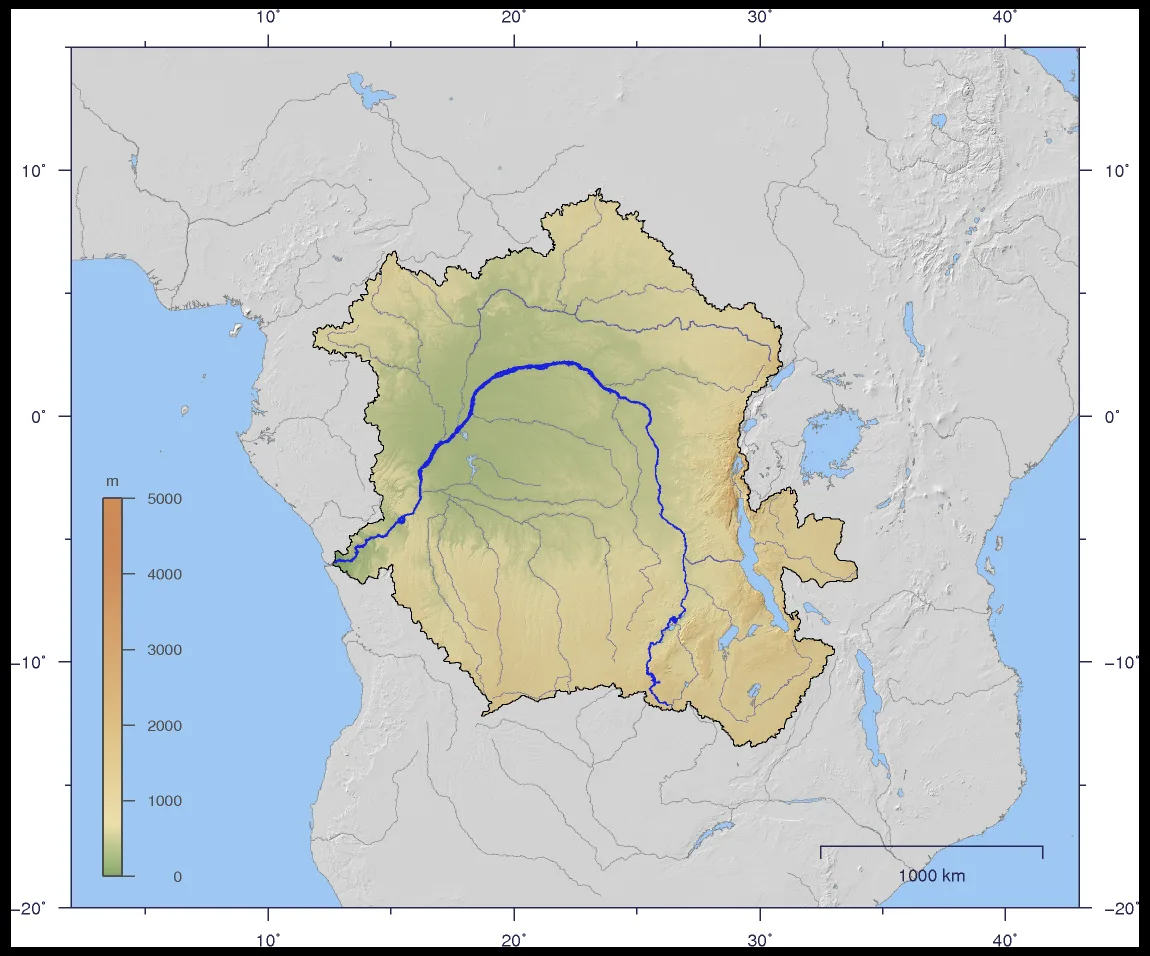
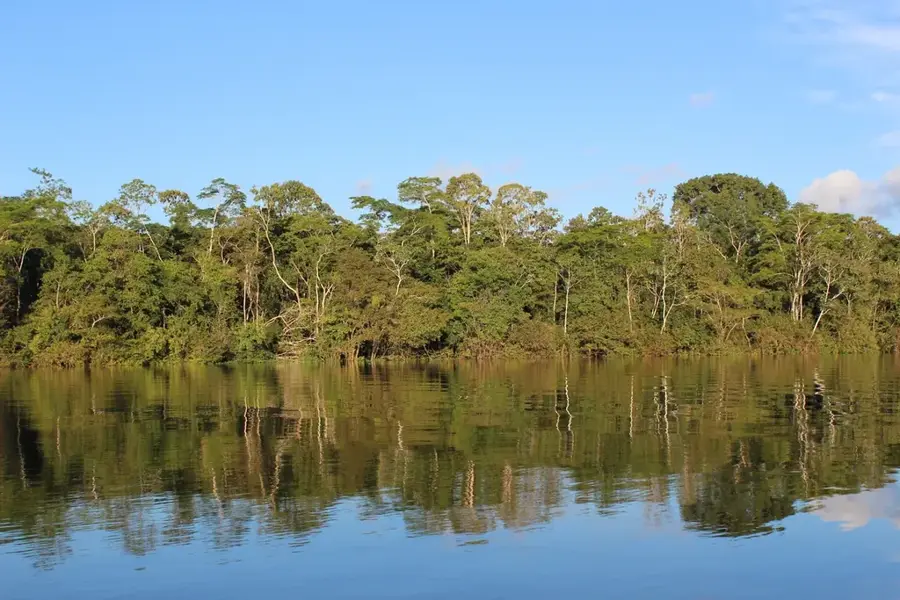
The Kwango River is a major transboundary river that originates in the central highlands of Angola and flows northward to join the Kasai River. Stretching over 1,100 kilometers, it forms a significant portion of the international border between Angola and the Democratic Republic of the Congo. The river is globally renowned for its rich secondary diamond deposits, which have shaped the regional economy for decades. Geographically, the Kwango features several spectacular waterfalls, such as the Tembo Falls, which hinder continuous navigation along much of its course. Its basin is characterized by a mosaic of savannahs and gallery forests, hosting a wide variety of wildlife. Historically, the Kwango area was the center of the Kingdom of Kasanje, a powerful state involved in transatlantic trade during the 17th and 18th centuries. Today, the river remains a lifeline for local communities who depend on fishing and artisanal mining. The shared management of its resources continues to be a point of political and environmental focus for both nations. The Kwango is thus a site of immense economic, historical, and natural significance.

Best time to visit & climate

The most pleasant time to visit is Jun–Aug.

JanFebMarAprMayJunJulAugSepOctNovDec
Avg °C262626262626262727262525
Rain mm13814717516610326123599167200179

📋 Practical info

🧭
Getting there
Access points to the main river channel are primarily found at major road crossings, bridge towns, or via chartered riverboats departing from established inland ports. Navigating to the more remote river stretches requires arranging specialized private watercraft.
📅
Best season
The dry season presents the safest conditions for river navigation, as water levels drop remarkably and the risk of catastrophic flooding is reduced. Traveling during the intense rainy season can be treacherous due to extremely strong currents and floating debris.
⛰️
Terrain & paths
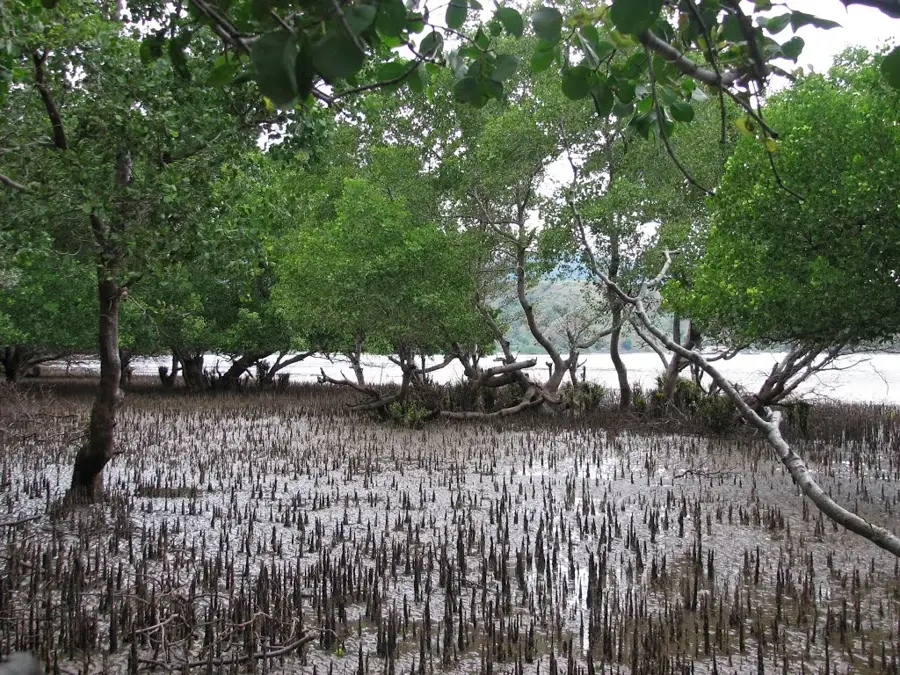
The river weaves through a dramatic landscape of deep forested gorges, open savannah, and numerous turbulent rapids. The banks are often characterized by slippery mud or dense jungle vegetation, making land-based exploration along the water's edge quite difficult.
🎒
What to bring
Essential gear for any river journey includes reliable waterproof bags for electronics and documents, effective anti-malarial medication, strong mosquito repellents, and sturdy footwear that can handle continuous exposure to wet and muddy conditions.
🅿️
Parking
Formal vehicle storage is generally non-existent at remote river access points. Travelers usually coordinate with local community leaders to secure their vehicles within a guarded village compound for a mutually agreed fee before embarking on riverboat excursions.
⚠️
Safety
Fast-moving currents, hidden underwater rocks, and unpredictable changes in water depth make the river hazardous for casual swimming or inexperienced boating. Furthermore, regional border sensitivities mean travelers must keep all identification documents readily accessible.
⏱️
Time needed
Experiencing the river can range from a brief half-day motorized pirogue trip near a major settlement to a complex, multi-week expedition navigating the challenging rapids and distant stretches that define this powerful central African waterway.

Geography

Coordinates
-4.50000, 17.50000

Facts

  • Total length of approximately 1,100 kilometers
  • Originates in the central highlands of Angola
  • Forms the border between Angola and the DRC
  • Famous for its extensive alluvial diamond deposits
  • Features the dramatic Tembo Falls
  • Discharges into the Kasai River, a tributary of the Congo

Explore nearby

Notable places around
Route planner — Car & Motorhome

Where do you start? We build the route here, with stops and country notes along the way.

Vehicle
Only stops with (optional):

© OpenStreetMap contributors · OpenRouteService

Sights nearby

Frequently asked questions

Where does the Kwango rise?
The river rises in the highlands of Angola and flows north.
Are there diamonds in the river?
Yes, the Kwango basin is known for its alluvial diamond deposits.
Is the river a border?
Yes, it forms the border between Angola and DR Congo for a long stretch.
Are there waterfalls on the Kwango?
The Tembo Falls are a prominent natural attraction on the river.
How is the best way to travel there?
By boat is the most common way, as roads are often impassable.
Kwango River: where is it located?
Kwango River is located in Congo - Kinshasa.
Kwango River: when is the best time to visit?
The most pleasant time to visit is Jun, Aug.
Kwango River: why is it worth visiting?

The Kwango River is a major transboundary river that originates in the central highlands of Angola and flows northward to join the Kasai River.
View on map → The Top 50 Attractions → OpenStreetMap →
Africa
Explore with Plizio Discover more places in Africa
More places in Congo - Kinshasa →

Nature

More places