Plizio Visual Lab
Molunat

ℹ️Practical info — Molunat
▾
🌤 Weather — 5 days
📍 Nearby
Sights nearby
💡 Tips
- Visit Molunat if you want to escape the heavy tourist crowds of nearby Dubrovnik.
- The bay is very sheltered, meaning the water is often warmer than on the open coast.
- Take advantage of the proximity to Montenegro for a quick day trip (carry your passport).
- Check with the fishermen at the small pier for the freshest catch of the day.
- This is a good destination for families due to the shallow and calm swimming areas.
🍽 Food
A classic dish of the Konavle region, often made with fresh mussels or squid.
Try local grape varieties like Malvasija Dubrovačka at nearby family wineries.
Fish prepared in salt or foil perfectly preserves the fresh aroma of the sea.
🛍 Shopping · 🧘 Quiet spots
Olive oil from this southernmost region of Croatia is known for its rich aroma.
Homemade preserves made from the sun-ripened figs grown in the area.
Narrow paths lead along the peninsula to secluded rocky spots right by the sea.
Enjoy the absolute silence at sunrise, with only the sound of gentle waves.
Water temperature…
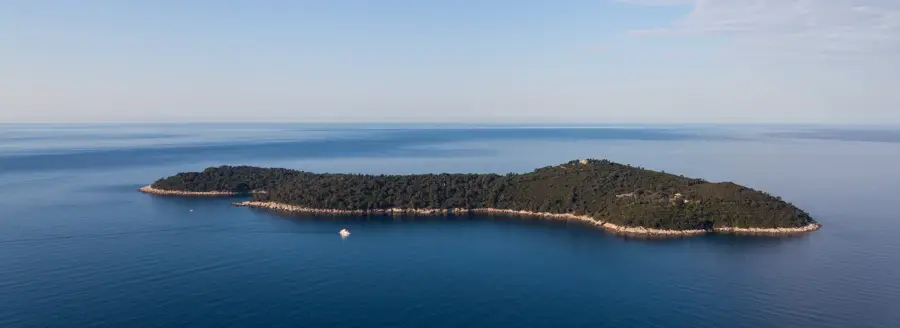
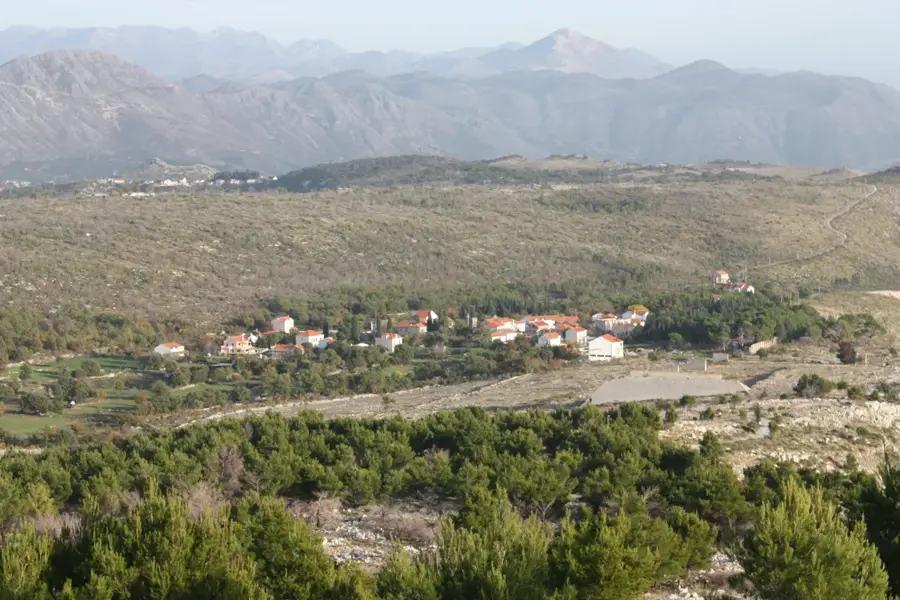
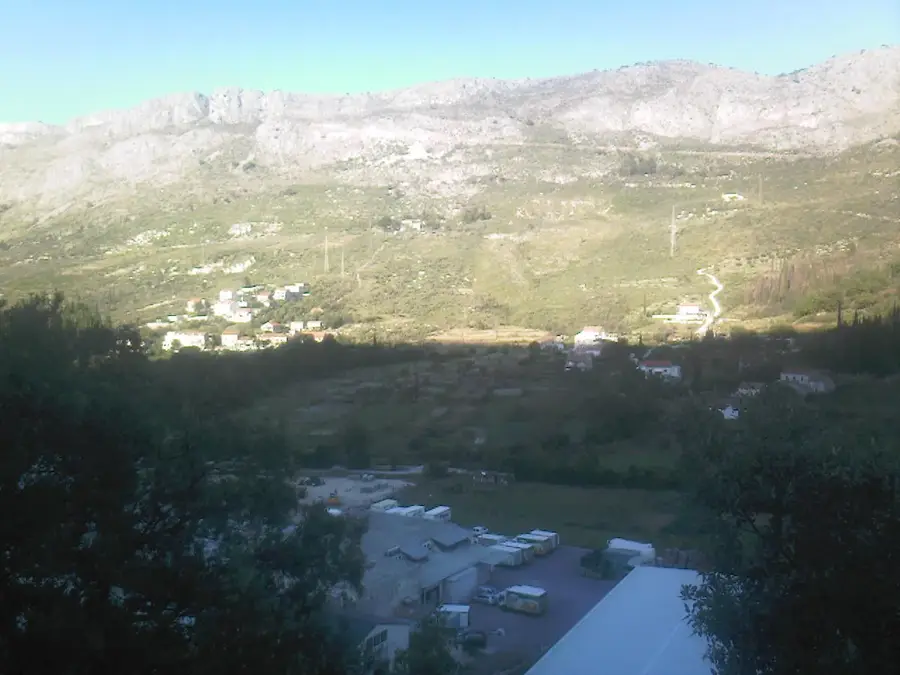
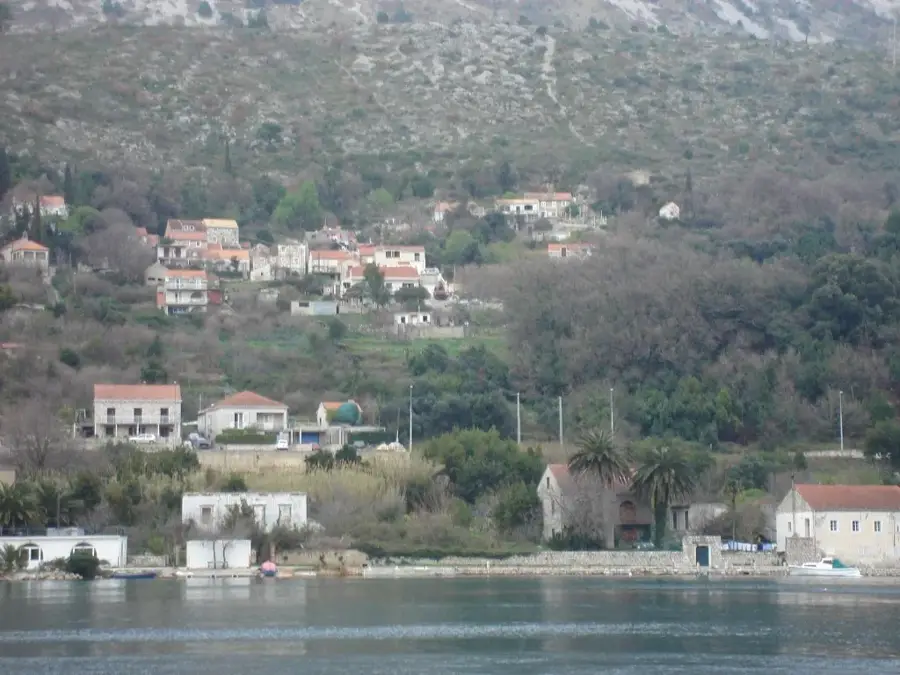
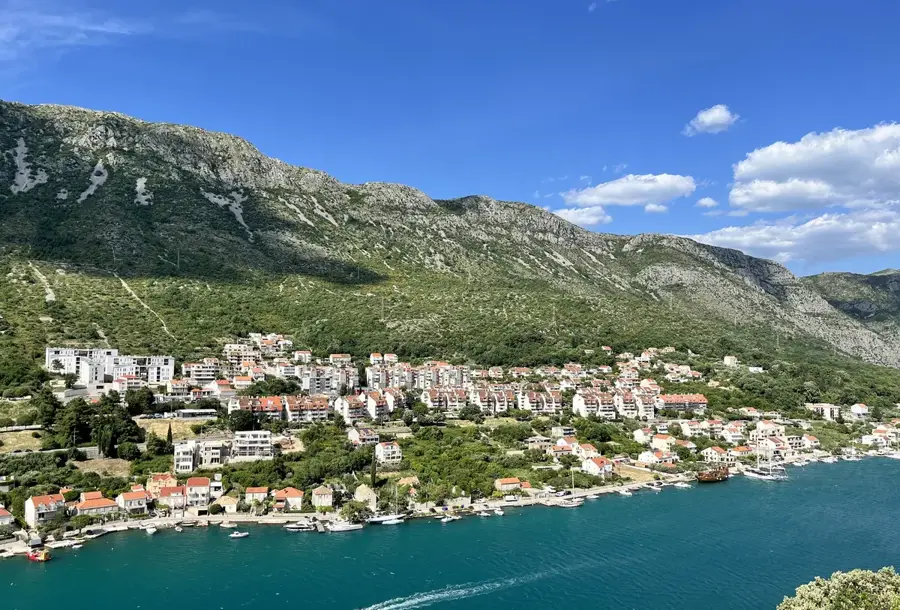
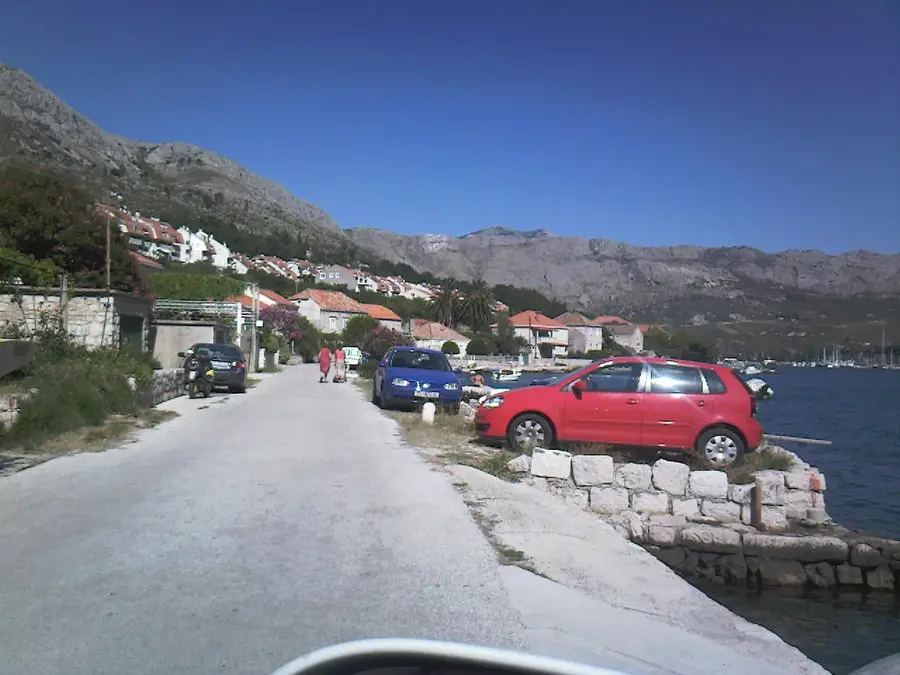
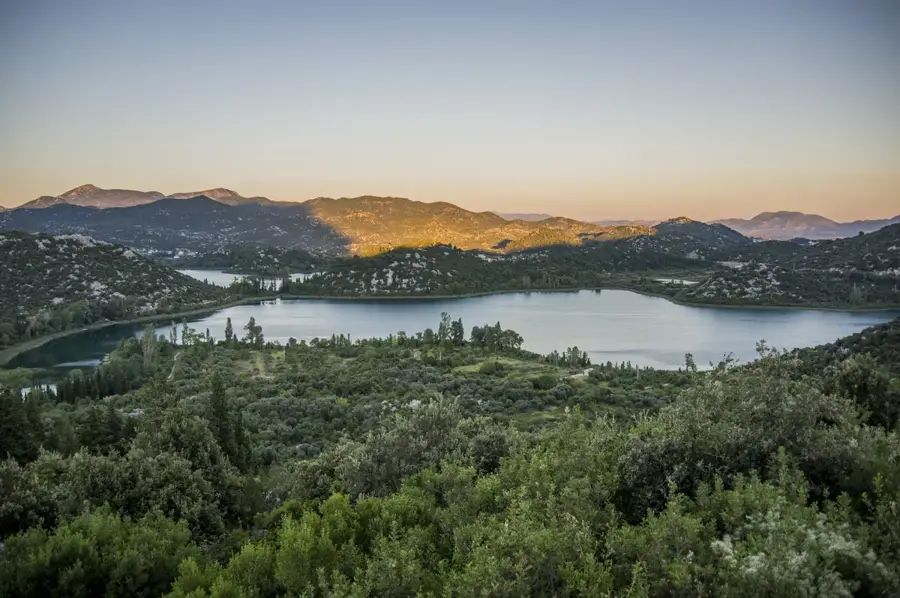
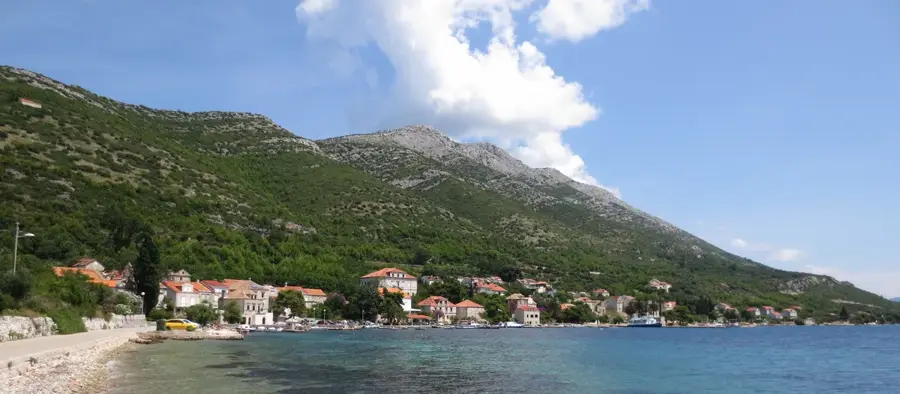
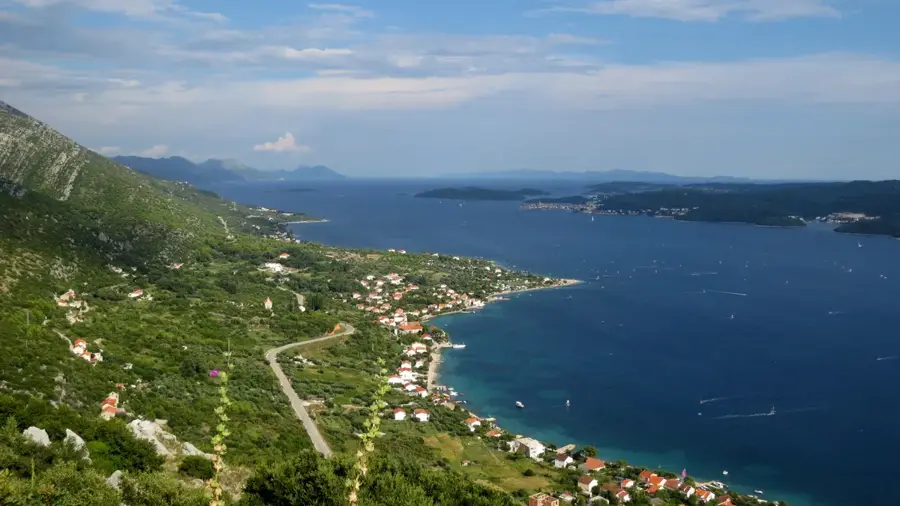
Molunat is a small tourist and fishing village in the extreme south of Croatia, located about 40 kilometers southeast of Dubrovnik. The settlement stretches along a protected bay sheltered by two peninsulas from strong Adriatic winds. Its name derives from the Greek word 'molos', meaning harbor, pointing to its long maritime tradition. The surroundings feature dense Mediterranean macchia, pine forests, and ecologically valuable coastal strips. The village is a paradise for peace-seekers, divers, and anglers. The sea here is considered among the cleanest in the Adriatic, making Molunat a good spot for snorkeling. There are several sandy and pebble beaches with shallow waters, making them very family-friendly. The absence of large hotels has helped Molunat preserve its authentic charm. Nearby, one can find remains of Illyrian and Roman fortifications, as well as medieval tombstones (stećci). For hikers, the surrounding hills of Konavle offer spectacular views of the open sea and the neighboring Montenegrin coast. Local gastronomy focuses on daily fresh fish, seafood, and the famous wines of the Konavle region, such as Malvasija Dubrovačka.
- Location: Croatia
- Top sights: Resnica · Strašnjik · Velika Obalica
- Nearby: Vitaljina (5 km)
- Population: ~234
Best time to visit & climate
The most pleasant time to visit is Jun–Aug.
| Jan | Feb | Mar | Apr | May | Jun | Jul | Aug | Sep | Oct | Nov | Dec | |
|---|---|---|---|---|---|---|---|---|---|---|---|---|
| Avg °C | 4 | 5 | 8 | 12 | 16 | 20 | 24 | 24 | 19 | 14 | 10 | 6 |
| Rain mm | 156 | 152 | 138 | 103 | 89 | 67 | 42 | 43 | 116 | 138 | 187 | 178 |
Geography
Facts
- Southernmost point of Croatia
- 40 km from Dubrovnik
- Greek origin (Molos)
- Two protected bays
- Extremely clean seawater
- Peaceful atmosphere
- Sandy and pebble beaches
- Konavle wine region
Explore nearby
Notable places around
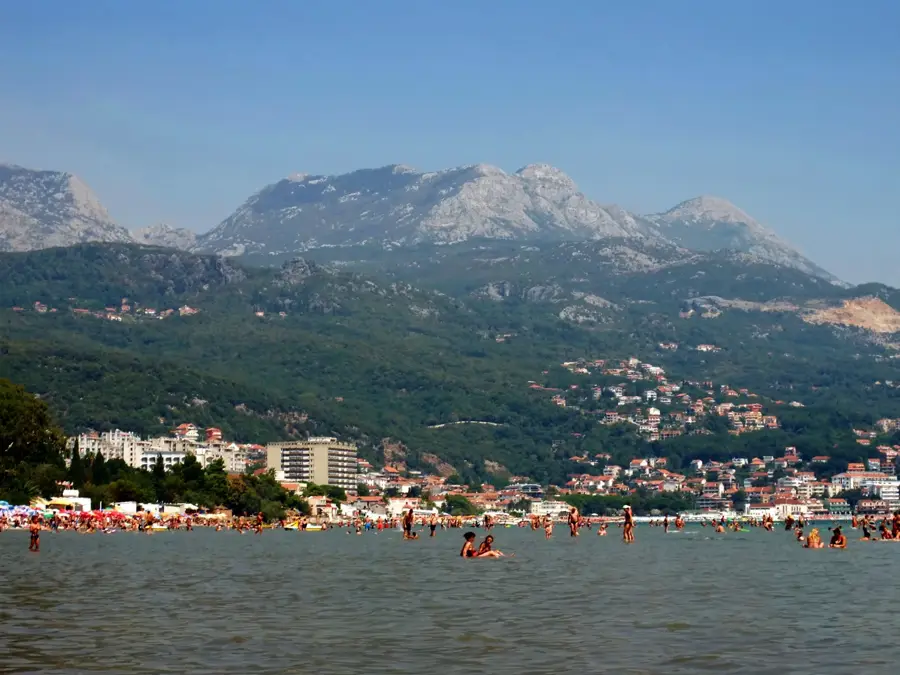
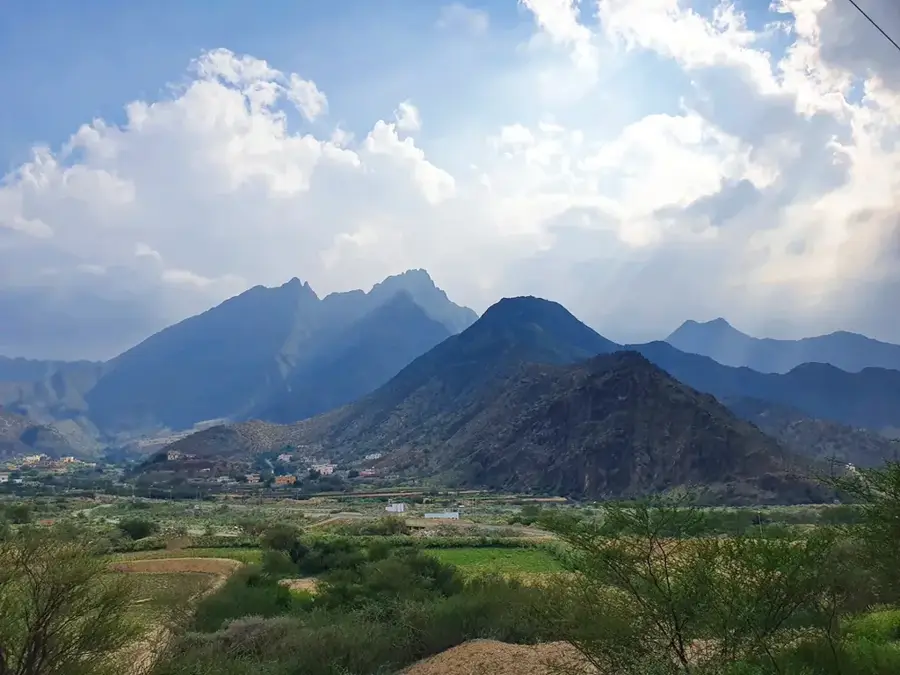
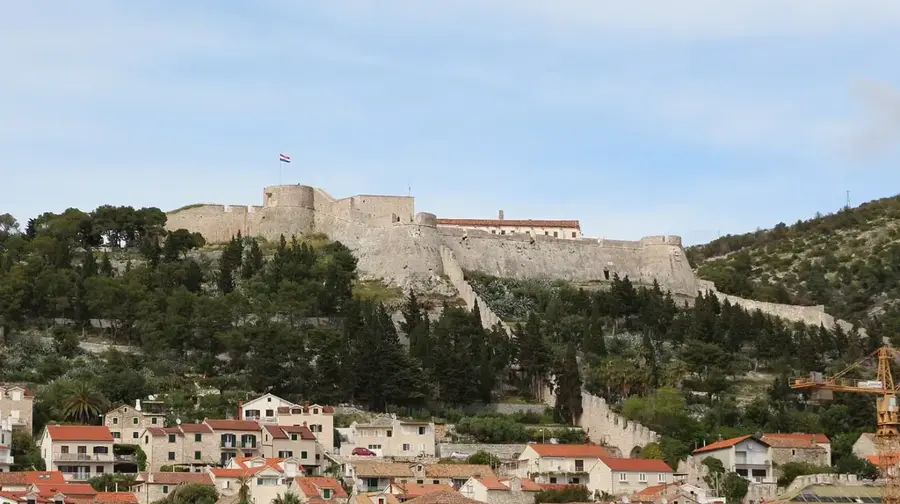
Route planner — Car & Motorhome
Where do you start? We build the route here, with stops and country notes along the way.
© OpenStreetMap contributors · OpenRouteService
Morning begins with the soothing sounds of the Adriatic Sea as you explore the coastal paths and historical remnants along Molunat's charming shoreline. By midday, your journey takes you deeper into the lush Mediterranean greenery, offering panoramic views of the rugged peninsulas and crystal-clear bays. Afternoon is spent discovering hidden elevated viewpoints and secluded natural gems, perfect for capturing breathtaking photographs of the Croatian coastline. Evening gracefully settles in as you uncover a final tranquil oasis, watching the sunset paint the sky over the magnificent shimmering waters.
Church of St. Peter, remains
Rat
Kupičina glava
Velika Obalica
Sjedalica
In the morning, the ruins are shrouded in mystical mist as the scent of rain fills the air. At noon, be careful on the coastal paths as the rocks can become slippery when wet. In the afternoon, the grey hues of the sea and the sound of the waves radiate deep peace. By evening, the village lights reflect on the wet asphalt, with silence broken only by the rain on the roofs.
Church of St. Peter, remains
Rat
Kupičina glava
Velika Obalica
Sjedalica
The winter morning is fresh and salty, showing Molunat's calmest side. At noon, the sun sits low, casting long shadows on the rocky coastline. In the afternoon, it is recommended to wear multiple layers due to the cool sea breeze at the viewpoints. It gets dark around 17:00, so plan to return to the warmth of your accommodation in time.
Church of St. Peter, remains
Rat
Kupičina glava
Velika Obalica
Sjedalica
Morning begins with a refreshing ride in the quiet outskirts as you explore the coastal paths and natural reserves along Molunat's charming shoreline. By midday, your journey takes you deeper into the lush Mediterranean greenery, offering panoramic views of the rugged peninsulas and crystal-clear bays. Afternoon is spent discovering hidden elevated viewpoints and secluded natural gems, perfect for capturing breathtaking photographs of the Croatian coastline. Evening gracefully settles in as you uncover the ancient ruins near the water's edge, watching the sunset paint the sky over the historical stone remnants.
Resnica
Velika Obalica
Sjedalica
Strašnjik
Kupičina glava
Rat
Church of St. Peter, remains
In the morning, the importance of mudguards becomes clear as the paths get wet. At noon, the wind and rain on the coastal sections test your endurance, but the dramatic views compensate. In the afternoon, brake carefully on steeper sections due to the slippery surface. The evening ends with drying your gear and enjoying the quiet village lights.
Resnica
Velika Obalica
Sjedalica
Strašnjik
Kupičina glava
Rat
Church of St. Peter, remains
On a cool winter morning, pedaling warms you up quickly, but gloves and a hat are essential. At noon, in the bright sunshine, even distant islands are clearly visible due to the clear air. Return to the village before sunset as temperatures drop rapidly. In the evening, the smoke from chimneys in quiet Molunat signals it's time to rest.
Resnica
Velika Obalica
Sjedalica
Strašnjik
Kupičina glava
Rat
Church of St. Peter, remains
Morning begins with the soothing sounds of the Adriatic Sea as you comfortably drive to the coastal paths and natural reserves along Molunat's charming shoreline. By midday, your journey takes you deeper into the lush Mediterranean greenery, offering panoramic views of the rugged peninsulas and crystal-clear bays. Afternoon is spent discovering hidden elevated viewpoints and secluded natural gems, perfect for capturing breathtaking photographs of the Croatian coastline. Evening gracefully settles in as you uncover the ancient ruins near the water's edge, watching the sunset paint the sky over the historical stone remnants.
Resnica
Sjedalica
Strašnjik
Veraja
Kupičina glava
Rat
Church of St. Peter, remains
In the morning, explore the hidden coastal roads to the rhythmic movement of the windshield wipers. At noon, the play of clouds over the sea provides a dramatic sight from the car window at elevated points. In the afternoon, take short walks to the viewpoints, always keeping an umbrella handy. By evening, glittering lights guide your way back to the village.
Resnica
Sjedalica
Strašnjik
Veraja
Kupičina glava
Rat
Church of St. Peter, remains
From the comfort of a heated car, admire the wild and raw beauty of the winter Adriatic. At noon, in sunny bays, you can step out for a short walk in the fresh air in wind-sheltered spots. In the afternoon, the landscape's pastel colors in the early twilight radiate a picturesque mood. In the evening, warm lights from the village houses invite you to rest.
Resnica
Sjedalica
Strašnjik
Veraja
Kupičina glava
Rat
Church of St. Peter, remains
Sights in the town Molunat (4)
Frequently asked questions
What is Molunat?
Are there sandy beaches there?
Is Molunat good for diving?
How far is it to Dubrovnik Airport?
Are there campsites there?
Molunat: where is it located?
Molunat: what is there to see?
Molunat: when is the best time to visit?
Molunat: why is it worth visiting?

Nearby cities