Plizio Visual Lab
Hvar Fortress (Fortica)
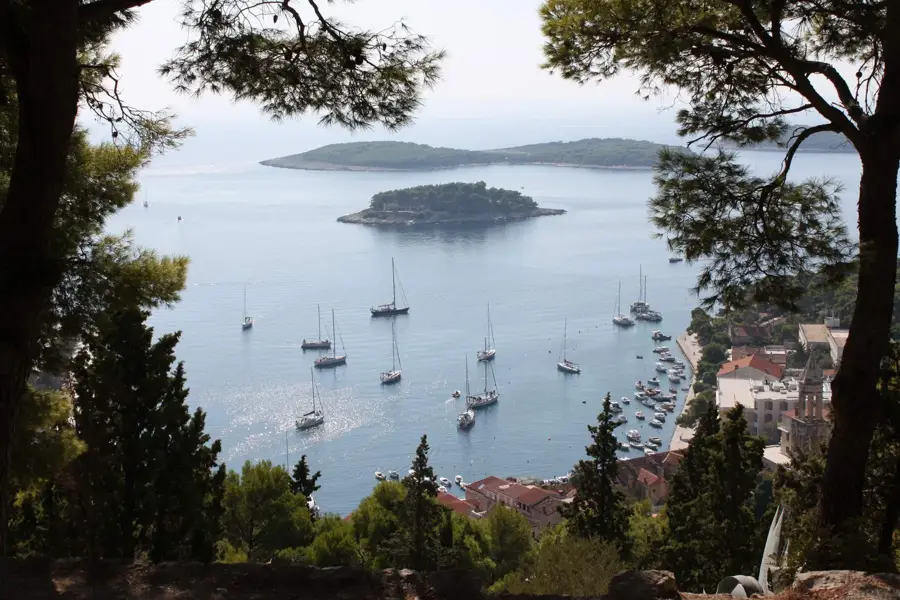
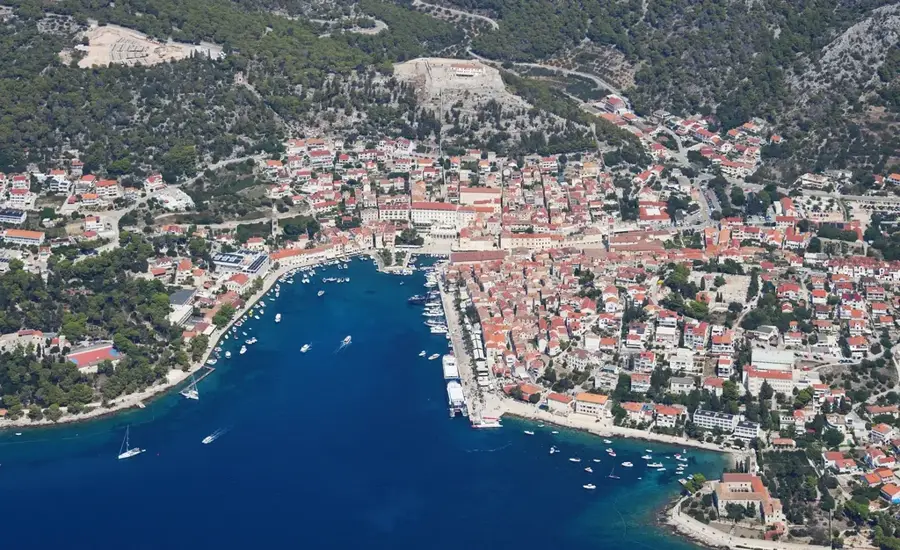
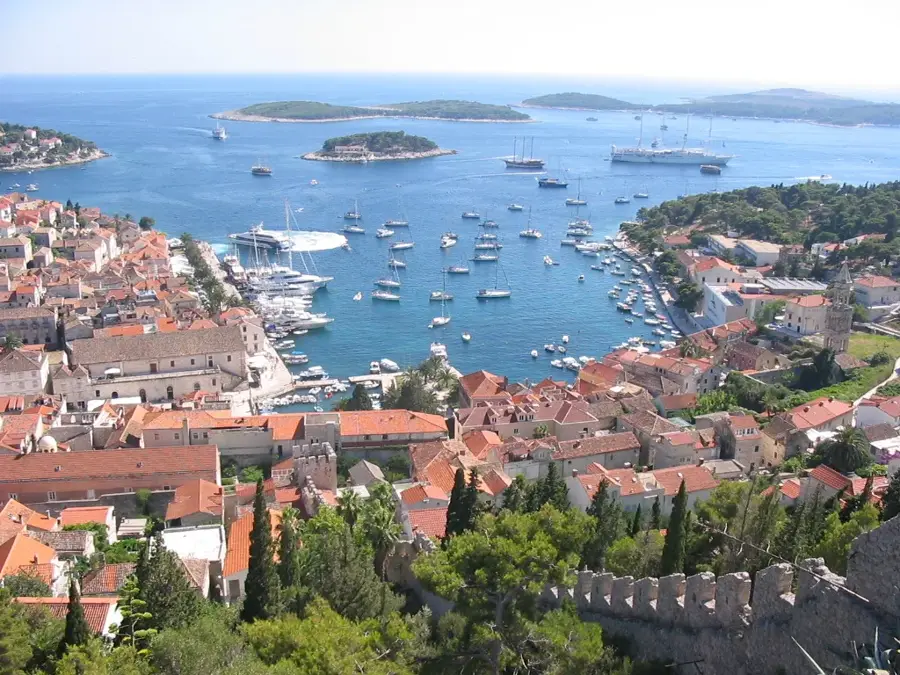
The Fortica Fortress, also known as Španjola, stands majestically on an 88-meter hill above the town of Hvar, offering one of Croatia's most iconic panoramas. Its current stone structure was built in the 16th century, though it sits on foundations that date back to an Illyrian settlement from the first millennium BC. The nickname 'Španjola' reflects the involvement of Spanish military engineers in its design during the Venetian era. On October 1, 1579, the fortress played a critical role in local history when it provided sanctuary to almost the entire population of Hvar following a catastrophic lightning strike that ignited the town's gunpowder magazine. Over the centuries, the fortification was utilized and expanded by the Austrians and the French. The complex includes massive defensive bastions, former dungeons, a chapel, and a series of watchtowers. Today, the interior houses a small archaeological museum featuring ancient amphorae and artifacts recovered from regional underwater sites. Climbing to the Fortica is a quintessential Hvar experience, blending military architectural history with dramatic views of the Pakleni Islands and the Adriatic Sea.
- Location: Croatia
- Top sights: Fortress Španjola / Fortica · crkva Gospe Kruvenice · Muzej Hanibal Lucić
- Nearby: Brusje (4 km)
Best time to visit & climate
The most pleasant time to visit is May–Jul.
| Jan | Feb | Mar | Apr | May | Jun | Jul | Aug | Sep | Oct | Nov | Dec | |
|---|---|---|---|---|---|---|---|---|---|---|---|---|
| Avg °C | 11 | 11 | 12 | 15 | 18 | 23 | 25 | 26 | 22 | 19 | 16 | 13 |
| Rain mm | 85 | 81 | 74 | 58 | 48 | 42 | 25 | 33 | 80 | 80 | 114 | 109 |
📋 Practical info
Geography
Facts
- The current stone fortress was completed around 1551
- The site has been fortified since the Illyrian era (1st millennium BC)
- The fortress saved Hvar's citizens during a gunpowder explosion in 1579
- Spanish engineers helped build the fortress, giving it its local name
- It features an archaeological collection of ancient maritime amphorae
- The fortress is perched 88 meters above the Hvar town square
Explore nearby
Notable places around
Route planner — Car & Motorhome
Where do you start? We build the route here, with stops and country notes along the way.
© OpenStreetMap contributors · OpenRouteService
Sights in the town Hvar Fortress (Fortica) (10)
Loggia
Building in Hvar, former Venetian loggia on the main square.
Palace Užižić
Palace in the old town of Hvar on the Dalmatian island of Hvar, Croatia.
sv.Marko
Former Dominican monastery and St. Mark's Church in Hvar.
Hvarsko kazalište
Theatre in Hvar, one of the oldest public theatres in Europe.
St. Stephen
Church in Hvar, dedicated to Saint Stephen.
Muzej Hvarske baštine🏛 museum
Museum of Hvar heritage, housed in a Renaissance palace.
Sights nearby
Frequently asked questions
When was the Fortica (Španjola) Fortress built?
Why is it also called 'Španjola'?
How do you get to the fortress?
What can be visited inside?
Is the entrance fee worth it?
Hvar Fortress (Fortica): where is it located?
Hvar Fortress (Fortica): what is there to see?
Hvar Fortress (Fortica): when is the best time to visit?
Hvar Fortress (Fortica): why is it worth visiting?

Nearby cities