Plizio Visual Lab
Dubrovnik City Walls
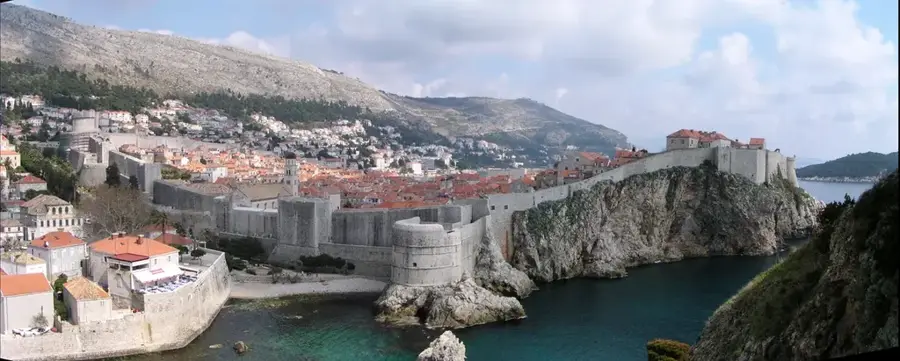
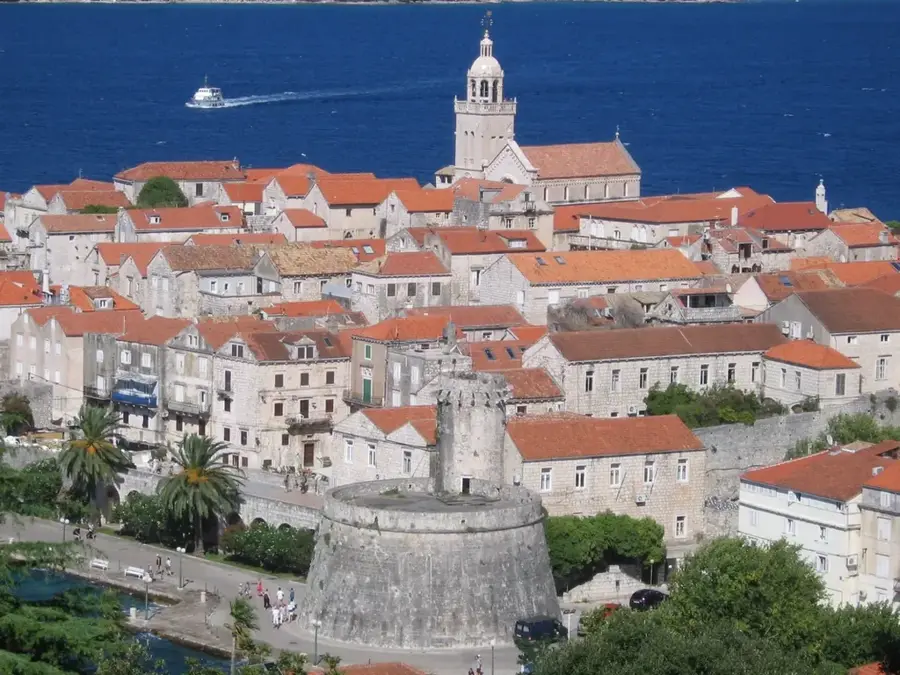
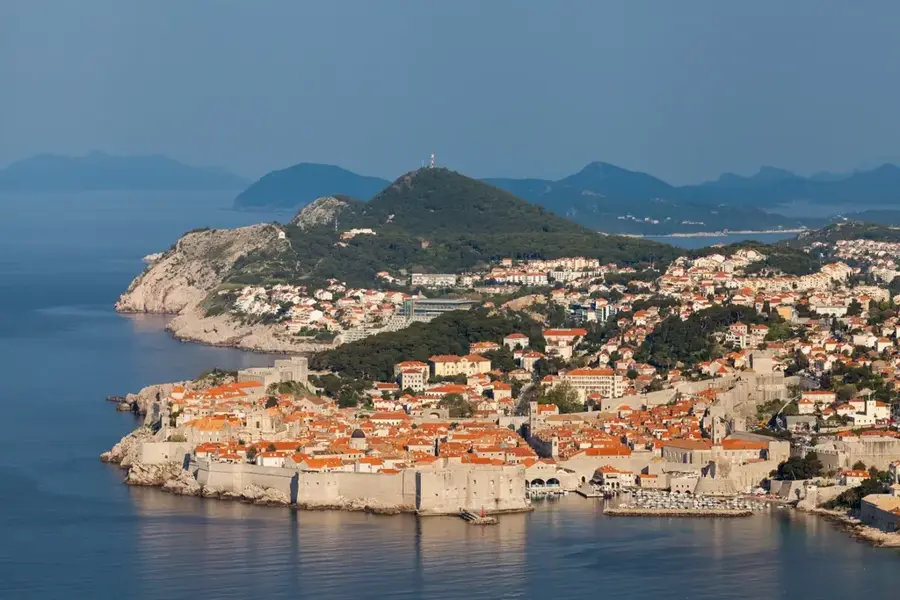
The City Walls of Dubrovnik are among the most imposing medieval fortification systems in the world and stand as a symbol of the enduring freedom of the former Republic of Ragusa. Construction of the current system began in the 13th century and continued through the 17th century, with the walls being constantly reinforced to withstand invasions. The circuit encloses the entire Old City over a length of nearly two kilometers, reaching a thickness of up to six meters on the landward side. The defensive complex incorporates prominent fortresses such as Minčeta, Bokar, and St. John's Fort. Despite numerous conflicts and a catastrophic earthquake in 1667, the walls remained largely unscathed throughout history. Today, they are Dubrovnik's primary attraction, providing visitors with a spectacular walk offering vistas of the Adriatic Sea and the city's iconic terracotta rooftops. Since 1979, they have been listed as a UNESCO World Heritage site.
- Location: Croatia
- Nearby: Gornje Obuljeno (4 km)
Best time to visit & climate
The most pleasant time to visit is Jun, Jul, Sep.
| Jan | Feb | Mar | Apr | May | Jun | Jul | Aug | Sep | Oct | Nov | Dec | |
|---|---|---|---|---|---|---|---|---|---|---|---|---|
| Avg °C | 9 | 10 | 12 | 14 | 18 | 23 | 25 | 26 | 22 | 18 | 15 | 11 |
| Rain mm | 143 | 142 | 123 | 91 | 75 | 58 | 35 | 38 | 103 | 123 | 161 | 159 |
📋 Practical info
Geography
Facts
- The total length of the city walls is exactly 1,940 meters.
- On the landward side, the walls range from 4 to 6 meters in thickness.
- The highest point of the fortification system is the Minčeta Tower.
- The walls suffered minimal damage during the great earthquake of 1667.
- There are three main entrances to the walls: Pile, Ploče, and the Maritime Museum.
- Dubrovnik was among the first sites to be added to the UNESCO list in 1979.
Explore nearby
Notable places around

Route planner — Car & Motorhome
Where do you start? We build the route here, with stops and country notes along the way.
© OpenStreetMap contributors · OpenRouteService
Sights nearby
Frequently asked questions
How long are the walls of Dubrovnik?
How high are the walls at their highest point?
In which direction should you walk the walls?
Are there toilets or cafes on the walls?
When is the best time to visit the walls?
Dubrovnik City Walls: where is it located?
Dubrovnik City Walls: when is the best time to visit?
Dubrovnik City Walls: why is it worth visiting?

Nearby cities