International Pršut Festival Drnis
Annual cured-ham festival in late August on the main square of Drnis, home of the EU-protected Drnis pršut, with tastings and klapa concerts.
Plizio Visual Lab
This locally cured prosciutto is world-famous. Try it in any local konoba, usually served with homemade bread.
A strong sheep's cheese aged in sheepskin sacks, a true delicacy of the Dalmatian hinterland.
Veal or lamb slow-roasted under an iron bell with potatoes. You usually need to order this a few hours in advance at traditional taverns.
Buy vacuum-packed Drniški pršut directly from specialized local butchers or family farms in the surrounding villages.
Look for indigenous wine varieties like Debit (white) or Lasina (red) in nearby small wineries.
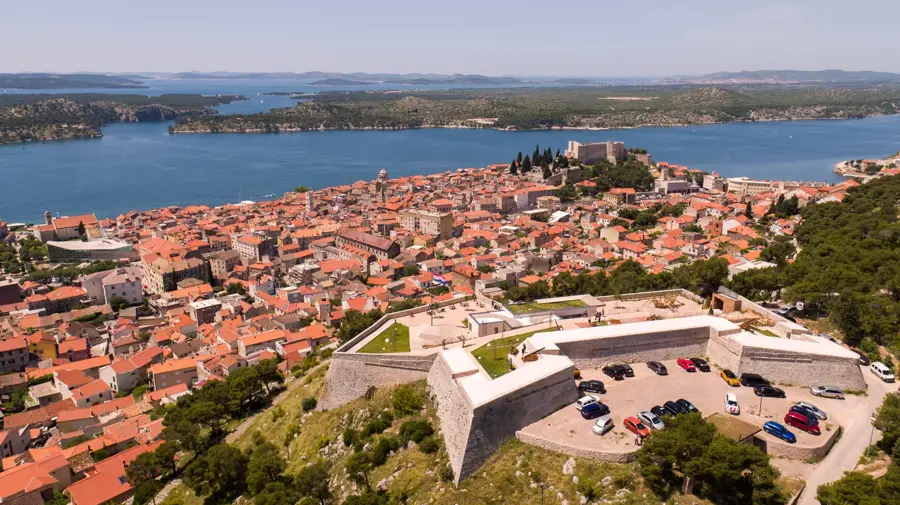
The medieval fortress ruins offer a quiet, contemplative spot, especially beautiful during sunset.
Walk the marked trails along the canyon rim for rugged, peaceful nature away from the crowds.
Water temperature…
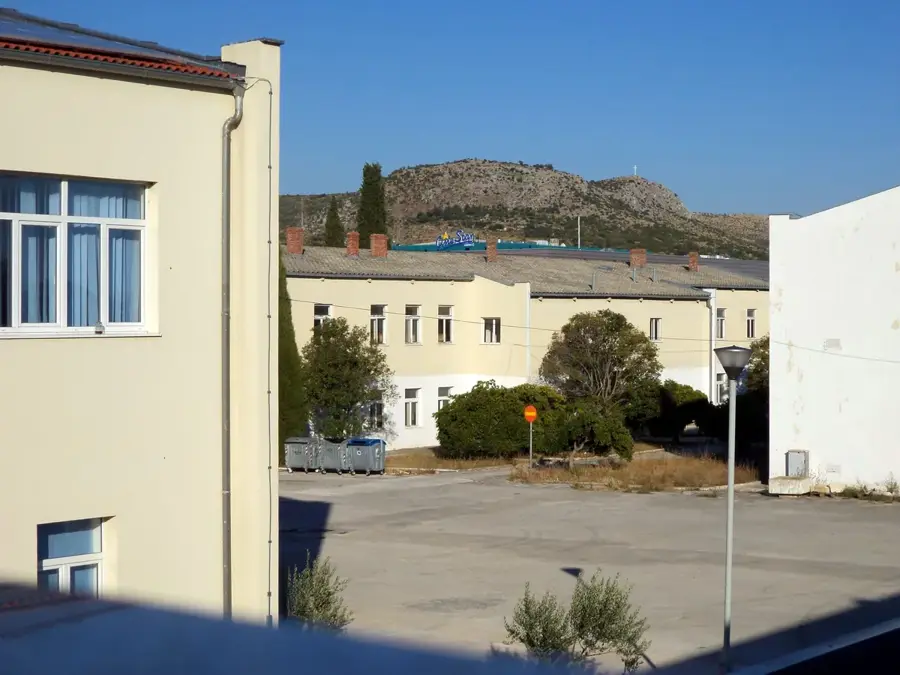
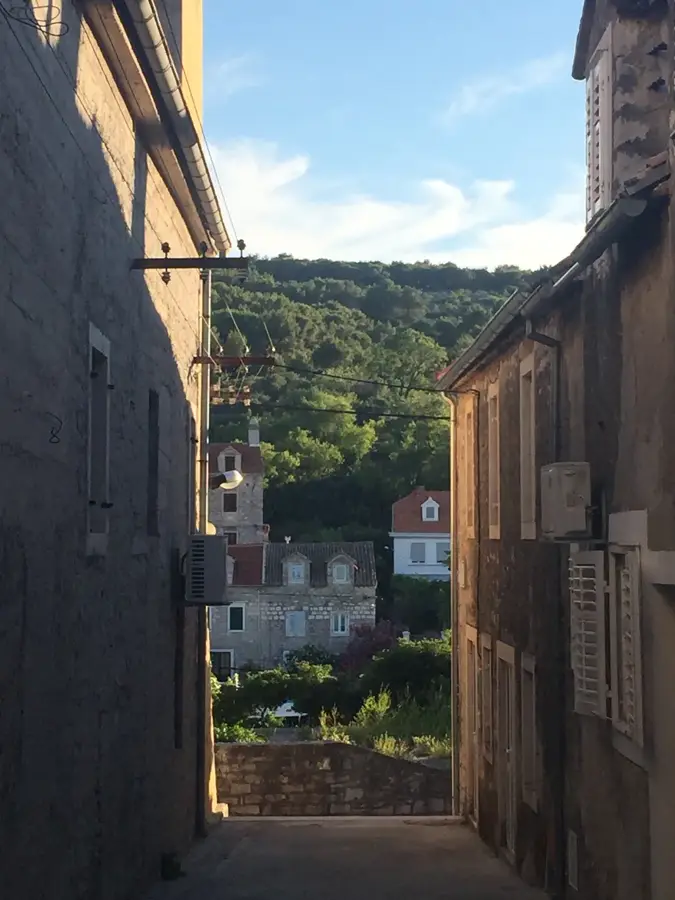
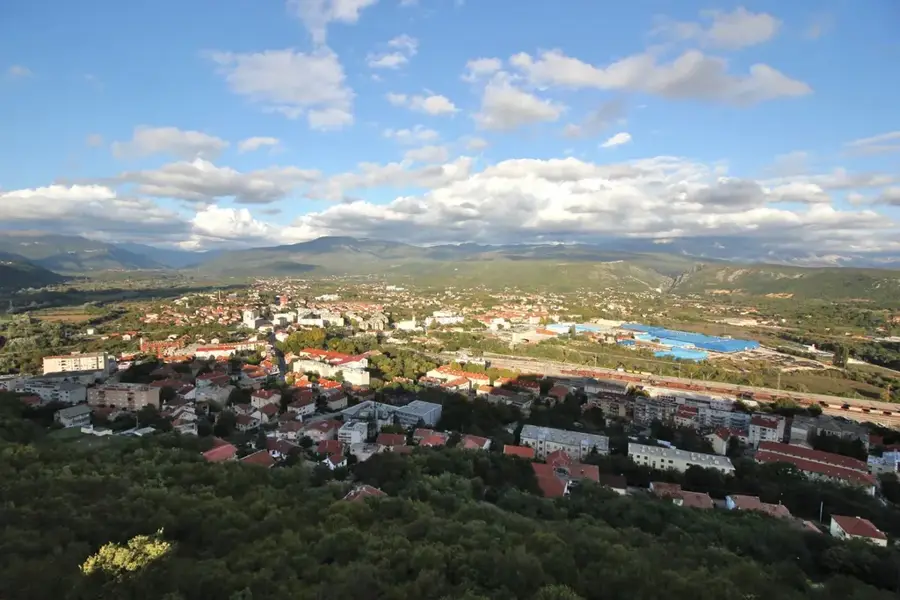
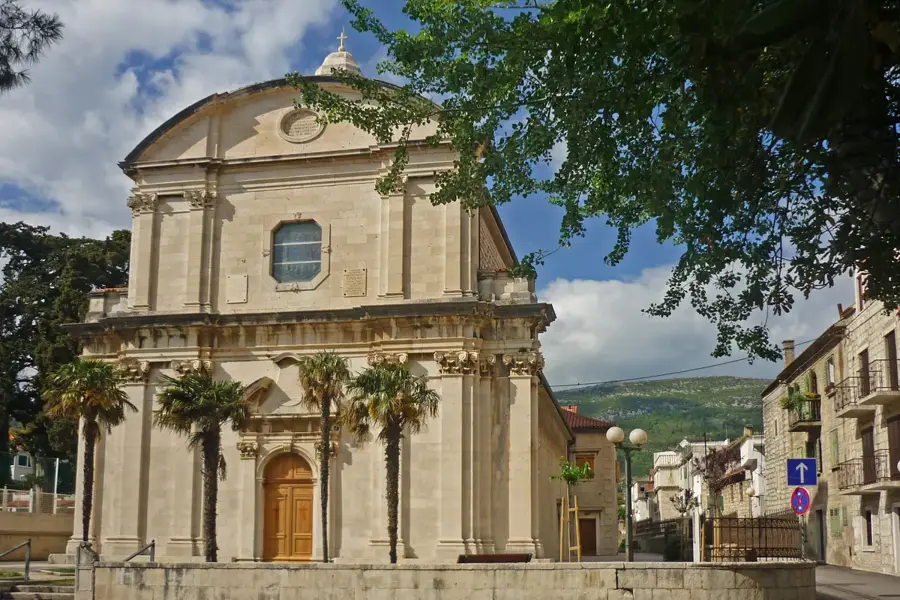
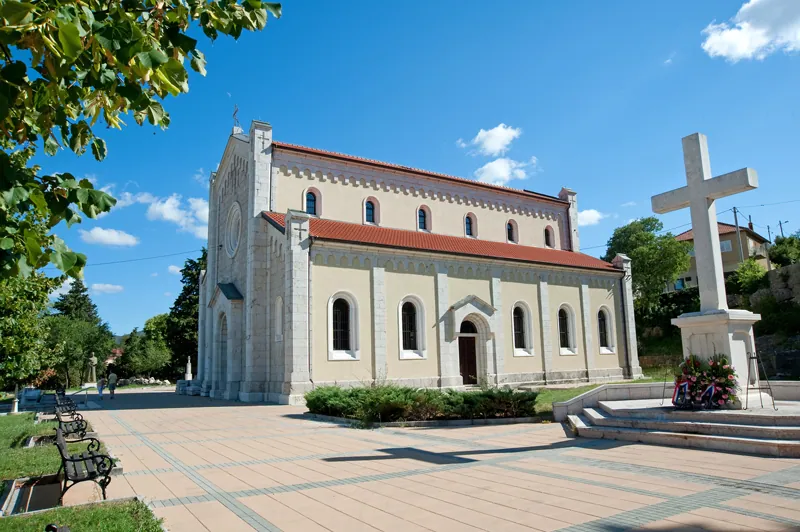
Drniš is located in the heart of the Zagora region, between the Promina and Moseć mountains. The town has a turbulent history, ranging from Ottoman influences to Venetian rule. Overlooking the town are the ruins of the Gradina fortress, once a vital link in the defense line against the Turks. The old town is characterized by stone houses and sacred buildings like the Church of Saint Anthony. However, Drniš is world-famous for its culinary treasure: the Drniš Pršut. This ham owes its unique flavor to the dry Bura wind and traditional production methods. Every year, an international ham festival is celebrated here. Besides gastronomy, Drniš is closely linked to the famous sculptor Ivan Meštrović, who was born nearby and left the town numerous artworks. The surroundings of Drniš offer spectacular natural experiences, as Krka National Park with the impressive Roški slap waterfall is just a short drive away. Mount Promina is also a popular destination for hikers and climbers. Drniš is the handy place for travelers who want to experience authentic Dalmatia away from the coast, defined by tradition, art, and warm hospitality.
The most pleasant time to visit is Jun–Aug.
| Jan | Feb | Mar | Apr | May | Jun | Jul | Aug | Sep | Oct | Nov | Dec | |
|---|---|---|---|---|---|---|---|---|---|---|---|---|
| Avg °C | 1 | 2 | 6 | 10 | 15 | 19 | 22 | 22 | 17 | 12 | 8 | 3 |
| Rain mm | 91 | 86 | 74 | 70 | 69 | 59 | 39 | 52 | 95 | 94 | 125 | 110 |
See what it looks like near Drniš right now.
Drnis: Drniš · 0.1 km · Open webcam on Windy · Webcams provided by Windy.com
Notable places around
Where do you start? We build the route here, with stops and country notes along the way.
© OpenStreetMap contributors · OpenRouteService
In the morning, explore the heart of Drniš, starting with Ivan Meštrović's famous sculpture and the fascinating history of St. Anthony's Church. The morning is dedicated to art and architecture. At noon, dive into the culinary world by tasting the legendary Drniš prosciutto in a local konoba. The afternoon leads you up to the Gradina fortress, where history meets the spectacular nature of the Čikola canyon. End the day with a relaxing stroll and a gelato.
Start your rainy day cozily in a cafe on the main square. View Meštrović's sculpture under an umbrella and find shelter inside St. Anthony's Church. A long lunch with Drniš prosciutto is the perfect way to wait out the rain. Later, Gradina fortress offers dramatic views of the misty canyon, before finishing the day with a hot drink back in the center.
Experience Drniš in the crisp winter light. After a warming coffee, explore Meštrović's works. St. Anthony's Church provides shelter from the cold Bura wind. A hearty lunch is especially welcome in winter. Visit Gradina fortress in the early afternoon to catch the golden light before the early sunset, then warm up back in the center.
This bike tour connects the city of Drniš with Ivan Meštrović's birthplace in Otavice. After admiring the artworks in the city, cycle through the characteristic landscape to the impressive mausoleum. The route is scenic and offers wide views. On the way back, climb to the Gradina fortress to enjoy the panorama of the Čikola canyon before ending the day relaxed in the center.
Biking in the rain requires preparation but offers solitary roads. After the town sculptures, head towards Otavice. The Meštrović Mausoleum provides an impressive dry stop. The picnic is replaced by a break in a local tavern before returning to Drniš via the Gradina fortress.
A winter ride through Petrovo field is refreshing but cold. The route to Otavice passes through vast, barren landscapes. The Meštrović Mausoleum looks especially solemn in the winter light. Instead of an outdoor picnic, find a heated spot before finishing the loop at Gradina fortress.
This car tour offers the perfect combination of Drniš's city center, its fortress, and the nearby village of Otavice. Start with a relaxing city walk to the most important sculptures and churches. At noon, enjoy the famous local cuisine before driving up to the Gradina fortress. Spend the afternoon in Otavice, where you can admire Meštrović's monumental mausoleum, nestled in the vast landscape of the Zagora.
By car, you can explore Drniš and its surroundings comfortably despite the rain. After coffee in the center, drive dry to the sights. The Meštrović Mausoleum in Otavice is a perfect destination for a rainy afternoon. Enjoy the viewpoints directly from the car or under the shelter of the monuments.
Drniš in winter is ideal for a car tour. Visit the historical sites without the summer heat. The drive to Otavice offers distant views of snow-capped peaks. The Meštrović Mausoleum is a highlight in the crisp light. A warm lunch in Drniš crowns the day before experiencing the sunset at the canyon.
Prominently situated in Drniš, the Skulptura 'Vrelo života' is an impressive sculpture known as the Fountain of Life. Art enthusiasts can admire its intricate details and cultural significance in the heart of the city. It gives a beautiful focal point for a walk through Drniš.