Plizio Visual Lab
Civljane
ℹ️Practical info — Civljane
▾
🌤 Weather — 5 days
📍 Nearby
Sights nearby
💡 Tips
- Visit the mesmerizing Cetina river source (the 'Eye of the Earth') early in the morning for the best light and zero crowds.
- Bring a reusable bottle; the spring water near the source is incredibly pure and cold.
- Public transport is scarce here; arriving by car is highly recommended to explore the Dalmatian Zagora.
- Pack a light jacket for the evenings, as the mountain air from nearby Dinara cools the area significantly.
🍽 Food
Look for family-run taverns (konobas) in the surrounding Zagora region for the most authentic taste.
Requires pre-ordering at rural homesteads; a slow-cooked masterpiece of meat and potatoes.
Often produced by local shepherds; ask around in the village or look for farmstead signs.
🛍 Shopping · 🧘 Quiet spots
Often sold at small roadside stands or directly from rural households.
Traditional socks or vests can sometimes be bought from elderly locals in the wider region.
A stunningly deep, blue-green karst spring that is incredibly peaceful outside peak tourist hours.
The ancient ruins of a 9th-century church surrounded by a tranquil historic graveyard.
Water temperature…
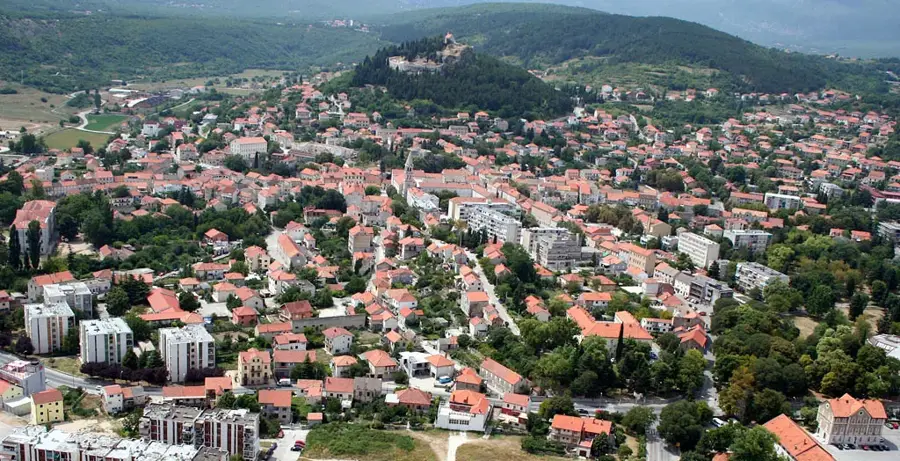
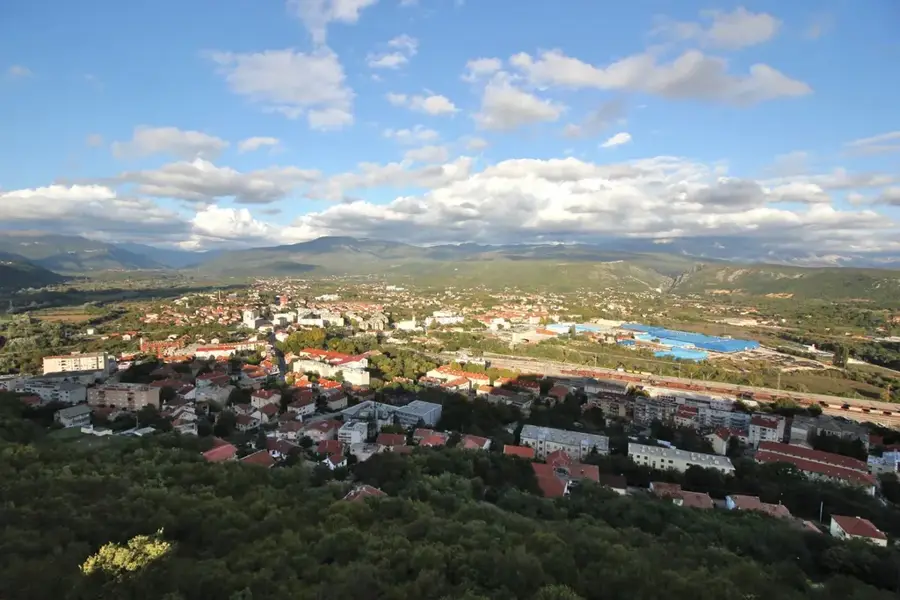
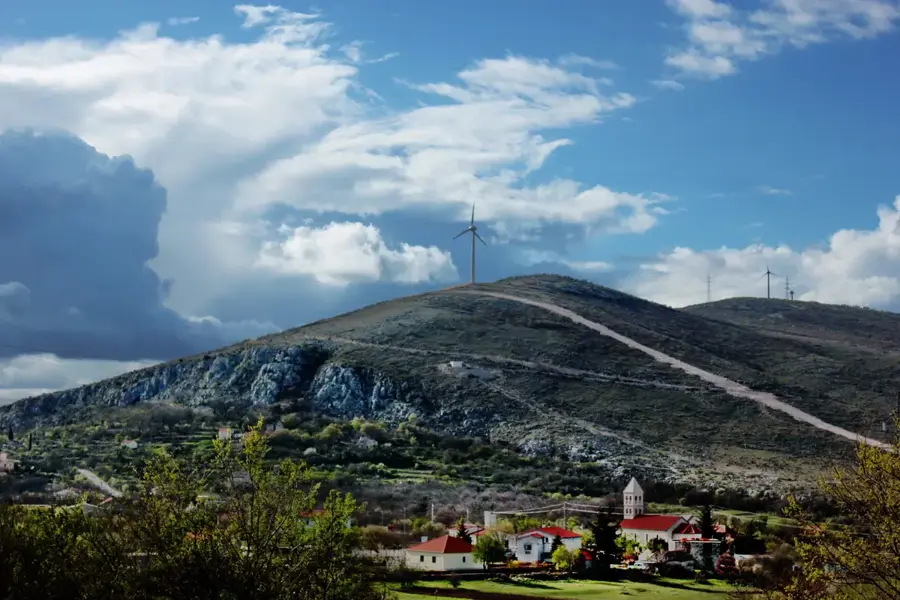
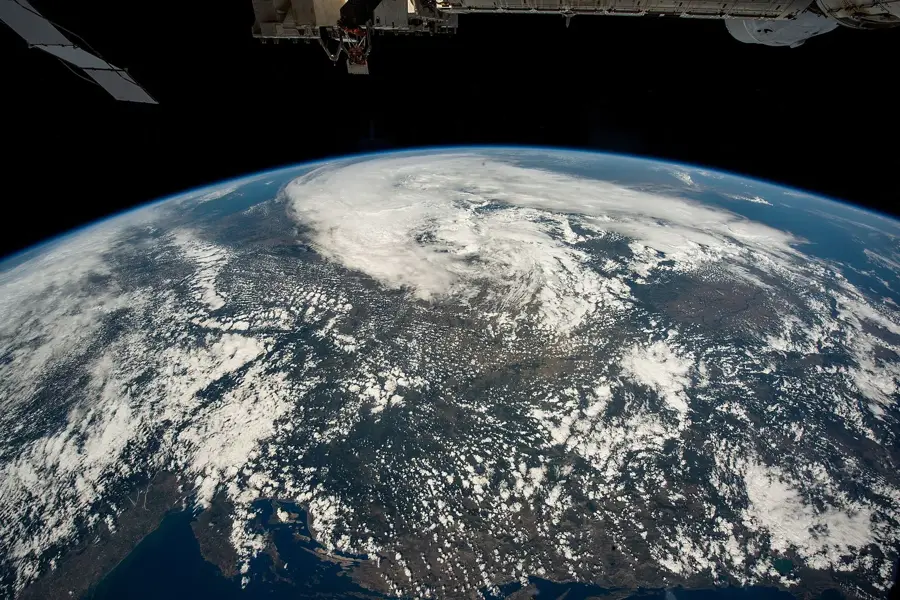
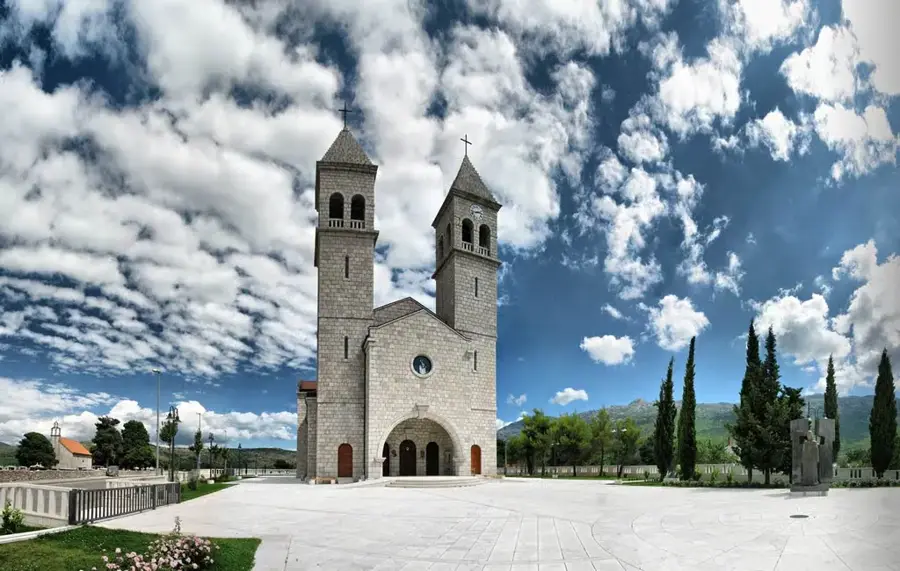
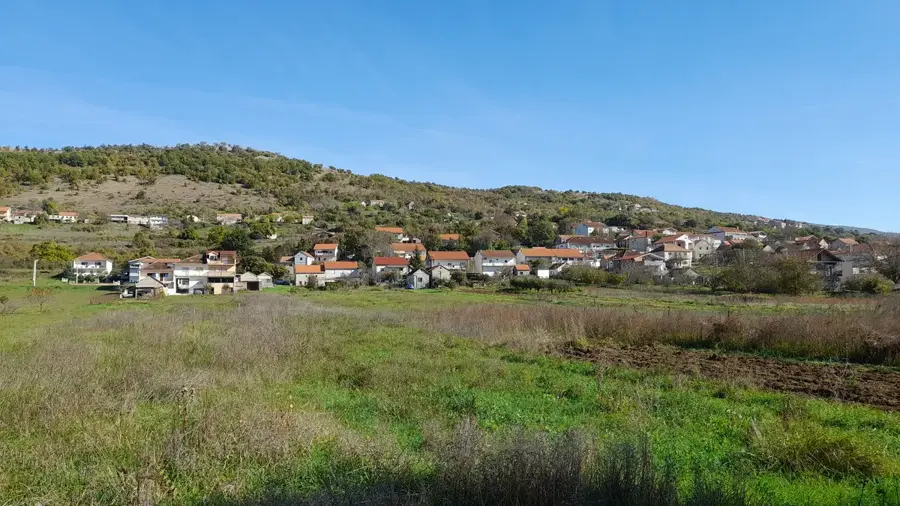
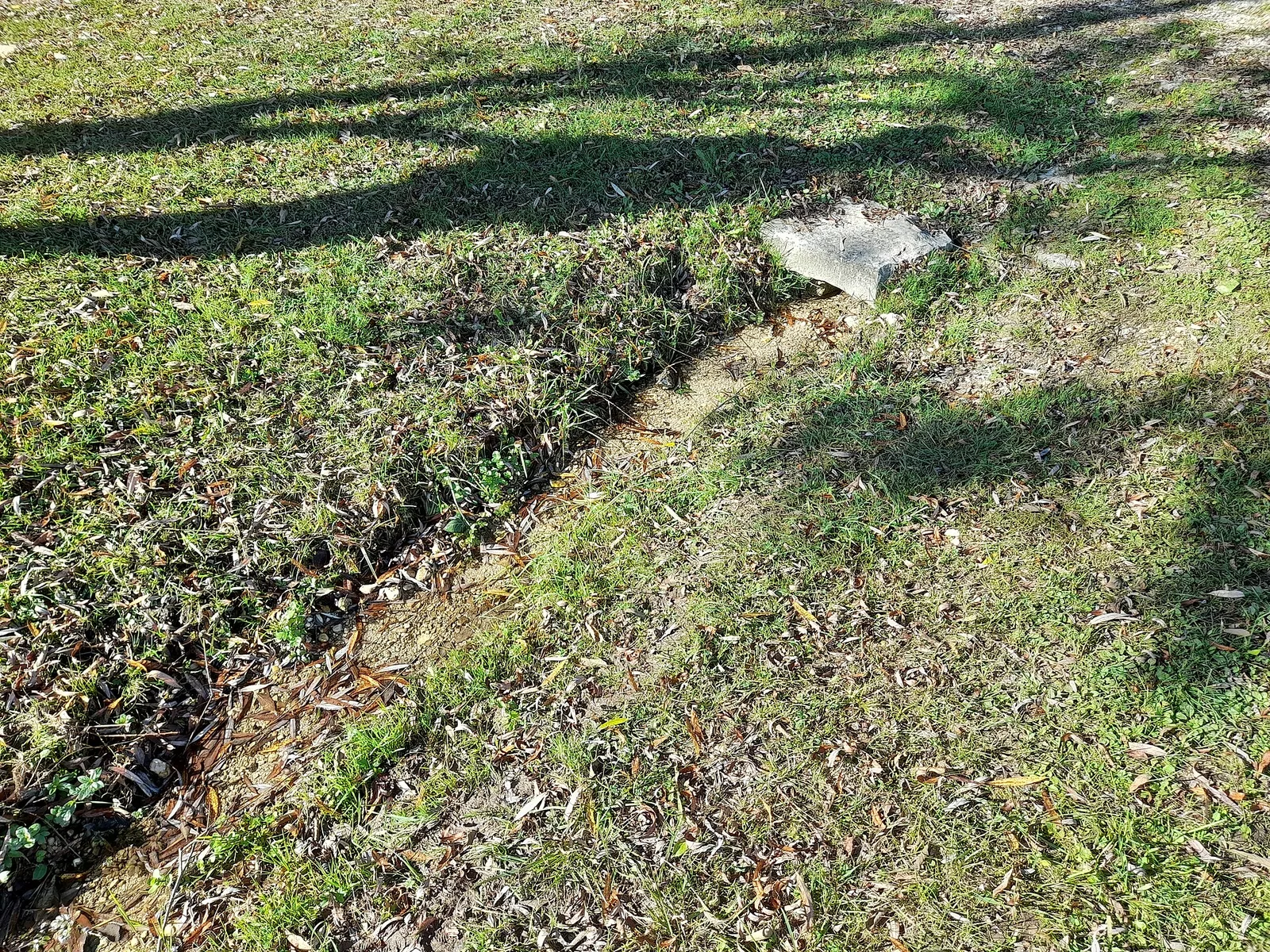
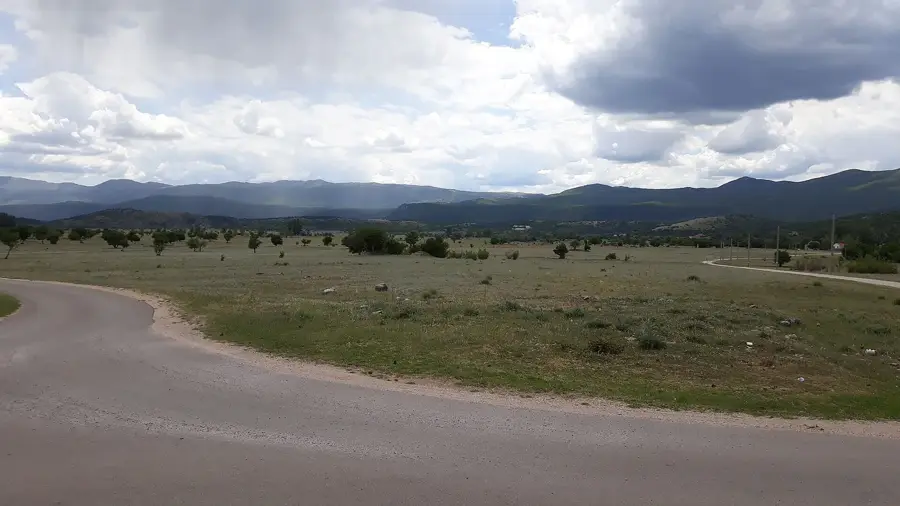
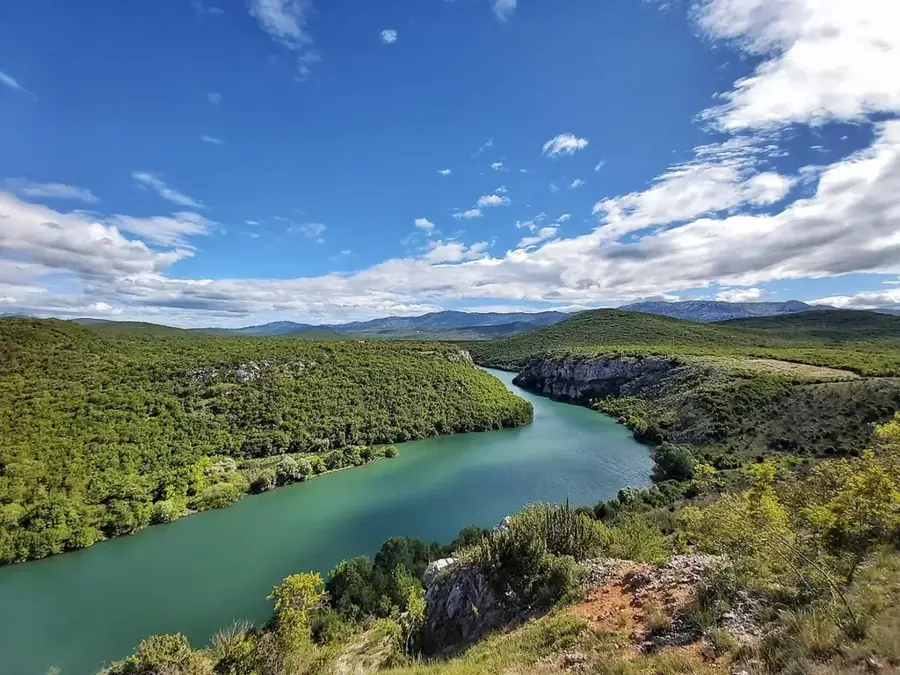
Civljane is known as the smallest municipality in Croatia, located in the Šibenik-Knin County at the base of the Dinara mountains. This remote village is situated in a dramatic karst landscape and is home to one of Croatia's most famous natural wonders: the source of the Cetina river. The Glavaš spring, with its deep turquoise color, is often called 'the eye of the earth' and is for nature enthusiasts. The area holds immense historical value, notably featuring the 9th-century Church of the Holy Salvation (sv. Spas). This is one of the best-preserved pre-Romanesque monuments in the country, surrounded by a large medieval cemetery with unique 'stećci' tombstones. Civljane has an authentic look into the past, where the rugged terrain has shaped the resilient lifestyle of its few inhabitants. It is a popular base for hikers aiming for the summit of Dinara, the highest peak in Croatia. The vast, open fields and mountainous backdrop provide endless opportunities for photography and quiet contemplation. Visiting Civljane means stepping away from the modern world and immersing oneself in the raw beauty and deep history of the Dalmatian hinterland.
- Location: Croatia
- Nearby: Kijevo (5 km)
- Population: ~171
Best time to visit & climate
The most pleasant time to visit is Jun–Aug.
| Jan | Feb | Mar | Apr | May | Jun | Jul | Aug | Sep | Oct | Nov | Dec | |
|---|---|---|---|---|---|---|---|---|---|---|---|---|
| Avg °C | 1 | 2 | 6 | 10 | 15 | 19 | 22 | 22 | 17 | 12 | 8 | 3 |
| Rain mm | 91 | 86 | 74 | 70 | 69 | 59 | 39 | 52 | 95 | 94 | 125 | 110 |
Geography
Facts
- Smallest municipality in Croatia
- Source of Cetina river (Glavaš)
- Church of Holy Salvation (9th c.)
- At the foot of Dinara mountain
- Medieval 'stećci' tombstones
- The Eye of the Earth spring
- Authentic rural traditions
- Untouched karst nature
Explore nearby
Notable places around
Route planner — Car & Motorhome
Where do you start? We build the route here, with stops and country notes along the way.
© OpenStreetMap contributors · OpenRouteService
Frequently asked questions
Where is Civljane located?
What is the most famous sight nearby?
Are there historic churches in Civljane?
Can you swim in the Cetina source lake?
What activities are available for nature lovers?
Civljane: where is it located?
Civljane: when is the best time to visit?
Civljane: why is it worth visiting?

Nearby cities