Plizio Visual Lab
Cetina
ℹ️Practical info — Cetina
▾
🌤 Weather — 5 days
📍 Nearby
Sights nearby
💡 Tips
- Visit the spring at noon on a sunny day for the most animated turquoise and blue colors.
- Climb the hill behind the Orthodox church for the iconic aerial 'Eye of the Earth' view.
- The water is freezing (4-8°C) year-round; it's mostly for quick dips or the very brave.
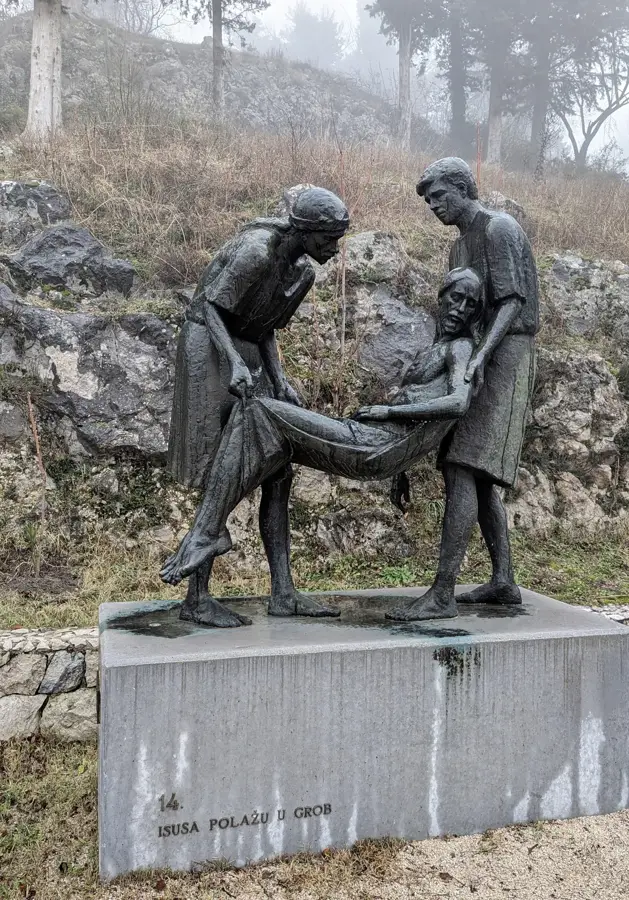
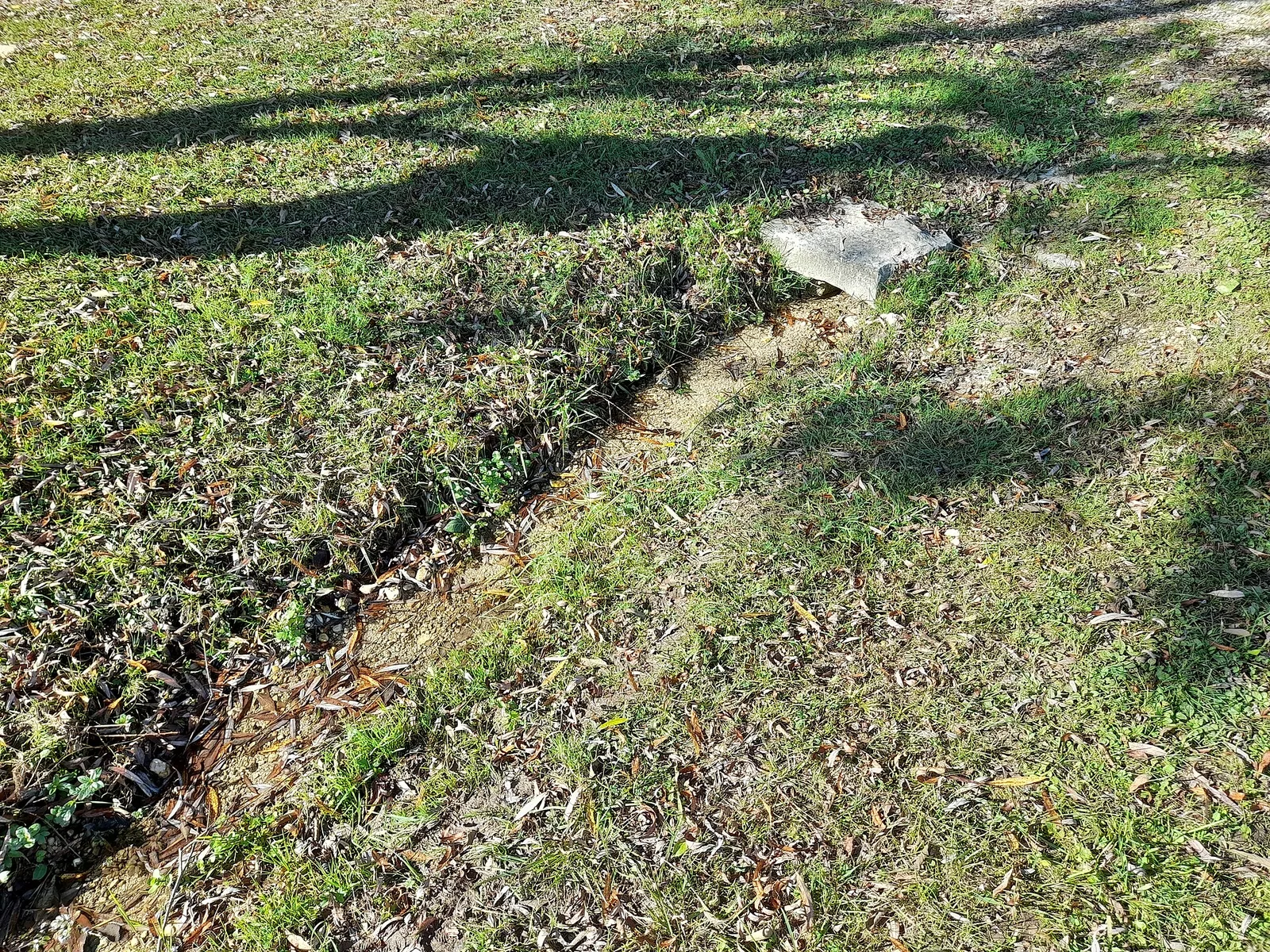
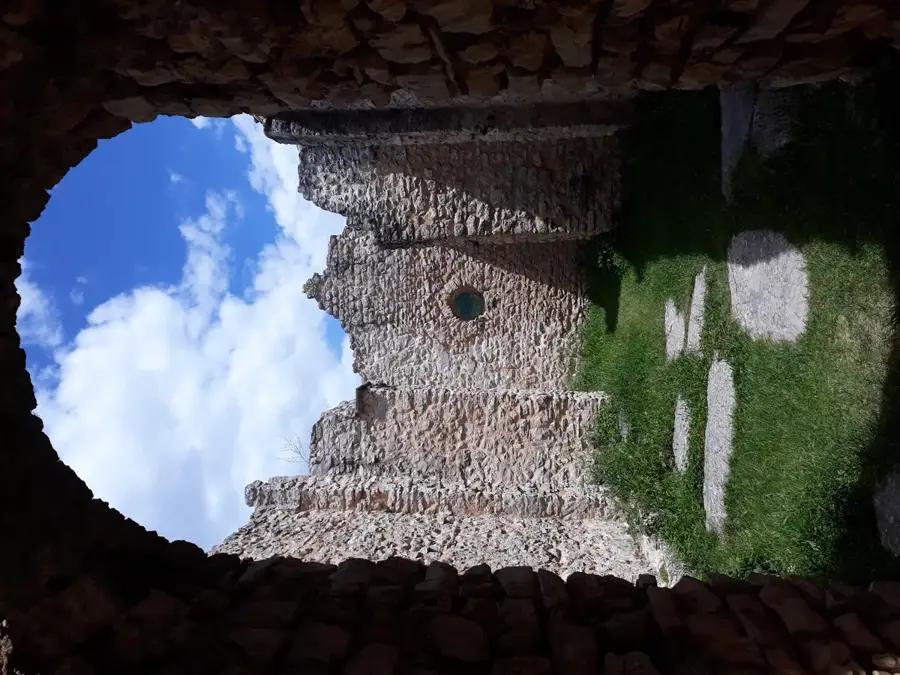
- Explore the medieval tombstones (stećci) near the 9th-century Holy Salvation church ruins.
- Bring a picnic and supplies as there are no shops or restaurants directly at the spring.
🍽 Food
Traditional fried dough pieces, best tried at Restaurant Ero in the nearby town of Vrlika.
Look for roadside restaurants towards Knin for traditional spit-roasted lamb.
Buy homemade sheep or goat cheese at Vrlika or Knin markets for a lakeside picnic.
🛍 Shopping · 🧘 Quiet spots
Buy local honey, mountain herbs, and traditional handicrafts from the Vrlika area.
A larger market offering a wide range of fresh produce from the Dalmatian hinterland.
A smaller and much quieter secondary spring of the Cetina river, handy for solitude.
A massive reservoir nearby with many quiet spots for swimming or renting a kayak.
15th-century ruins above Vrlika offering panoramic views of the entire valley.
Water temperature…
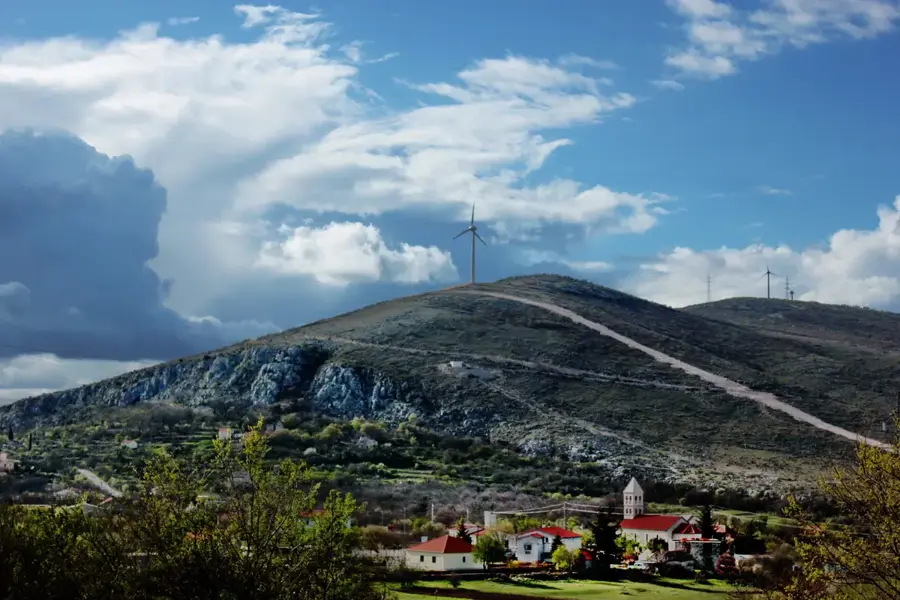
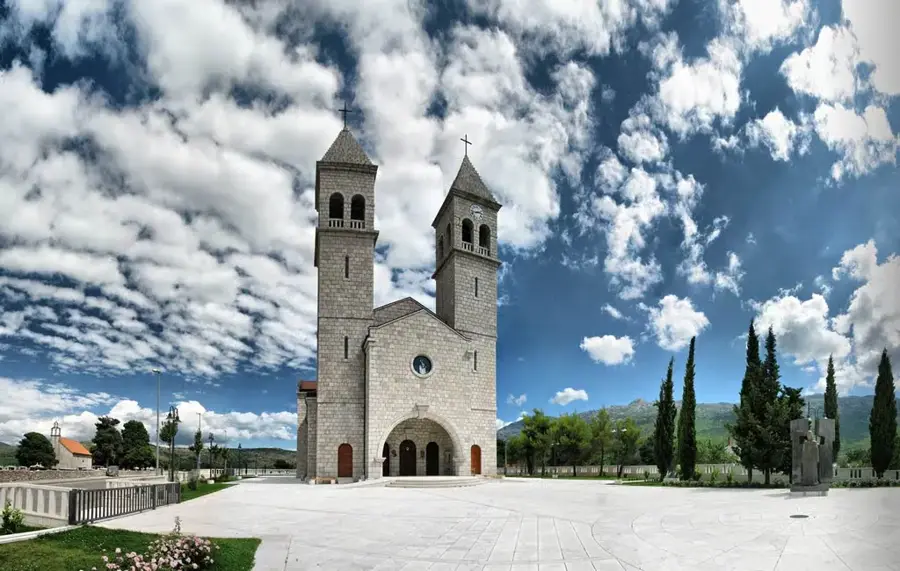
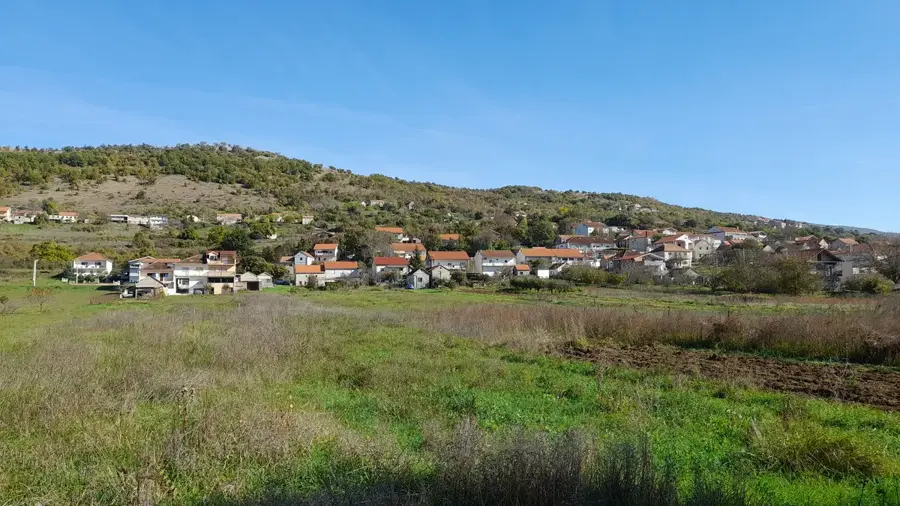
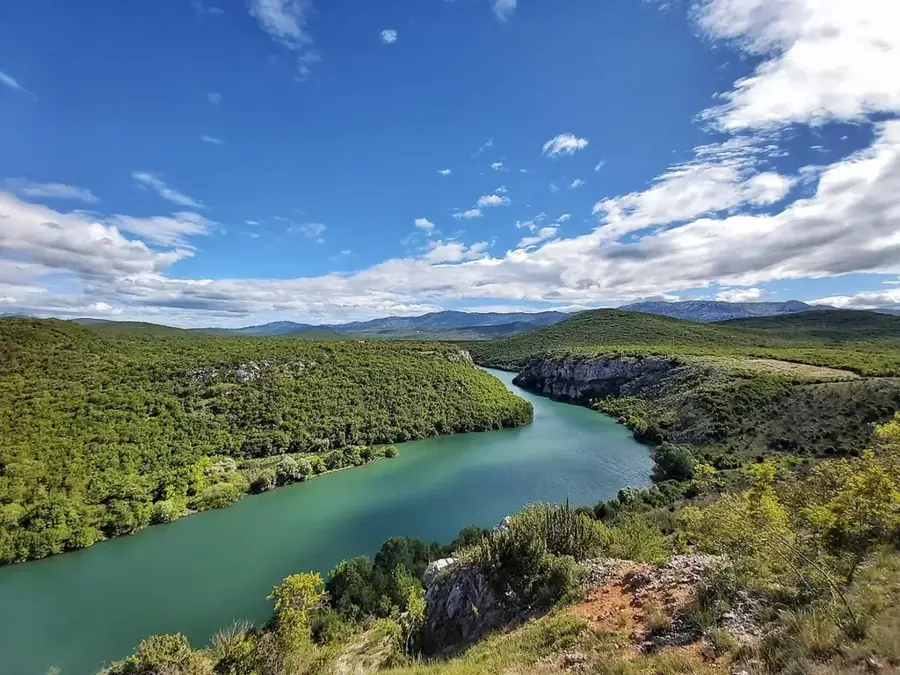
The village of Cetina is located at the foot of the Dinara Mountains and is famous for the source of the river of the same name. The main spring, Glavaš, is a deep karst phenomenon with intense blue-green water, often referred to as the 'Eye of the Earth' due to its shape. Divers have explored the spring to a depth of over 115 meters. Besides the natural wonder, the village hosts one of Croatia's most significant archaeological sites: the ruins of the Church of the Holy Savior (Crkva sv. Spasa) from the 9th century. It is one of the best-preserved churches from the pre-Romanesque Croatian architectural period. Surrounding the church is a large medieval cemetery with impressive stone tombstones (stećci). The landscape is rugged and impressive, dominated by Croatia's highest mountain, Dinara. Visitors come here to enjoy untouched nature, explore the historical significance of the site, and find spiritual peace at the river's source. Access is easy from the town of Vrlika.
- Location: Croatia
- Top sights: Church of Holy Salvation · Vukovića vrilo · Pločasti most
- Nearby: Ježević (5 km)
- Population: ~124
Best time to visit & climate
The most pleasant time to visit is Jun–Aug.
| Jan | Feb | Mar | Apr | May | Jun | Jul | Aug | Sep | Oct | Nov | Dec | |
|---|---|---|---|---|---|---|---|---|---|---|---|---|
| Avg °C | 1 | 2 | 6 | 10 | 15 | 19 | 22 | 22 | 17 | 12 | 8 | 3 |
| Rain mm | 91 | 86 | 74 | 70 | 69 | 59 | 39 | 52 | 95 | 94 | 125 | 110 |
Geography
Facts
- Eye of the Earth spring
- Glavaš karst spring
- St. Savior Church (9th c.)
- Medieval Stećci tombs
- Foot of Dinara Mountain
- Depth over 115 meters
- Pre-Romanesque architecture
- Cetina River origin
Explore nearby
Notable places around
Route planner — Car & Motorhome
Where do you start? We build the route here, with stops and country notes along the way.
© OpenStreetMap contributors · OpenRouteService
Sights in the town Cetina (3)
Frequently asked questions
What is the 'Eye of the Earth'?
Are there historical ruins?
Is swimming allowed in the spring?
How is the access?
When is the best time for photos?
Cetina: where is it located?
Cetina: what is there to see?
Cetina: when is the best time to visit?
Cetina: why is it worth visiting?

Nearby cities