Plizio Visual Lab

Nouabalé-Ndoki National Park
Plizio editorial teamData Sources
Forest
—°
Nouabalé-Ndoki National Park (Congo - Brazzaville)

Weather…

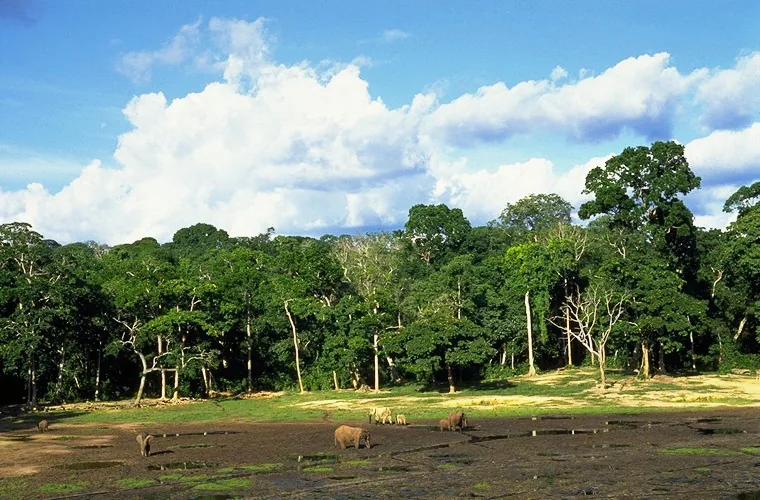
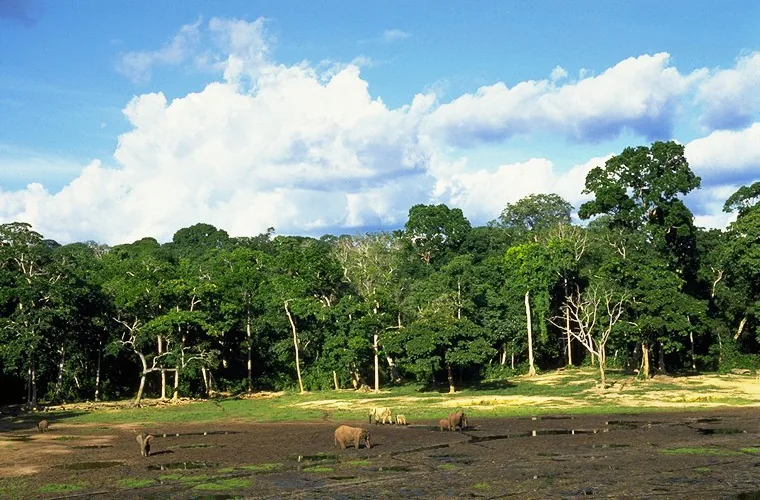
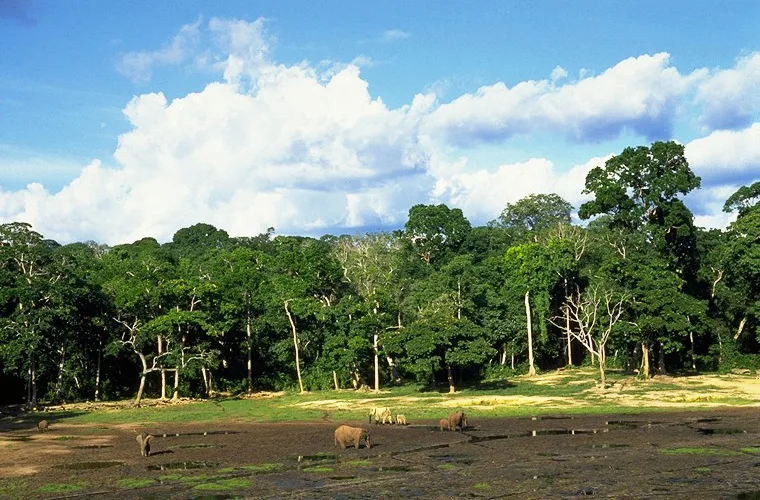
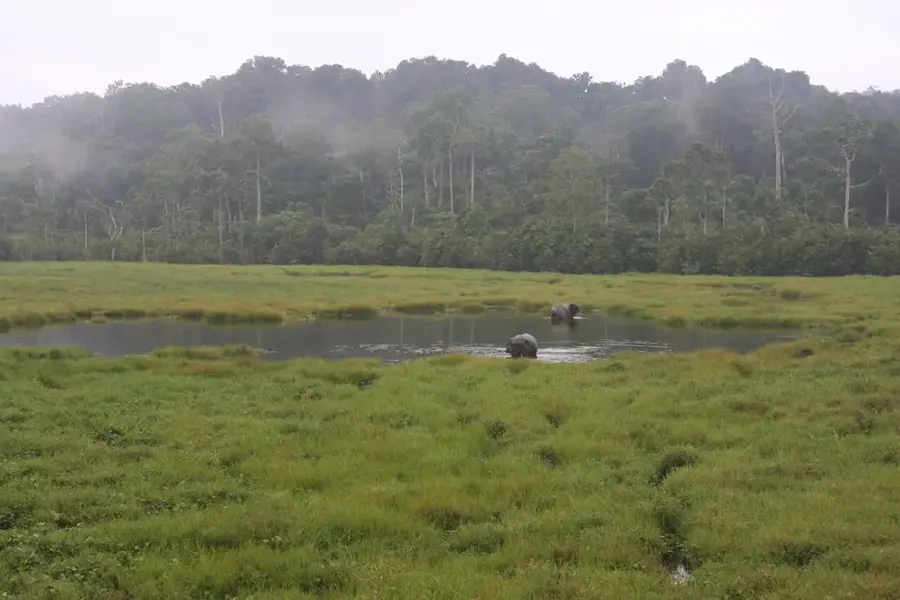
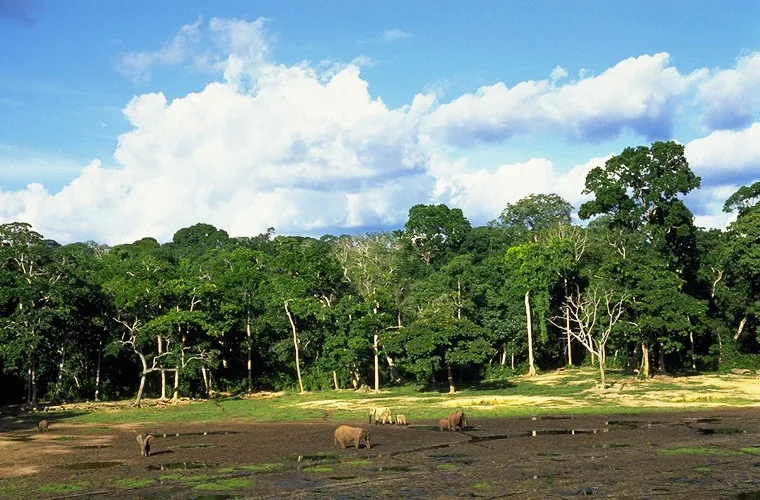
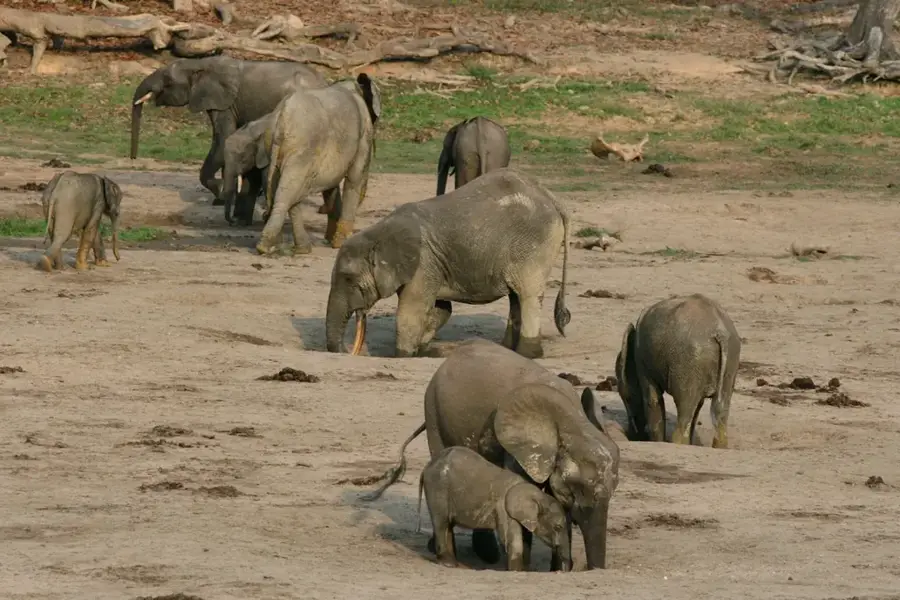
Nouabalé-Ndoki National Park, established in 1993, is widely regarded as one of the most pristine tropical rainforests remaining on Earth. Located in the far north of the Republic of the Congo, it covers nearly 4,000 square kilometers of wilderness. The park is a key component of the Sangha Trinational UNESCO World Heritage site and is notable for having no human inhabitants or permanent infrastructure within its borders. Because of its extreme isolation, many animals, such as chimpanzees and gorillas, exhibit little fear of humans, providing scientists with extraordinary opportunities for behavioral study. A major highlight is Mbeli Bai, a swampy clearing where large gatherings of western lowland gorillas and forest elephants are frequently documented. The forest canopy is dominated by ancient mahogany and limba trees reaching heights of 60 meters. The park stands as a global symbol for successful biodiversity conservation in Central Africa.

Best time to visit & climate

The most pleasant time to visit is Jan, Feb, Dec.

JanFebMarAprMayJunJulAugSepOctNovDec
Avg °C262726262525252424242525
Rain mm388015015416214913417722324715061

📋 Practical info

🧭
Getting there
The park is extremely remote and is typically accessed via charter flights from Brazzaville to Kabo or Bomassa, followed by journeys in motorized pirogues and 4x4 vehicles. Organization is highly complex and done almost exclusively through officially approved safari or research camps in advance.
📅
Best season
The dry seasons from December to February and June to August are considered the absolute best phases for observing wildlife in the forest clearings (bais) and moving around. Outside these specific months, extreme rainfall and extensive flooding make expedition logistics significantly harder.
⛰️
Terrain & paths
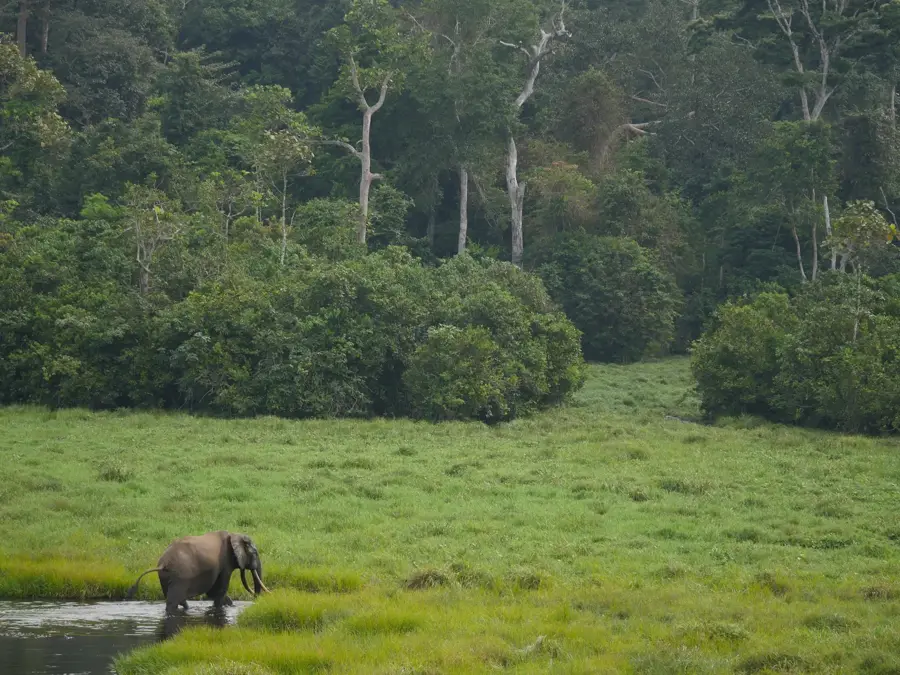
The terrain is an untouched, extremely dense primary rainforest, frequently broken up by large, swampy clearings known as bais. Movement is purely on foot along narrow, damp animal trails or on the water, and hiking through the thick undergrowth is physically very demanding for anyone.
🎒
What to bring
High-quality rubber boots or specialized jungle shoes are absolutely essential for the perpetually wet soils. You will also need robust, muted-color tropical clothing, strong binoculars for wildlife observation, extremely effective insect repellent, and special waterproof gear bags.
🅿️
Parking
Private vehicles have absolutely no place in this deeply untouched wilderness. All transport within the park and its buffer zones is entirely organized and managed by the park administration or the official camp operators using their own specialized vehicles and robust motorized boats.
⚠️
Safety
The presence of wild forest elephants, gorillas, and leopards requires absolute adherence to the strict instructions of the armed rangers who accompany every guest. The malaria risk is severe, and in the event of a medical emergency, evacuation from the deep forest is extremely time-consuming.
⏱️
Time needed
Due to the highly complex logistics and extreme remoteness, a visit typically requires a stay of at least five to ten full days spanning various established camps. Shorter stays simply do not justify the high travel costs or the lengthy, strenuous journey to reach the deep north.

Geography

Coordinates
2.50000, 16.50000

Facts

  • The national park was officially established in 1993.
  • The total protected area is exactly 3,921 square kilometers.
  • Included in the UNESCO World Heritage list in 2012.
  • The park is home to over 300 different bird species.
  • Mbeli Bai is a 13-hectare swamp clearing within the park.
  • There are no permanent human settlements inside the park.

Explore nearby

Notable places around
Route planner — Car & Motorhome

Where do you start? We build the route here, with stops and country notes along the way.

Vehicle
Only stops with (optional):

© OpenStreetMap contributors · OpenRouteService

Sights nearby

Frequently asked questions

Why is the Nouabalé-Ndoki forest so special?
It is considered one of Africa's ecosystems least influenced by humans and is a World Heritage site.
Are there elephants there?
Yes, the park protects significant populations of forest elephants, often seen at forest clearings (Baïs).
Is the park suitable for mass tourism?
No, access is strictly regulated and expensive, ensuring the preservation of the pristine wilderness.
What is the climate like there?
Hot and extremely humid (tropical), with frequent rainfall throughout the year.
Can you see chimpanzees?
Yes, besides gorillas, the forest also hosts chimpanzee populations, though they are harder to spot.
Nouabalé-Ndoki National Park: where is it located?
Nouabalé-Ndoki National Park is located in Congo - Brazzaville.
Nouabalé-Ndoki National Park: when is the best time to visit?
The most pleasant time to visit is Jan, Feb, Dec.
Nouabalé-Ndoki National Park: why is it worth visiting?

Nouabalé-Ndoki National Park, established in 1993, is widely regarded as one of the most pristine tropical rainforests remaining on Earth.
View on map → The Top 50 Attractions → OpenStreetMap →
Africa
Explore with Plizio Discover more places in Africa
More places in Congo - Brazzaville →

Nearby cities

History & landmarks

Nature
More places