Plizio Visual Lab
Maki Forest Area
Weather…
Water temperature…
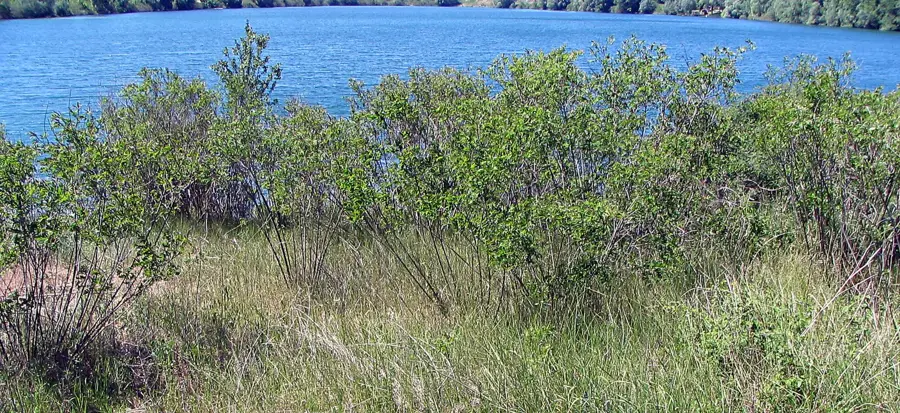
The Maki Forest Area on Mohéli Island is one of the most significant ecological sanctuaries in the Comoros. Stretching across the central highland regions of the smallest main island, it is characterized by an exceptionally high density of endemic species. The area is most notably famous for being the primary habitat of the Livingstone's fruit bat, one of the world's largest and rarest bat species, which can reach a wingspan of up to 1.4 meters. This dense tropical rainforest plays a critical role in the island's hydrological balance, filtering rainfall and feeding the streams that supply the coastal villages. Despite conservation efforts, the ecosystem faces ongoing threats from agricultural expansion, particularly for vanilla and clove plantations. In recent decades, reforestation programs and sustainable ecotourism initiatives have been launched to preserve this unique flora and fauna while supporting the local economy through responsible environmental management.
Best time to visit & climate
The most pleasant time to visit is Feb, Mar, Dec.
| Jan | Feb | Mar | Apr | May | Jun | Jul | Aug | Sep | Oct | Nov | Dec | |
|---|---|---|---|---|---|---|---|---|---|---|---|---|
| Avg °C | 10 | 11 | 10 | 10 | 9 | 8 | 8 | 7 | 7 | 8 | 9 | 10 |
| Rain mm | 88 | 65 | 87 | 88 | 114 | 104 | 95 | 92 | 81 | 65 | 59 | 68 |
📋 Practical info
Geography
Facts
- Home to the rare Livingstone's fruit bat with a 1.4m wingspan
- Crucial watershed area providing fresh water to Mohéli villages
- Rich in endemic species found nowhere else in the world
- Subject to intensive reforestation efforts since the late 1990s
- Contains significant plantations of ylang-ylang and cloves
- The forest reaches elevations of approximately 790 meters
Explore nearby
Notable places around



Route planner — Car & Motorhome
Where do you start? We build the route here, with stops and country notes along the way.
© OpenStreetMap contributors · OpenRouteService
Sights nearby
Frequently asked questions
What does 'Maki' mean in the forest's name?
Can you see lemurs there?
Where is this forest area located?
Is the forest developed for tourism?
What should be worn?
Maki Forest Area: where is it located?
Maki Forest Area: when is the best time to visit?
Maki Forest Area: why is it worth visiting?

Nearby cities



History & landmarks

Nature
More places