Plizio Visual Lab
Fomboni
ℹ️Practical info — Fomboni
▾
🌤 Weather — 5 days
📍 Nearby
Sights nearby
💡 Tips
- Respect Islamic dress codes; shoulders and knees should be covered when walking in town.
- Bring enough cash, as ATMs on Mohéli island can be unreliable.
- Life here has a very slow pace; don't expect services to run strictly on time.
- Use Fomboni as your base for exploring the nearby Mohéli Marine Park.
🍽 Food
Enjoy freshly caught lobster, frequently served at the small seaside restaurants.
A traditional Comorian dish where fish or meat is cooked in a rich coconut milk sauce.
A spiced rice dish cooked with beef or chicken, showing the culinary influence of the Indian Ocean.
🛍 Shopping · 🧘 Quiet spots
Buy fresh spices, vanilla, and the famous ylang-ylang essential oil.
Look for woven baskets and simple wood carvings at the street markets.
An unspoiled stretch of beach right in the town for a peaceful stroll.
Watch the traditional fishing boats (dhows) arrive quietly in the late afternoon.
Water temperature…
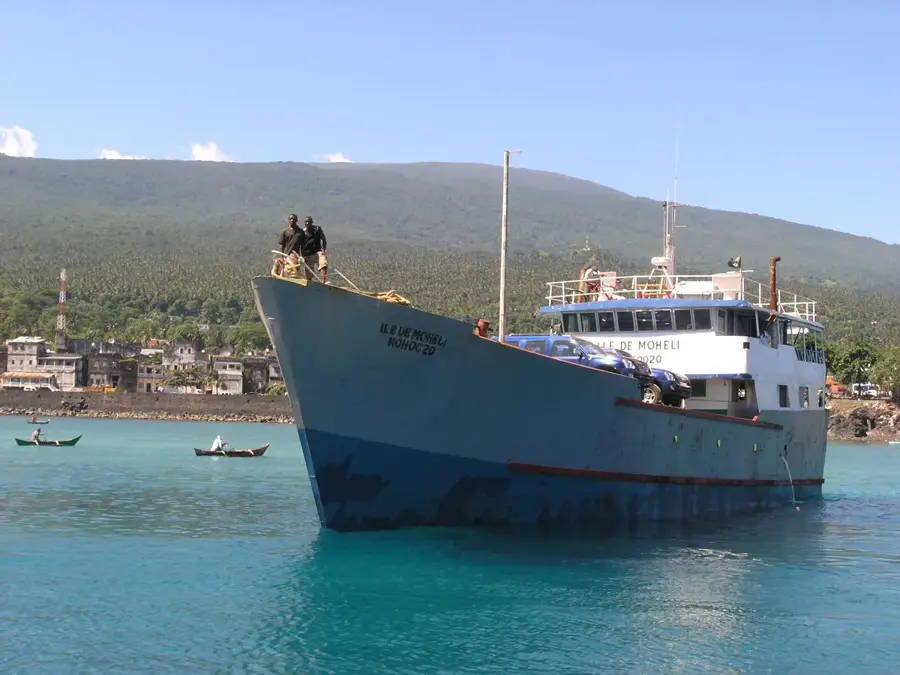
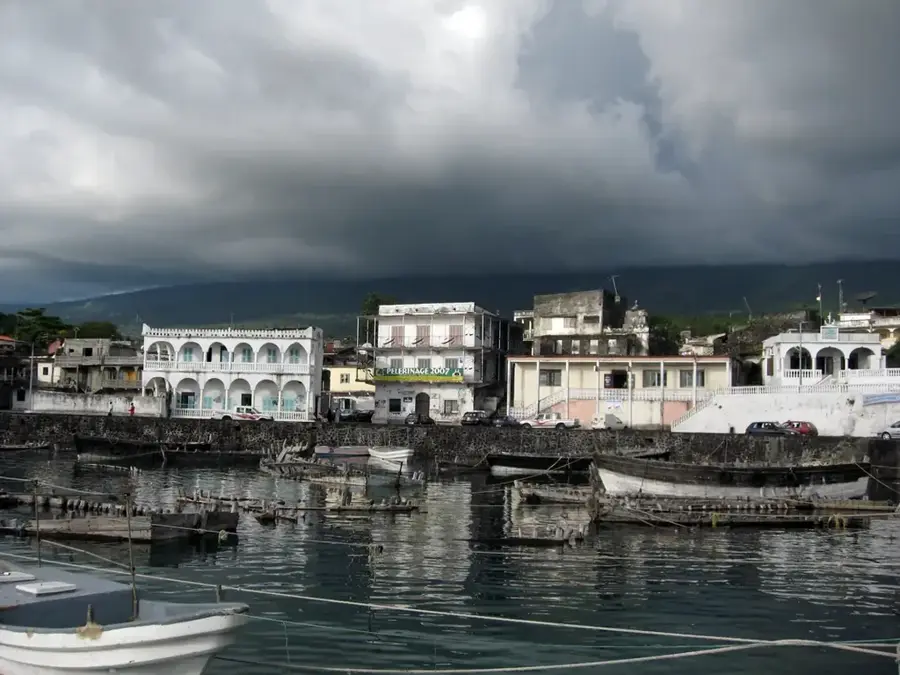
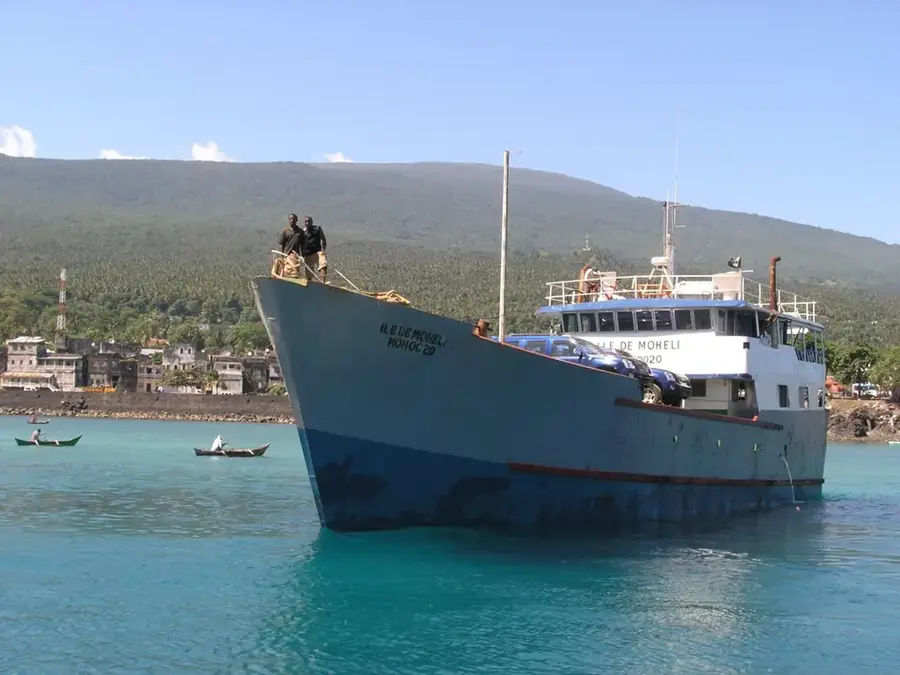
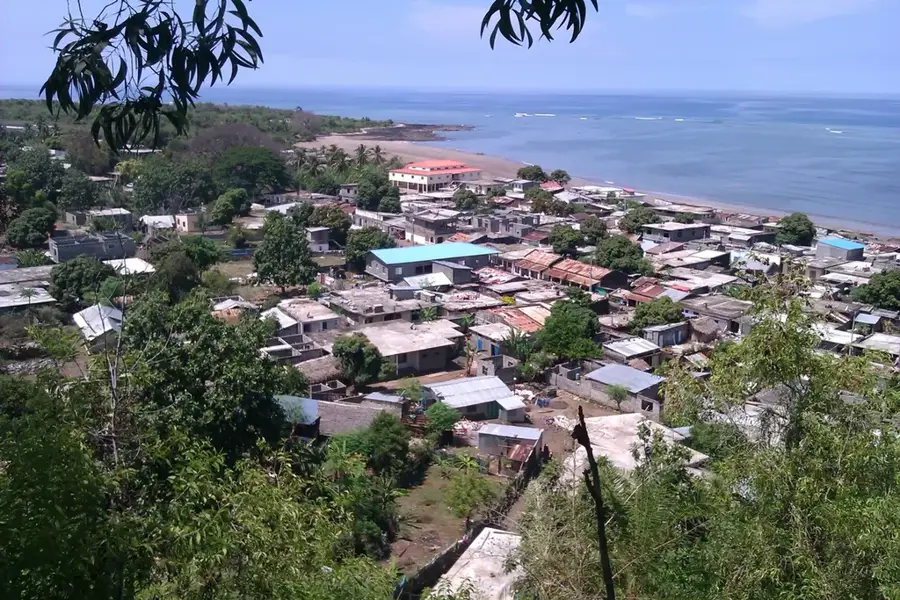
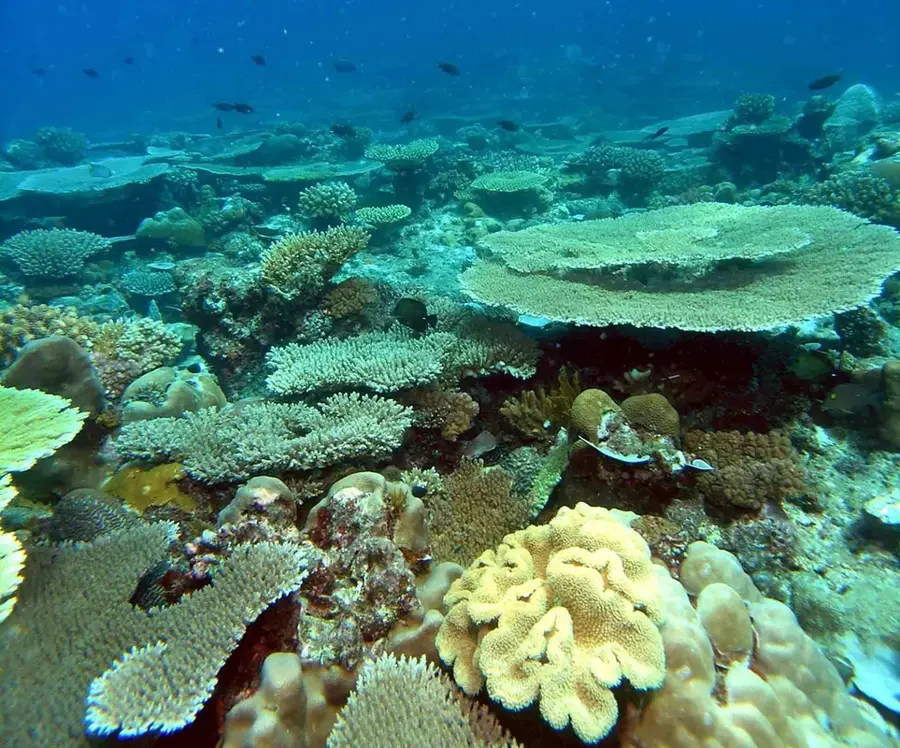
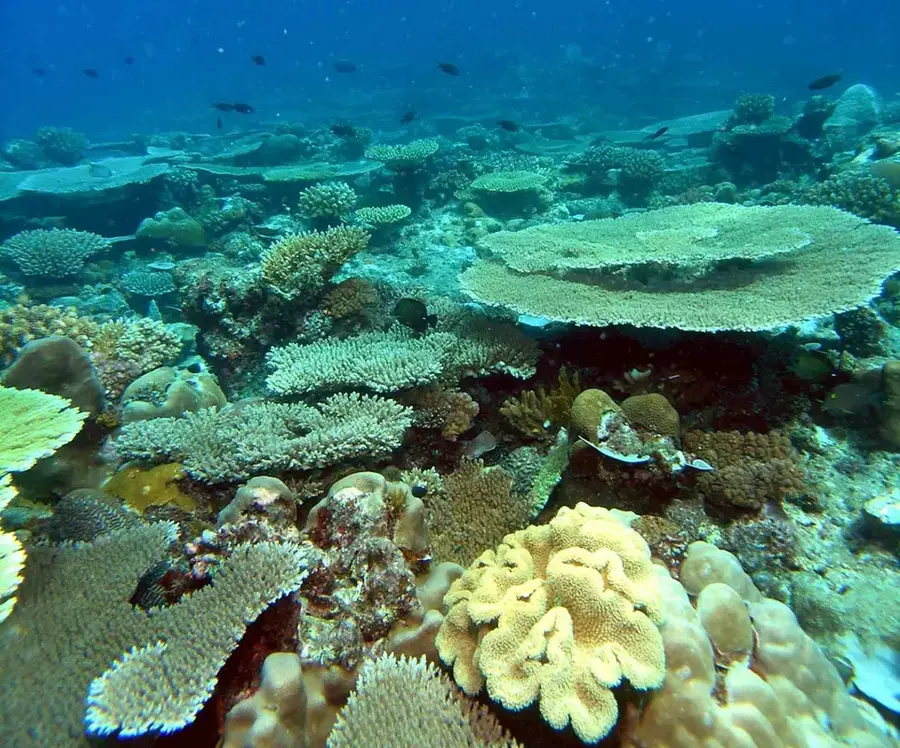
Fomboni is the serene capital of Mohéli, the smallest of the three major islands in the Union of the Comoros. Positioned on the island's northern coast, it serves as the administrative, political, and commercial heart of Mohéli, despite its relatively small size and village-like atmosphere. The city's layout is straightforward, centered around a main coastal road that hosts the island's markets, small banks, and government offices. Unlike the more urbanized Moroni, Fomboni has a glimpse into a traditional, slower-paced way of life where the rhythm of the day is dictated by the sea and the agricultural seasons. The local economy is driven by the production and export of high-value agricultural goods, including vanilla, cloves, and ylang-ylang oil, which is a key ingredient in global perfumery. Fomboni is also the primary gateway for those visiting the Mohéli Marine Park, the nation's first protected marine area, renowned for its dugongs, whales, and nesting green sea turtles. The city's modest port facilitates the movement of goods between islands, though it is limited to smaller vessels. Cultural life in Fomboni is deeply intertwined with Islamic traditions, and the community is known for its hospitality and tight-knit social fabric. While the infrastructure remains basic, the town's proximity to Bandar Es Eslam Airport ensures vital connectivity to the rest of the archipelago. Surrounded by lush tropical vegetation and pristine coastlines, Fomboni is a destination for eco-conscious travelers seeking authenticity and a deep connection with nature. Its role as a quiet capital underscores the island's commitment to preserving its unique biological and cultural heritage.
- Location: Comoros
- Nearby: Wanani (5 km)
- Population: ~17.291 (2026)
Best time to visit & climate
The most pleasant time to visit is Jul–Sep.
| Jan | Feb | Mar | Apr | May | Jun | Jul | Aug | Sep | Oct | Nov | Dec | |
|---|---|---|---|---|---|---|---|---|---|---|---|---|
| Avg °C | 28 | 28 | 28 | 28 | 27 | 26 | 25 | 25 | 25 | 26 | 27 | 28 |
| Rain mm | 221 | 156 | 140 | 99 | 45 | 30 | 25 | 17 | 14 | 24 | 42 | 96 |
Geography
Facts
- Fomboni is the largest settlement on the island of Mohéli.
- The population is approximately 19,000 residents.
- Serves as the main hub for the Mohéli Marine Park.
- The local airport is named Bandar Es Eslam.
- Major exports include ylang-ylang, cloves, and vanilla.
- The city is characterized by single-story colonial-style buildings.
- Located at 12.28°S latitude and 43.74°E longitude.
- It is the smallest capital city within the Comoros union.
Explore nearby
Notable places around


Route planner — Car & Motorhome
Where do you start? We build the route here, with stops and country notes along the way.
© OpenStreetMap contributors · OpenRouteService
Sights in the town Fomboni (1)
Frequently asked questions
What makes Fomboni special?
Can you see turtles from here?
How do you get around the city?
Are there good restaurants?
Is the city family-friendly?
Fomboni: where is it located?
Fomboni: when is the best time to visit?
Fomboni: why is it worth visiting?

Nearby cities


History & landmarks

Nature
More places