Plizio Visual Lab
Dimani

ℹ️Practical info — Dimani
▾
🌤 Weather — 5 days
📍 Nearby
Sights nearby
💡 Tips
- Getting here from Moroni requires taking a bush taxi (taxi-brousse); start your journey early in the day as transport thins out by afternoon.
- The region is strongly traditional and Islamic; women should dress modestly and men should avoid shorts.
- Cash is king; make sure you have enough Comorian francs before leaving the capital.
- Knowledge of basic French or Comorian (Shikomori) is essential, as English is rarely spoken here.
🍽 Food
Ask at local guesthouses if they can prepare this specialty of lobster cooked in a rich vanilla sauce.
Try this slightly sweet, yeast-leavened bread made with coconut milk, often found at small bakeries in the morning.
Buy fresh coconuts from roadside vendors for a safe and refreshing drink.
🛍 Shopping · 🧘 Quiet spots
The Comoros are famous for this essential oil; look for small locally distilled bottles in village shops.
Pick up locally grown vanilla beans, cloves, and nutmeg from village markets.
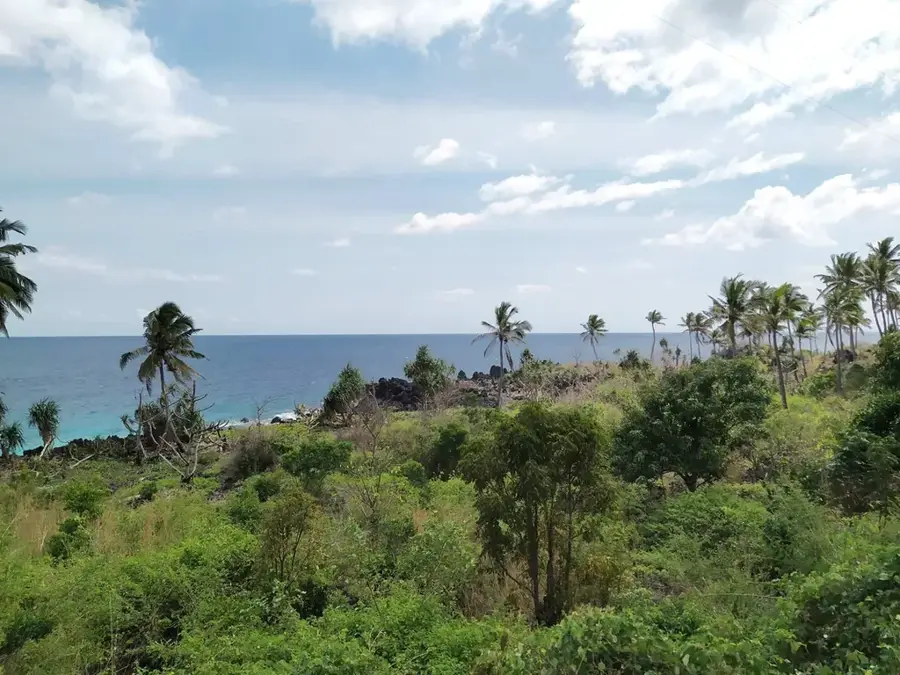
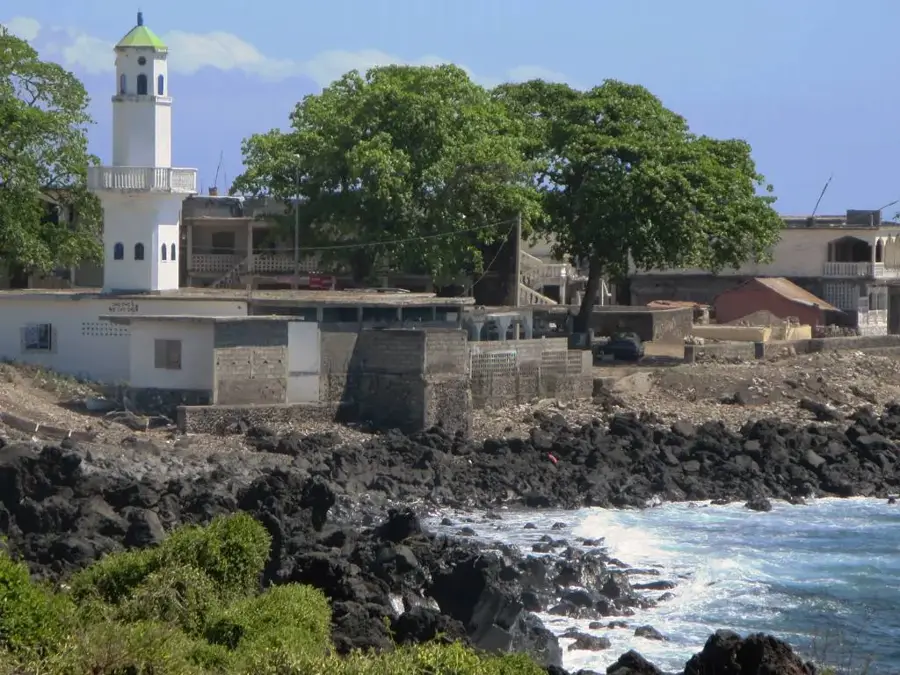
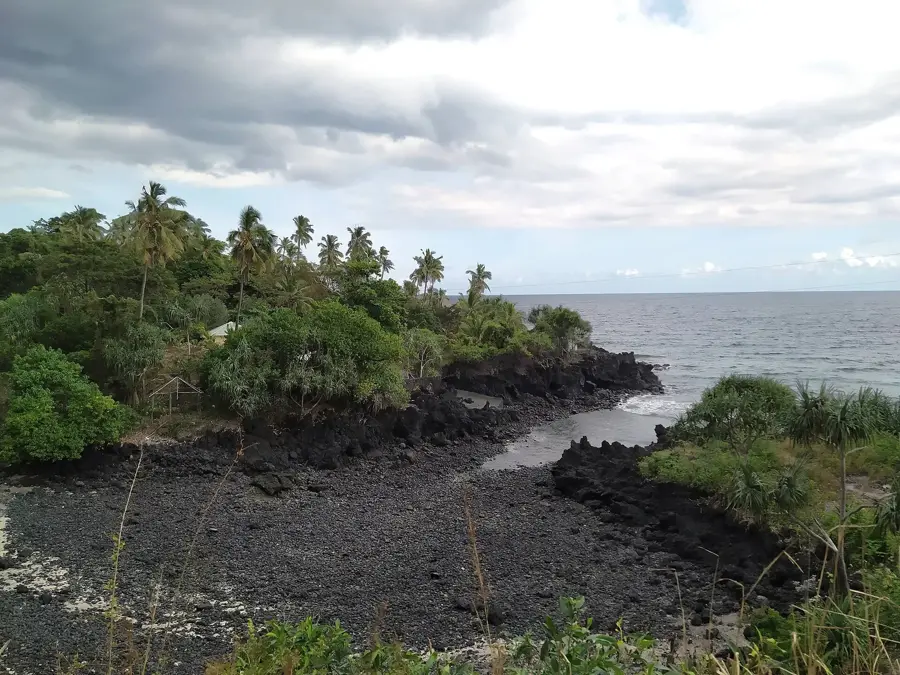
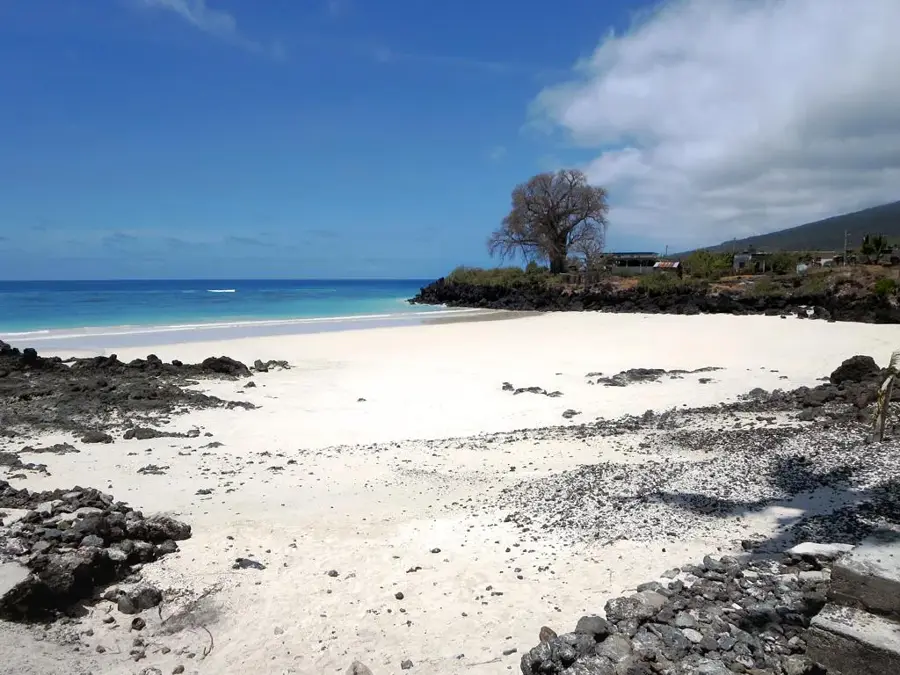
Wander along the rugged, rocky coastline where the volcanic rock meets the ocean for dramatic and empty scenery.
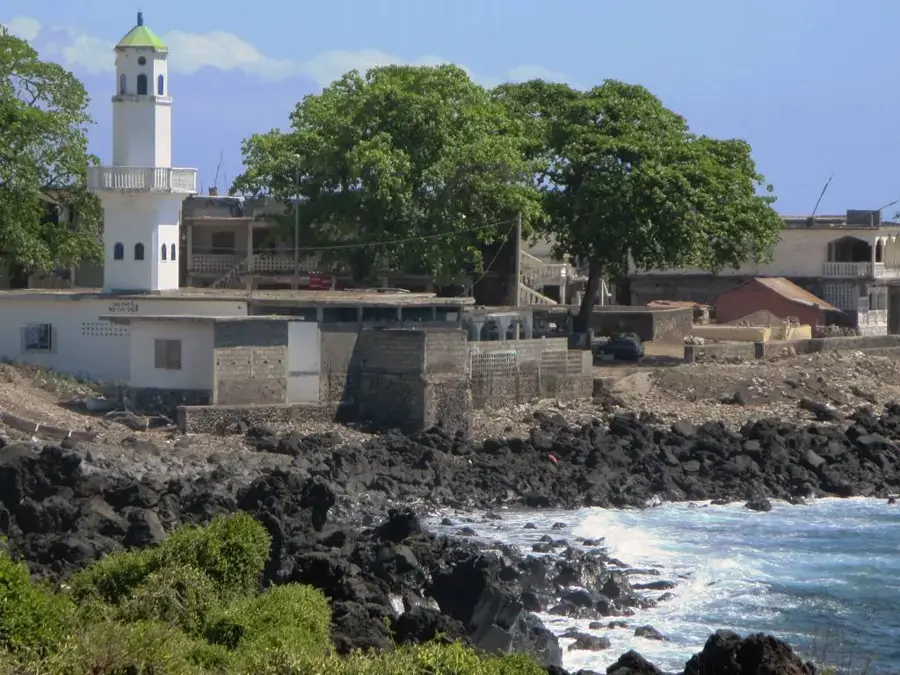
The exterior courtyards of the small, traditional mosques offer shaded, quiet spots (be respectful of prayer times).
Water temperature…
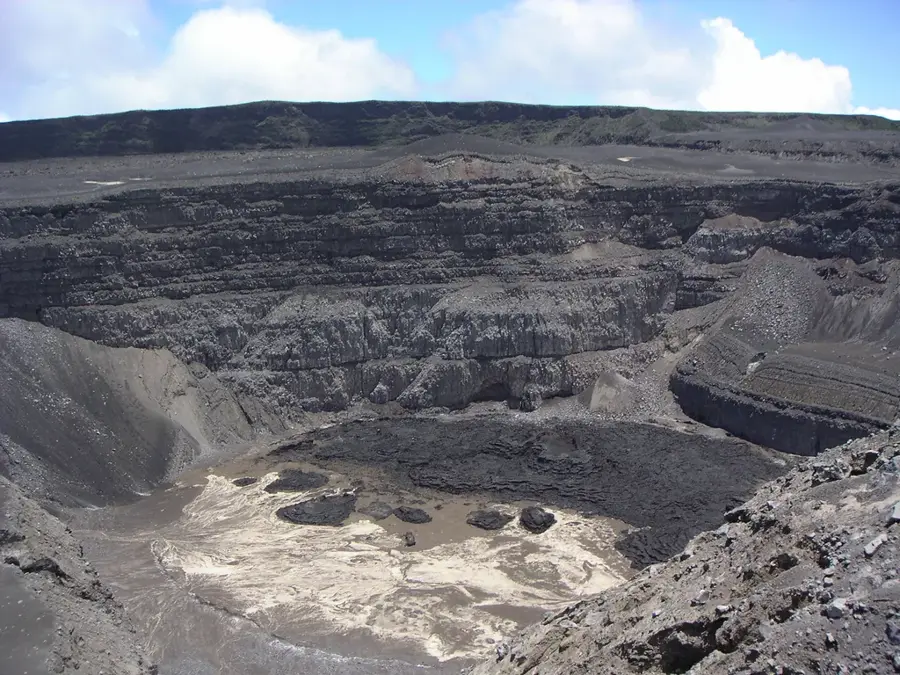
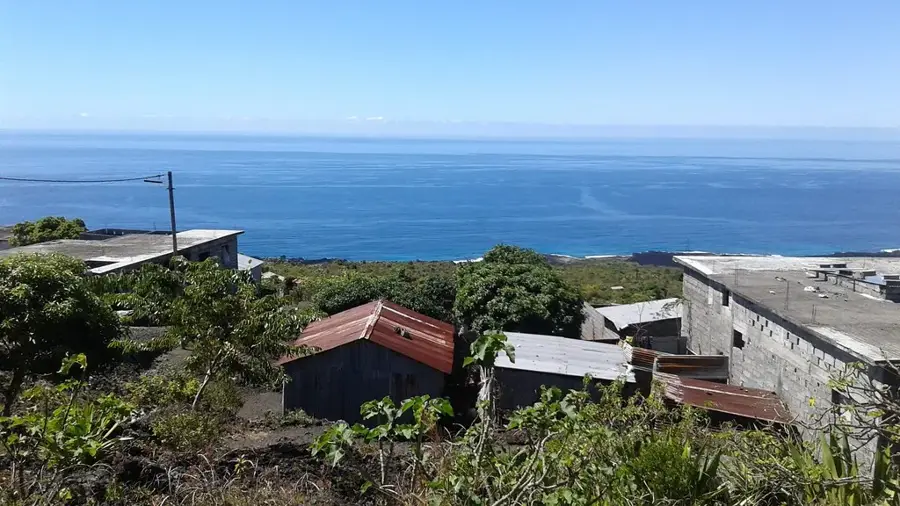
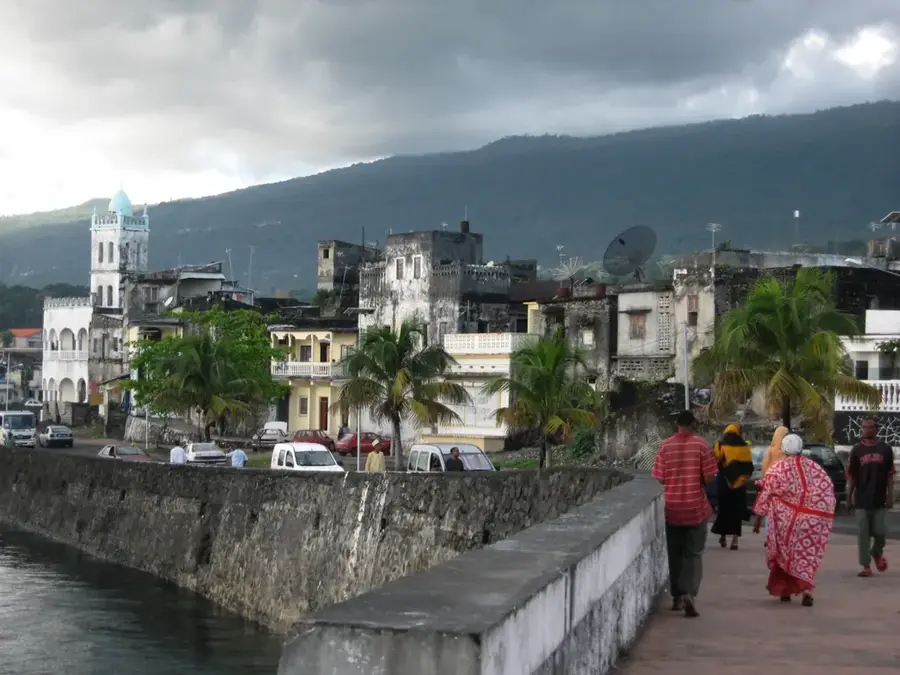
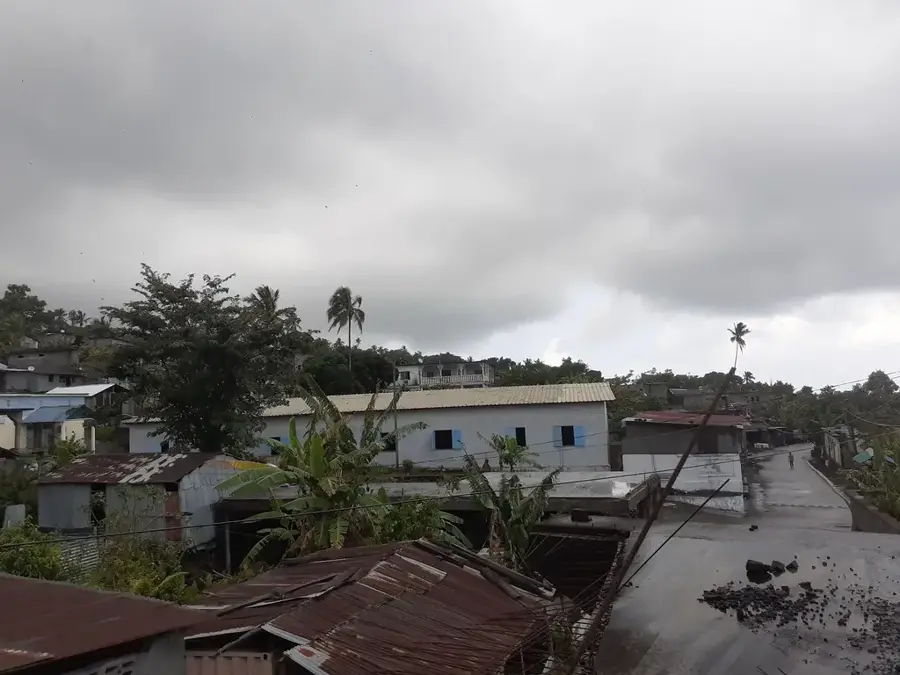
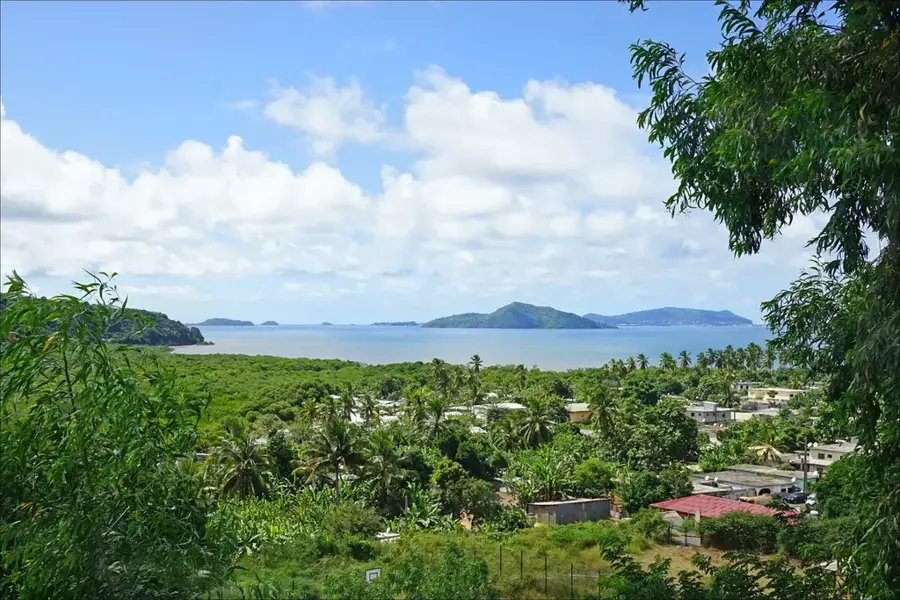
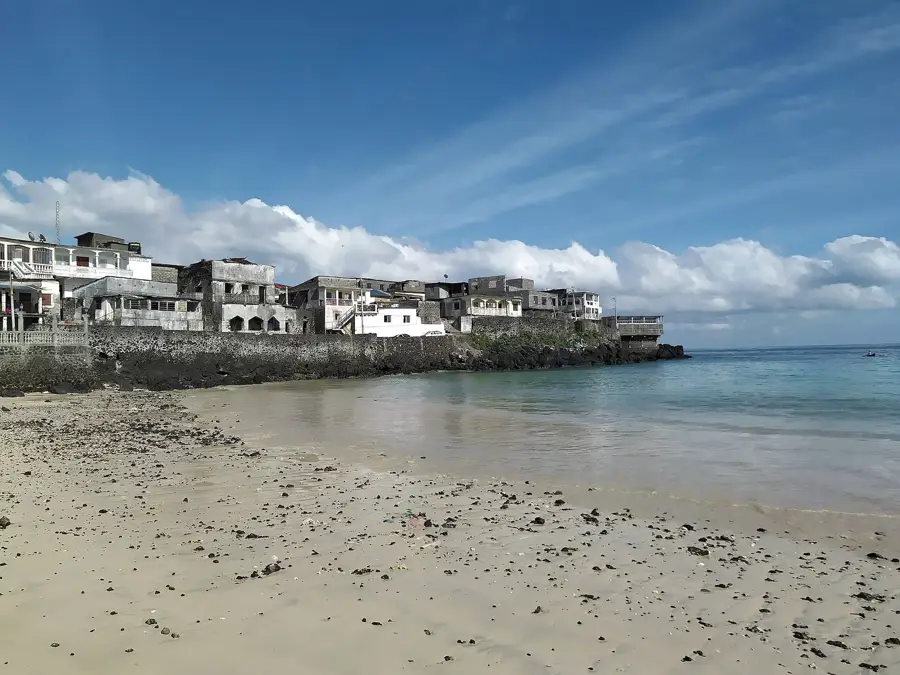
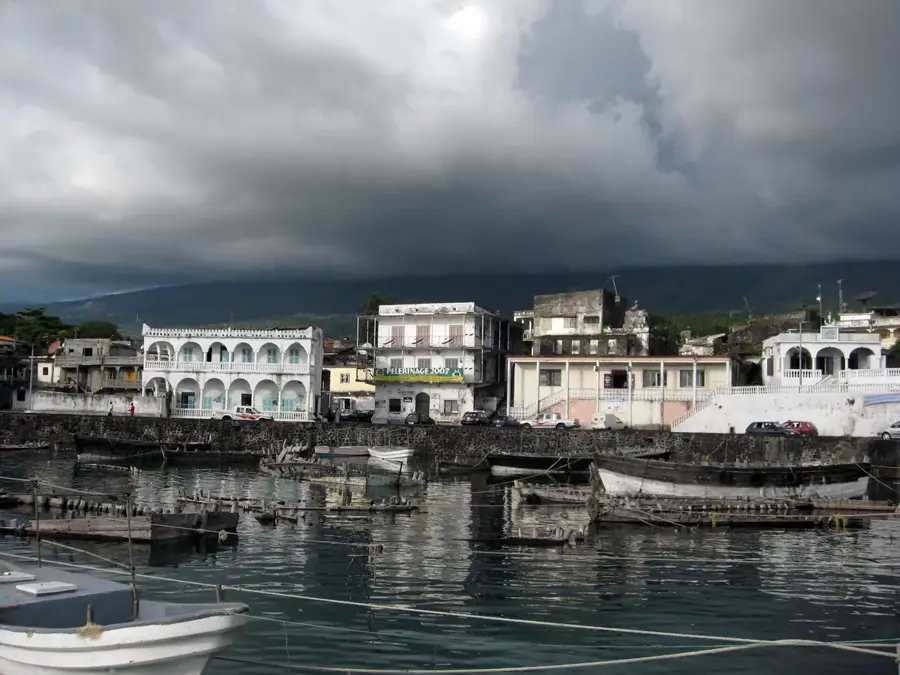
Dimani is a historical region and community on the northeast coast of Grande Comore (Ngazidja) Island, known for its rugged coastline and rich oral tradition. The landscape is defined by solidified lava flows from previous eruptions of the Karthala volcano, which reach down to the sea, forming small, sheltered bays. Economically, the region is characterized by a mix of fishing and specialized agriculture, with the cultivation of pepper and cloves playing an important role. Historically, Dimani was considered a center of scholarship and resistance against colonial aspirations, with local Sufi orders still exerting a major influence on social life today. Villages in Dimani are characterized by their compact construction to optimally utilize the limited space on the volcanic soil. The region is also famous for its traditional craftsmanship, particularly the production of intricately carved wooden doors and furniture. Despite the harsh geographical conditions, the sense of community in Dimani is very pronounced, evidenced by large collective construction projects for mosques and schools.
- Location: Comoros
- Nearby: Moidzaza (5 km)
- Population: ~555 (2018)
Best time to visit & climate
The most pleasant time to visit is Jul–Sep.
| Jan | Feb | Mar | Apr | May | Jun | Jul | Aug | Sep | Oct | Nov | Dec | |
|---|---|---|---|---|---|---|---|---|---|---|---|---|
| Avg °C | 28 | 28 | 28 | 28 | 27 | 26 | 25 | 25 | 25 | 26 | 27 | 28 |
| Rain mm | 194 | 147 | 144 | 137 | 69 | 41 | 35 | 25 | 23 | 40 | 45 | 101 |
Geography
Facts
- Dimani encompasses several coastal villages on the eastern side of Ngazidja.
- The region is known for the production of high-quality black pepper.
- Historical paths connect Dimani with the slopes of the Karthala volcano.
- Traditional dances of Dimani are often performed at national festivals.
- There are significant Quranic schools with long traditions in the region.
- The coast is characterized by basalt cliffs that complicate access to the sea.
Explore nearby
Notable places around



Route planner — Car & Motorhome
Where do you start? We build the route here, with stops and country notes along the way.
© OpenStreetMap contributors · OpenRouteService
Sights in the town Dimani (1)
Frequently asked questions
What is typical for the Dimani region?
Can you visit plantations in Dimani?
How do you get from Moroni to Dimani?
Is Dimani developed for tourism?
Are there festivals in Dimani?
Dimani: where is it located?
Dimani: when is the best time to visit?
Dimani: why is it worth visiting?

Nearby cities

History & landmarks

Nature
More places