Plizio Visual Lab
Valle del Cauca Sugarcane Plantations
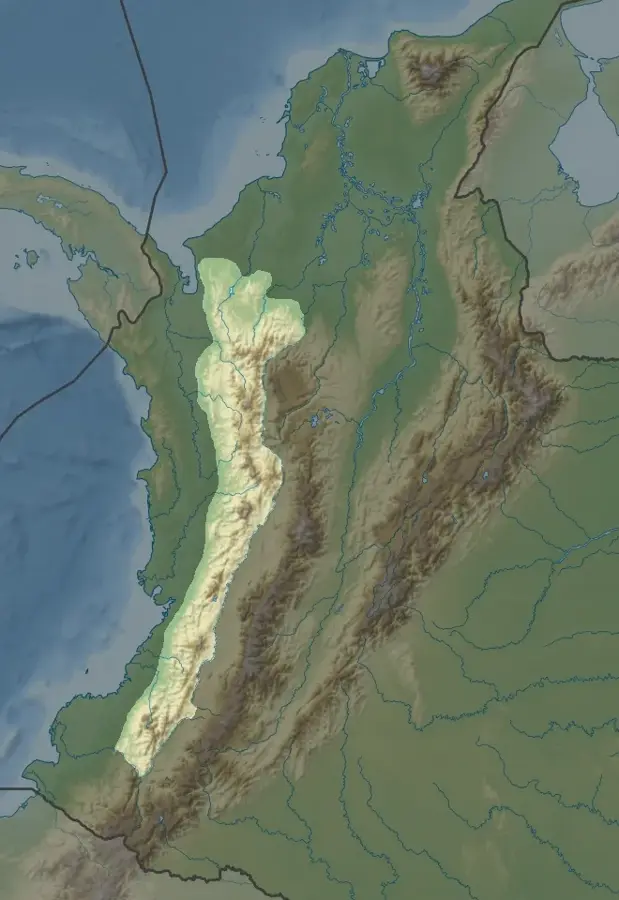
The sugarcane plantations of Valle del Cauca form the backbone of the Colombian agro-industry, covering vast plains positioned between the Central and Western Cordilleras of the Andes. Due to the valley's stable tropical climate and exceptionally fertile soil, sugarcane can be harvested here year-round, a unique advantage compared to most other sugar-producing regions in the world. This continuous production cycle has established the department as one of the most efficient sugar producers globally, with large-scale mills known as 'ingenios' processing the cane into sugar, ethanol, and biomass. The history of sugarcane in the region dates back to the colonial era, when the first crops were introduced and production relied on enslaved labor on sprawling haciendas. In the modern era, the industry is highly mechanized but faces ongoing environmental and social challenges, including water management and the controversial practice of pre-harvest field burning. These plantations dominate the valley's landscape and remain a vital driver for economic stability and employment in southwestern Colombia.
- Location: Colombia
- Top sights: Iglesia San Judas Tadeo · Parque del Azúcar · Parroquia Nuestra Señora de Lourdes
- Nearby: Buga (10 km)
Best time to visit & climate
The most pleasant time to visit is Jul–Sep.
| Jan | Feb | Mar | Apr | May | Jun | Jul | Aug | Sep | Oct | Nov | Dec | |
|---|---|---|---|---|---|---|---|---|---|---|---|---|
| Avg °C | 16 | 17 | 17 | 17 | 16 | 16 | 16 | 17 | 17 | 16 | 16 | 16 |
| Rain mm | 56 | 70 | 96 | 135 | 110 | 55 | 42 | 38 | 53 | 126 | 150 | 93 |
📋 Practical info
Geography
Facts
- Colombia is one of the few places globally where sugarcane is harvested 365 days a year.
- Valle del Cauca produces approximately 80% of the total sugar output in Colombia.
- The region boasts one of the highest sugarcane yield rates per hectare in the world.
- More than 230,000 hectares of land in the valley are dedicated to sugarcane cultivation.
- The sugar industry provides a major portion of the ethanol consumed as fuel in Colombia.
- Sugarcane was first introduced to Colombia in the 16th century by Spanish settlers.
Explore nearby
Notable places around




Route planner — Car & Motorhome
Where do you start? We build the route here, with stops and country notes along the way.
© OpenStreetMap contributors · OpenRouteService
Sights in the town Valle del Cauca Sugarcane Plantations (10)
San cayetano
Christian church in Palmira, named after Saint Cajetan.
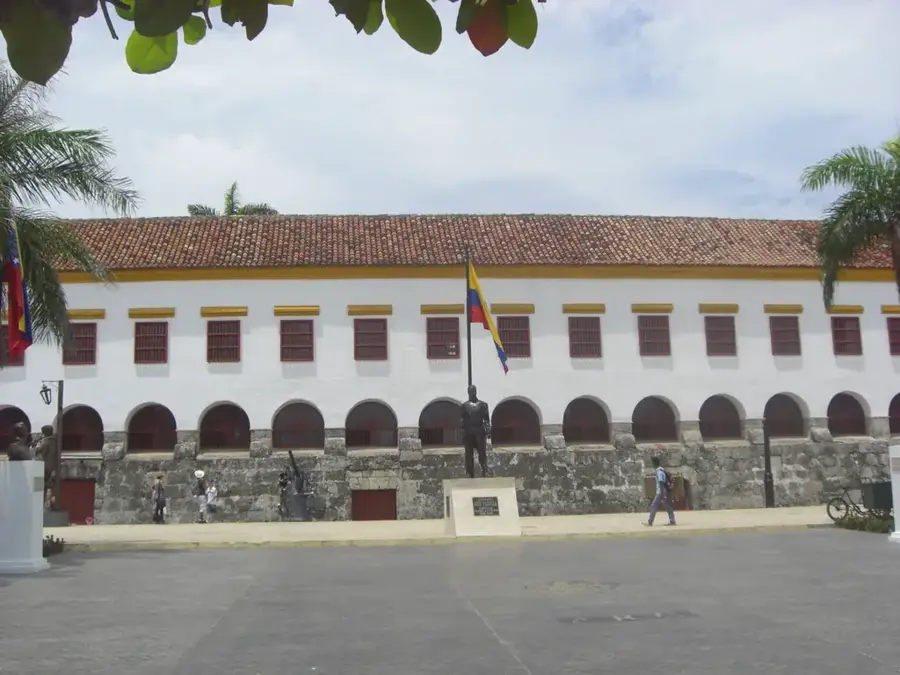
Estatua Simón Bolívar
Monument to Simón Bolívar, liberator of South America, located in Palmira.
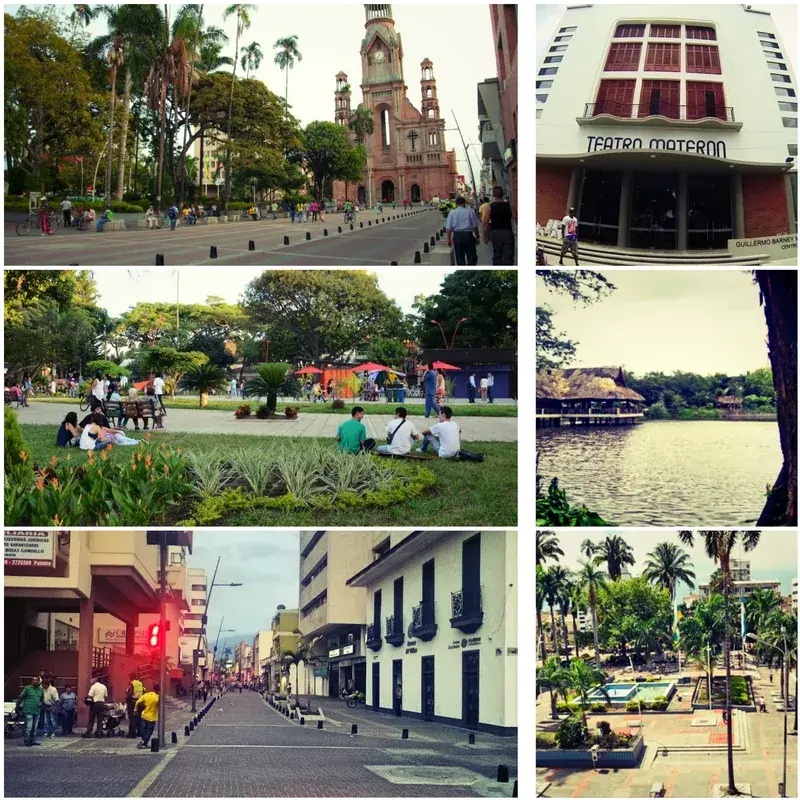
Centro cultural Gullermo Barney Materon
Cultural center and theater in Palmira, named after Guillermo Barney Materon.
Catedral de Nuestra Señora del Rosario del Palmar
Cathedral in Palmira dedicated to Our Lady of the Rosary, seat of the diocese.
Iglesia Nuestra Señora de las Mercedes⛪ church
Church in Palmira dedicated to Our Lady of Mercy.
Centro de convenciones Guillermo Barney Materon Amaime
Convention center and theater in Palmira, named after Guillermo Barney Materon.
Sights nearby
Frequently asked questions
Where are the sugarcane plantations located?
What importance does sugarcane have for the region?
Is there a museum for it?
What is produced from sugarcane?
When can you see the harvest?
Valle del Cauca Sugarcane Plantations: where is it located?
Valle del Cauca Sugarcane Plantations: what is there to see?
Valle del Cauca Sugarcane Plantations: when is the best time to visit?
Valle del Cauca Sugarcane Plantations: why is it worth visiting?

Nearby cities

History & landmarks


Nature
More places