Plizio Visual Lab

Cordillera Occidental (Colombia)
Plizio editorial teamData Sources
Mountain
—°
Cordillera Occidental (Colombia) (Colombia)

Weather…

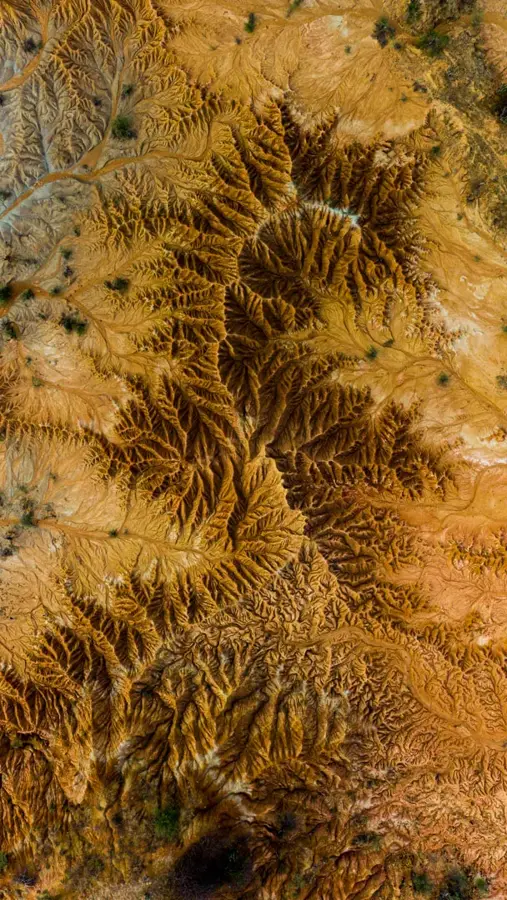
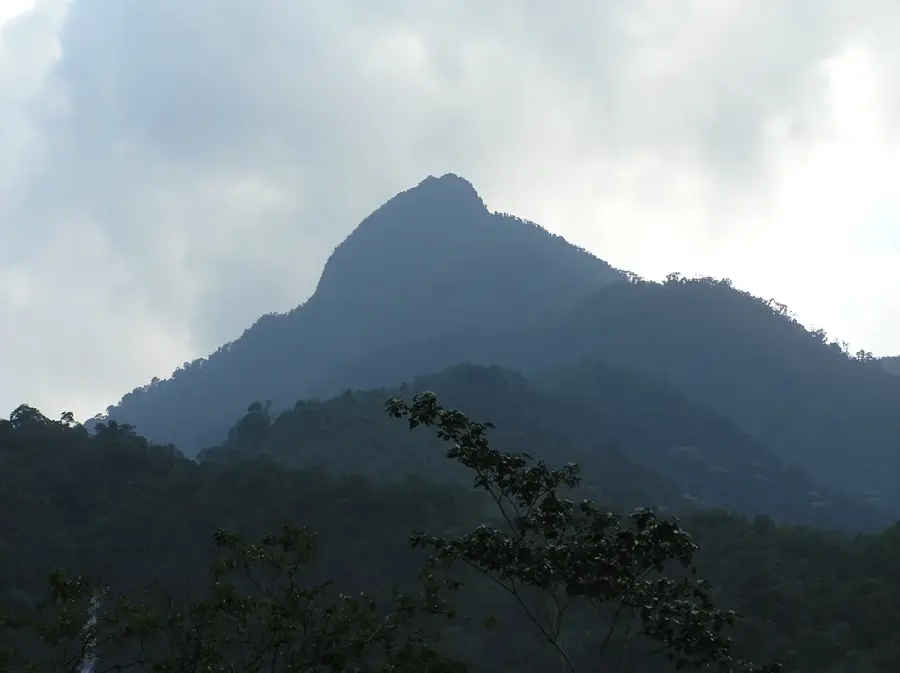
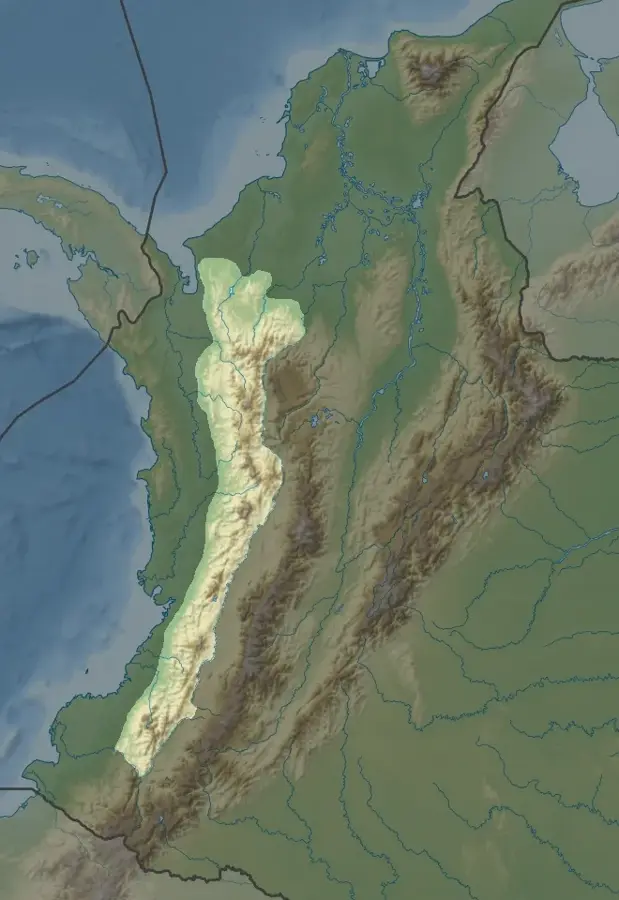
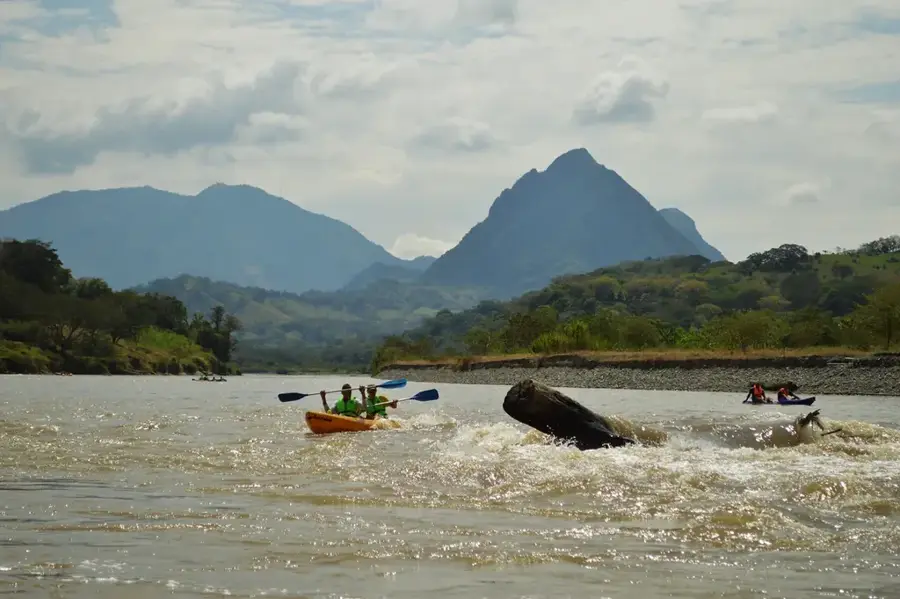
The Cordillera Occidental is the westernmost of the three main branches of the Colombian Andes and runs parallel to the Pacific coast. With an average elevation of about 2,000 meters, it is the lowest of the three mountain ranges, but still features impressive peaks such as Cerro Tatamá at 4,100 meters. The mountain range separates the humid Pacific lowlands from the fertile Cauca Valley and plays a crucial role in regulating the regional climate. At higher altitudes, ecologically valuable paramo ecosystems are found, which serve as natural water reservoirs and home to numerous endemic plant species. The Cordillera Occidental hosts several protected areas, including the Farallones de Cali National Park, known for its rich birdlife and steep granite formations. Geologically, the range consists mainly of igneous and metamorphic rocks resulting from volcanic activities in the distant past. Settlement is less dense than in the central Andes due to the steep terrain, but small farms utilize the temperate climate zones for coffee and fruit cultivation.

Best time to visit & climate

The most pleasant time to visit is Jan, Feb, Jul.

JanFebMarAprMayJunJulAugSepOctNovDec
Avg °C212121212222222222212021
Rain mm112118152204188132122133138206215171

📋 Practical info

🧭
Getting there
Getting to the western mountain range typically involves departing from cities like Cali or Medellín towards the rural highlands. The mountain roads are notoriously winding and prone to frequent landslides, meaning careful driving and off-road vehicles are best.
📅
Best season
The optimal periods for exploring are the dry seasons, typically extending from December to March, when the trails are less muddy. During the intense wet seasons, heavy precipitation common near the Pacific coast drastically limits outdoor accessibility.
⛰️
Terrain & paths
This western range features dense tropical forests, steep ravines, and narrow ridges that drop dramatically towards the Pacific. Hikers will navigate muddy trails, thick vegetation, and river crossings that require significant physical exertion to overcome.
🎒
What to bring
Waterproof clothing and exceptionally robust hiking boots with deep treads are indispensable for the perpetually damp and muddy environment. Carrying a quality machete, insect repellent, and long layers is also recommended against thick undergrowth and bugs.
🅿️
Parking
Parking is mostly limited to small rural outposts or the edges of nature reserves before trails become completely impassable for cars. Always seek permission from local communities or park rangers when leaving a vehicle for extended periods of time.
⚠️
Safety
The combination of rapid weather changes, isolation, and dense forests means having an experienced guide is crucial for not getting lost. Additionally, hikers must remain vigilant regarding slippery trail conditions and sudden river level rises after rain.
⏱️
Time needed
Shorter hikes to local waterfalls or viewpoints usually occupy between four and six hours, making for a tough day trip. Deeper explorations into the national parks can take multiple days of strenuous walking through the challenging coastal mountain terrain.

Geography

Coordinates
4.50000, -76.50000

Facts

  • Lowest of the three Andean branches
  • Highest point: Cerro Tatamá (4,100 m)
  • Separates the Cauca Valley from the Pacific
  • Hosts Farallones de Cali National Park
  • Rich in paramo ecosystems
  • Composed primarily of volcanic rocks

Explore nearby

Notable places around
Route planner — Car & Motorhome

Where do you start? We build the route here, with stops and country notes along the way.

Vehicle
Only stops with (optional):

© OpenStreetMap contributors · OpenRouteService

Sights nearby

Frequently asked questions

What is the Cordillera Occidental?
The westernmost of the three Andean ranges in Colombia.
How high are the mountains there?
They are lower than the other ranges, reaching up to about 4,400m.
Which park is located there?
The Farallones de Cali National Park is very famous.
Does it divide the country?
Yes, it separates the Cauca Valley from the Pacific coast.
Is coffee grown there?
Yes, on the eastern slopes, there are significant coffee plantations.
Cordillera Occidental (Colombia): where is it located?
Cordillera Occidental (Colombia) is located in Colombia.
Cordillera Occidental (Colombia): when is the best time to visit?
The most pleasant time to visit is Jan, Feb, Jul.
Cordillera Occidental (Colombia): why is it worth visiting?
The Cordillera Occidental is the westernmost of the three main branches of the Colombian Andes and runs parallel to the Pacific coast.
View on map → The Top 50 Attractions → OpenStreetMap →
South America
Explore with Plizio Discover more places in South America
More places in Colombia →

Nearby cities

History & landmarks
Nature
More places