Plizio Visual Lab

Facatativá Archaeological Park
Plizio editorial teamData Sources
Historical site
—°7
Facatativá Archaeological Park (Colombia)

Weather…

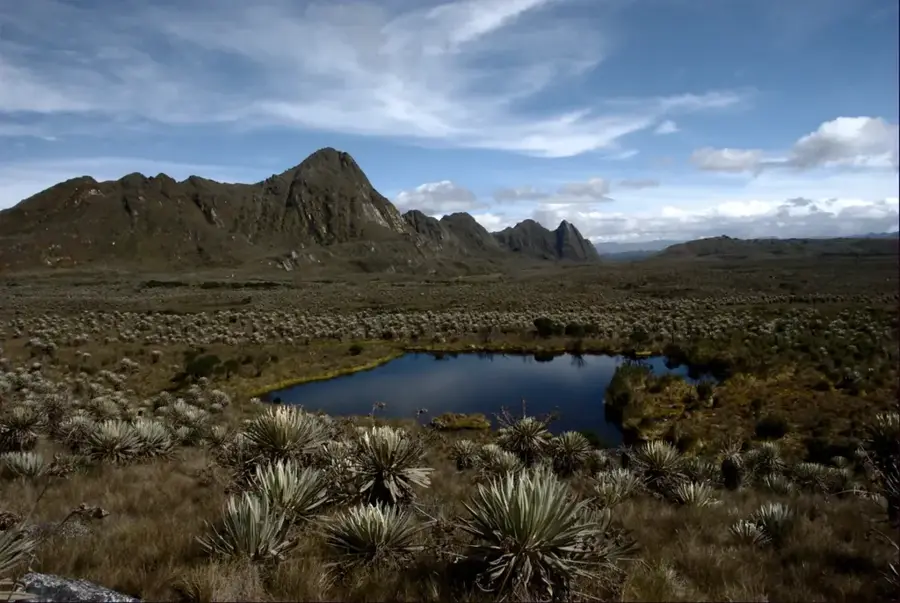
The Facatativá Archaeological Park, also known as Piedras del Tunjo, is located at the western edge of the Bogotá savanna. The area spans 27 hectares and houses impressive sandstone rock formations created millions of years ago through geological processes. Historically, the park is of inestimable value as it contains over 60 sites with prehistoric rock paintings (pictographs) attributed to the Muisca Indians and earlier cultures. These drawings were made using pigments from ochre and plant extracts, often depicting animals, humans, or abstract symbols. The park likely served as a sacred site for religious ceremonies and astronomical observations. Despite decades of erosion and human impact, many paintings are still visible today. The site was officially declared a park in 1946 to protect the region's cultural heritage.

Best time to visit & climate

The most pleasant time to visit is Jan, Feb, Sep.

JanFebMarAprMayJunJulAugSepOctNovDec
Avg °C212121212120212121202020
Rain mm4569117183173132108929316514790

📋 Practical info

🚪
Visiting
Facatativá Archaeological Park is open during daylight hours, featuring massive rock formations with ancient Muisca pictograms. The park can be visited for a small fee; sturdy footwear is recommended for climbing rocks.
🕒
Typical hours
The park typically opens at 8:00 a.m. and closes at sunset. It is advisable to come early in the morning to avoid heat and crowds.
📷
Photography
Photography is allowed throughout the park, but touching or damaging the pictograms is strictly forbidden. For good shots of the rock paintings, use a light telephoto lens.
⏱️
Time needed
Viewing the main rocks and pictograms takes about one and a half hours. If you explore all the trails, plan for two to three hours.
Combine with
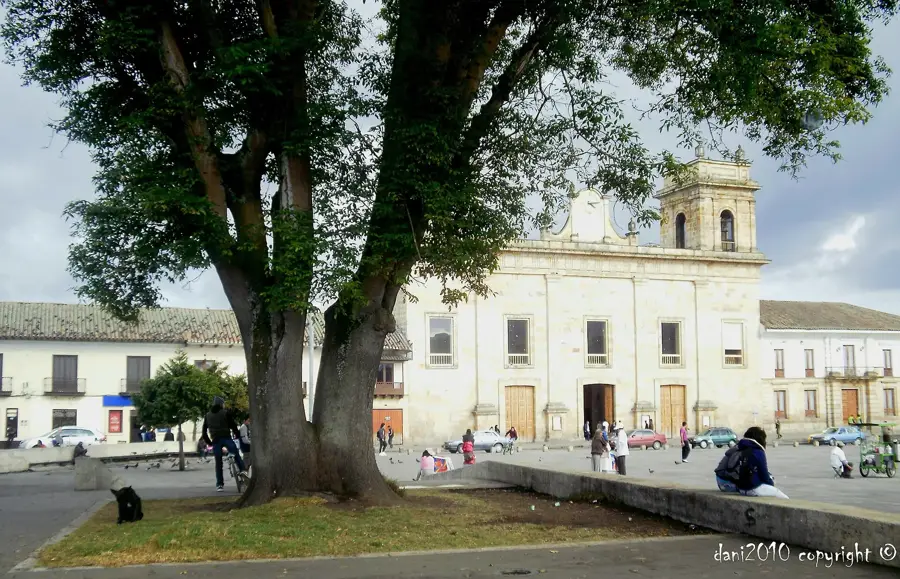
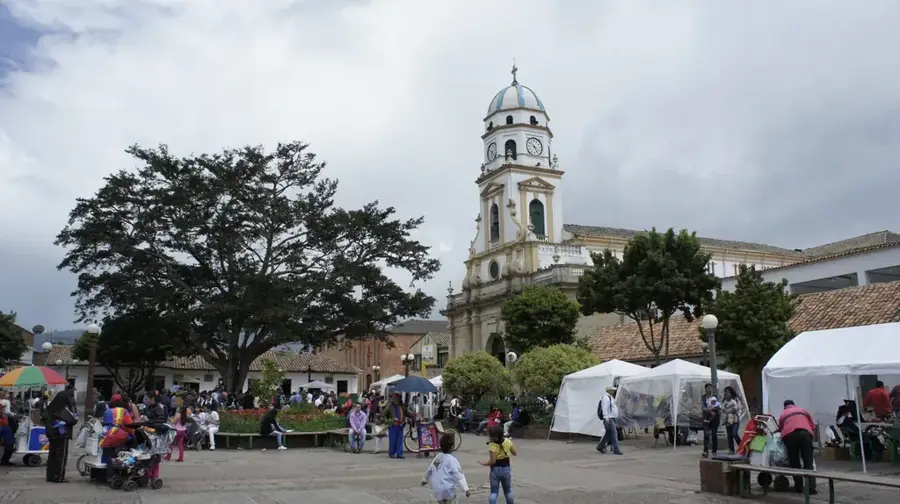
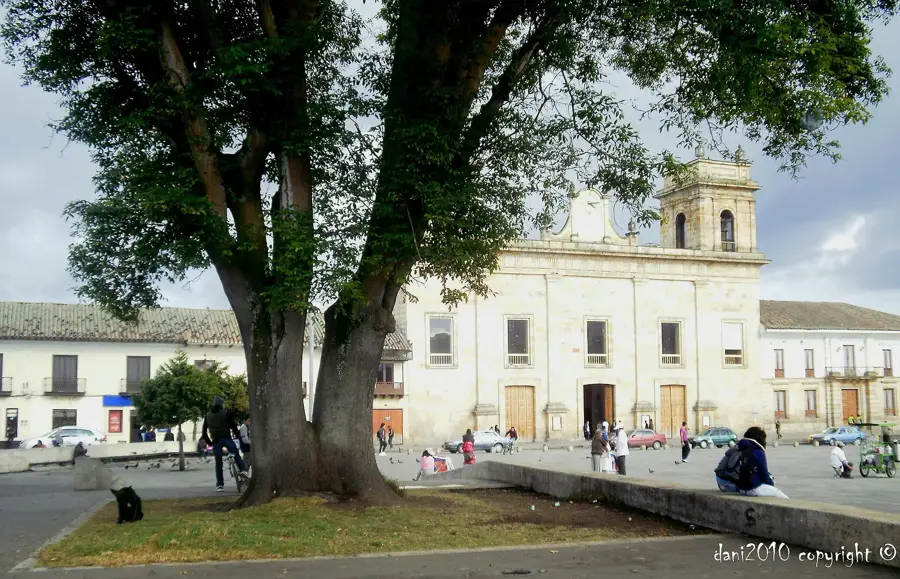
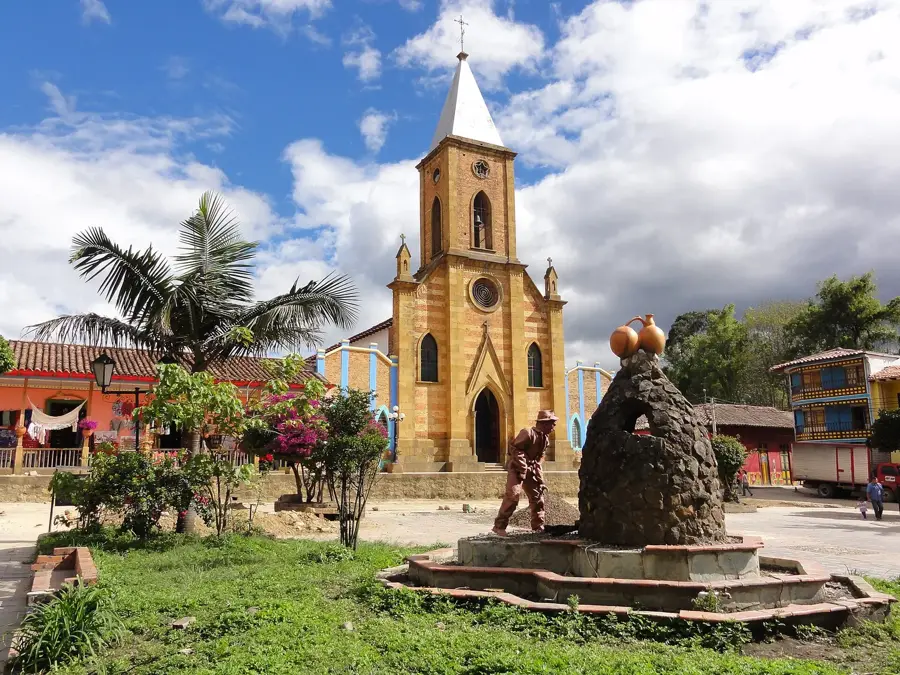
The park is near the town of Facatativá, which has a pleasant main square and church. A trip to Bogotá is also reachable within an hour from here.
🧭
Getting there
The park is accessible by car or bus from Bogotá, taking about one hour. From Facatativá, local buses or taxis go to the park entrance.
💡
Insider tip
Bring plenty of water and sunscreen as there is little shade. A local guide can explain the pictograms' meaning - ask at the entrance.

Geography

Coordinates
4.81970, -74.35410

Facts

  • The rock paintings are estimated to be between 1,000 and 12,000 years old.
  • The park is located at an average altitude of 2,600 meters.
  • Over 1,000 individual pictographs have been registered throughout the area.
  • The red color of the paintings comes mainly from iron oxides.
  • During the colonial era, the site was used as a quarry for buildings in Bogotá.
  • The rock formations consist of quartz sandstone from the Guadalupe Group.

Explore nearby

Notable places around

Route planner — Car & Motorhome

Where do you start? We build the route here, with stops and country notes along the way.

Vehicle
Only stops with (optional):

© OpenStreetMap contributors · OpenRouteService

Sights in the town Facatativá Archaeological Park (7)

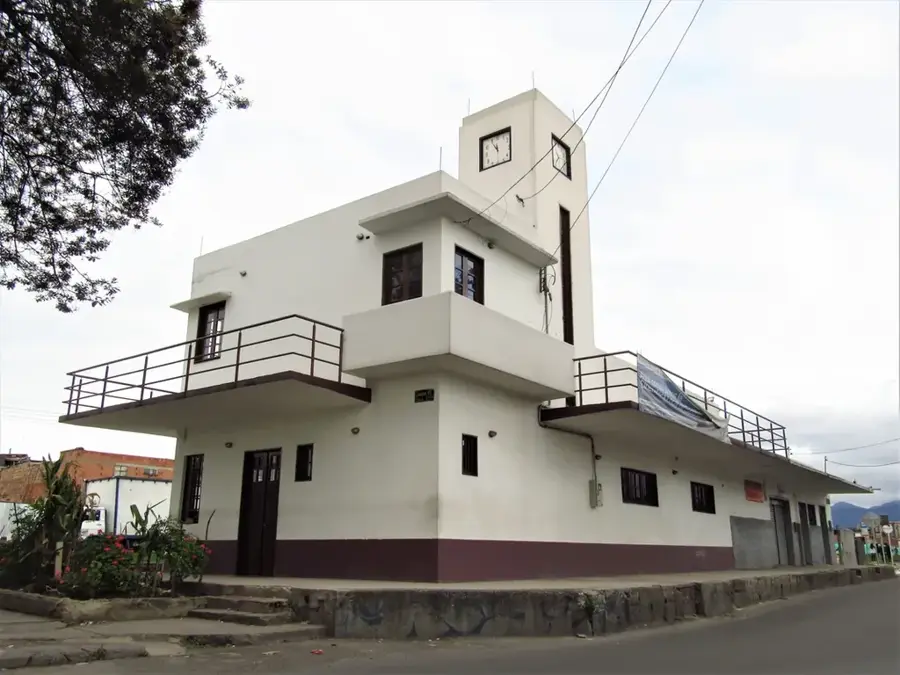
La Torre del Vigia- Betel🏛 museum

A local museum and cultural space situated near the Facatativá archaeological park, detailing regional heritage.

🆓

Iglesia San Jose Obrero⛪ religious

A community Catholic church serving the local parish near the Facatativá archaeological zone.

Salón del reino de los testigos de Jehová📍 landmark

A modern Kingdom Hall providing a gathering place for the local Jehovah's Witnesses congregation in Facatativá.

Iglesia📍 landmark

A local Christian sanctuary offering a quiet space for prayer in the Facatativá area.

Iglesia de cartagenita📍 landmark

A Christian church located in the Cartagenita sector, serving the spiritual needs of the nearby Facatativá community.

Capilla San Antonio de Padua⛪ religious

A traditional chapel dedicated to St. Anthony of Padua, characterized by its simple ecclesiastical architecture.

Mercado🎭 culture

A bustling marketplace where local vendors sell fresh produce and regional goods to the Facatativá community.

Sights nearby

Frequently asked questions

What can you see in the park?
The park is known for its pre-Columbian rock paintings and massive stone formations.
How far is Facatativá from Bogotá?
It is located about 40 km west of Bogotá; the trip takes approximately 1.5 hours.
Is picnicking allowed in the park?
Yes, there are designated areas for picnics and outdoor recreation.
Is access to the rock paintings protected?
The paintings are often protected by fences; please do not touch the rocks under any circumstances.
Are there entrance fees?
Yes, a small fee is charged for the maintenance of the park.
Facatativá Archaeological Park: where is it located?
Facatativá Archaeological Park is located in Colombia.
Facatativá Archaeological Park: what is there to see?
Highlights include La Torre del Vigia- Betel, Iglesia San Jose Obrero, Salón del reino de los testigos de Jehová.
Facatativá Archaeological Park: when is the best time to visit?
The most pleasant time to visit is Jan, Feb, Sep.
Facatativá Archaeological Park: why is it worth visiting?
The Facatativá Archaeological Park, also known as Piedras del Tunjo, is located at the western edge of the Bogotá savanna.
View on map → The Top 50 Attractions → OpenStreetMap →
South America
Explore with Plizio Discover more places in South America
More places in Colombia →

Nearby cities

History & landmarks
Nature
More places