Plizio Visual Lab

Pacific Ocean (Colombia)
Plizio editorial teamData Sources
Sea
—°4
Pacific Ocean (Colombia) (Colombia)

Weather…

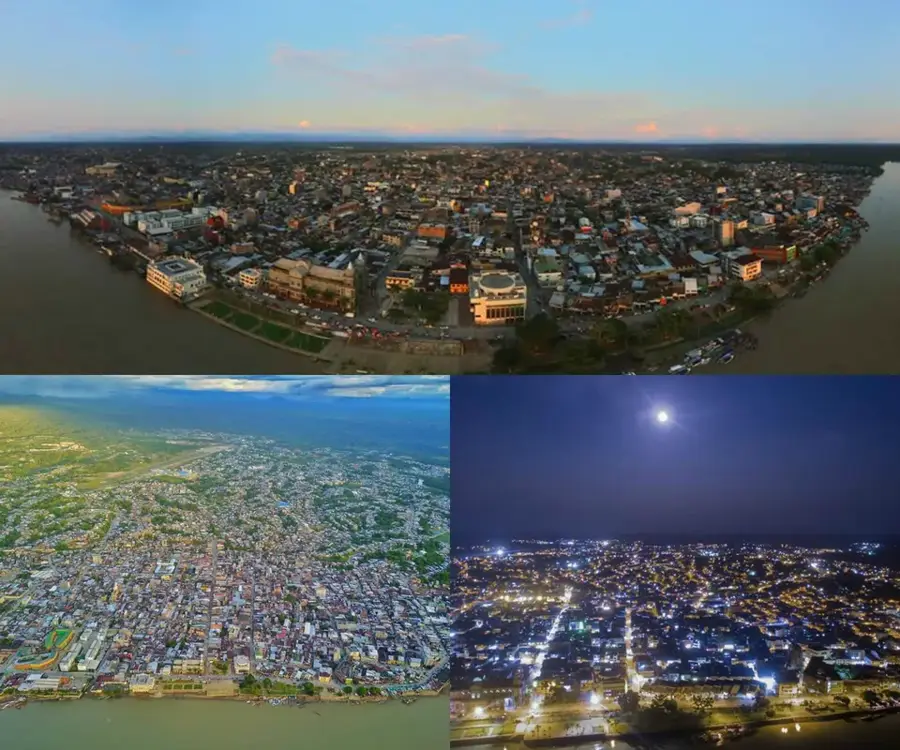
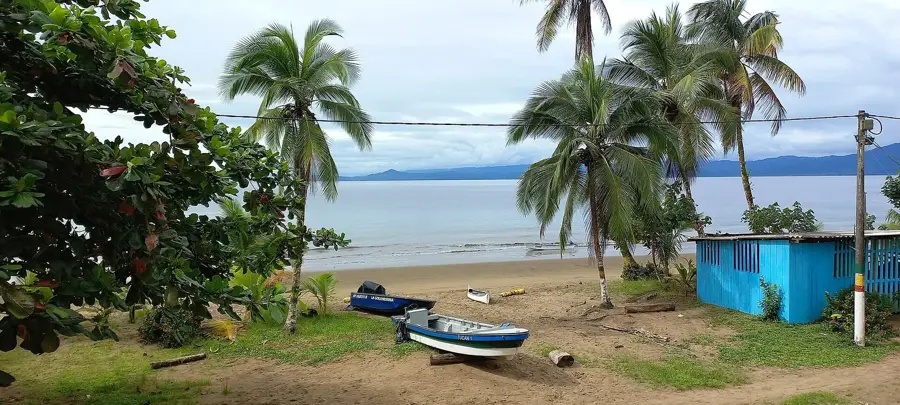
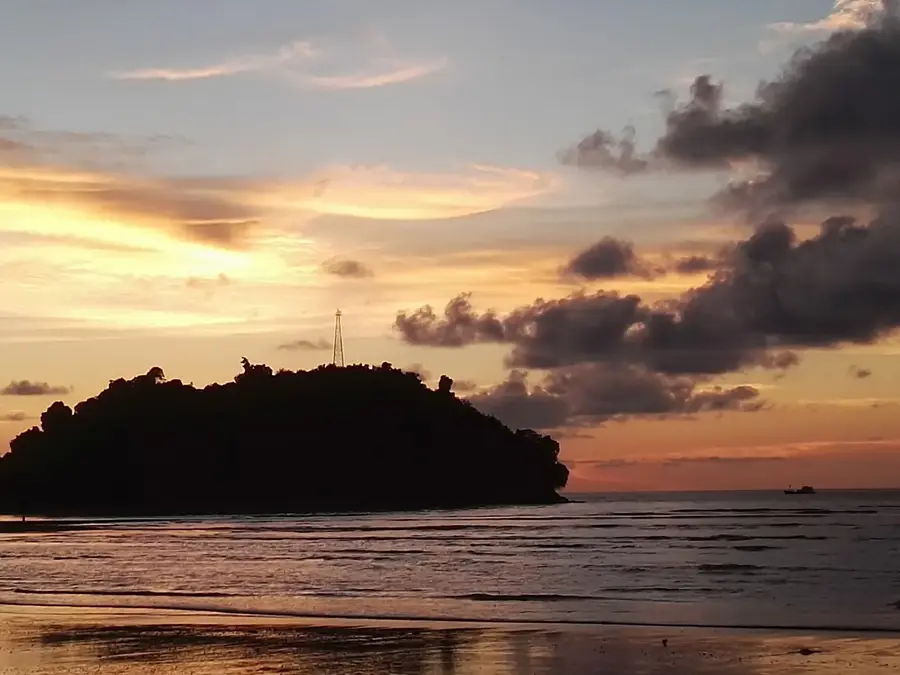
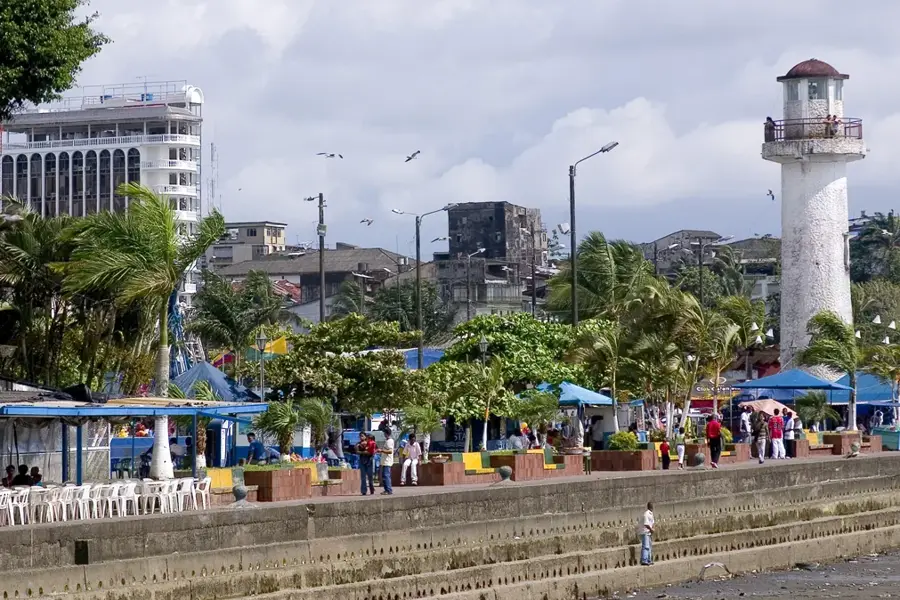
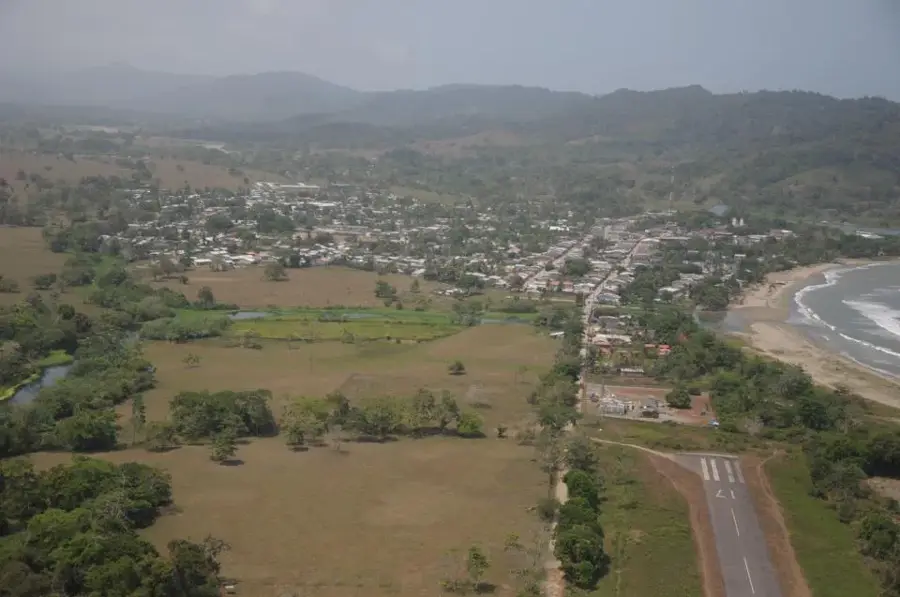
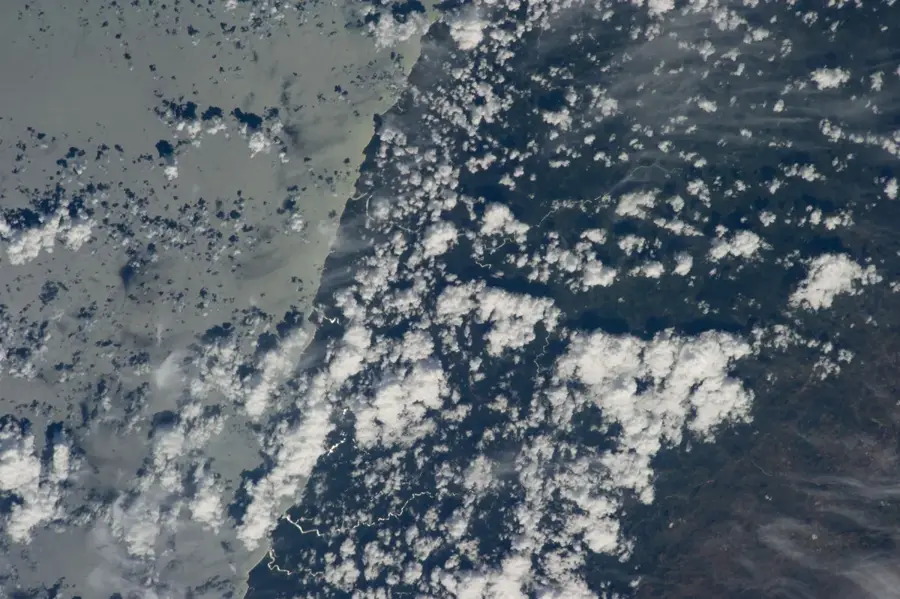
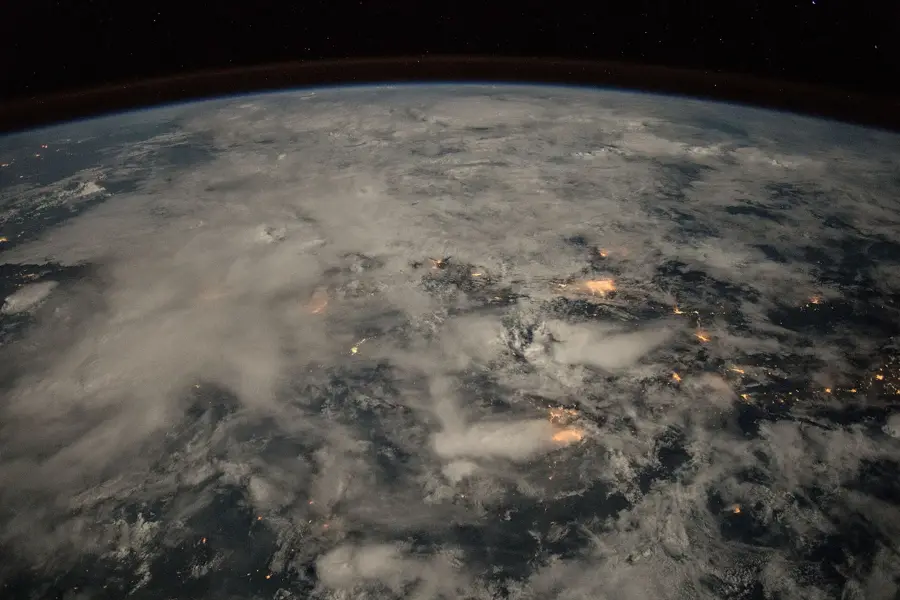
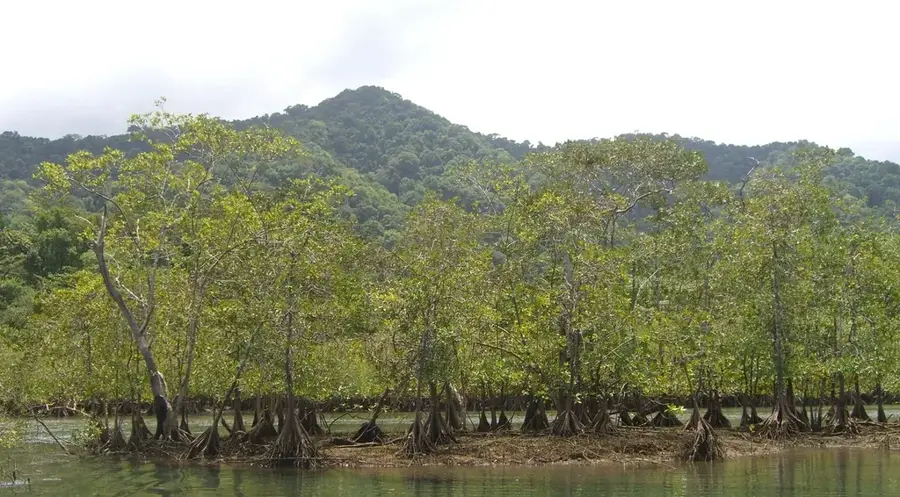
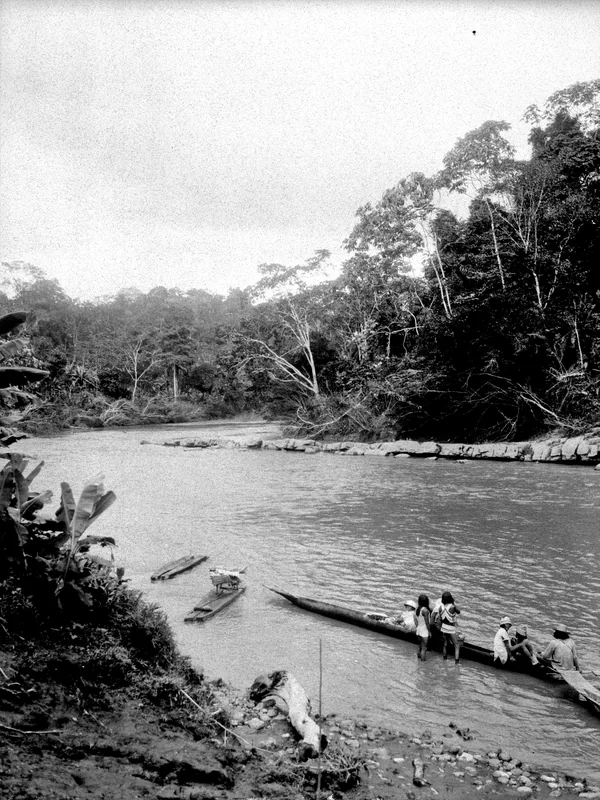
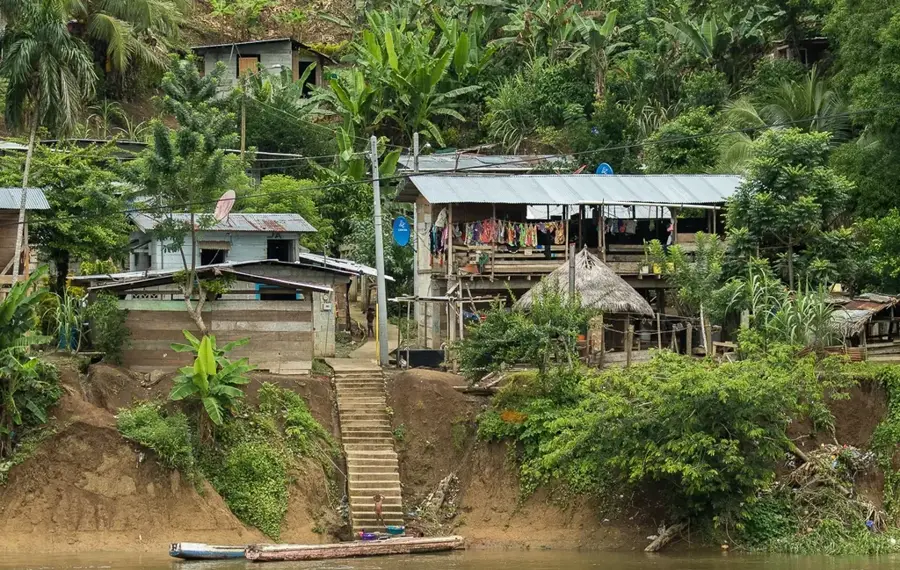
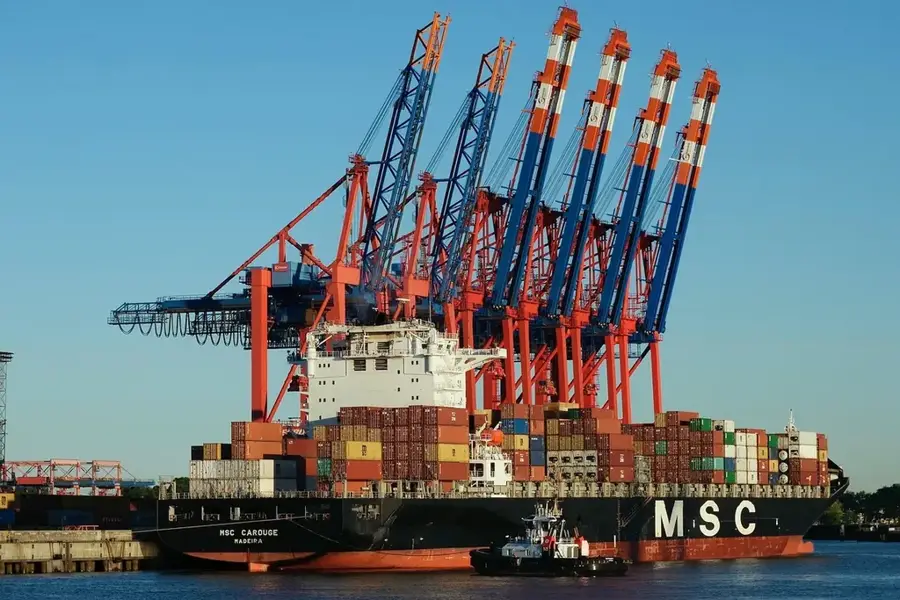
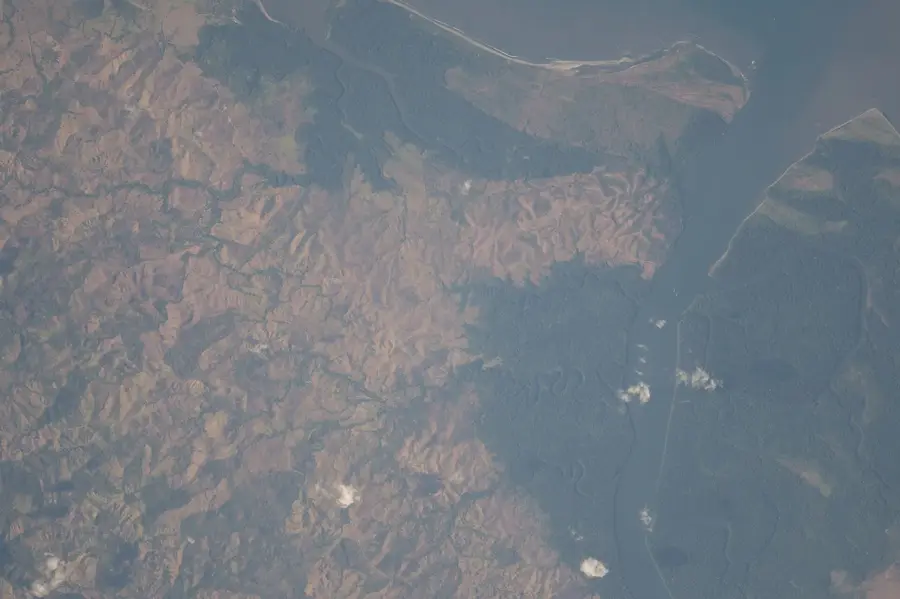
The Pacific Ocean extends along the western coast of Colombia for about 1,300 kilometers, encompassing the Chocó region, which is one of the wettest places on Earth. This coastline is defined by dense tropical rainforests, mangroves, and an extraordinary biodiversity both on land and in the water. Every year between July and November, humpback whales migrate from Antarctica to these warm waters to mate and give birth, making the region a significant ecological sanctuary. The most important port in the region is Buenaventura, which serves as the main gateway for Colombia's foreign trade with Asia. The Pacific zone also includes remote islands like Gorgona, a former prison that is now a national park, and Malpelo, a UNESCO World Heritage site renowned for its shark populations. The region is culturally strongly influenced by Afro-Colombian traditions, reflected in music, dance, and gastronomy. Despite its ecological wealth, the area remains largely untouched and difficult to access due to dense vegetation and the lack of developed road connections.

Best time to visit & climate

The most pleasant time to visit is Jan–Mar.

JanFebMarAprMayJunJulAugSepOctNovDec
Avg °C262626262727262626262626
Rain mm451254308474593592657635616521602594

📋 Practical info

🧭
Getting there
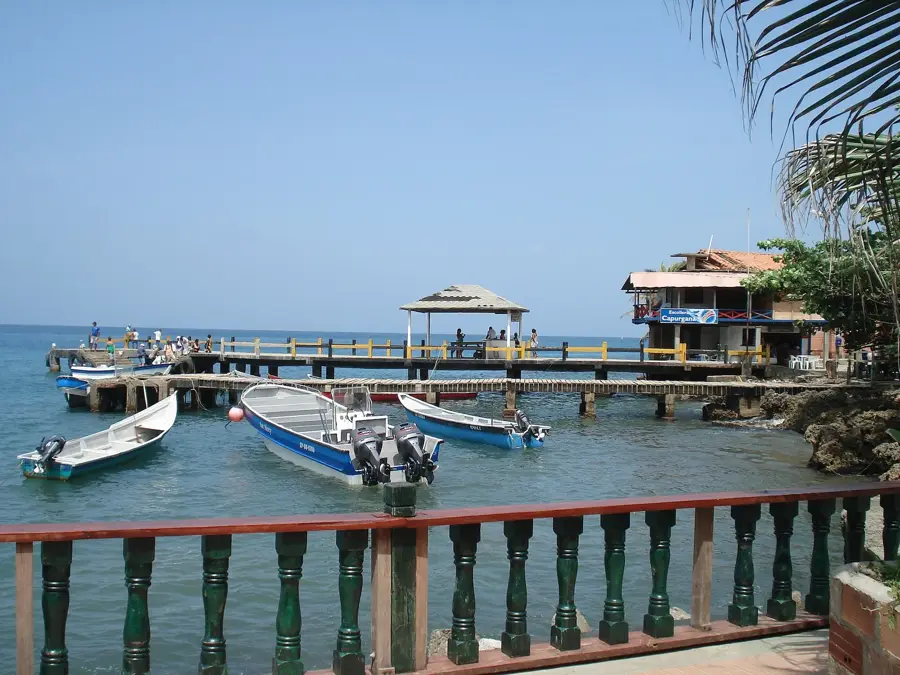
This dramatically isolated coast is primarily accessed via domestic puddle-jumper flights into tiny regional airstrips like Nuquí or Bahía Solano, which is inevitably followed by essential small boat transfers.
📅
Best season
The undisputed peak time for phenomenal humpback whale watching generally runs smoothly from July to October, although visitors must know the region receives extremely heavy rainfall throughout the entire calendar year.
⛰️
Terrain & paths
Expect an utterly wild, untamed frontier landscape where incredibly dense tropical rainforest plunges dramatically and directly into the turbulent sea, framed extensively by rugged cliff edges and dark, empty sandy beaches.
🎒
What to bring
High-quality, durable rain gear, multiple waterproof dry bags for electronics, sturdy water-resistant hiking shoes, and an excellent camera equipped with a powerful zoom lens are all absolutely vital recommendations.
🅿️
Parking
Conventional paved roads are practically non-existent in this specific area; therefore, travel logistics and vehicular needs rely entirely on localized boat transport arranged through eco-lodges or dedicated tour operators.
⚠️
Safety
It is critical to always utilize the services of reputable, experienced local guides for both dense jungle treks and ocean boat tours, as the highly unpredictable weather and tidal ocean conditions demand deep indigenous knowledge.
⏱️
Time needed
Given the notoriously complex travel logistics and remote location, incoming visitors typically plan to stay for an absolute minimum of four to seven full days in order to truly make the extensive journey worthwhile.

Geography

Coordinates
5.50000, -77.50000

Facts

  • Coastline length of approx. 1,300 km
  • Buenaventura port is the gateway to Asia
  • Humpback whale migration July-November
  • Gorgona Island is a national park
  • Malpelo is a UNESCO World Heritage site
  • Chocó is one of the wettest regions

Explore nearby

Notable places around
Route planner — Car & Motorhome

Where do you start? We build the route here, with stops and country notes along the way.

Vehicle
Only stops with (optional):

© OpenStreetMap contributors · OpenRouteService

Sights in the town Pacific Ocean (Colombia) (4)

Playa Jicaralito🎡 recreation

Remote jungle-backed beach with dark volcanic sand on the Pacific coast.

Cabo Corrientes🌿 nature

Prominent cape offering panoramic views of the Pacific and migrating whales.

Playa Jagua🎡 recreation

Secluded Pacific beach surrounded by the dense tropical rainforest of Chocó.

Playa Babosa🎡 recreation

Narrow strip of sand tucked away between the forested mountains and the open ocean.

Sights nearby

Frequently asked questions

What is the difference from the Caribbean?
Darker sand, wilder nature, and much more rain.
When do the whales arrive?
From July to October for humpback whale watching.
Which places are well-known?
Nuquí and Bahía Solano are top destinations for nature lovers.
Can you go surfing?
Yes, it features some of the best and most pristine waves in the country.
Are there roads leading there?
Many places are only accessible by plane or boat.
Pacific Ocean (Colombia): where is it located?
Pacific Ocean (Colombia) is located in Colombia.
Pacific Ocean (Colombia): what is there to see?
Highlights include Playa Jicaralito, Cabo Corrientes, Playa Jagua.
Pacific Ocean (Colombia): when is the best time to visit?
The most pleasant time to visit is Jan, Mar.
Pacific Ocean (Colombia): why is it worth visiting?
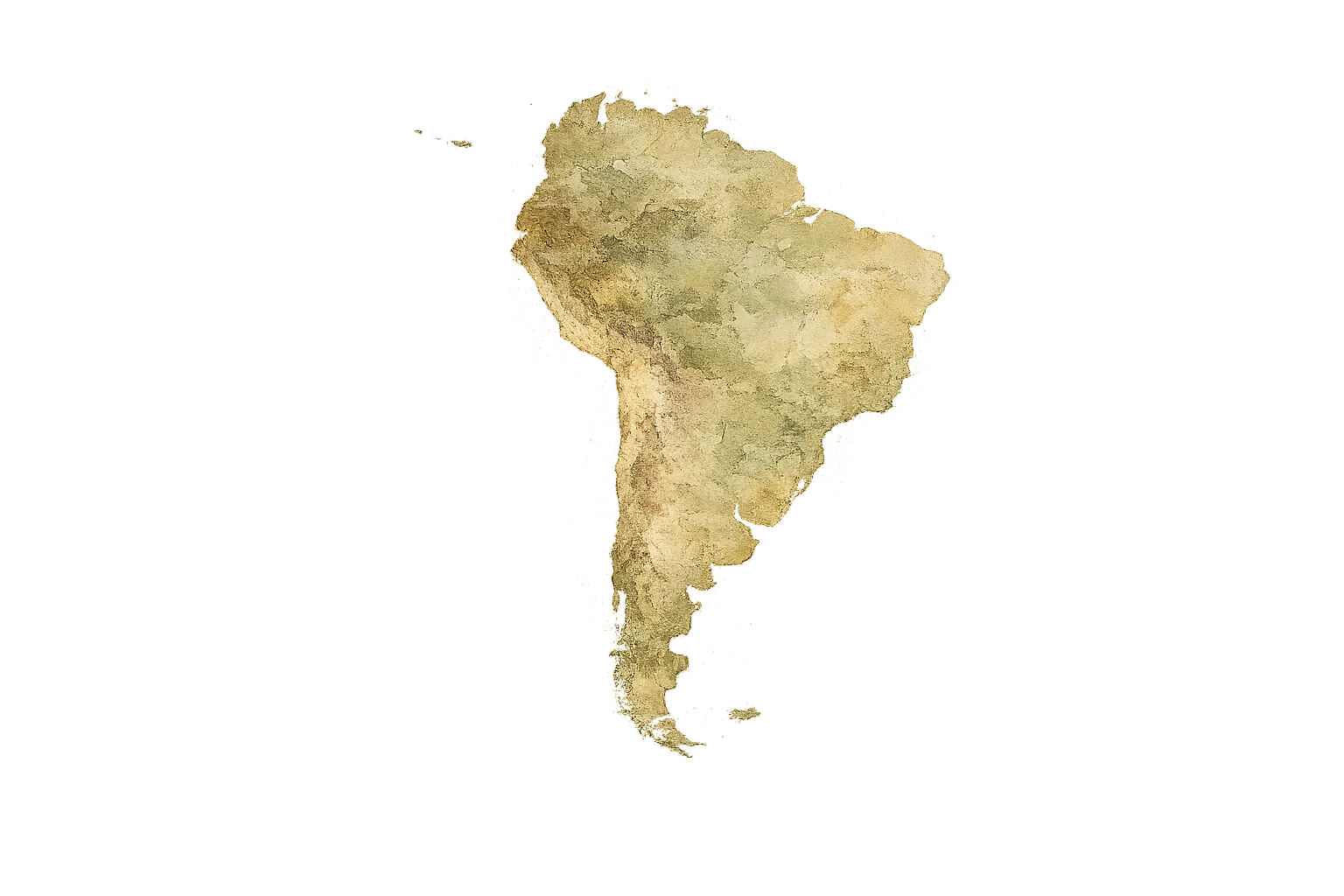
The Pacific Ocean extends along the western coast of Colombia for about 1,300 kilometers, encompassing the Chocó region, which is one of the wettest places on Earth.
View on map → The Top 50 Attractions → OpenStreetMap →
South America
Explore with Plizio Discover more places in South America
More places in Colombia →

Nearby cities

History & landmarks

Nature
More places