Plizio Visual Lab
Cabo de Hornos

ℹ️Practical info — Cabo de Hornos
▾
🌤 Weather — 5 days
📍 Nearby
Sights nearby
Water temperature…
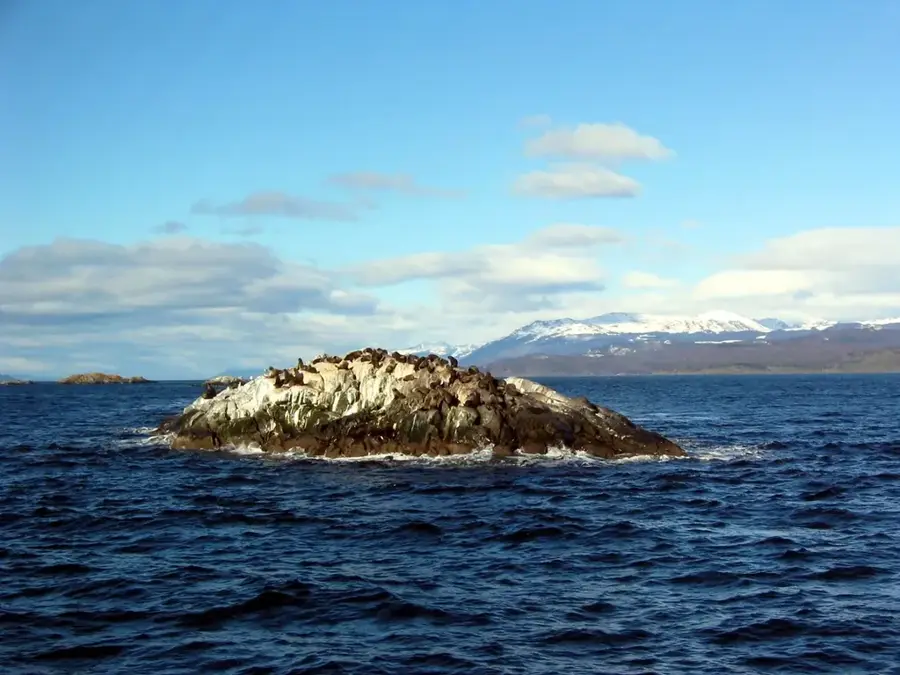
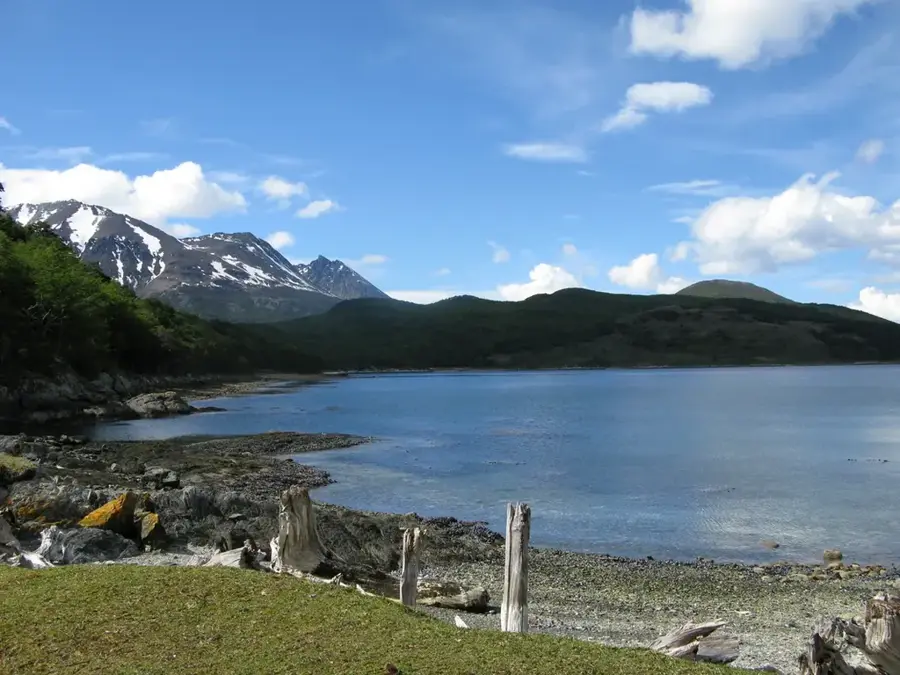
Cape Horn (Cabo de Hornos) is one of the most iconic and feared locations in world maritime history. The rugged cliff on Hornos Island marks the southernmost point of South America, where the stormy waters of the Pacific and Atlantic oceans collide. Until the opening of the Panama Canal in 1914, this was the most important, yet deadliest, shipping route for global trade. For visitors, landing on the cape is a true badge of honor, achieved only when weather permits. The island is home to a national park established in 1945, featuring the Chilean Navy lighthouse, the tiny Stella Maris chapel, and the wind-sculpted Albatross Monument, erected in memory of the thousands of sailors lost at sea. The sparse vegetation and constant howling winds provide a dramatic backdrop for a walk. Reaching Cape Horn is exclusively possible via organized expedition cruises, typically departing from Punta Arenas or Ushuaia in Argentina on multi-day itineraries. Due to its proximity to the Drake Passage, rough seas are practically guaranteed. Realistic chances for a safe landing exist only during the summer months (December to February) when the massive swells and hurricane-force winds temporarily subside.
- Location: Chile
- Nearby: Puerto Williams (59 km)
Geography
Facts
- Discovered in 1616
- Drake Passage
- Hornos Island
- Albatross Monument (1992)
- National Park (1945)
- Meeting point of oceans
- Chilean Navy base
- Extreme winds and storms
Explore nearby
Notable places around

Route planner — Car & Motorhome
Where do you start? We build the route here, with stops and country notes along the way.
© OpenStreetMap contributors · OpenRouteService
Sights in the town Cabo de Hornos (1)
Frequently asked questions
Cabo de Hornos: where is it located?
Cabo de Hornos: why is it worth visiting?
Nearby cities