Plizio Visual Lab

Tierra del Fuego National Park
Plizio editorial teamData Sources
nature
—°7
Tierra del Fuego National Park (Chile)

Weather…

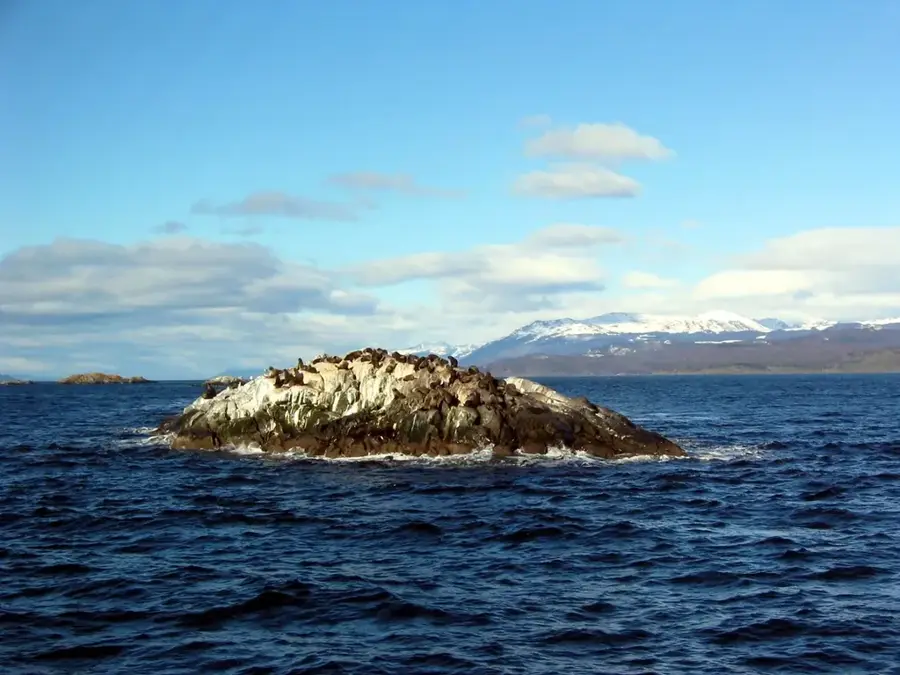
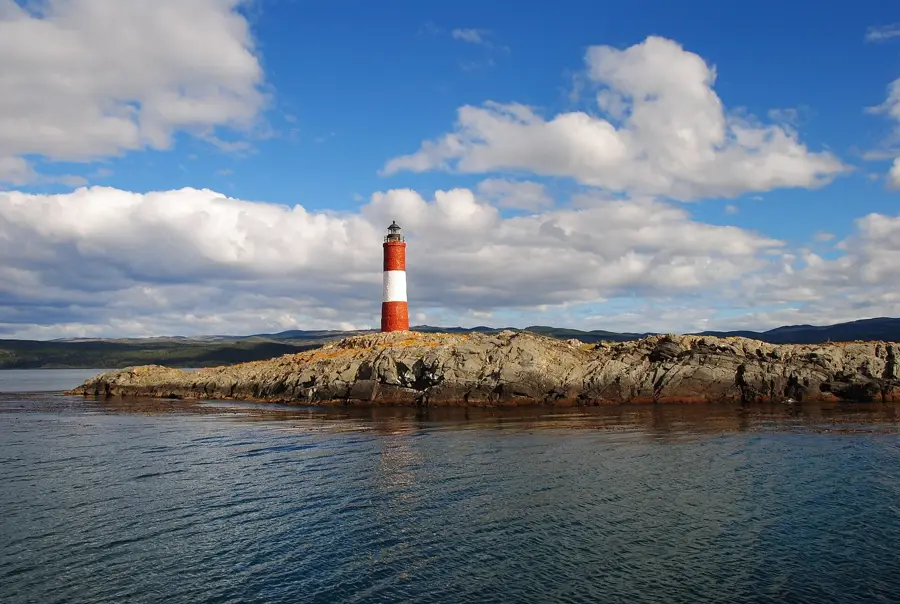
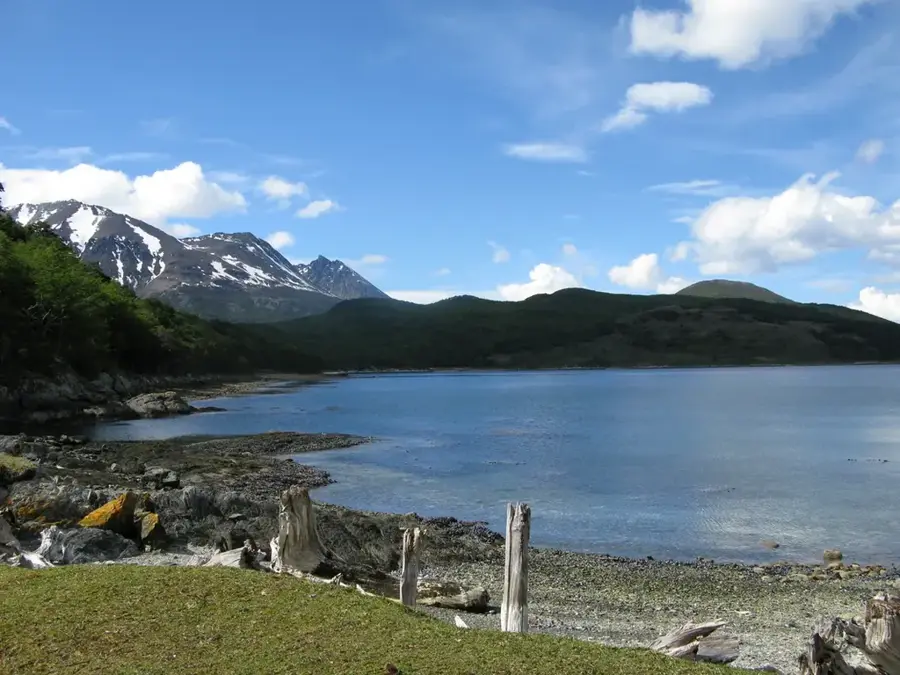
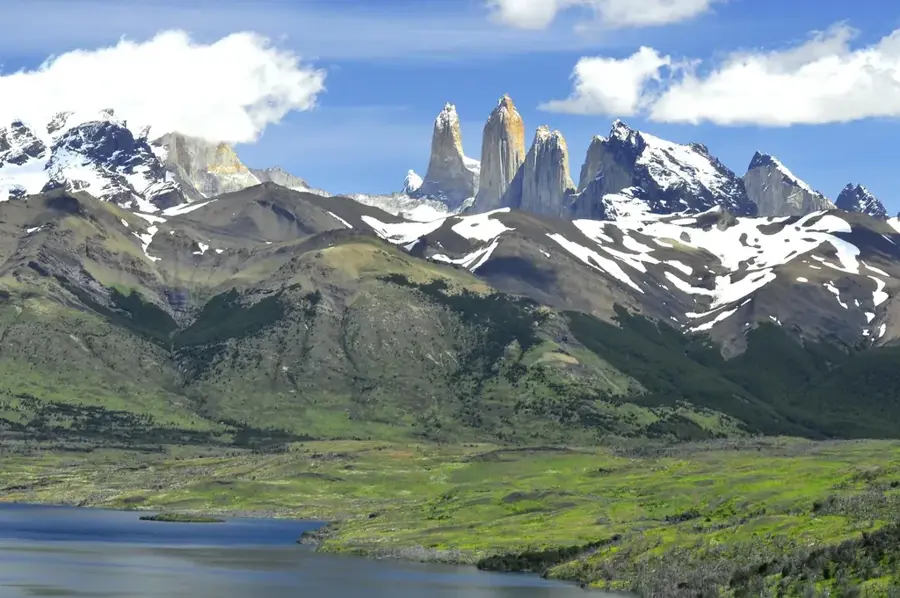
Tierra del Fuego National Park is situated in the far south of Argentina, near the city of Ushuaia, protecting the southernmost stretch of subantarctic forests. Established in 1960, it covers 63,000 hectares of diverse terrain, from the rugged Andes mountains to the shores of the Beagle Channel. It is unique as Argentina's only national park with a marine coastline, creating a spectacular convergence of mountain, forest, and sea ecosystems. The landscape is defined by deep glacial valleys, peat bogs, and pristine bodies of water like Lake Roca. The vegetation consists primarily of southern beech forests (lenga and ñire) that have adapted to the harsh Fuegian climate. Wildlife sightings often include guanacos, red foxes, and a vast array of coastal birds. The park is also famous for hosting the end of the Pan-American Highway at Lapataia Bay, making it a symbolic 'End of the World' destination for international travelers.

Best time to visit & climate

The most pleasant time to visit is Jan–Mar.

JanFebMarAprMayJunJulAugSepOctNovDec
Avg °C77531-1-2-11346
Rain mm797266695562545047496878

📋 Practical info

🧭
Getting there
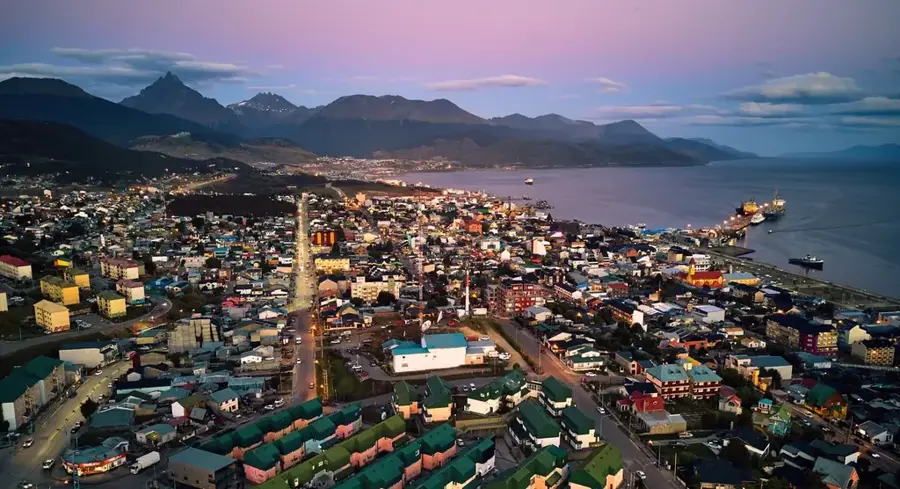
The park is usually easily accessible from Ushuaia via a highly scenic roadway. There are also regular bus services and organized guided tours that transport visitors directly to the main entrances of this natural paradise.
📅
Best season
The southern summer months, typically from November to March, usually offer the most stable and warmest weather. In winter, parts of the park are snow-covered, which complicates hiking but features a truly unique winter landscape.
⛰️
Terrain & paths
The terrain encompasses coastal paths, pristine dense forests, and rocky mountain trails. Most of the designated hiking trails are well maintained and offer varying difficulty levels, ranging from easy walks to challenging ascents.
🎒
What to bring
Windproof and waterproof layered clothing is absolutely crucial due to the highly unpredictable Patagonian weather. Sturdy footwear and sun protection are generally strongly advised, even on days that appear to be cool and overcast.
🅿️
Parking
There are usually plenty of clearly marked parking spaces at the visitor center and at the trailheads of the main hiking routes. Many visitors prefer to use the available bus transport to avoid the hassle of finding a parking spot entirely.
⚠️
Safety
Always stay on the marked trails to avoid getting lost and to protect the pristine nature. Extreme gusts of wind can occur suddenly; therefore, it is vital to closely heed any warnings provided at the entrance or by the park rangers.
⏱️
Time needed
A typical excursion often takes a full day to properly see the highlights like the bay or the southernmost paths. However, there is also the excellent option to plan multi-day hikes with overnight stays in designated camping areas.

Geography

Coordinates
-54.80000, -68.50000

Facts

  • The park was officially established on September 30, 1960.
  • It covers a total land area of 630 square kilometers.
  • Only about 2,000 hectares of the park are open to the general public.
  • Lapataia Bay is located 3,063 kilometers away from Buenos Aires.
  • The 'End of the World Train' runs along a historic narrow-gauge route.
  • Over 90 species of birds have been documented within the protected area.

Explore nearby

Notable places around
Route planner — Car & Motorhome

Where do you start? We build the route here, with stops and country notes along the way.

Vehicle
Only stops with (optional):

© OpenStreetMap contributors · OpenRouteService

Sights in the town Tierra del Fuego National Park (7)

Cerro Cóndor🌿 nature

A majestic mountain peak in Tierra del Fuego National Park known for its rugged Andean terrain and sweeping subantarctic views.

La castorera🌿 nature

A forest viewpoint where visitors can observe the complex wooden dams created by the introduced North American beavers.

Bahía Lapataia📍 landmark

A striking coastal bay ringed by subpolar forests that notably marks the very end of the Pan-American Highway.

Mirador Lapataia🌿 nature

An elevated scenic overlook providing sweeping vistas of the serene, forest-fringed waters of Lapataia Bay.

Bahia Ensenada Zaratiegui📍 landmark

A photogenic cove along the Beagle Channel that hosts the famous End of the World Post Office on its shores.

Sala de Interpretación Maiá-Kú🏛 museum

An educational interpretation center providing exhibits on the unique subpolar ecology and indigenous history of Tierra del Fuego.

Glacier Martial📍 landmark

A retreating cirque glacier situated high above Ushuaia, accessible via a winding trail that provides spectacular views of the Beagle Channel.

Sights nearby

Frequently asked questions

Where does the Pan-American Highway end?
In Lapataia Bay, marked by a famous sign at the end of Route 3.
Does the 'End of the World Train' enter the park?
Yes, the historic steam train takes visitors from Ushuaia into the national park.
Can you send postcards from here?
Yes, at the 'End of the World Post Office' in Ensenada Bay, you can get special stamps.
What is the difficulty of the hiking trails?
Most coastal trails are flat and easy, only the Pampa Alta trail is steeper.
Are there restaurants in the park?
There is a visitor center (Alakush) with a cafe and restaurant serving hot meals.
Tierra del Fuego National Park: where is it located?
Tierra del Fuego National Park is located in Chile.
Tierra del Fuego National Park: what is there to see?
Highlights include Cerro Cóndor, La castorera, Bahía Lapataia.
Tierra del Fuego National Park: when is the best time to visit?
The most pleasant time to visit is Jan, Mar.
Tierra del Fuego National Park: why is it worth visiting?
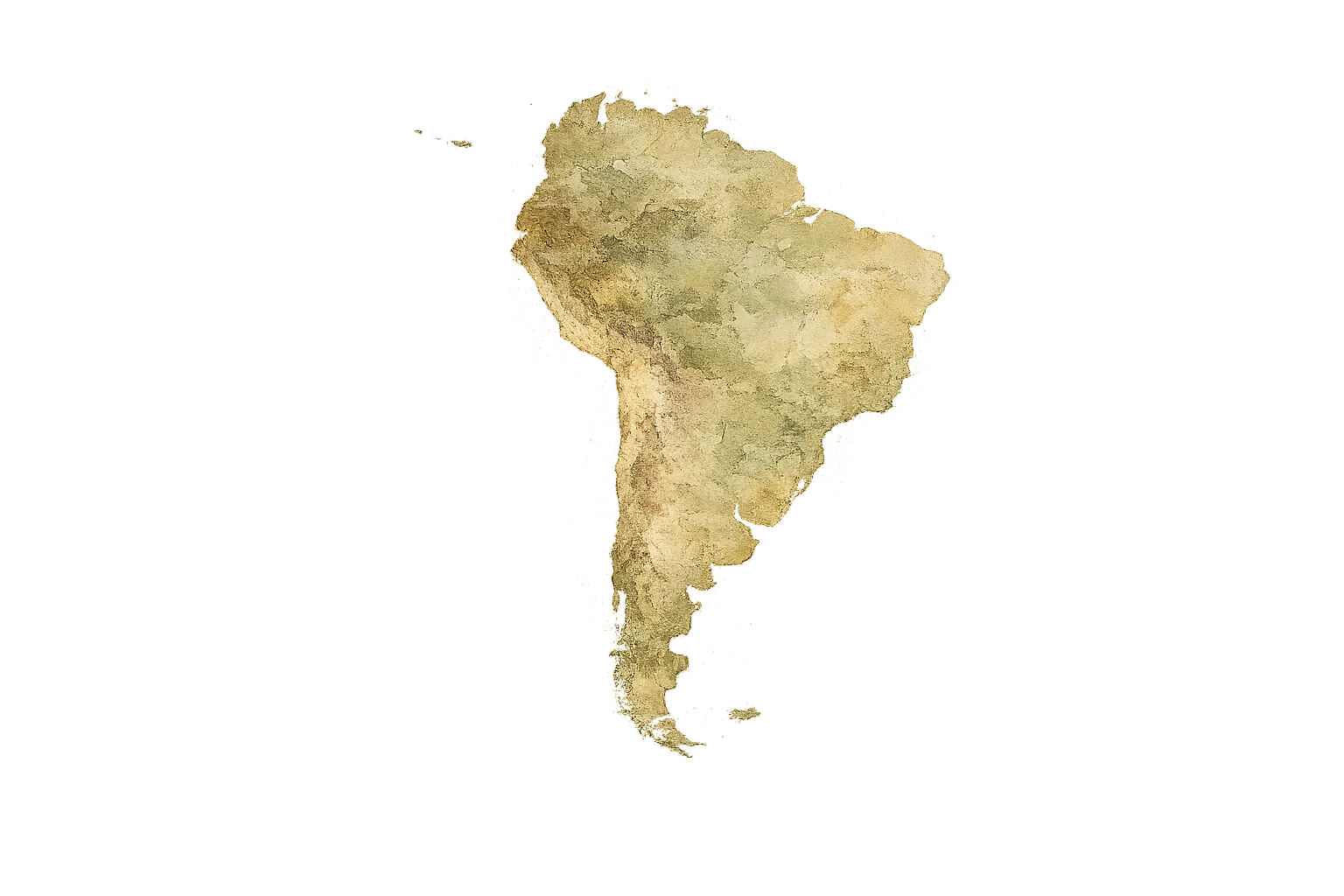
Tierra del Fuego National Park is situated in the far south of Argentina, near the city of Ushuaia, protecting the southernmost stretch of subantarctic forests.
View on map → The Top 50 Attractions → OpenStreetMap →
South America
Explore with Plizio Discover more places in South America
More places in Chile →

Nearby cities

History & landmarks

Nature
More places