Plizio Visual Lab

Tarso Voon
Plizio editorial teamData Sources
Mountain
—°
Tarso Voon (Chad)

Weather…

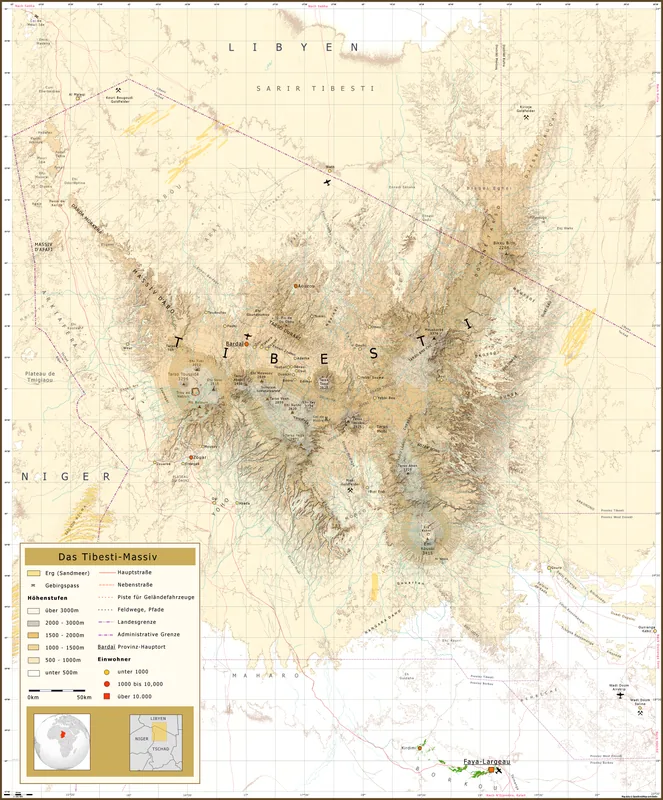
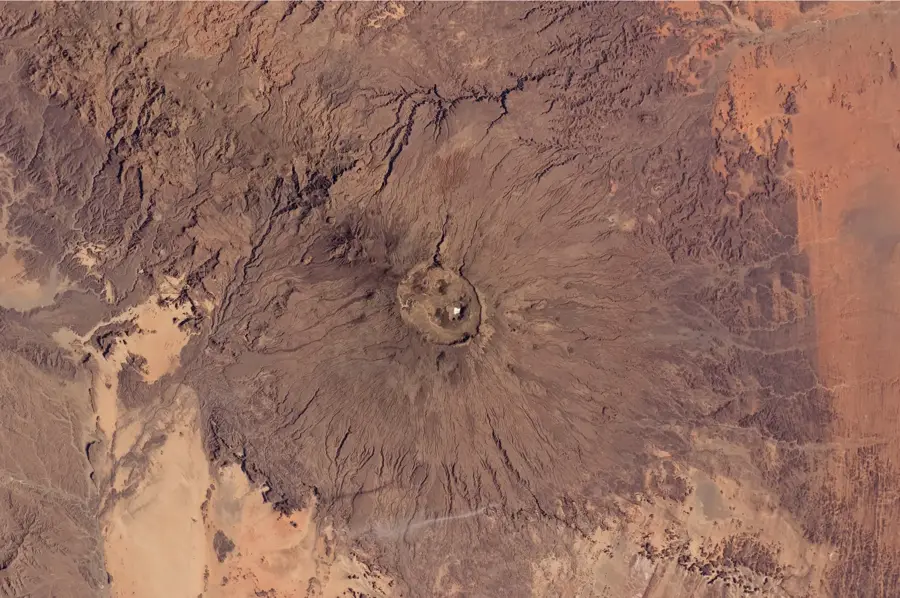
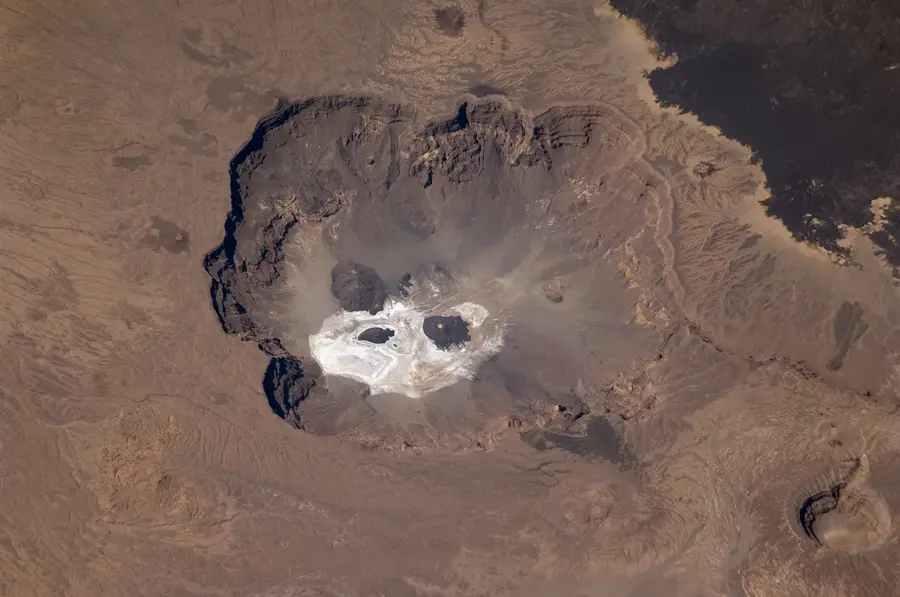
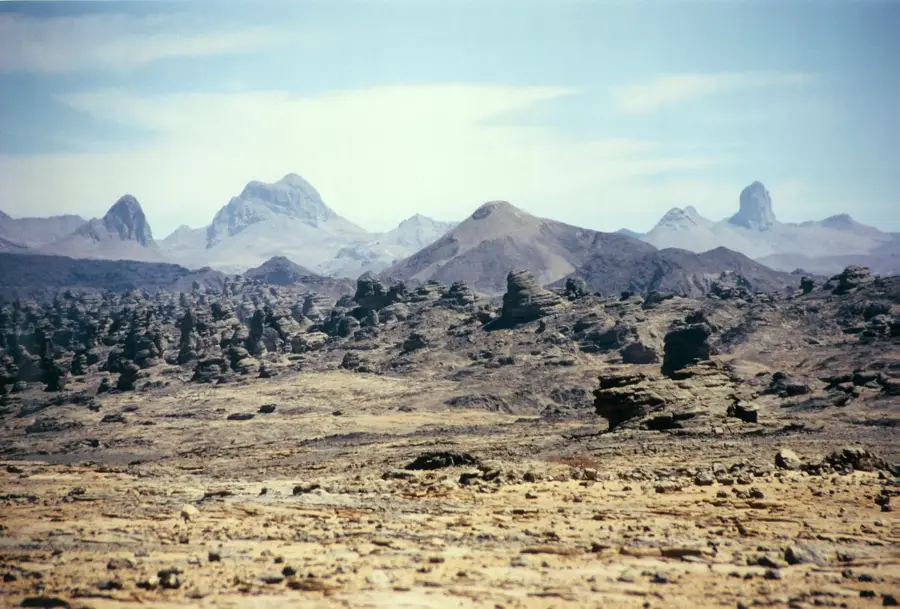
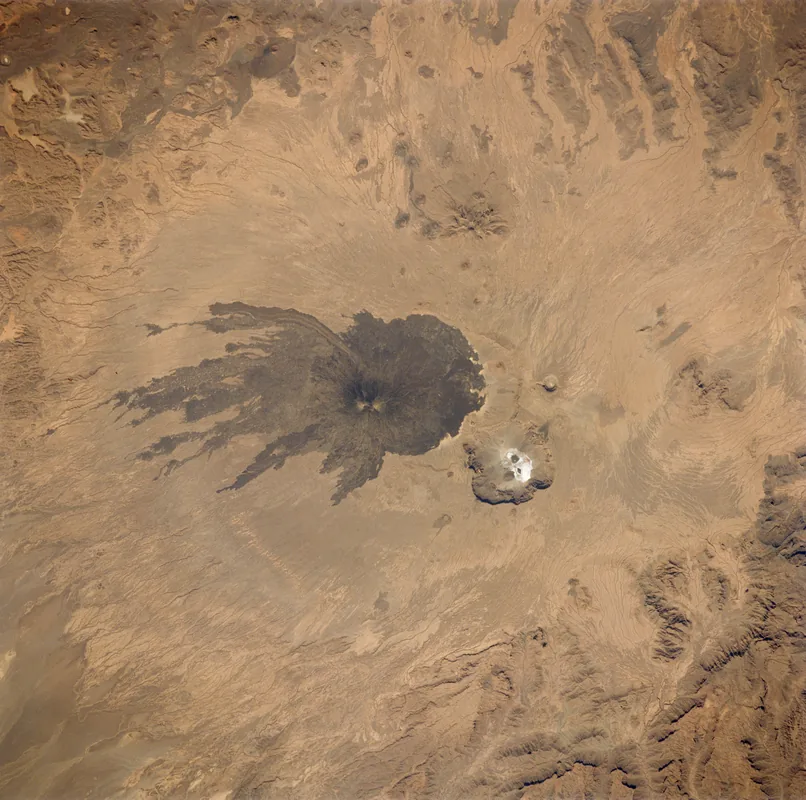
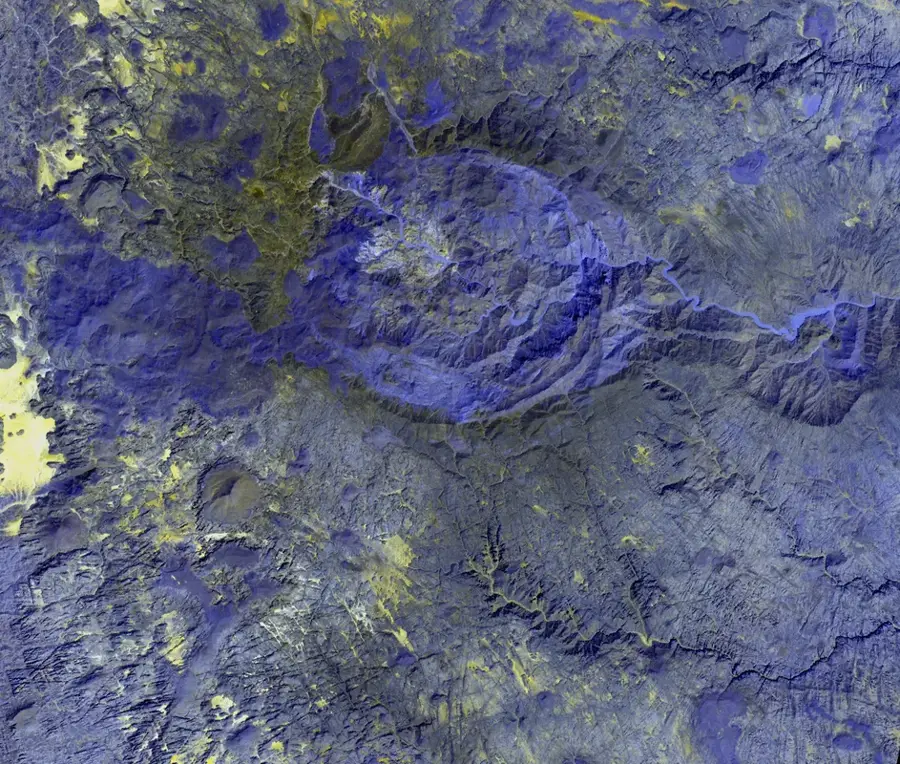
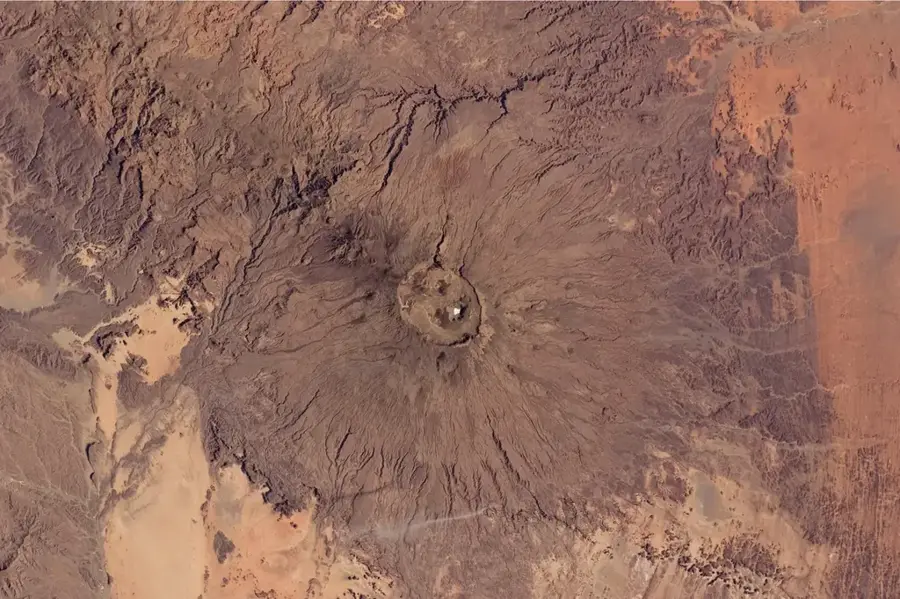
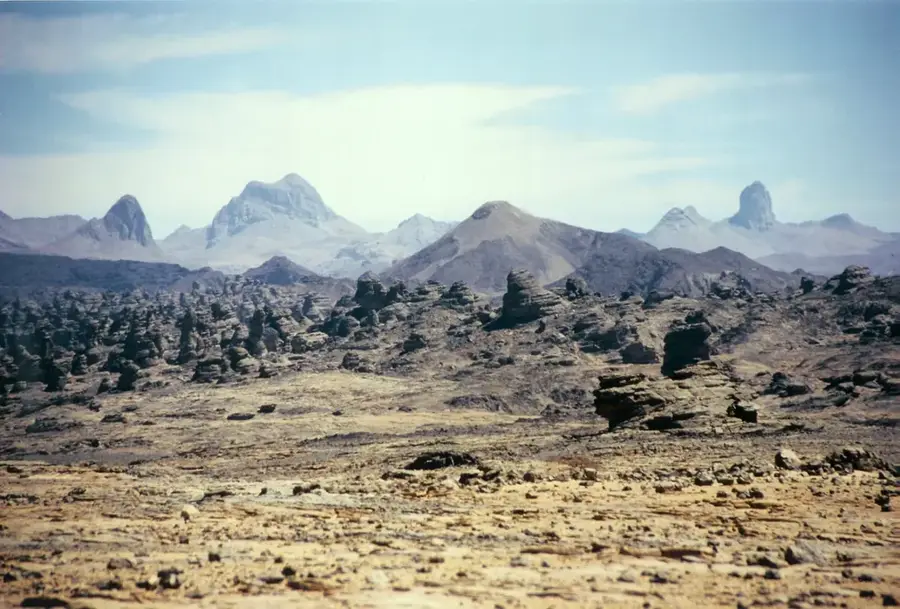
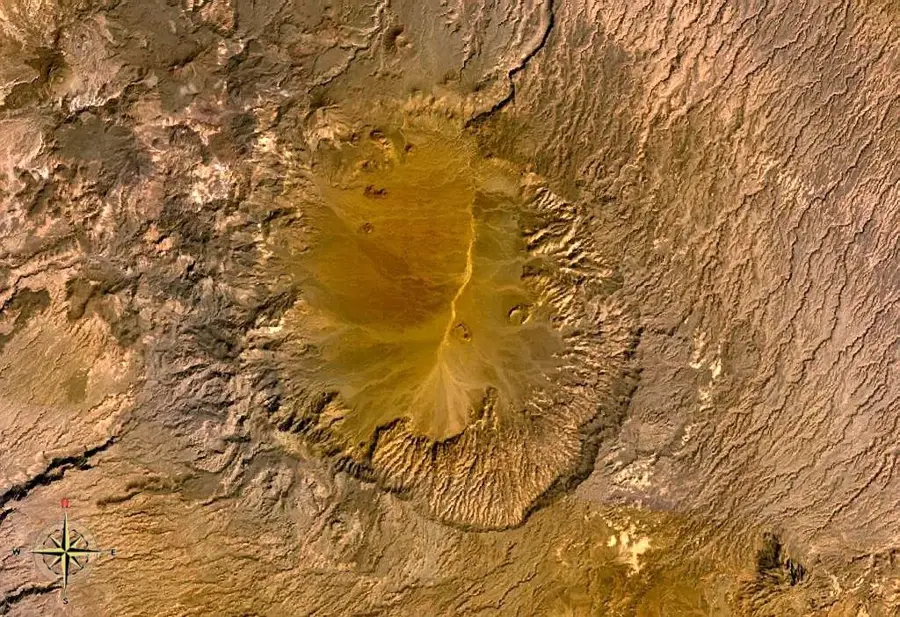
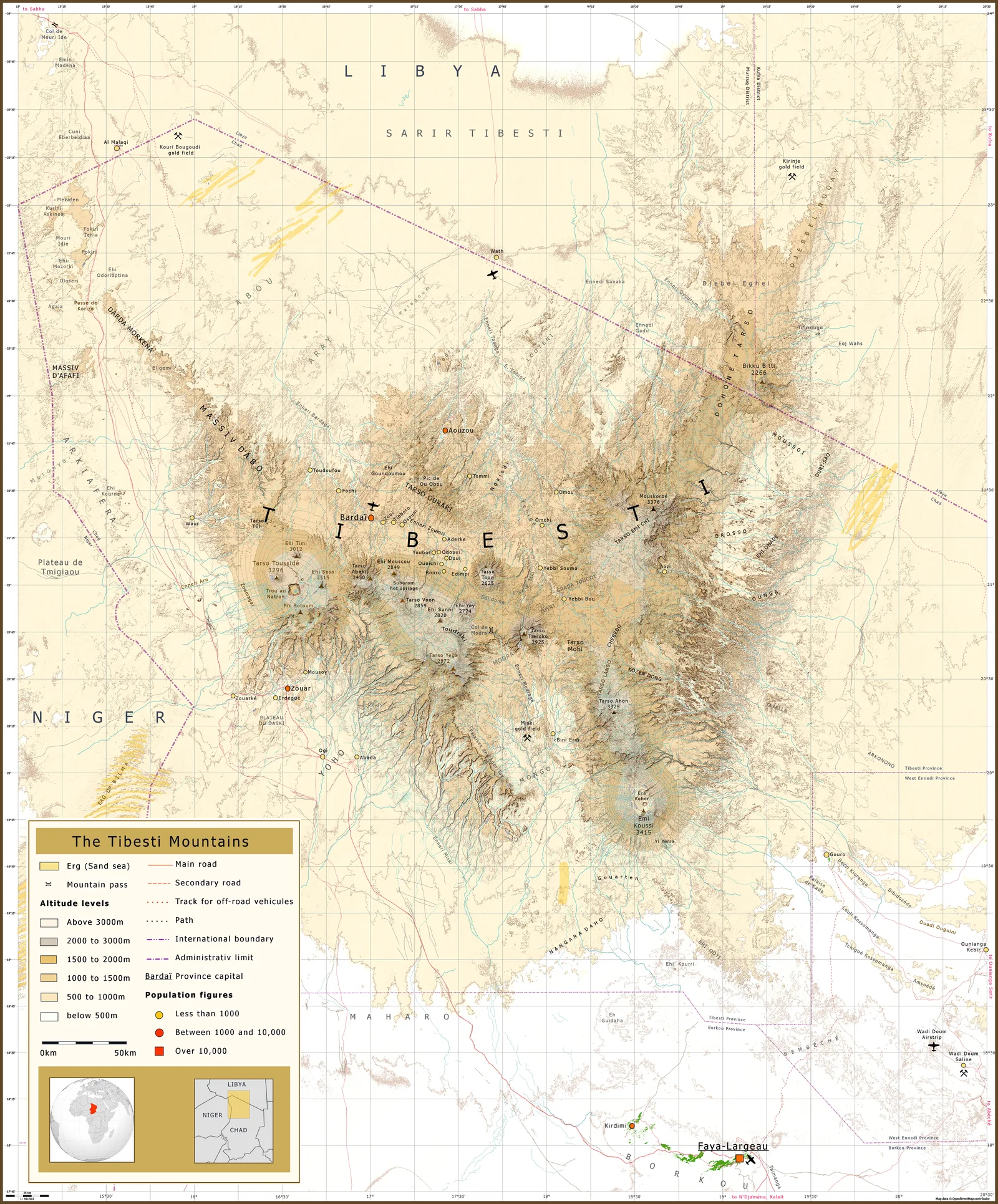
Tarso Voon is a massive volcanic highland in the central Tibesti Mountains of northern Chad, reaching an altitude of approximately 3,100 meters. The most striking feature of this volcano is its enormous summit caldera, measuring roughly 14 by 18 kilometers, formed by a prehistoric structural collapse following immense eruptions. The floor of the caldera is relatively level, covered by quaternary lava flows and various pyroclastic deposits. Tarso Voon is internationally recognized for the Soborom geothermal field on its western flank, where hot springs, mud pots, and fumaroles provide evidence of ongoing magmatic activity beneath the surface. These thermal springs have been used for centuries by the local Tubu nomads for their medicinal properties. The rugged beauty of the terrain, characterized by deep ravines and steep crater walls, makes it one of the most geologically fascinating sites in the Sahara. Vegetation is sparse, consisting mainly of hardy grasses and shrubs that cling to the sheltered areas within the caldera.

Best time to visit & climate

The most pleasant time to visit is Feb, Nov, Dec.

JanFebMarAprMayJunJulAugSepOctNovDec
Avg °C182225303233323131282319
Rain mm00001110327000

📋 Practical info

🧭
Getting there
The Tarso Voon massif is extremely isolated and can only be reached with specialized off-road vehicles via informal desert routes. Careful planning of fuel logistics is necessary, as there are no refueling opportunities on the way to the crater area.
📅
Best season
The winter months offer the best conditions for a hike on the edge of the vast caldera, thanks to the cooler temperatures. In summer, conditions are often unbearable due to extreme heat and intense solar radiation at high altitudes.
⛰️
Terrain & paths
The terrain around the volcano is steep and often covered with loose ash or sharp volcanic rock, making the climb difficult. Exploring the wide caldera requires experience in mountain hiking and high endurance in the thinner mountain air.
🎒
What to bring
High-quality hiking boots with good grip and layered clothing are important to cope with the temperature differences between day and night. Bring adequate sun protection and high-quality sleeping bags for the cold nights in the high mountains.
🅿️
Parking
There are no regulated parking lots; vehicles are usually left at the base of the massif in sheltered spots. It is important to keep vehicles together and choose stopping places that are protected from possible rockfalls or drifting sand.
⚠️
Safety
Volcanic gases can escape in the caldera, so caution is advised and long stays in low depressions should be avoided. However, the greatest danger remains dehydration and the impossibility of quick medical help in this desolate wilderness.
⏱️
Time needed
For a complete exploration of the volcanic massif and the interior of the crater, travelers should plan for at least five to seven days. This time includes the ascent and several days for hikes along the caldera rim and in the center of the volcano.

Geography

Coordinates
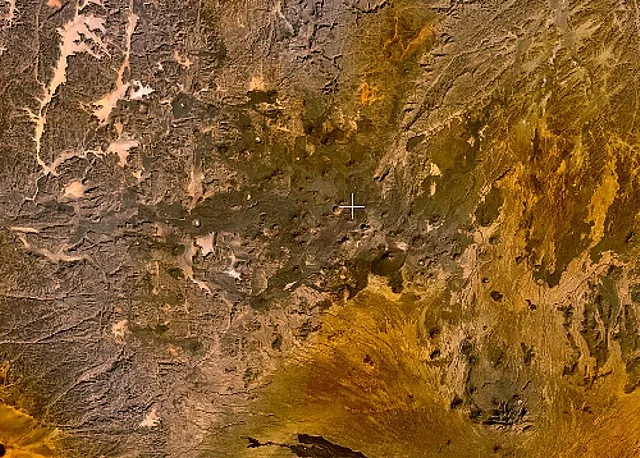
17.30000, 20.90000

Facts

  • Elevation: approx. 3,100 m
  • Caldera dimensions: 14 x 18 km
  • Geothermal field: Soborom springs
  • Range: Central Tibesti
  • Geology: Quaternary lava flows
  • Cultural fact: Traditional Tubu medicinal site

Explore nearby

Notable places around

Route planner — Car & Motorhome

Where do you start? We build the route here, with stops and country notes along the way.

Vehicle
Only stops with (optional):

© OpenStreetMap contributors · OpenRouteService

Sights nearby

Frequently asked questions

What is Tarso Voon?
It is a large, extinct volcano in the heart of the Tibesti Mountains.
Can you visit the crater?
The crater is accessible, but only with a local, experienced guide.
What is the trip like?
Very demanding, only possible with 4x4 off-road vehicles.
Is there tourist infrastructure there?
Not at all, the area is completely untouched.
When is the light best for photos?
At sunrise and sunset, the contrasts are most dramatic.
Tarso Voon: where is it located?
Tarso Voon is located in Chad.
Tarso Voon: when is the best time to visit?
The most pleasant time to visit is Feb, Nov, Dec.
Tarso Voon: why is it worth visiting?
Tarso Voon is a massive volcanic highland in the central Tibesti Mountains of northern Chad, reaching an altitude of approximately 3,100 meters.
View on map → The Top 50 Attractions → OpenStreetMap →
Africa
Explore with Plizio Discover more places in Africa
More places in Chad →

Nearby cities

History & landmarks
More places