Plizio Visual Lab
Gonoa Petroglyphs

Weather…
Water temperature…
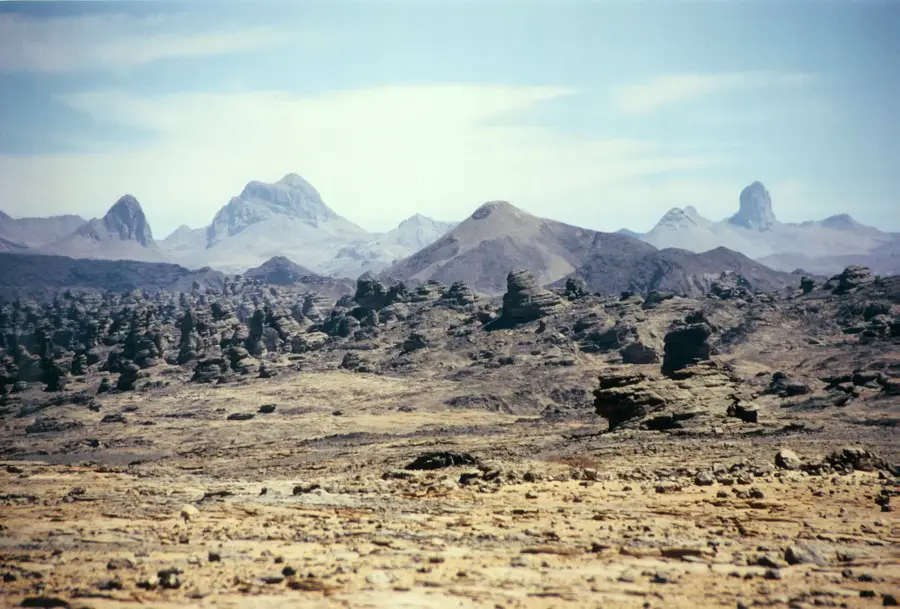
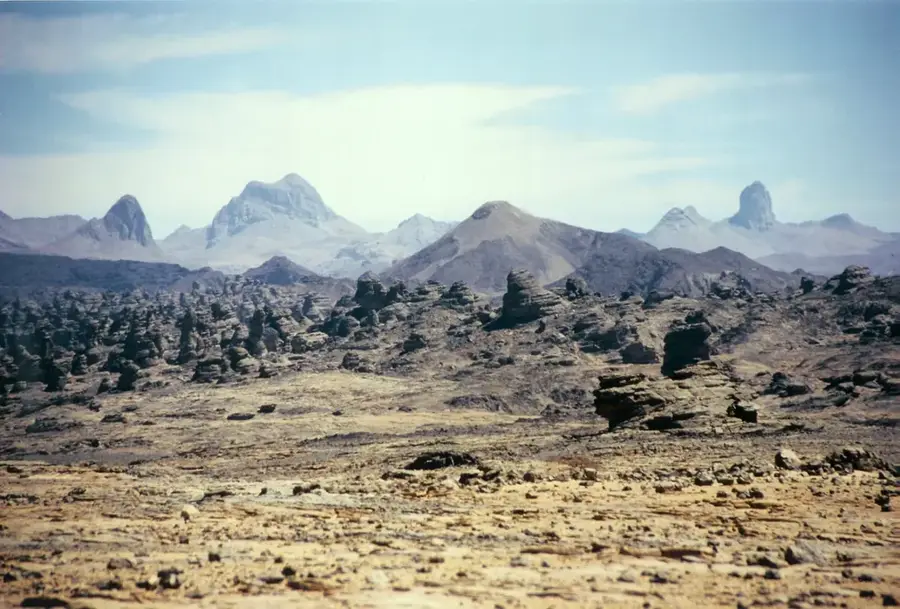
The Gonoa petroglyphs, situated within the Ennedi Massif of northeastern Chad, represent a vital archaeological record of the diverse cultures that inhabited the Sahara during its 'green' periods. These rock engravings date primarily to the Pastoral period, roughly between 5000 and 2000 BC, and are famous for their detailed depictions of human figures, wildlife, and domestic cattle. One of the most striking features of the Gonoa site is the representation of archers and warriors, providing evidence of the social organization and defensive practices of ancient Saharan populations. The artists used incised lines on the sandstone cliffs to create life-like images that have survived for millennia due to the region's arid climate. These artworks offer a window into the transition from hunter-gatherer societies to nomadic pastoralism, as the environment gradually shifted from a lush savanna to the desert landscape seen today. The site is particularly significant for its variety of artistic styles, which suggest long-term occupation by different ethnic groups over several centuries. As part of the Ennedi UNESCO site, Gonoa is recognized for its immense contribution to human history.
- Location: Chad
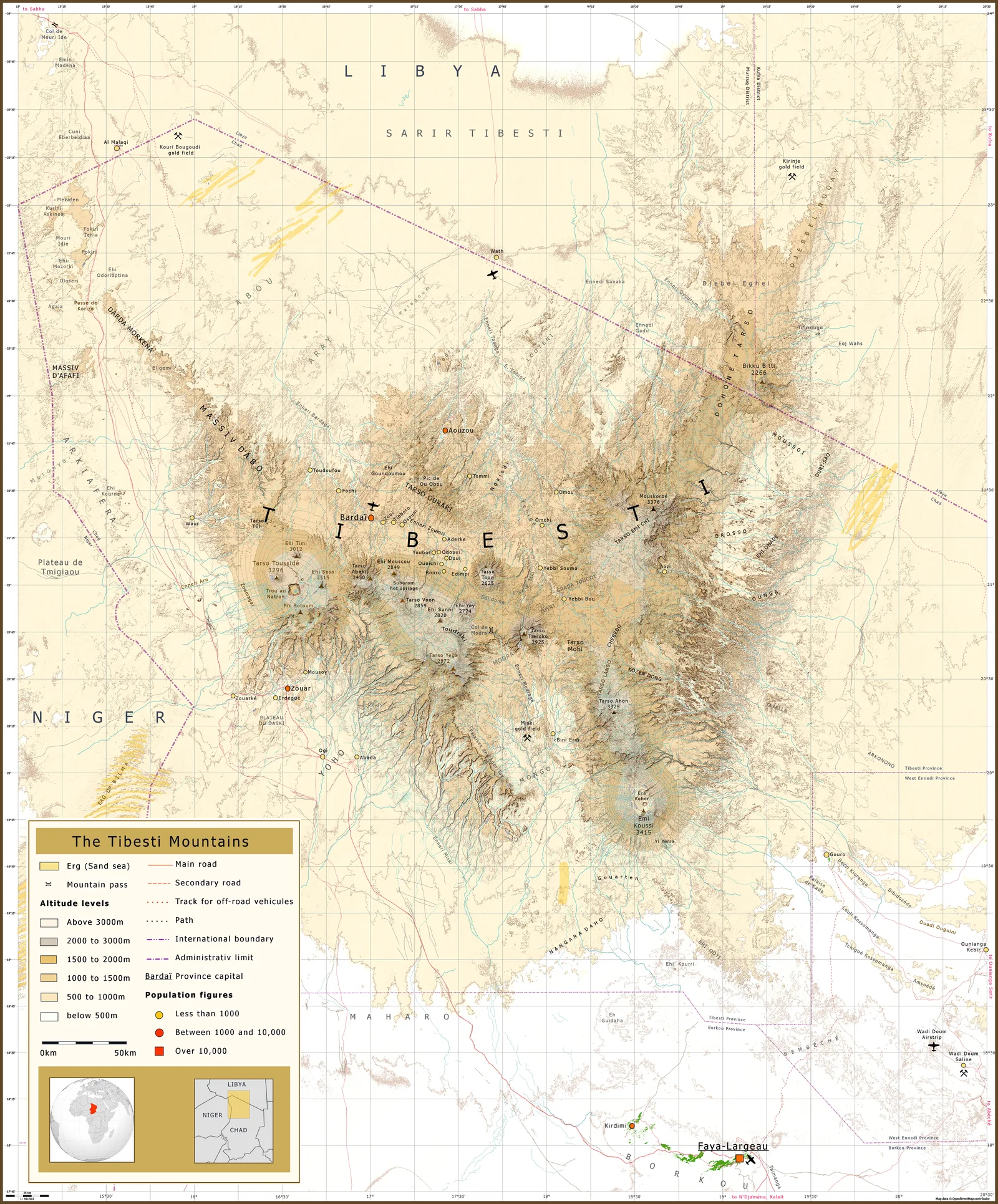
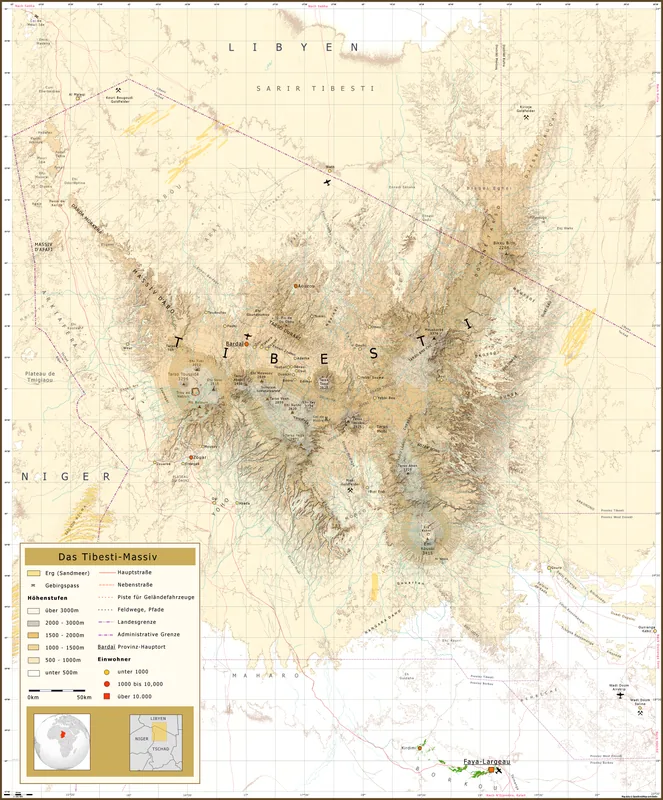
- Nearby: Bardaï (5 km)
Best time to visit & climate
The most pleasant time to visit is Mar, Oct, Nov.
| Jan | Feb | Mar | Apr | May | Jun | Jul | Aug | Sep | Oct | Nov | Dec | |
|---|---|---|---|---|---|---|---|---|---|---|---|---|
| Avg °C | 13 | 16 | 20 | 25 | 28 | 30 | 29 | 29 | 28 | 24 | 19 | 15 |
| Rain mm | 0 | 0 | 0 | 0 | 4 | 3 | 2 | 11 | 2 | 1 | 0 | 0 |
📋 Practical info
Geography
Facts
- The Gonoa petroglyphs primarily date back to the period between 5000 and 2000 BC.
- The site is well-known for its depictions of armed archers and warriors.
- Animal motifs include domestic cattle and wild species that are now locally extinct.
- The engravings were created using deep incisions into the sandstone rock face.
- The site is located in a remote canyon within the Ennedi Plateau region.
- Gonoa provides critical evidence of the early transition to pastoralism in North Africa.
Explore nearby
Notable places around

Route planner — Car & Motorhome
Where do you start? We build the route here, with stops and country notes along the way.
© OpenStreetMap contributors · OpenRouteService
Sights in the town Gonoa Petroglyphs (1)
Sights nearby
Frequently asked questions
What can be found at Gonoa?
Is the area safe?
Can one touch the engravings?
Best time of day for photos?
Is a visa needed for the region?
Gonoa Petroglyphs: where is it located?
Gonoa Petroglyphs: when is the best time to visit?
Gonoa Petroglyphs: why is it worth visiting?

Nearby cities
History & landmarks
More places