Plizio Visual Lab

Struma Plain
Plizio editorial teamData Sources
valley
—°
Struma Plain (Bulgaria)

Weather…

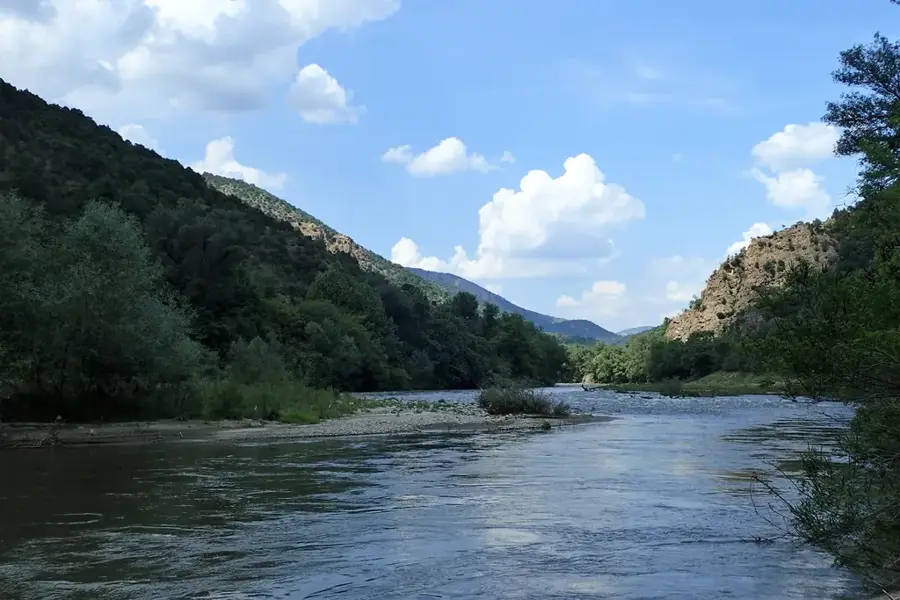
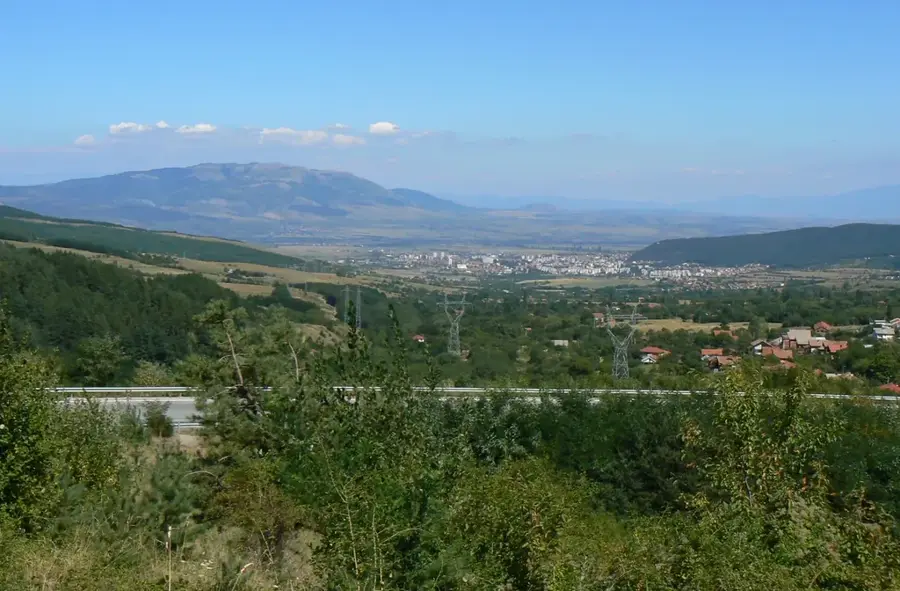
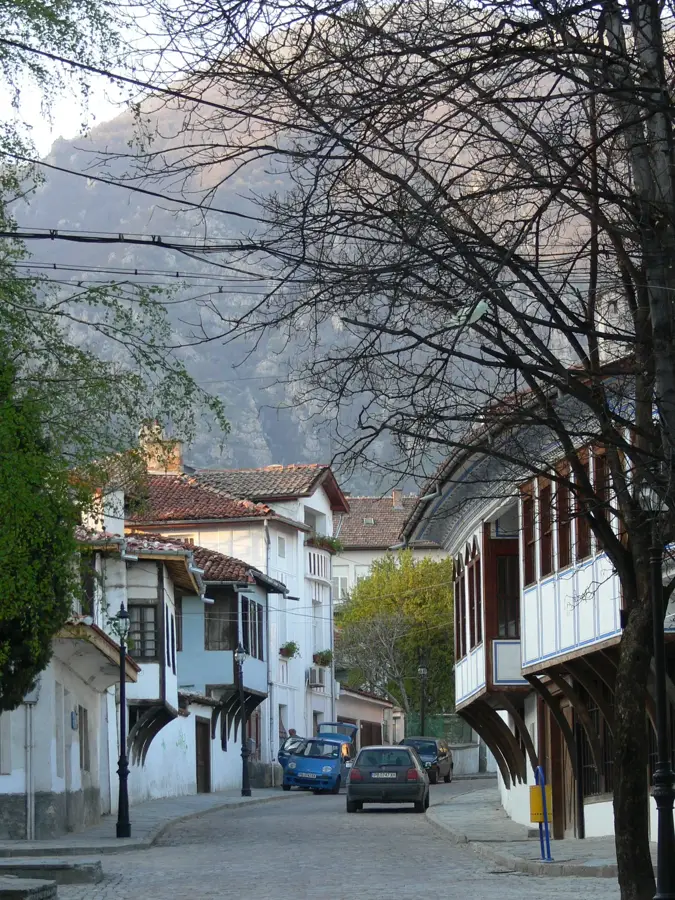
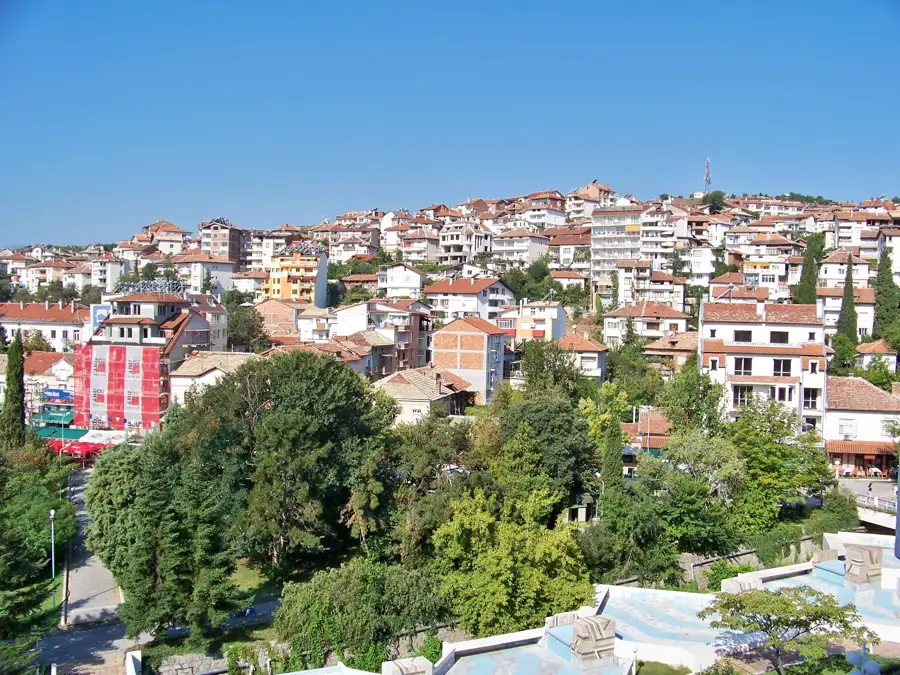
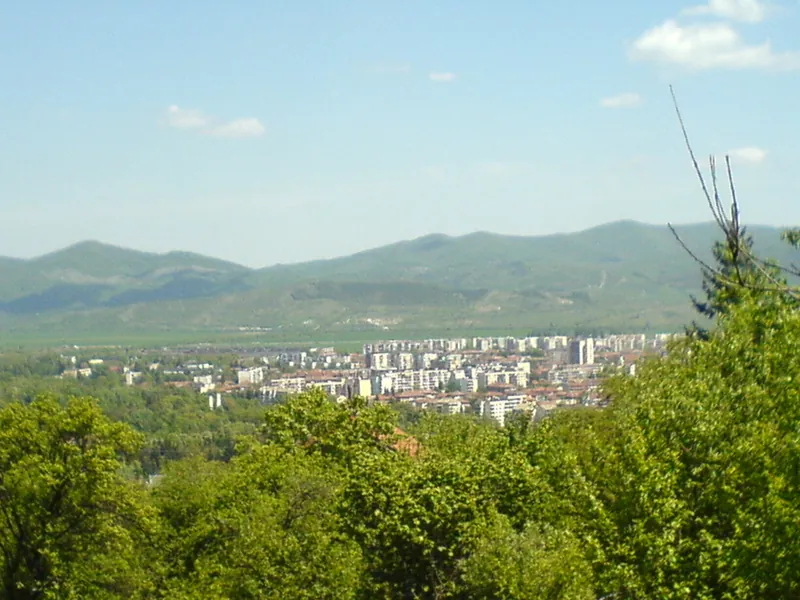
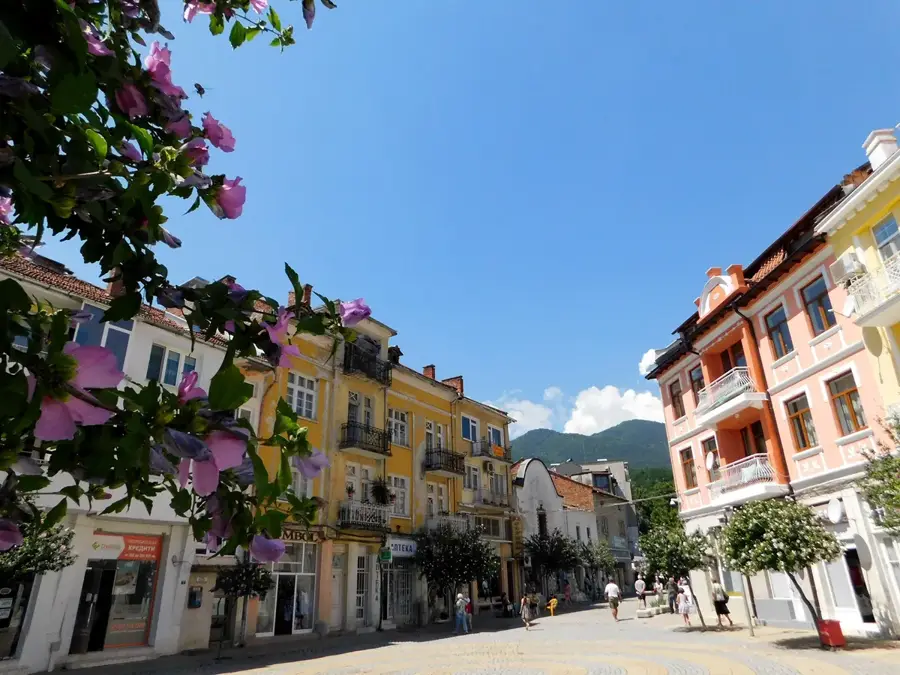
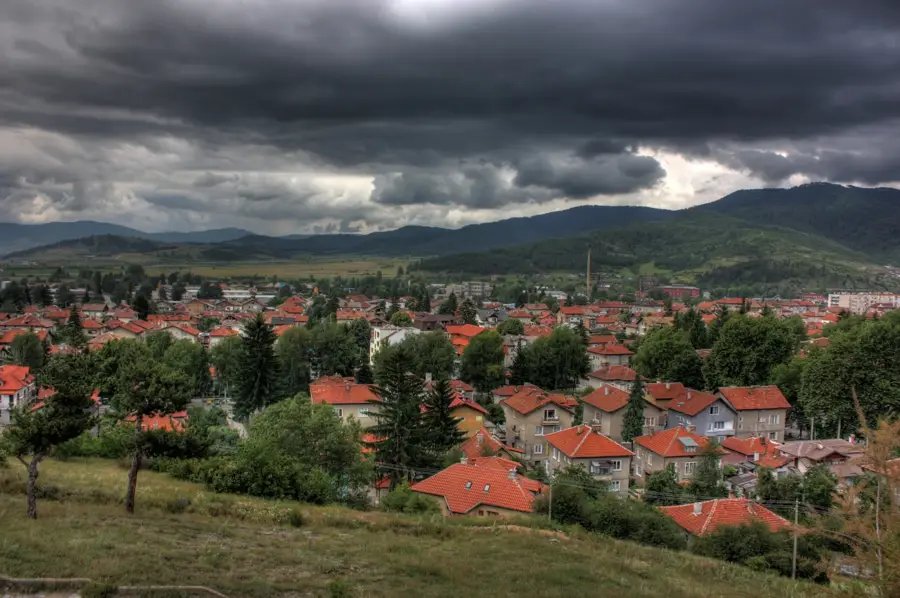
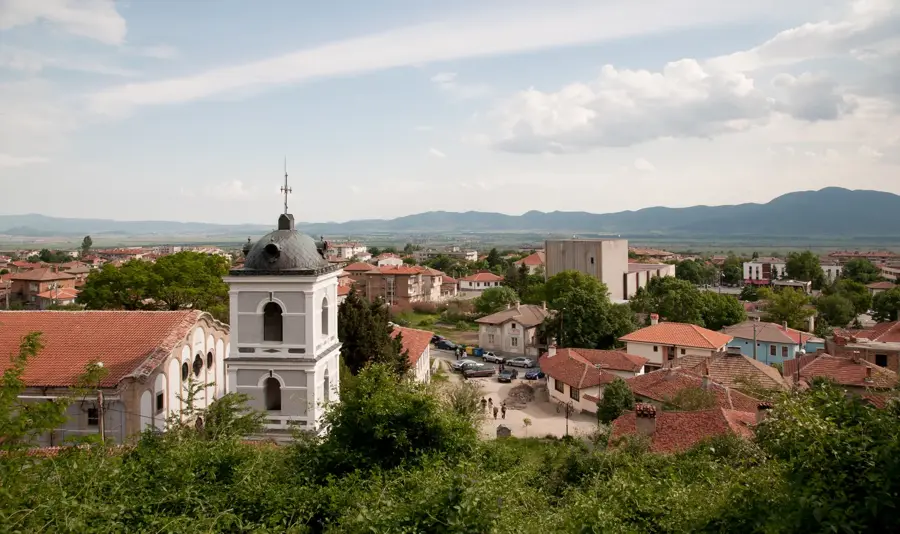
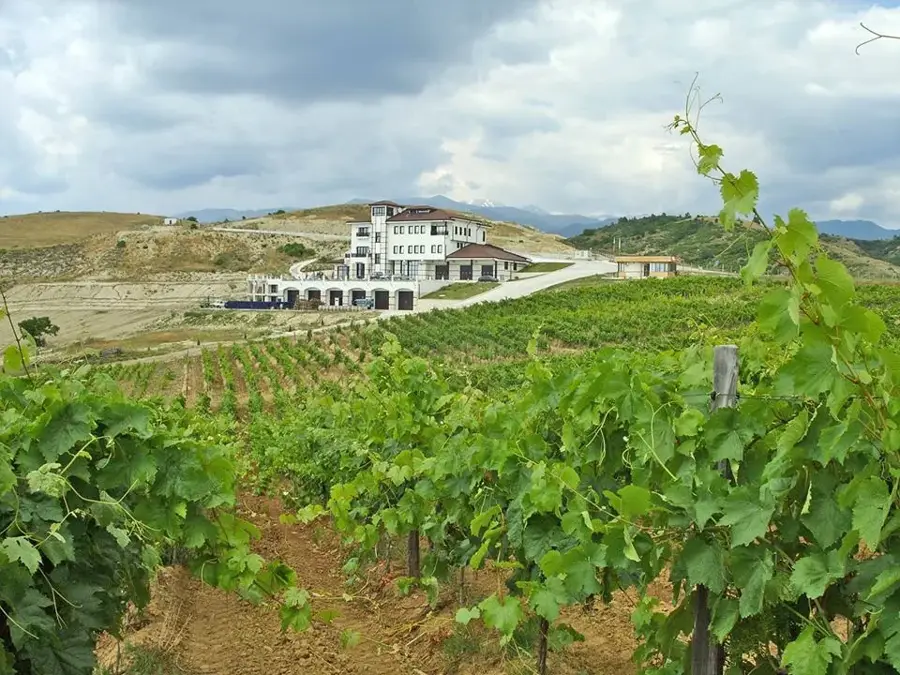
The Struma Plain extends along the lower course of the Struma River in southwestern Bulgaria, forming part of a significant tectonic graben system. Geologically, the plain is defined by Quaternary sediments and alluvial soils deposited by the river's historical flooding patterns. The local climate is markedly Mediterranean, featuring hot, arid summers and mild winters, rendering it one of the warmest regions in the country. Historically, the plain served as a vital strategic corridor linking the Aegean coast with the Balkan interior, evidenced by numerous Thracian and Roman archaeological sites. Agriculture remains the primary economic activity, with a focus on tobacco cultivation, early-season vegetables, and high-quality viticulture. A notable geological feature within the plain is the isolated volcanic hill of Kozhuh, the remnant of an extinct volcano. The flat terrain is dramatically framed by the towering peaks of the Pirin and Belasitsa mountain ranges. Today, the Struma Plain is also renowned for its thermal mineral springs, which support a thriving balneotherapy industry in towns like Sandanski.

Best time to visit & climate

The most pleasant time to visit is Jun, Aug, Sep.

JanFebMarAprMayJunJulAugSepOctNovDec
Avg °C1261116212424191372
Rain mm524455556466464250575064

📋 Practical info

🧭
Getting there
The expansive agricultural plain is effortlessly accessed via the comprehensive, well-maintained network of local roads securely connecting the bustling farming hubs of southern Bulgaria. The relatively flat, welcoming topography makes daily navigation exceptionally straightforward and highly pleasant by car or bicycle.
📅
Best season
The highly lively, colorful spring reliably brings lush green fields, while the progressively warmer late summer and mildly crisp autumn are completely characterized by the energetic bustle of the harvest season. The area is widely known for its reliably warm climate, making it continuously pleasant.
⛰️
Terrain & paths
The expansive surrounding landscape is predominantly wonderfully flat, beautifully featuring vast open agricultural fields, thriving productive vineyards, and authentically welcoming small rural communities. The paths are mostly unpaved, pleasantly wide agricultural tracks that are very reliably easy to traverse.
🎒
What to bring
Relaxed, totally casual, comfortable lightweight clothing and highly practical light walking shoes are typically absolutely all that is genuinely needed for gently exploring the sun-drenched plain. Always bring a wide hat and protective sunglasses, as there is predictably remarkably little natural shade.
🅿️
Parking
Straightforward, highly convenient parking is rarely ever a serious issue; visiting travelers can usually just easily confidently leave their cars right safely within the small welcoming village centers. Crucially importantly, strictly ensure you never selfishly block the wide access points heavily used by machinery.
⚠️
Safety
The absolute primary realistic essential health risks are continuously directly related to intense dangerous direct overhead sun exposure entirely during the scorching brutally hot peak summer months, so always responsibly carefully consistently carry properly plenty of extra cool refreshing drinking water. Always be highly mindful.
⏱️
Time needed
A beautifully relaxed, unhurried visit to the expansive Struma Plain might easily last a few deeply engaging hours for a peaceful, leisurely nature walk or a pleasantly smooth scenic cycling trip. Many visitors also take their time gently exploring the timeless rural countryside and the welcoming, authentically traditional local villages scattered throughout.

Geography

Coordinates
41.55000, 23.20000

Facts

  • The town of Sandanski boasts the highest annual duration of sunshine in Bulgaria.
  • The Struma River flows for a total length of 415 kilometers.
  • The plain lies at an average elevation of only 100 to 200 meters above sea level.
  • Kozhuh Hill was officially designated as a natural monument in 1962.
  • The region is the primary cultivation area for the 'Broad-leaved Melnik Vine'.
  • The ancient ruins of Heraclea Sintica are located at the edge of the plain.

Explore nearby

Notable places around
Route planner — Car & Motorhome

Where do you start? We build the route here, with stops and country notes along the way.

Vehicle
Only stops with (optional):

© OpenStreetMap contributors · OpenRouteService

Sights nearby

Frequently asked questions

Where is the Struma Plain located?
In southwestern Bulgaria, along the lower course of the Struma River.
Why is Rupite known?
It is the home of the prophetess Baba Vanga and has hot springs.
What is grown in the plain?
Thanks to the warm climate, grapes, figs, and peaches grow here.
Which city is the center?
Petrich is the largest city in this fertile plain.
Are there ancient ruins?
The ancient city of Heraclea Sintica is located near Rupite.
Struma Plain: where is it located?
Struma Plain is located in Bulgaria.
Struma Plain: when is the best time to visit?
The most pleasant time to visit is Jun, Aug, Sep.
Struma Plain: why is it worth visiting?

The Struma Plain extends along the lower course of the Struma River in southwestern Bulgaria, forming part of a significant tectonic graben system.
View on map → The Top 50 Attractions → OpenStreetMap →
Europe
Explore with Plizio Discover more places in Europe
More places in Bulgaria →

Nearby cities

History & landmarks