Plizio Visual Lab

Atlantic Forest
Plizio editorial teamData Sources
Forest
—°4
Atlantic Forest (Brazil)

Weather…

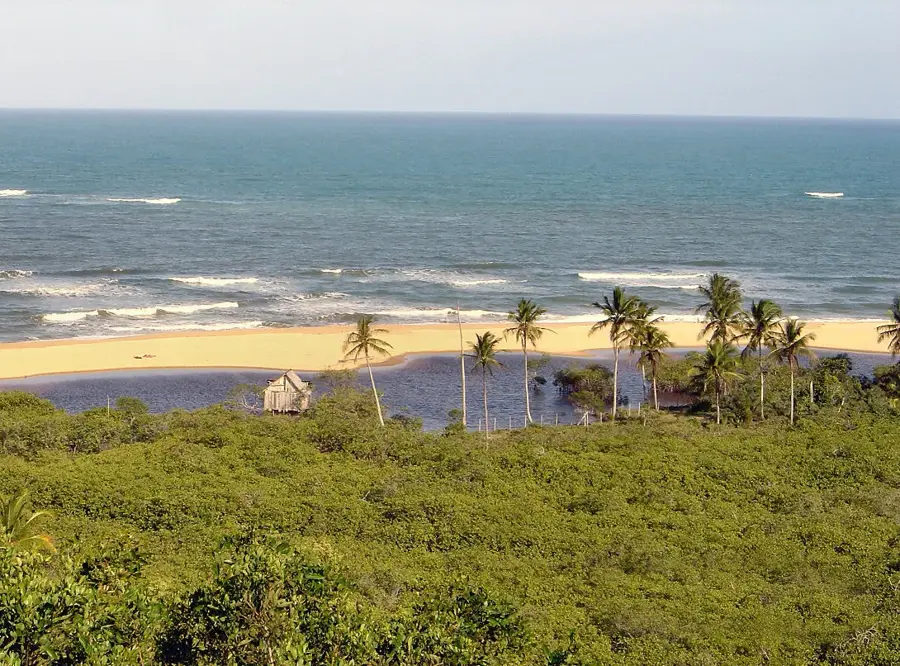
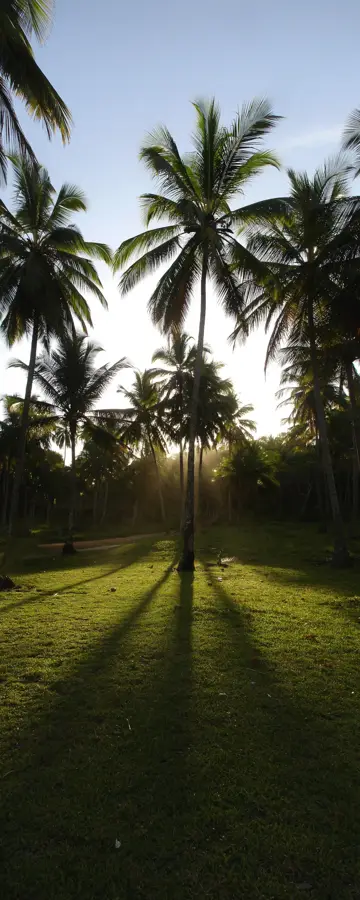
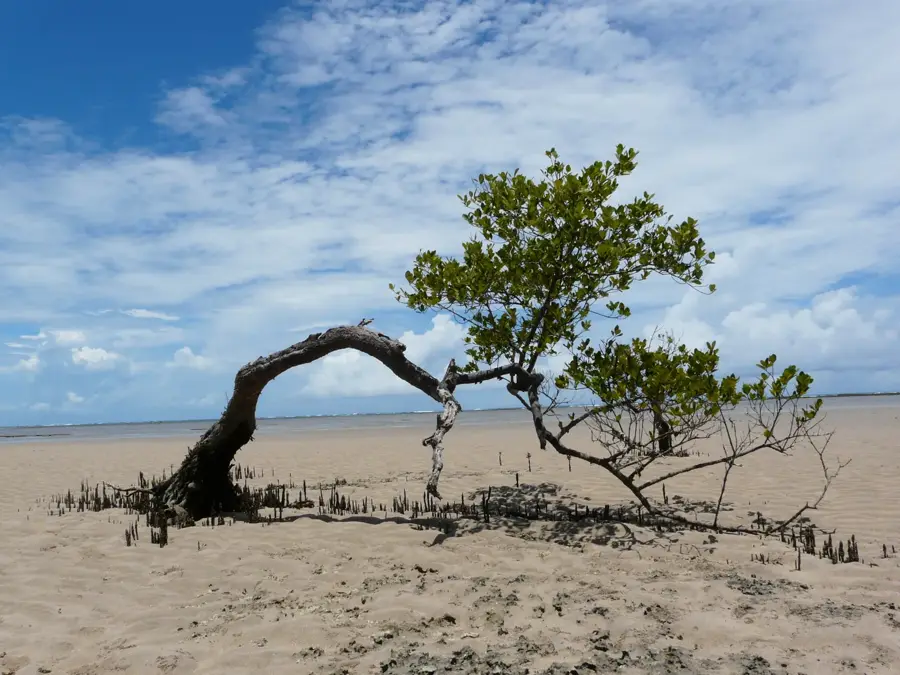
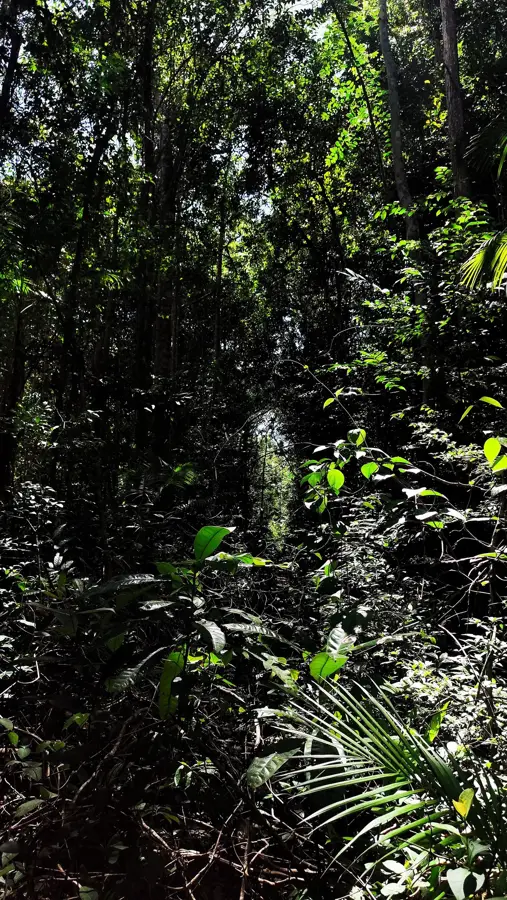
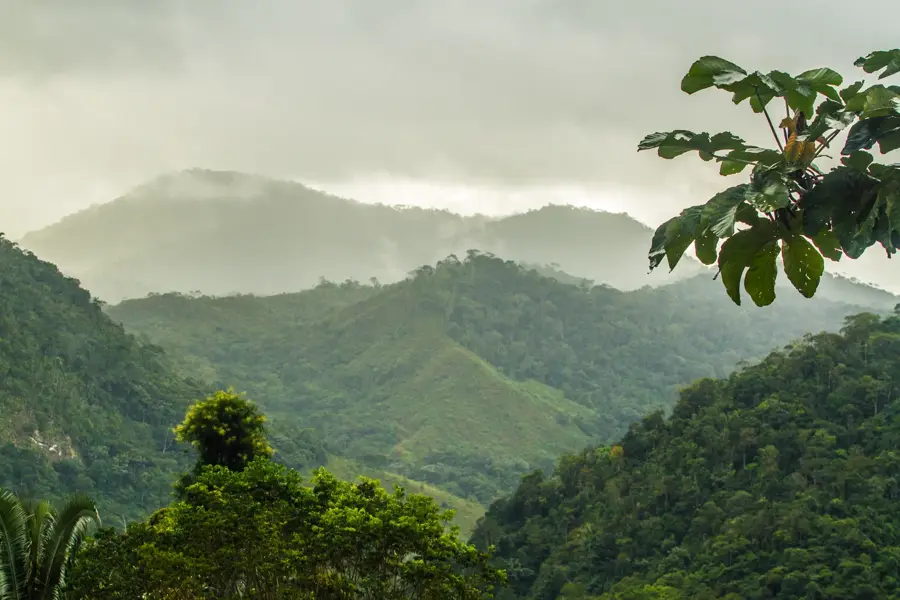
The Atlantic Forest (Mata Atlântica) extends along the eastern coast of Brazil and is one of the most biodiverse yet most threatened ecosystems in the world. Originally covering approximately 1.3 million square kilometers, only about 12% to 15% of its original area remains today in a fragmented state. Despite this massive destruction, it hosts an extraordinary number of endemic species; about 40% of its vertebrates and over 50% of its plant species are found nowhere else on Earth. The vegetation ranges from coastal mangroves and restingas to montane cloud forests in the higher elevations of the Serra do Mar. Historically, the Mata Atlântica was the first area of Brazil to be heavily impacted by colonization, with the establishment of sugarcane and coffee plantations and later urbanization. Today, more than 70% of the Brazilian population lives within the forest's former range, increasing pressure on the remaining protected areas. International and national conservation organizations are working intensively on reforestation and the creation of ecological corridors to enable genetic exchange between isolated forest fragments.

Best time to visit & climate

The most pleasant time to visit is Jul–Sep.

JanFebMarAprMayJunJulAugSepOctNovDec
Avg °C272727272625242424252626
Rain mm100991261201121079277578412397

📋 Practical info

🧭
Getting there
Access points are numerous due to its proximity to major coastal cities like São Paulo and Rio de Janeiro. Many state and national parks offer well-marked entrance gates and trails.
📅
Best season
It can be visited year-round, but the cooler, drier months from May to September are usually more comfortable for hiking and avoiding the heavy, frequent tropical summer rains.
⛰️
Terrain & paths
The terrain is often steep and mountainous, characterized by dense vegetation, humid trails, and frequent elevation changes. Muddy conditions are very common after heavy rainfalls.
🎒
What to bring
Sturdy hiking boots with good grip, breathable layers, and rain jackets are absolutely necessary. A reliable map or GPS device is highly useful for navigating the trail networks.
🅿️
Parking
Most official park entrances and visitor centers provide designated parking areas for cars. It is highly advisable to arrive early on weekends to secure a spot before they fill up.
⚠️
Safety
Stick to marked trails to avoid getting lost in the dense vegetation. Be aware of local wildlife, including snakes and insects, and prepare for sudden weather changes in the mountains.
⏱️
Time needed
Visits can easily range from a quick two-hour hike to full-day trekking adventures, depending entirely on the specific park, your fitness level, and the chosen trail for the itinerary.

Geography

Coordinates
-15.00000, -39.00000

Facts

  • The forest originally covered about 1.3 million square kilometers.
  • Less than 15% of the original forest area remains today.
  • Over 50% of the plant species found here are endemic.
  • More than 70% of Brazilians live within the forest's former range.
  • UNESCO designated parts of the forest as a Biosphere Reserve.
  • Over 20,000 different plant species have been recorded here.

Explore nearby

Notable places around
Route planner — Car & Motorhome

Where do you start? We build the route here, with stops and country notes along the way.

Vehicle
Only stops with (optional):

© OpenStreetMap contributors · OpenRouteService

Sights in the town Atlantic Forest (4)

Praia de Olivença🎡 recreation

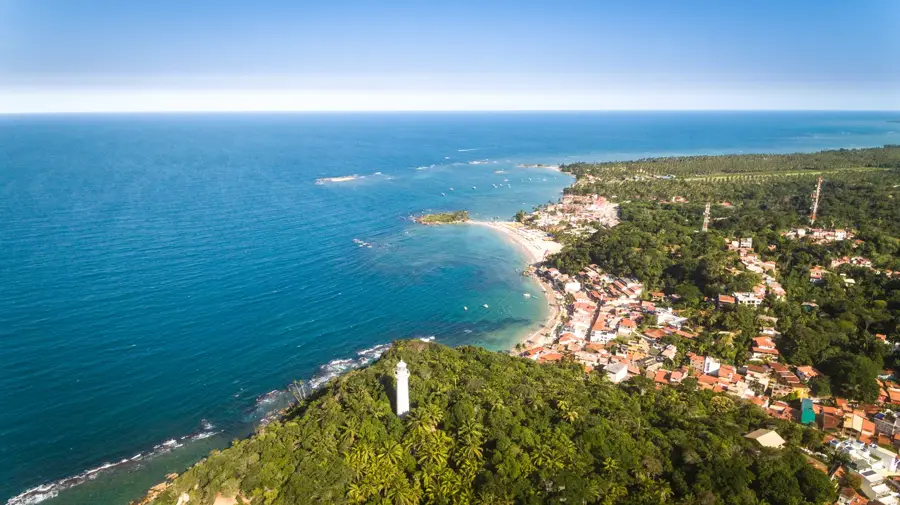
Located on the edge of the Atlantic Forest, this beach gives wide sandy stretches and is known for its nearby thermal baths.

Praia do Jairi🎡 recreation

Praia do Jairi is a reef-protected beach along the Atlantic Forest coast where natural tide pools form at low tide.

Praia de Back Door🎡 recreation

This Atlantic Forest coastal beach is famous for its consistent right-hand breaking waves, making it a hotspot for advanced surfers.

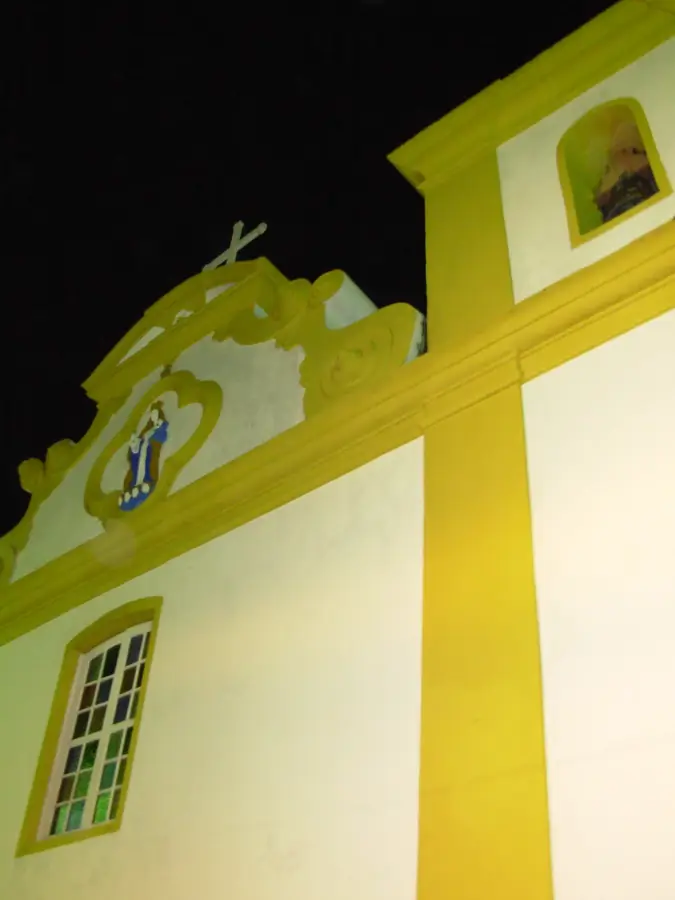
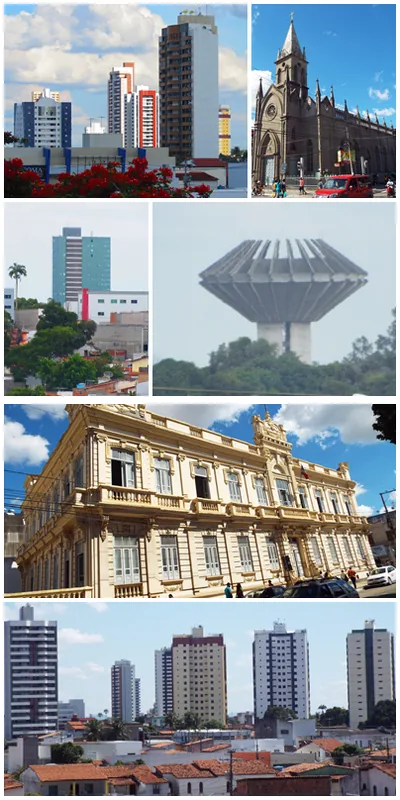
Igreja Nossa Senhora da Escada📍 landmark

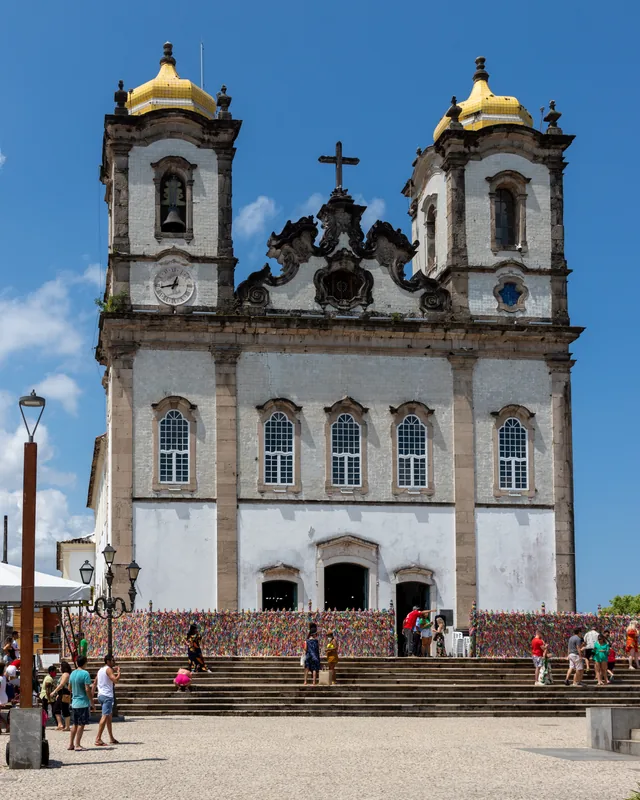
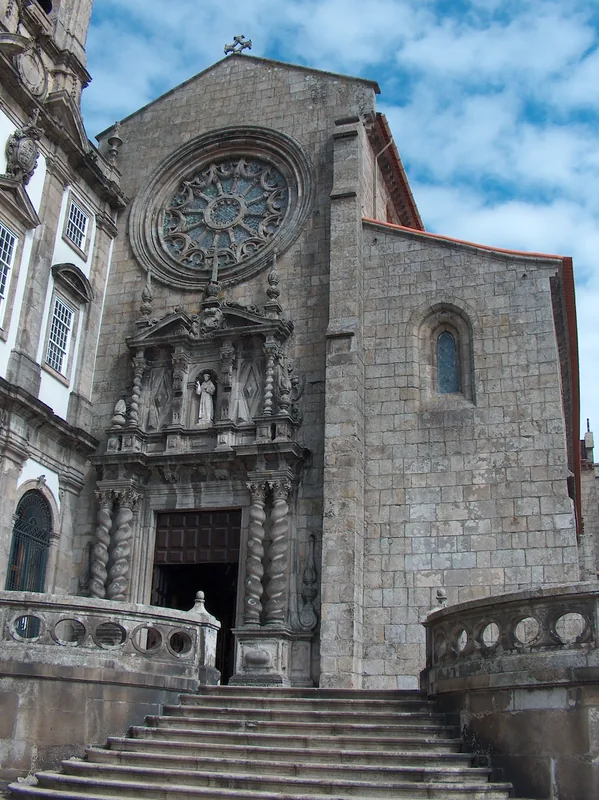
This historic Christian church near the Atlantic Forest was originally founded by Jesuit missionaries ministering to the indigenous population.

Sights nearby

Frequently asked questions

What is the Mata Atlântica?
It is a tropical rainforest along Brazil's Atlantic coast, known for its enormous biodiversity.
Where can you experience this forest?
In national parks like Serra do Mar or in the Tijuca Forest in Rio de Janeiro. It stretches across many states.
Is the forest endangered?
Yes, only about 12% of the original area remains. It is considered one of the most endangered forests.
What animals live there?
Howler monkeys, toucans, sloths, and the rare golden lion tamarin live here. It hosts thousands of endemic species.
When is it best to go hiking?
Avoid the rainy season (summer) as trails can be slippery. April to September is usually drier and cooler.
Atlantic Forest: where is it located?
Atlantic Forest is located in Brazil.
Atlantic Forest: what is there to see?
Highlights include Praia de Olivença, Praia do Jairi, Praia de Back Door.
Atlantic Forest: when is the best time to visit?
The most pleasant time to visit is Jul, Sep.
Atlantic Forest: why is it worth visiting?
The Atlantic Forest (Mata Atlântica) extends along the eastern coast of Brazil and is one of the most biodiverse yet most threatened ecosystems in the world.
View on map → The Top 50 Attractions → OpenStreetMap →
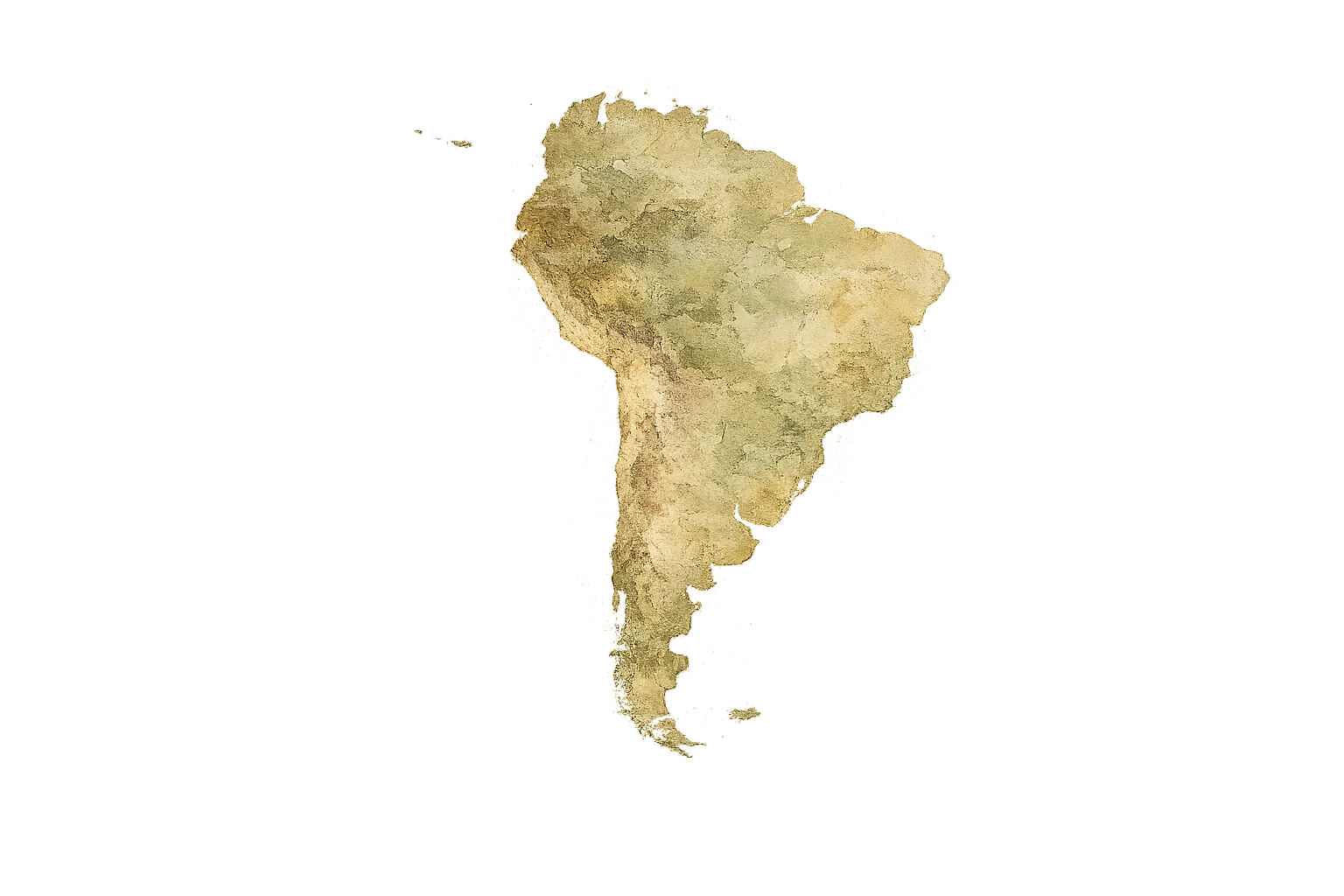
South America
Explore with Plizio Discover more places in South America
More places in Brazil →

Nearby cities

History & landmarks
Nature
More places