Plizio Visual Lab
Salvador
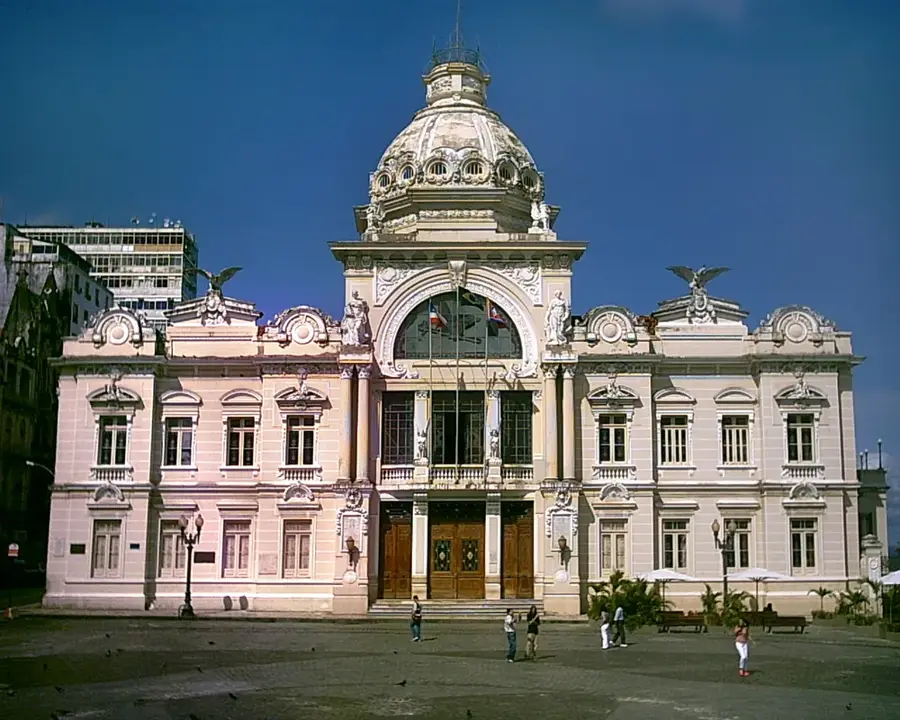
ℹ️Practical info — Salvador
▾
🌤 Weather — 5 days
📍 Nearby
Sights nearby
💡 Tips
- The Pelourinho area is best explored in the late afternoon when the heat subsides and capoeira groups start gathering in the squares.
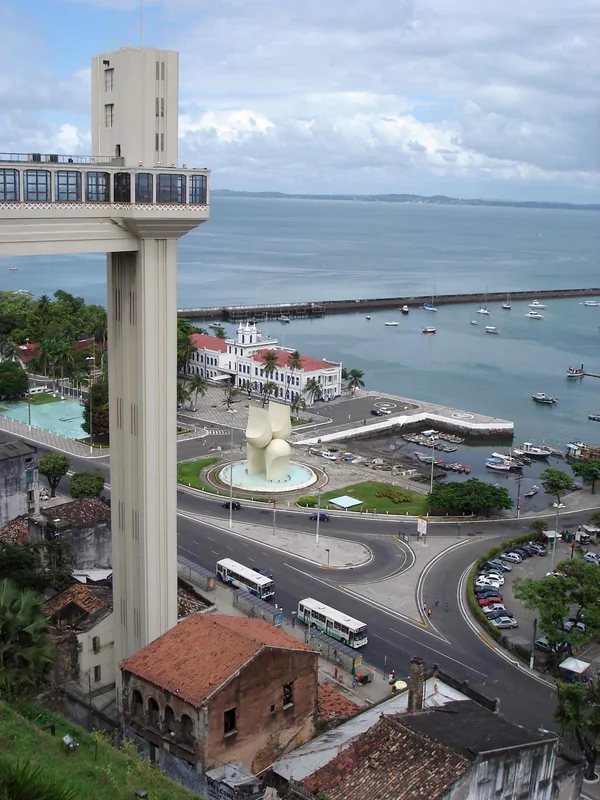
- Use the Elevador Lacerda to travel between the upper and lower cities; it costs just a few centavos and provides an impressive view of the bay.
- Public transport can be chaotic; rideshare apps are often a safer and more reliable option, especially after dark.
- Try to catch a Tuesday evening in the historic center, known as 'Terça da Benção', where the streets fill with live music and food stalls.
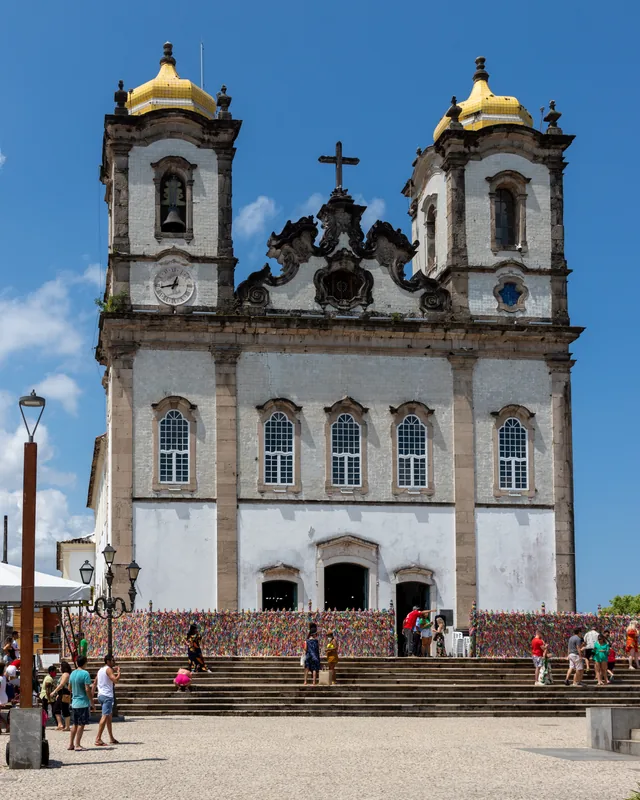
- When visiting the Bonfim Church, tie a 'fita' (ribbon) around your wrist and make three wishes; they say they'll come true when the ribbon naturally falls off.
🍽 Food
Look for Baianas de Acarajé (women in traditional white dresses) selling these deep-fried black-eyed pea fritters stuffed with shrimp at street corner stands.
Enjoy this rich fish and seafood stew cooked in coconut milk and palm oil at traditional restaurants in the Rio Vermelho neighborhood.
A sweet coconut treat available in various flavors, often sold by street vendors near popular beaches and tourist sites.
🛍 Shopping · 🧘 Quiet spots
Located in the lower city, this is the prime spot for local handicrafts, art, and traditional clothing, but be prepared to haggle.
A massive, chaotic, and authentic local market where you can find everything from fresh produce and spices to Candomblé religious items.
A peaceful lake featuring impressive statues of Orixás in the water, surrounded by a walking path excellent for a quiet stroll.
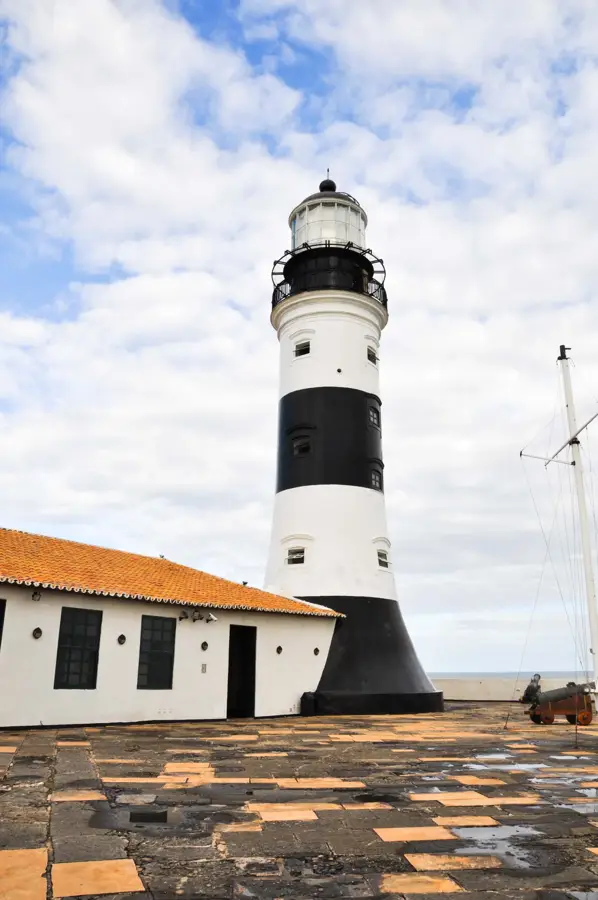
A serene spot with a small fort, church, and lighthouse; it provides one of the best and quietest sunset views over the Bay of All Saints.
Water temperature…
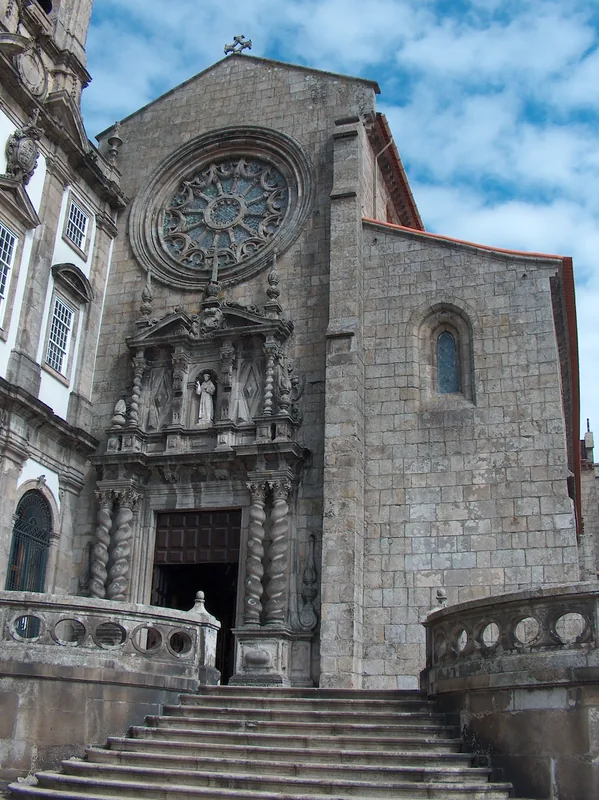
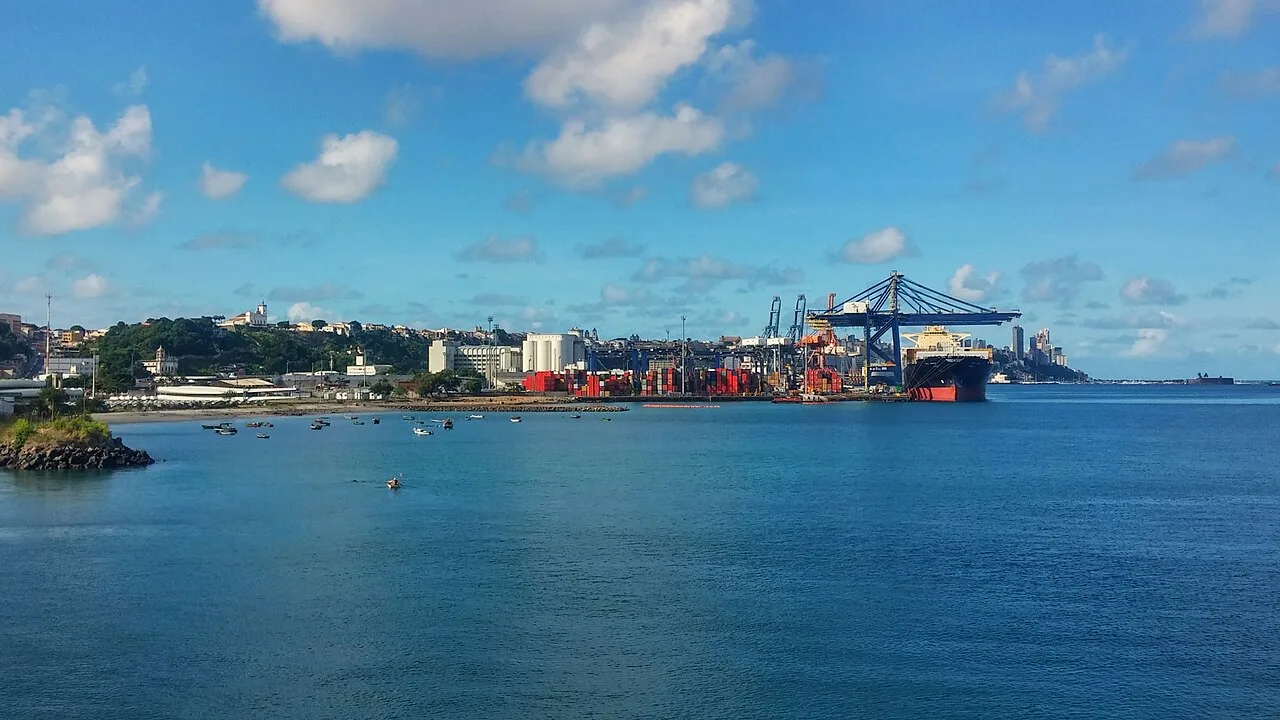
Salvador, the capital of Bahia, stands as one of the oldest colonial cities in the Americas and serves as the animated heart of Brazil's Afro-Brazilian culture. Founded in 1549 by Tomé de Sousa, it was the first capital of Brazil, holding that status for over two centuries. The city is dramatically split between the Upper City (Cidade Alta), located on a high plateau, and the Lower City (Cidade Baixa), situated at sea level along the Bay of All Saints. These two levels are connected by the historic Lacerda Elevator, the first public elevator in the world. Salvador's history is inextricably linked to the transatlantic slave trade and the sugar industry, which resulted in a demographic that is predominantly of African descent. This heritage is reflected in every aspect of life, from the rhythmic sounds of the Olodum drummers to the widespread practice of Capoeira and Candomblé. The Pelourinho district, with its cobblestone streets and gold-laden Baroque churches like São Francisco, is a UNESCO World Heritage site. Economically, Salvador is a major center for tourism, naval construction, and services, supported by its strategic port. The Salvador Carnival is widely considered the world's largest street party, characterized by the 'Trios Elétricos' moving through miles of coastal circuits. The city is also a gastronomic capital, famous for dishes like acarajé, a deep-fried bean cake that is a staple of street vendors. With its tropical climate, remarkable beaches like Porto da Barra, and a deep-seated religious and musical tradition, Salvador remains a cornerstone of Brazilian identity, offering a visceral connection to the country's complex and colorful past.
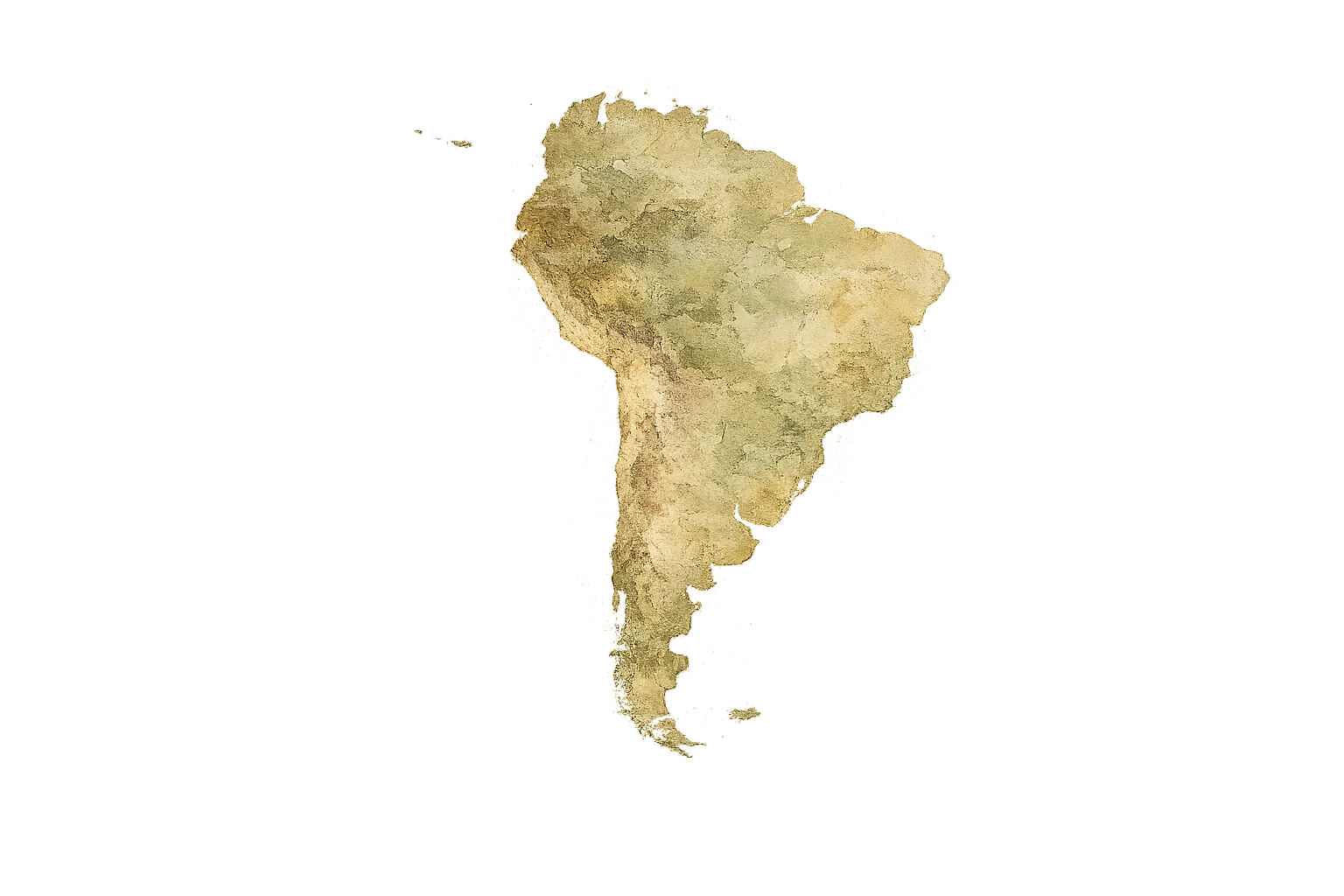
- Location: Brazil
- Top sights: Casa do Carnaval da Bahia · Riachuelo Square · Forte de São Marcelo
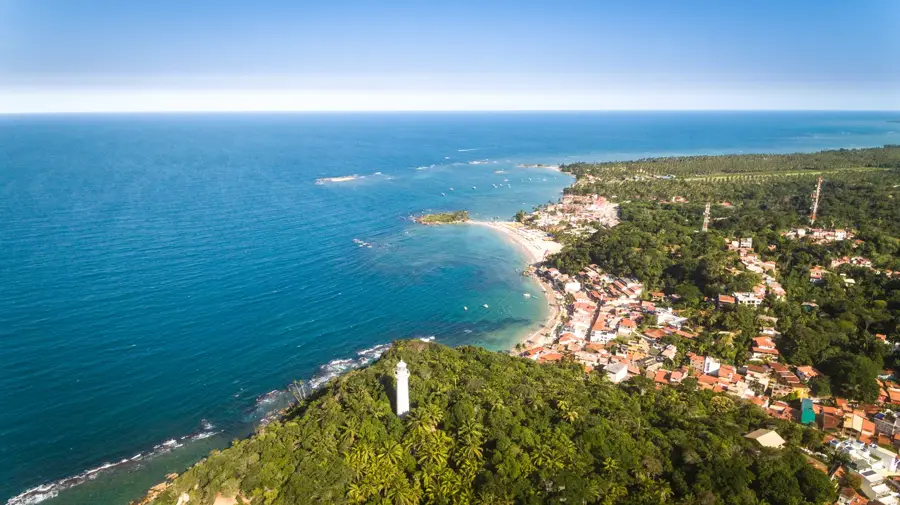
- Nearby: Morro de Sao Paulo (57 km)
- Population: ~2.711.840 (2026)
Best time to visit & climate
The most pleasant time to visit is Aug–Oct.
| Jan | Feb | Mar | Apr | May | Jun | Jul | Aug | Sep | Oct | Nov | Dec | |
|---|---|---|---|---|---|---|---|---|---|---|---|---|
| Avg °C | 27 | 27 | 27 | 27 | 25 | 24 | 24 | 23 | 24 | 25 | 26 | 27 |
| Rain mm | 83 | 87 | 100 | 147 | 166 | 138 | 128 | 96 | 71 | 69 | 72 | 57 |
Geography
Facts
- Salvador was the first diocese established in Brazil in 1551.
- The city has over 365 churches, popularly said to be one for every day of the year.
- The Port of Salvador handles significant exports of cellulose and chemicals.
- The climate is tropical with a mean temperature of 25°C throughout the year.
- Salvador was the site of the first university-level medical school in Brazil.
- The Pelourinho district was heavily renovated in the 1990s to boost tourism.
- Dendê oil, a key local ingredient, is extracted from the African oil palm.
- The Barra Lighthouse marks the spot where the Atlantic Ocean meets the Bay.
Explore nearby
Notable places around
Route planner — Car & Motorhome
Where do you start? We build the route here, with stops and country notes along the way.
© OpenStreetMap contributors · OpenRouteService
Sights in the town Salvador (3)
Frequently asked questions
What is Pelourinho?
What is Salvador's cuisine famous for?
Are there good beaches in the city?
How does the Elevador Lacerda work?
When does the Carnival in Salvador take place?
Salvador: where is it located?
Salvador: what is there to see?
Salvador: when is the best time to visit?
Salvador: why is it worth visiting?
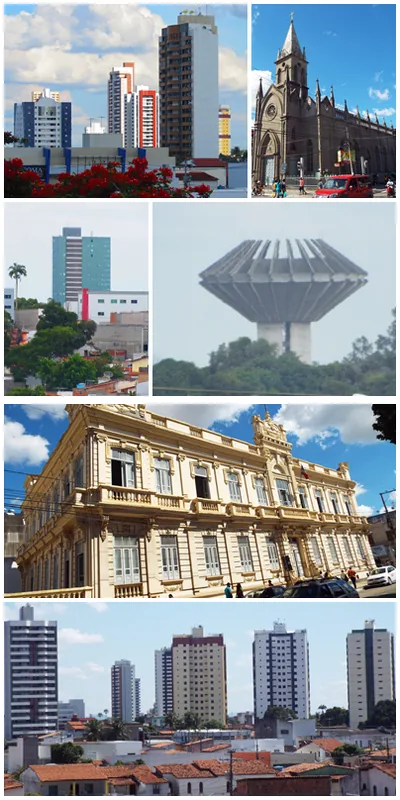
Nearby cities
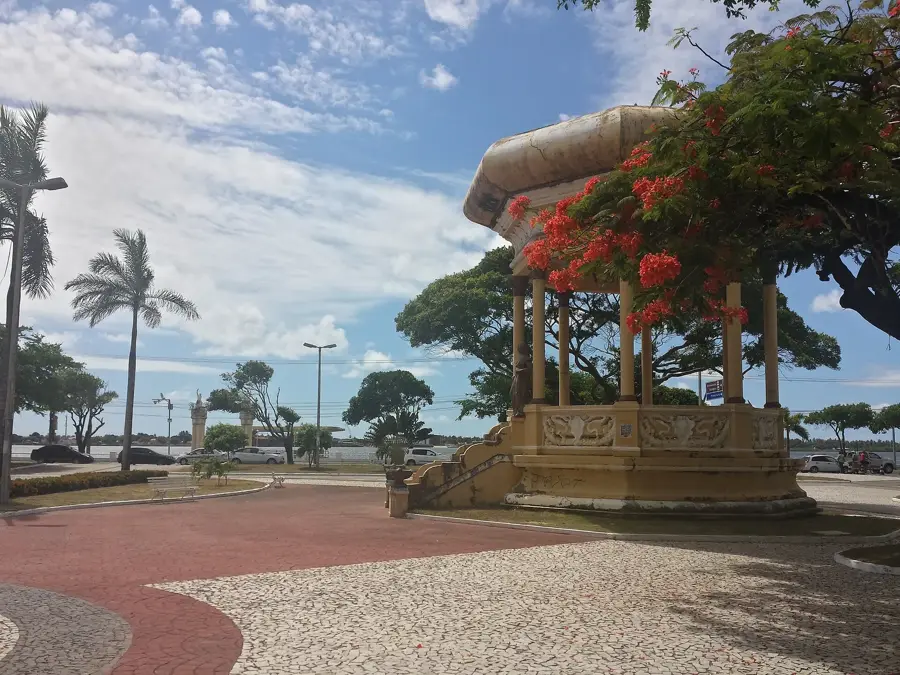
History & landmarks
Nature
More places