Plizio Visual Lab
Kaa-Iya National Park
Weather…
Water temperature…
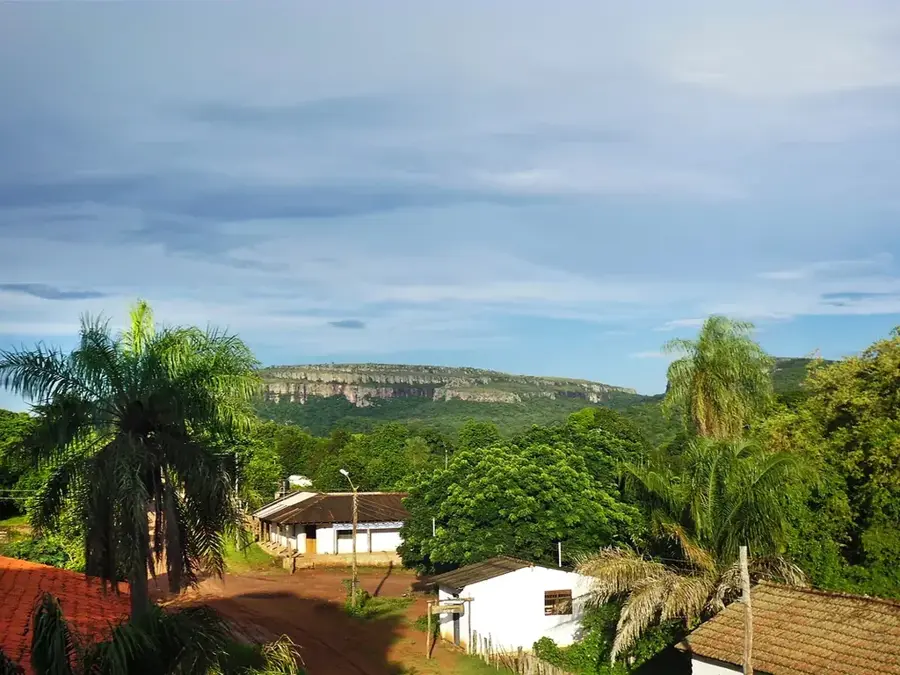
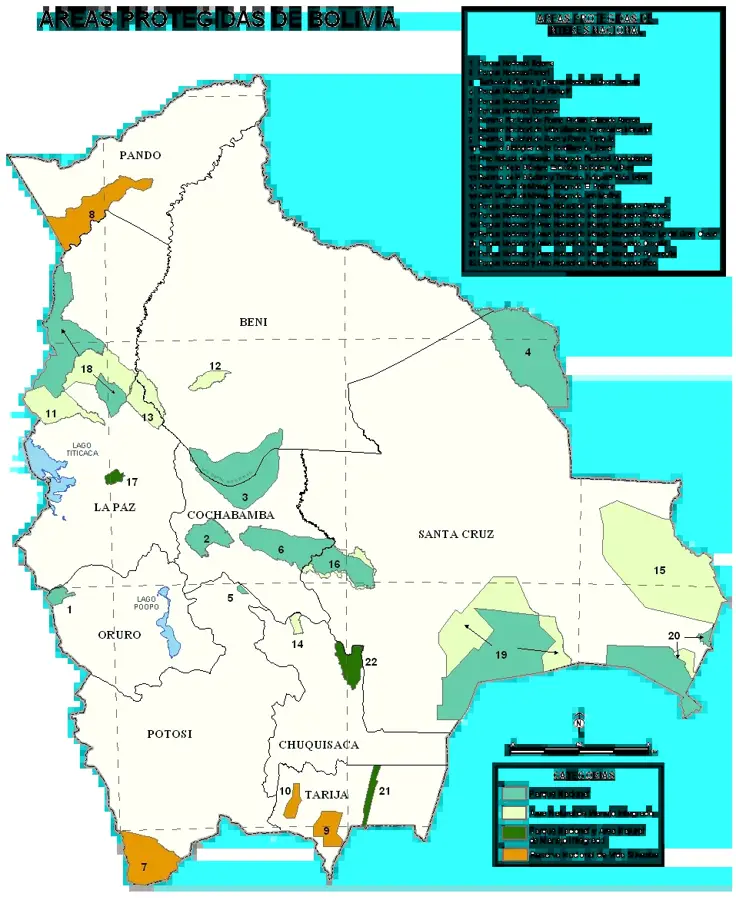
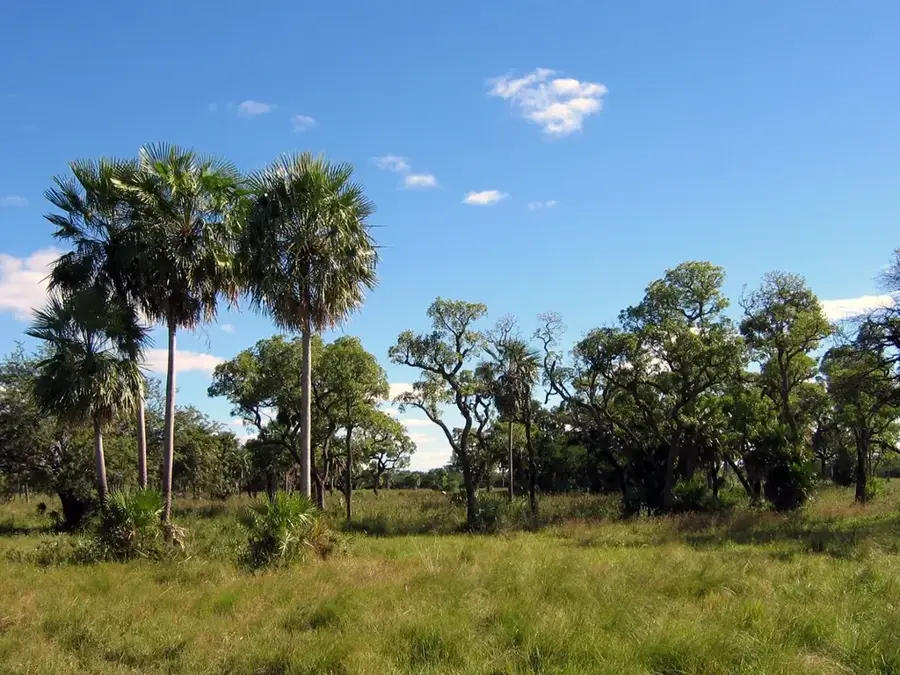
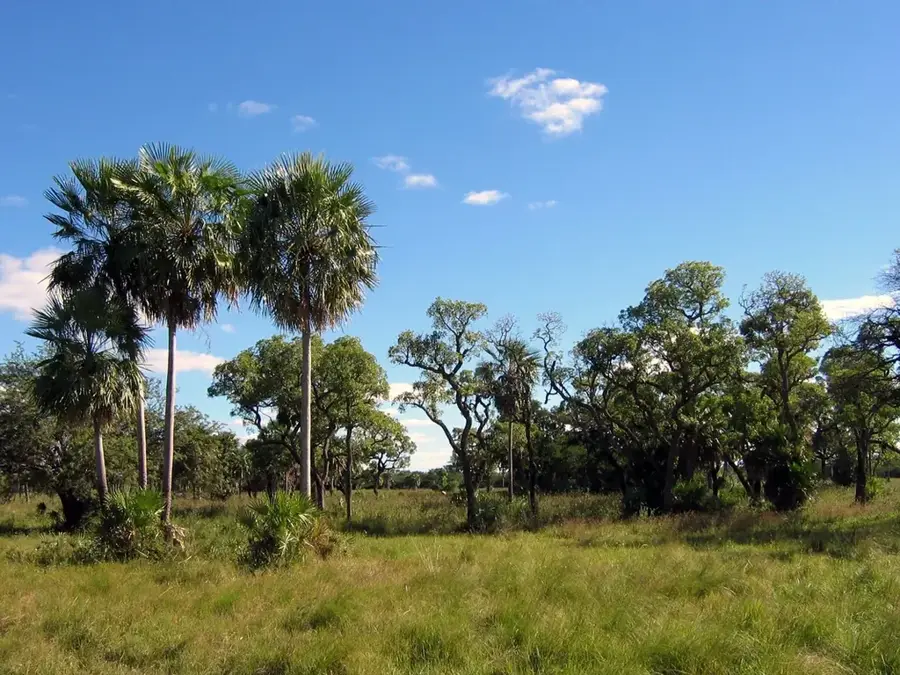
The Kaa-Iya del Gran Chaco National Park is Bolivia's largest protected area and one of the most significant in South America. Located in the southeast of the country within the Santa Cruz Department and bordering Paraguay, it spans an area of approximately 34,411 square kilometers. Established in 1995, the park is globally unique as it is co-managed by indigenous groups such as the Izoceño-Guaraní. The area protects the best-preserved tropical dry forest of the Gran Chaco, an ecosystem defined by seasonal droughts and extreme heat. Kaa-Iya is a critical sanctuary for large mammals, hosting the world's largest population of jaguars along with endangered species like the Chacoan peccary and the lowland tapir. Its remote location and difficult accessibility have helped ensure that its biodiversity remains largely undisturbed. Beyond conservation, the park also serves to preserve the cultural identity of its indigenous inhabitants, who refer to the land as Kaa-Iya, meaning 'Lord of the Mountains'.
Best time to visit & climate
The most pleasant time to visit is Jun–Aug.
| Jan | Feb | Mar | Apr | May | Jun | Jul | Aug | Sep | Oct | Nov | Dec | |
|---|---|---|---|---|---|---|---|---|---|---|---|---|
| Avg °C | 28 | 27 | 27 | 25 | 22 | 21 | 22 | 24 | 26 | 29 | 28 | 28 |
| Rain mm | 140 | 123 | 108 | 77 | 66 | 29 | 23 | 20 | 35 | 74 | 103 | 123 |
📋 Practical info
Geography
Facts
- The park covers a total area of 3,441,115 hectares.
- Kaa-Iya was officially established on September 21, 1995.
- An estimated population of over 1,000 jaguars lives in the area.
- It is the only place in the world where three peccary species coexist.
- Annual rainfall in the region is often below 500 mm.
- A natural gas pipeline traverses the park for 150 kilometers.
Explore nearby
Notable places around
Route planner — Car & Motorhome
Where do you start? We build the route here, with stops and country notes along the way.
© OpenStreetMap contributors · OpenRouteService
Sights nearby
Frequently asked questions
What animals can be seen in Kaa-Iya Park?
Is the park easily accessible?
What does the name 'Kaa-Iya' mean?
What is special about this park?
When should you visit the park?
Kaa-Iya National Park: where is it located?
Kaa-Iya National Park: when is the best time to visit?
Kaa-Iya National Park: why is it worth visiting?
History & landmarks
Nature
More places