Plizio Visual Lab
Río Grande
Weather…
Water temperature…
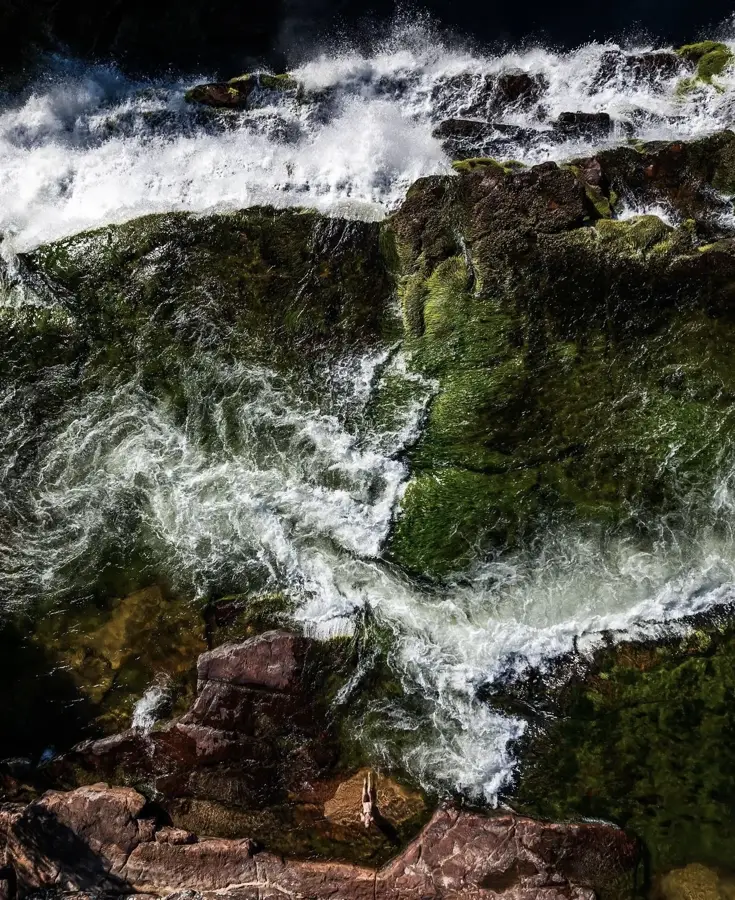
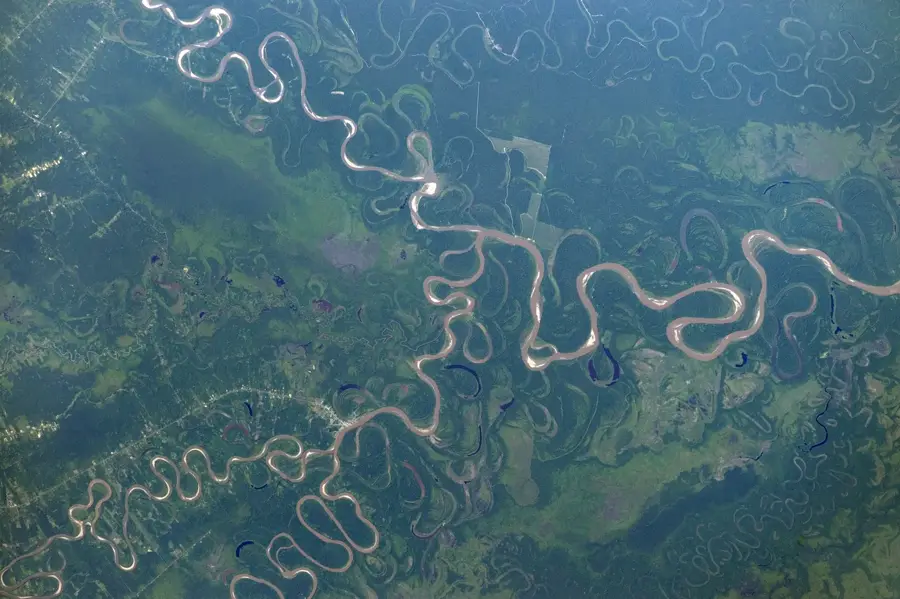
The Río Grande, also widely known as the Guapay, is a major river in central Bolivia and a primary headwater of the Mamoré. It originates in the Andes at the confluence of the Caine and Mizque rivers, tracing a vast curve around the lowlands of Santa Cruz. Spanning approximately 1,438 kilometers, it drains a massive basin that covers both high mountainous terrain and tropical plains. The river is notorious for its dramatic seasonal fluctuations and massive flooding during the rainy season, which frequently impacts the fertile agricultural heartland of Santa Cruz. In its lower reaches, the Río Grande slows down and forms complex meandering systems before joining the Mamoré River. While it provides essential water for irrigation and contributes to soil fertility, its unpredictable nature requires constant monitoring to protect regional infrastructure. Historically, the river valley gained international attention as the site of Che Guevara's final guerrilla operations in the late 1960s.
- Location: Bolivia
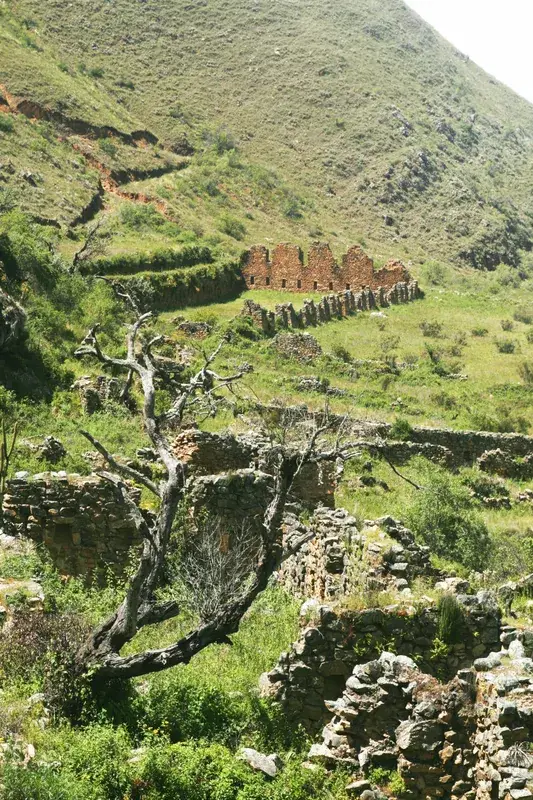
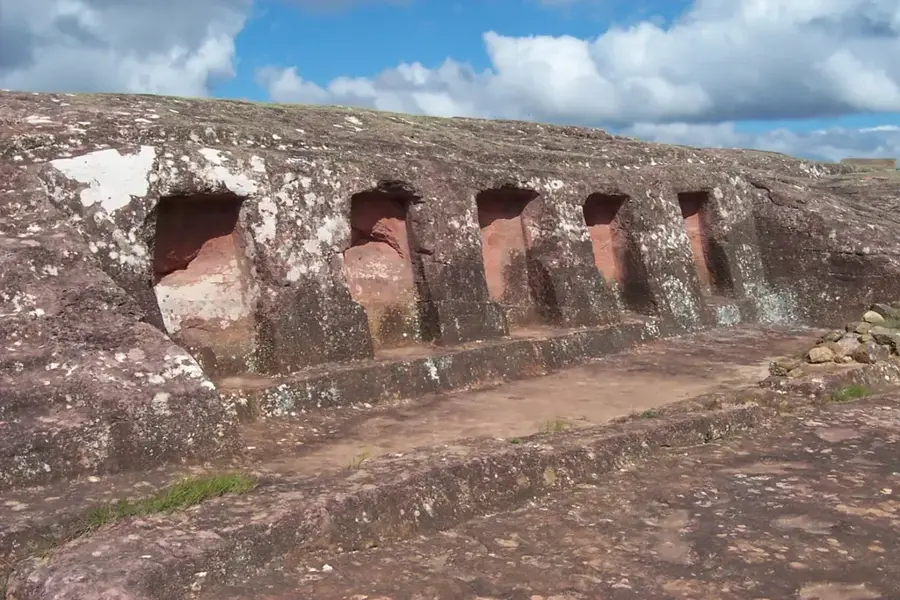
- Top sights: "Los turos" cementerio indígena · Comunidad Combate · Combate
Best time to visit & climate
The most pleasant time to visit is Jun–Aug.
| Jan | Feb | Mar | Apr | May | Jun | Jul | Aug | Sep | Oct | Nov | Dec | |
|---|---|---|---|---|---|---|---|---|---|---|---|---|
| Avg °C | 26 | 26 | 26 | 26 | 24 | 24 | 24 | 26 | 28 | 29 | 28 | 27 |
| Rain mm | 247 | 225 | 167 | 103 | 74 | 52 | 31 | 29 | 46 | 108 | 152 | 240 |
📋 Practical info
Geography
Facts
- The river has a total length of approximately 1,438 kilometers.
- Originates from the meeting of the Caine and Mizque rivers.
- Emptying into the Mamoré River in the northern lowlands.
- Known for causing significant flooding in the Santa Cruz region.
- Essential for the large-scale irrigation of Bolivia's food basket.
- The name 'Guapay' is derived from the indigenous Guaraní language.
Explore nearby
Notable places around

Route planner — Car & Motorhome
Where do you start? We build the route here, with stops and country notes along the way.
© OpenStreetMap contributors · OpenRouteService
Sights in the town Río Grande (3)
Sights nearby
Frequently asked questions
What is the other name of the Río Grande?
Where does the Río Grande flow into?
Does it flow through the Santa Cruz Department?
Is the river important for agriculture?
What dangers are there during floods?
Río Grande: where is it located?
Río Grande: what is there to see?
Río Grande: when is the best time to visit?
Río Grande: why is it worth visiting?