Plizio Visual Lab

Isla del Sol
Plizio editorial teamData Sources
Island
—°4
Isla del Sol (Bolivia)

Weather…

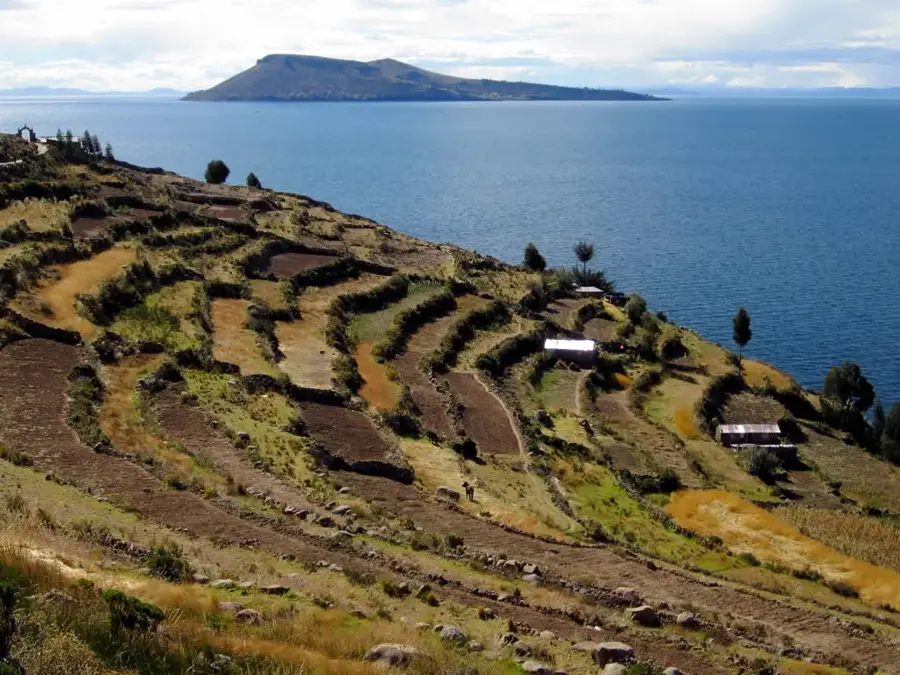
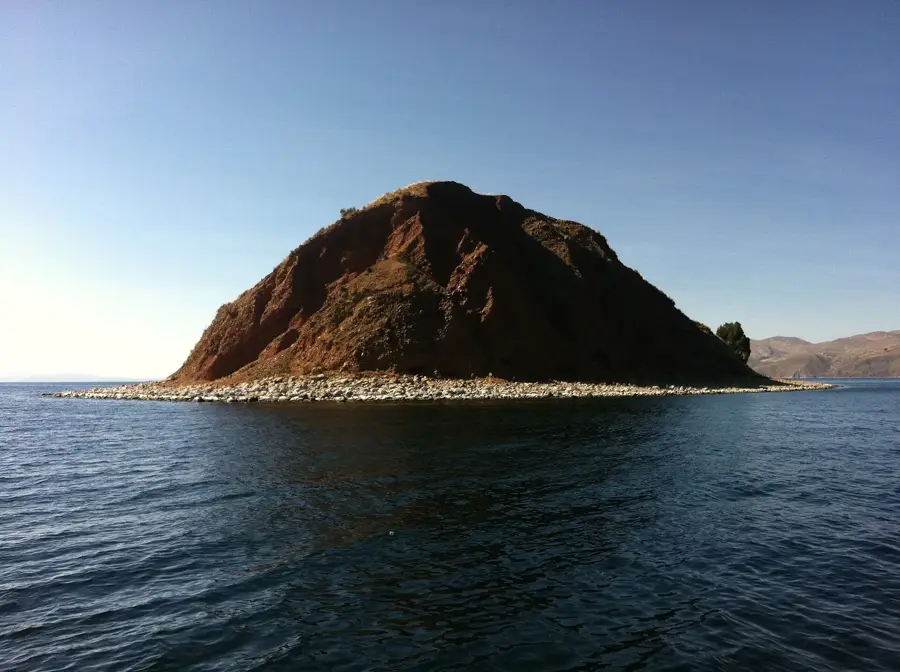
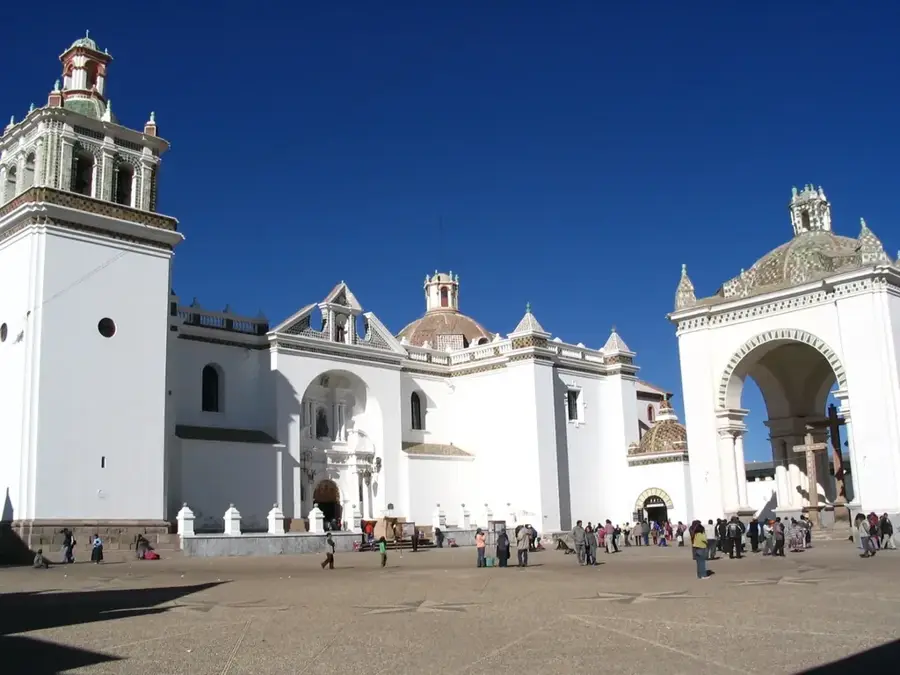
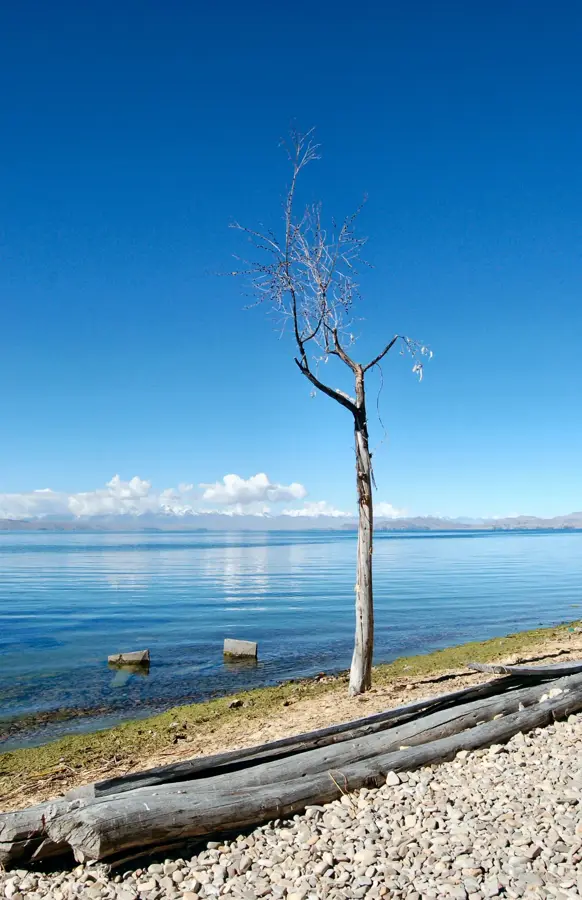
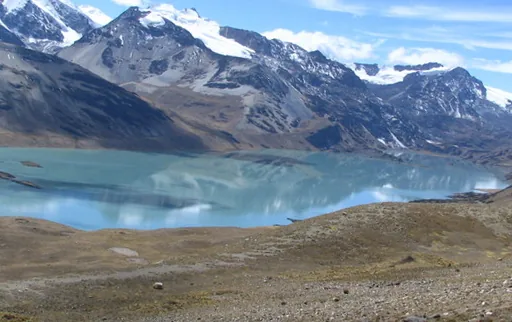
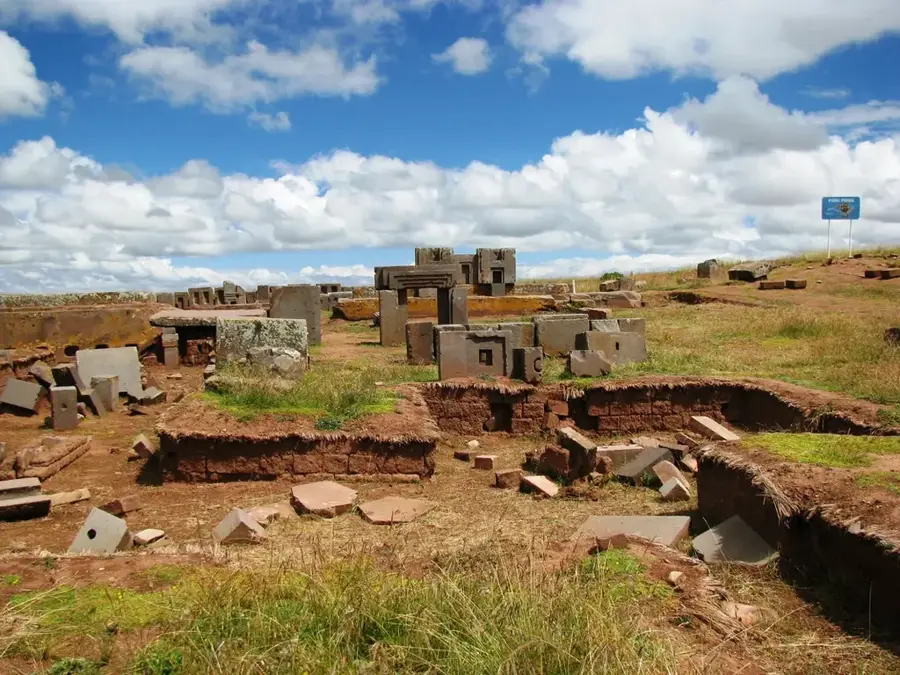
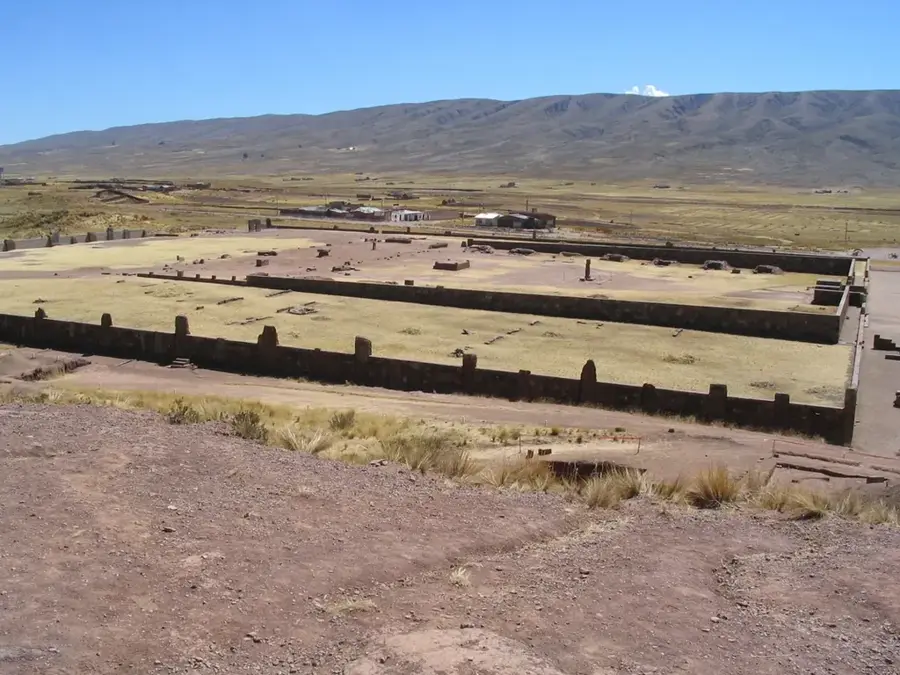
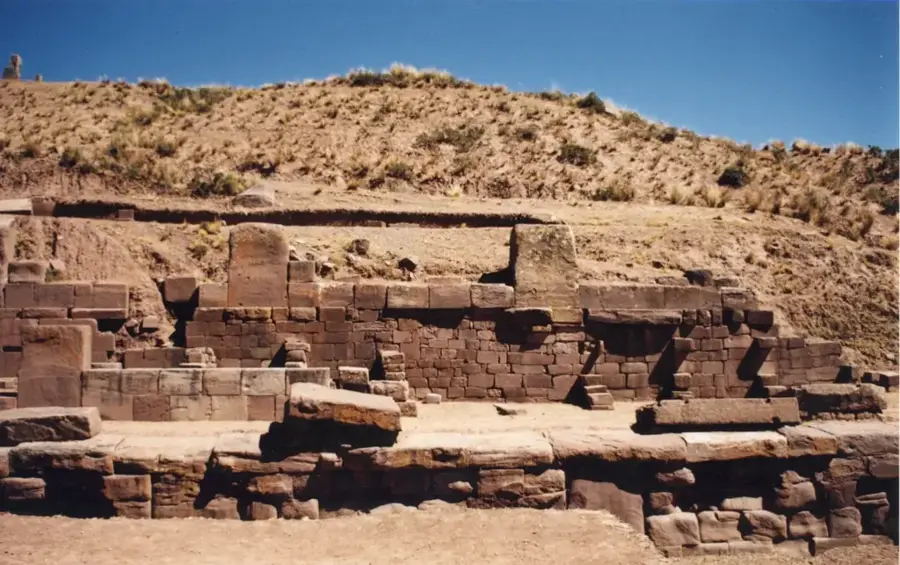
Isla del Sol, or Island of the Sun, located in the Bolivian sector of Lake Titicaca, is revered as one of the most sacred sites in Inca mythology. According to tradition, the creator god Viracocha rose from the lake waters here to create the Sun and the first Incas, Manco Cápac and Mama Ocllo. Spanning roughly 14.3 square kilometers, the island features a rugged, hilly terrain defined by ancient agricultural terraces that are still farmed by local Aymara communities. More than 80 archaeological complexes are scattered across the island, including the Pilko Kaina temple and the labyrinthine structure known as Chinkana. There are no motorized vehicles on the island, which has helped preserve the pre-Columbian stone paths and the tranquil environment. The convergence of spiritual significance and the striking backdrop of the Cordillera Real's snow-capped peaks makes Isla del Sol a cornerstone of Bolivian cultural heritage and indigenous identity.

Best time to visit & climate

The most pleasant time to visit is May, Sep, Nov.

JanFebMarAprMayJunJulAugSepOctNovDec
Avg °C999887678999
Rain mm152137985427192224295964123

📋 Practical info

🧭
Getting there
Reaching this prominent island requires taking a passenger ferry from the mainland port of Copacabana, navigating across the high-altitude waters of Lake Titicaca.
📅
Best season
The Andean winter months between May and October generally offer the sunniest and driest weather, which is well-suited for hiking across the island's extensive trail network.
⛰️
Terrain & paths
The landscape is characterized by steep, terraced hillsides, ancient stone staircases, and dirt hiking paths connecting the northern and southern settlements without any paved roads.
🎒
What to bring
Reliable hiking boots are highly recommended for the rocky trails, along with layered clothing to handle temperature shifts, and plenty of sun protection for the extreme altitude.
🅿️
Parking
Motor vehicles cannot be taken onto the island; travelers must leave their cars in secure parking facilities or at their hotels back on the mainland in Copacabana.
⚠️
Safety
Due to the extreme elevation well above 3,800 meters, visitors should prioritize altitude acclimatization, stay hydrated, and be cautious of sudden weather changes on the lake.
⏱️
Time needed
While a day trip takes several hours, many visitors choose to stay overnight to fully traverse the island's length and properly appreciate its deep significance in Inca mythology.

Geography

Coordinates
-16.01600, -69.16600

Facts

  • The island covers a total area of approximately 14.3 square kilometers.
  • Its highest point reaches an elevation of 4,075 meters above sea level.
  • Over 80 distinct Inca ruin sites have been identified on the island.
  • There are no paved roads or motorized transport allowed on the island.
  • The local population primarily consists of indigenous Aymara people.
  • The 'Fountain of Eternal Youth' is a ritual stone spring located in Yumani.

Explore nearby

Notable places around

Route planner — Car & Motorhome

Where do you start? We build the route here, with stops and country notes along the way.

Vehicle
Only stops with (optional):

© OpenStreetMap contributors · OpenRouteService

Sights in the town Isla del Sol (4)

Embarcadero de Pilcu📍 landmark

This rustic wooden and stone dock serves as a local landing point for boats navigating the high-altitude waters of Lake Titicaca.

Montículo de piedras🌿 nature

This stone mound serves as a rustic viewpoint on Isla del Sol, offering sweeping panoramas over the waters of Lake Titicaca.

Bahía Kona📍 landmark

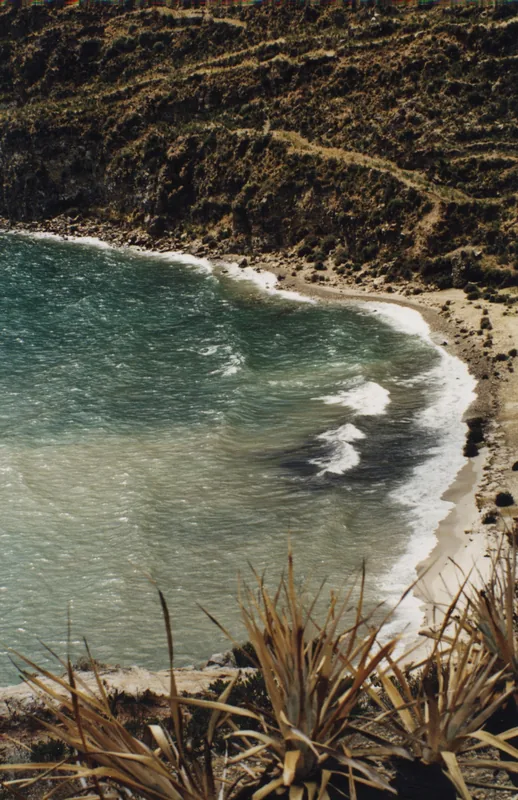
Bahía Kona is a tranquil bay on the southern part of Isla del Sol, known for its sheltered Andean waters and ancient terraced surroundings.

San Antonio de Padua📍 landmark

This Christian sanctuary on Isla del Sol provides a quiet space for prayer amidst the high-altitude Andean island landscape.

Sights nearby

Frequently asked questions

How do you get to Isla del Sol?
By boat from the town of Copacabana on Lake Titicaca.
Are there cars on the island?
No, there are no paved roads or motorized vehicles.
What is the mythological significance of the island?
In Inca mythology, it is considered the birthplace of the Sun.
Which Inca ruins can be visited?
The most important include Pilko Kaina and the Chincana labyrinth.
Can you stay overnight on the island?
Yes, there are many accommodations ranging from simple to comfortable.
Isla del Sol: where is it located?
Isla del Sol is located in Bolivia.
Isla del Sol: what is there to see?
Highlights include Embarcadero de Pilcu, Montículo de piedras, Bahía Kona.
Isla del Sol: when is the best time to visit?
The most pleasant time to visit is May, Sep, Nov.
Isla del Sol: why is it worth visiting?
Isla del Sol, or Island of the Sun, located in the Bolivian sector of Lake Titicaca, is revered as one of the most sacred sites in Inca mythology.
View on map → The Top 50 Attractions → OpenStreetMap →
South America
Explore with Plizio Discover more places in South America
More places in Bolivia →

History & landmarks

Nature

More places