Plizio Visual Lab

Basílica de Nuestra Señora de Copacabana
Plizio editorial teamData Sources
Landmark
—°8
Basílica de Nuestra Señora de Copacabana (Bolivia)

Weather…

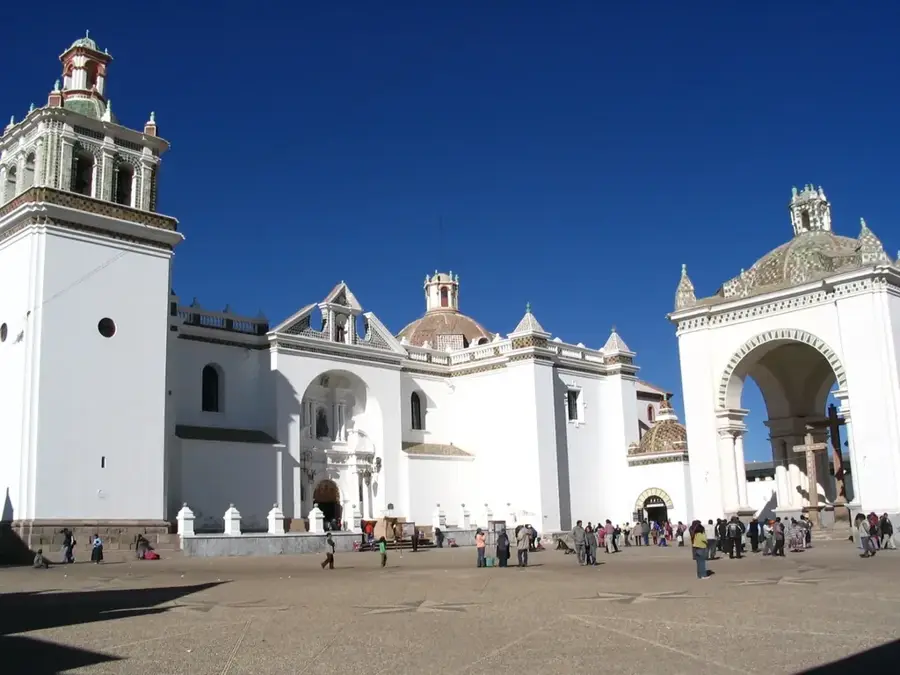
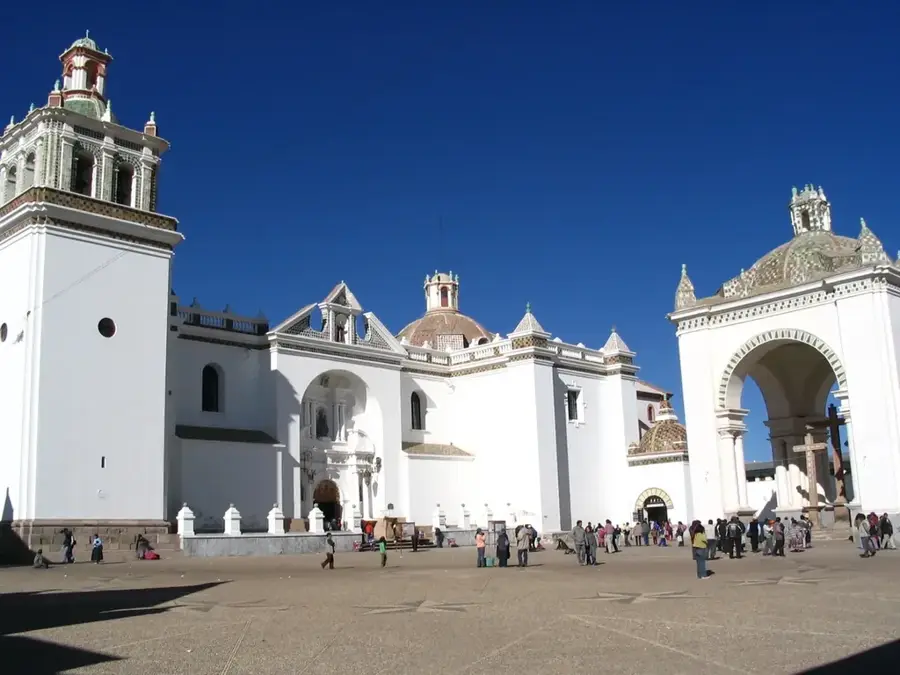
The Basilica of Our Lady of Copacabana is one of South America's most vital spiritual centers, beautifully situated on the shores of Lake Titicaca. The brilliant white structure is famous for its Moorish-style domes and colorful ceramic tiles that shimmer under the intense Altiplano sun. At its heart lies the sacred wooden carving of the Virgin of Copacabana, the revered patron saint of Bolivia. Pilgrims from across the continent journey here to seek blessings, most notably during the daily 'Ch'alla' ceremonies where decorated vehicles are blessed in the church plaza. This site represents a profound fusion of Catholic devotion and ancient Andean traditions, remaining a place of immense emotional and cultural importance.

Best time to visit & climate

The most pleasant time to visit is May, Sep, Nov.

JanFebMarAprMayJunJulAugSepOctNovDec
Avg °C999887678999
Rain mm152137985427192224295964123

📋 Practical info

🚪
Visiting
The Basílica de Nuestra Señora de Copacabana is an imposing white Moorish-style church on Lake Titicaca. It is open to visitors and houses the famous wooden statue of the Virgin.
🕒
Typical hours
The church is typically open daily from 8am to 6pm, with breaks during masses. Exact times may vary by season.
📷
Photography
Photography is allowed inside without flash to protect the artworks. The white facade from outside is a popular photo subject.
⏱️
Time needed
A visit takes about 1 to 2 hours to see the church, statue, and adjacent square. Those who wish can also attend a mass.
Combine with
Combine the church visit with a boat trip to Isla del Sol on Lake Titicaca. The nearby town of Copacabana also provides markets and views.
🧭
Getting there
Copacabana is on the Bolivian shore of Lake Titicaca, reachable by bus from La Paz (about 4 hours). The church is right on the main square.
💡
Insider tip
Visit the church during a service to experience the spiritual atmosphere. Leave your car in town and enjoy the short walk to the lake.

Geography

Coordinates
-16.16670, -69.08330

Facts

  • The revered 'Dark Virgin' statue was sculpted in the late 1500s by the native artist Francisco Tito Yupanqui, a descendant of the Inca royal line.
  • The current basilica was constructed atop a site previously sacred to the Inca Empire, maintaining the location's holy status through the ages.
  • The annual Feast of the Virgin on August 5th is one of Bolivia's most massive and vibrant religious and cultural celebrations.
  • The interior main altar is a spectacular example of colonial Baroque art, completely covered in intricate gold leaf.
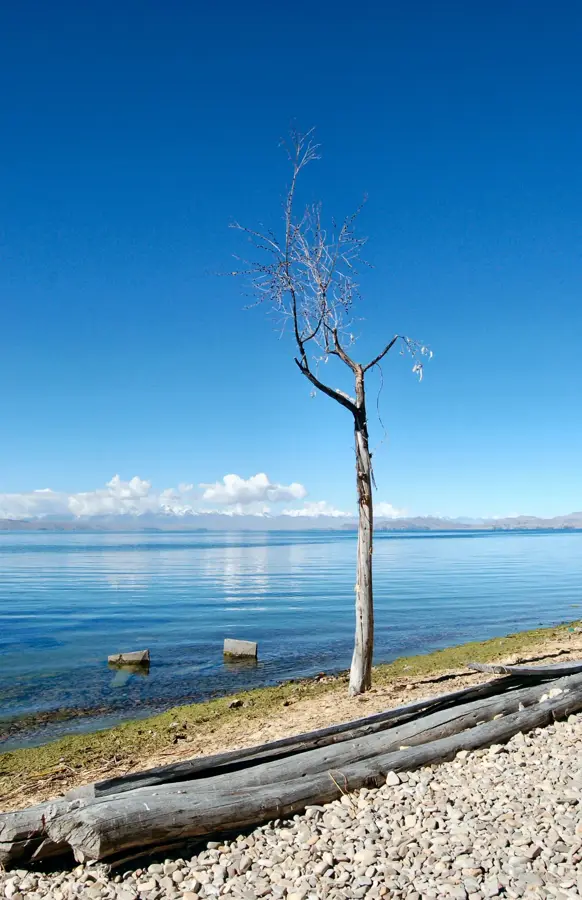
  • The gleaming white facade of the church creates a stunning visual contrast against the deep sapphire-blue waters of Lake Titicaca.

Explore nearby

Notable places around

Route planner — Car & Motorhome

Where do you start? We build the route here, with stops and country notes along the way.

Vehicle
Only stops with (optional):

© OpenStreetMap contributors · OpenRouteService

Sights in the town Basílica de Nuestra Señora de Copacabana (8)

Chissi🌿 nature

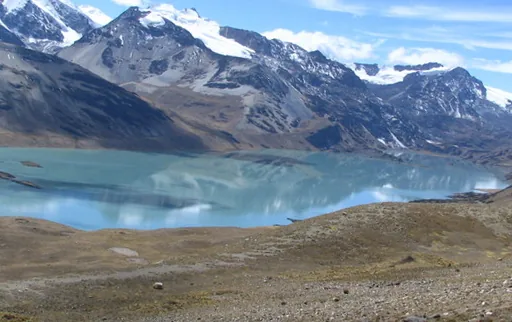
The Chissi viewpoint near Copacabana features sweeping panoramic vistas across the deep blue waters of Lake Titicaca and the surrounding Andean peaks.

CIAC Regional Arqueológico🏛 museum

The CIAC Regional Arqueológico in Copacabana exhibits pre-Columbian ceramics, stone tools, and artifacts uncovered from sites around Lake Titicaca.

Asiento del Inca🏺 historical

The Asiento del Inca is a fascinating archaeological site near Copacabana featuring carved rock formations that resemble a large stone throne.

Pachataka📍 landmark

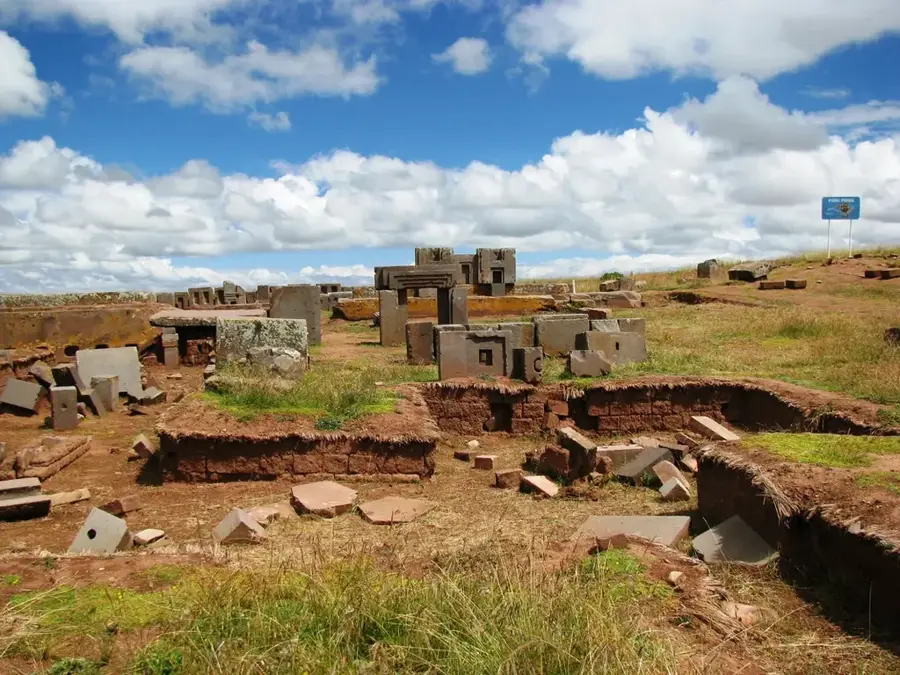
Pachataka is an ancient pre-Columbian astronomical observatory near Copacabana, dating back to approximately 1764 BC, featuring stone pillars used to track the solstices.

Mirador Vista a Copacabana🌿 nature

The Mirador Vista a Copacabana provides a striking elevated vantage point over the red-tiled roofs of the town and the vast expanse of Lake Titicaca.

Mirador La Serpiente🌿 nature

Accessible via a winding pathway, the Mirador La Serpiente provides an unobstructed lookout point to admire the dramatic sunsets over Lake Titicaca.

Arco de Kasani📍 landmark

An archway serving as a prominent local landmark near the border crossing.

La Virgen de Urkupiña📍 landmark

A Christian religious site honoring the widely venerated Marian devotion of the Virgin of Urkupiña.

Sights nearby

Frequently asked questions

What is special about this basilica?
It houses the Virgin of Copacabana, the patron saint of Bolivia, and is a major pilgrimage site.
Do you have to pay for entry?
Entry to the church is free, but appropriate dress and silence are expected.
What is the vehicle blessing?
Daily, cars are decorated with flowers in front of the basilica and blessed for safe travel.
Is photography allowed inside?
Photography is often restricted in the main nave, especially during masses.
Where is the basilica located?
It is located in the center of the town of Copacabana, right by Lake Titicaca.
Basílica de Nuestra Señora de Copacabana: where is it located?
Basílica de Nuestra Señora de Copacabana is located in Bolivia.
Basílica de Nuestra Señora de Copacabana: what is there to see?
Highlights include Chissi, CIAC Regional Arqueológico, Asiento del Inca.
Basílica de Nuestra Señora de Copacabana: when is the best time to visit?
The most pleasant time to visit is May, Sep, Nov.
Basílica de Nuestra Señora de Copacabana: why is it worth visiting?
The Basilica of Our Lady of Copacabana is one of South America's most vital spiritual centers, beautifully situated on the shores of Lake Titicaca.
View on map → The Top 50 Attractions → OpenStreetMap →
South America
Explore with Plizio Discover more places in South America
More places in Bolivia →

History & landmarks

Nature

More places