Plizio Visual Lab

Basilica of Copacabana
Plizio editorial teamData Sources
Historical site
—°10
Basilica of Copacabana (Bolivia)

Weather…

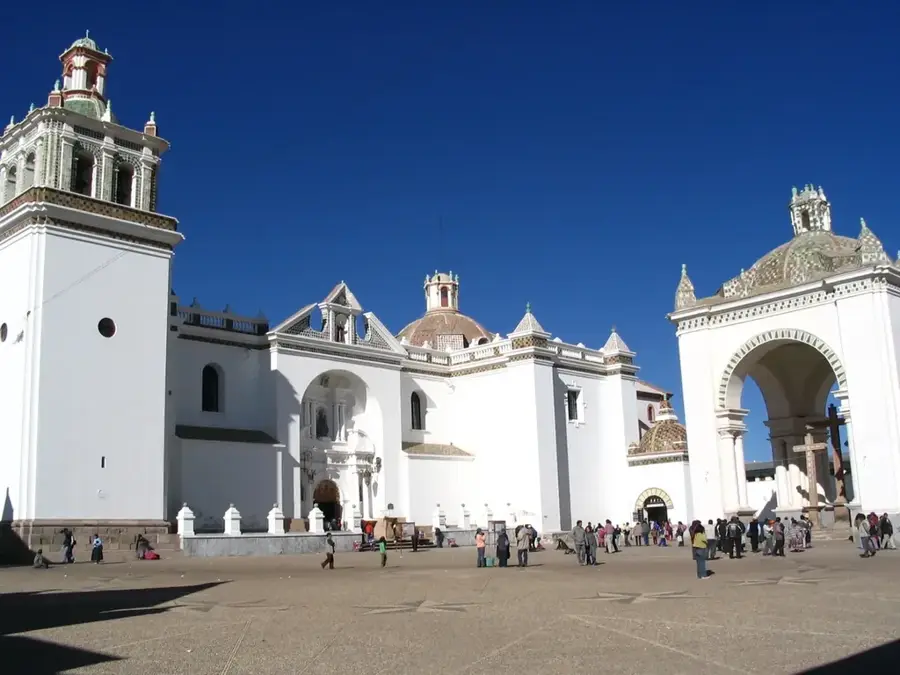
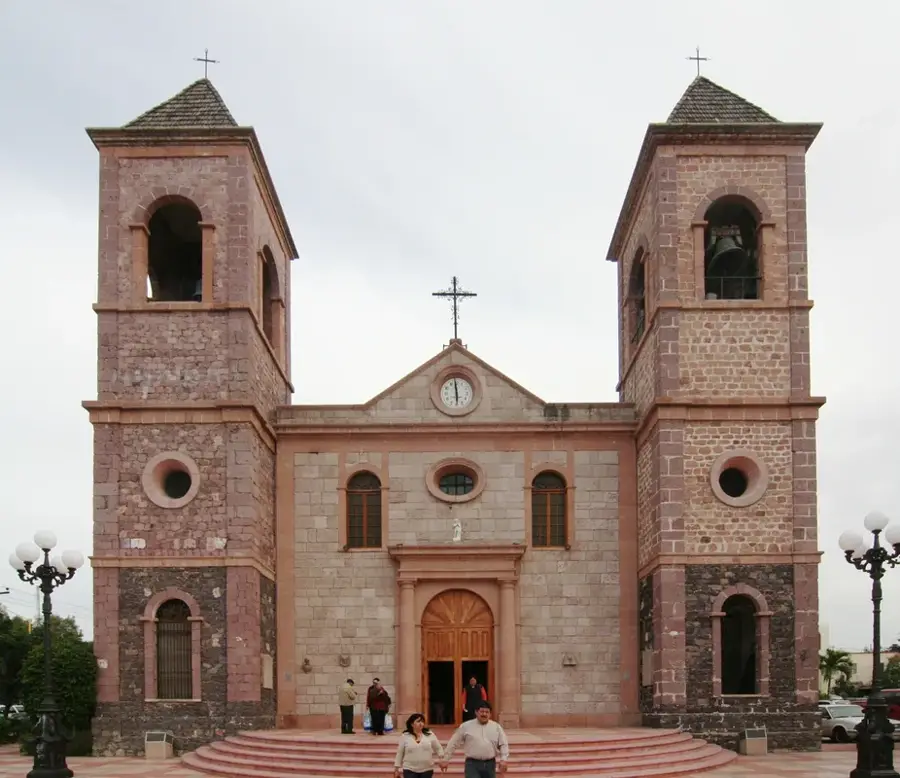
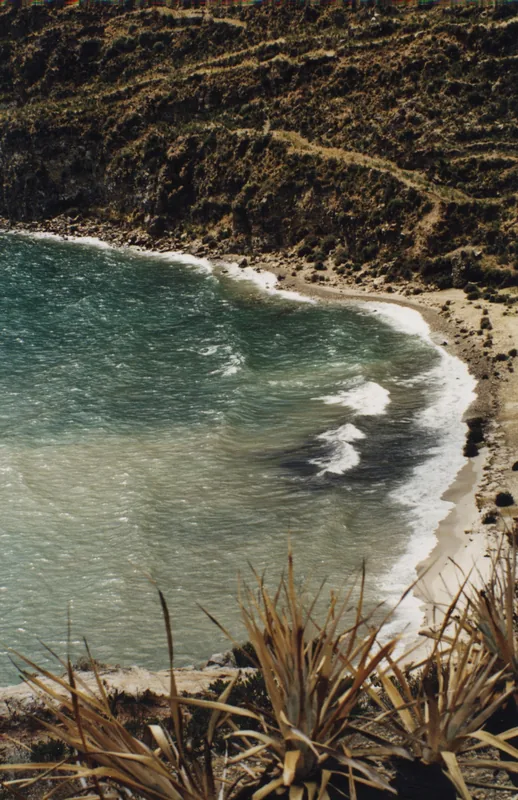
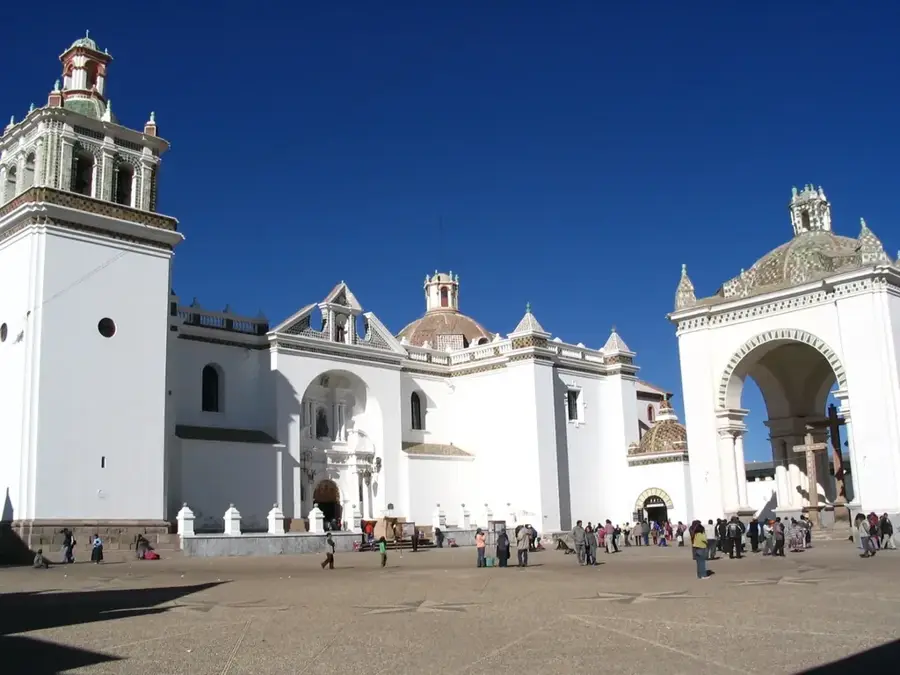
The Basilica of Our Lady of Copacabana, situated on the shores of Lake Titicaca, is the most important pilgrimage site in Bolivia. The current building was constructed between 1605 and 1619 in a blend of Renaissance and Mudéjar styles, with later Baroque additions. The complex features a vast walled courtyard (atrium) designed to accommodate large crowds for outdoor religious ceremonies. Inside the basilica is the famous 'Dark Virgin' of Copacabana, a statue carved in 1583 by the indigenous artist Francisco Tito Yupanqui. The interior is adorned with magnificent gilded altarpieces and colonial religious art of high historical value. Every year on August 5th, thousands of pilgrims travel to the site to honor the patron saint of Bolivia. The site is also famous for the blessing of vehicles (Bendición de Movilidades), a unique ritual that demonstrates the blending of Catholic faith with traditional Andean customs.

Best time to visit & climate

The most pleasant time to visit is May, Sep, Nov.

JanFebMarAprMayJunJulAugSepOctNovDec
Avg °C999887678999
Rain mm152137985427192224295964123

📋 Practical info

🚪
Visiting
The Basilica of Copacabana is an active church and pilgrimage site on the shores of Lake Titicaca, open to visitors. You can see the interior with the famous statue of the Virgin of Copacabana.
🕒
Typical hours
The basilica is typically open daily from 8:00 AM to 6:00 PM, with longer hours during religious festivals. Mass times may briefly restrict tourist access.
📷
Photography
Photography inside is usually allowed, but without flash to maintain the reverent atmosphere. Capturing the Virgin statue is particularly popular - please be respectful.
⏱️
Time needed
A visit to the basilica takes about 30-45 minutes to admire the architecture and statue. Pilgrims often spend more time in prayer and reflection.
Combine with
Copacabana lies on Lake Titicaca, combine your visit with a boat trip to Isla del Sol or Isla de la Luna. Nearby Cerro Calvario has a viewpoint over the town.
🧭
Getting there
Copacabana is reachable by bus from La Paz - the journey takes about 4 hours. The basilica is centrally located and walkable from the bus station.
💡
Insider tip
Visit the basilica early in the morning to avoid the tourist crowds and enjoy the quiet. Dress appropriately - shoulders and knees should be covered.

Geography

Coordinates
-16.16610, -69.08580

Facts

  • Basilica built between 1605 and 1619
  • The statue of the Virgin was carved in 1583
  • Sculpted by indigenous artist Francisco Tito Yupanqui
  • The main religious festival is held on August 5th
  • Architecture blends Renaissance and Mudéjar styles
  • Site of the traditional 'blessing of the vehicles' ritual

Explore nearby

Notable places around

Route planner — Car & Motorhome

Where do you start? We build the route here, with stops and country notes along the way.

Vehicle
Only stops with (optional):

© OpenStreetMap contributors · OpenRouteService

Sights in the town Basilica of Copacabana (10)

Cerro Pucara🌿 nature

Overlooking the surrounding high-altitude plains, this notable peak is situated in the La Paz Department.

Mirador del Inca📍 landmark

This elevated lookout point has sweeping views over Lake Titicaca and honors the region's rich Inca heritage.

playa blanca📍 landmark

This bright, sandy beach rests directly on the expansive shores of high-altitude Lake Titicaca.

Mirador Sagrado Corazón de Jesús🌿 nature

Crowned by a religious monument to the Sacred Heart, this viewpoint overlooks the rooftops of Copacabana and the lake beyond.

Mirador El Calvario🌿 nature

Reached by a steep, stone-paved path, this hilltop viewpoint provides a spectacular vantage over Copacabana Bay.

Boca del Sapo📍 landmark

This naturally eroded rock formation is shaped like a giant toad's mouth and serves as a site for traditional Andean rituals.

Museo del Poncho🏛 museum

This cultural museum exhibits a bustling collection of traditional Andean woven ponchos and local textiles.

🕒 Mo-Sa 10:30-17:00; Su 10:30-15:00

Mujeres Artesanas🎭 culture

This collaborative arts center showcases intricate handmade textiles and crafts produced by local artisan women.

Gruta de Lourdes (Gruta de Fatimá)⛪ religious

This rocky, artificial grotto serves as a dedicated place of worship honoring the apparitions of the Virgin Mary.

Mercado Modelo Copacabana🎭 culture

This bustling indoor marketplace is a central hub for purchasing fresh regional produce and local Lake Titicaca trout.

Sights nearby

Frequently asked questions

What is the 'Virgin of Copacabana'?
A famous wooden statue of the Virgin Mary, who is the patron saint of Bolivia.
Why are cars blessed in front of the basilica?
It is a local tradition to have new cars blessed with flowers and beer.
Is photography allowed in the church?
In the Chapel of the Virgin, photography is usually strictly prohibited.
When is the main festival?
The most important celebrations take place around February 2nd and August 5th.
What is the architectural style of the basilica?
It is built in Moorish style (Mudéjar), which is unusual for South America.
Basilica of Copacabana: where is it located?
Basilica of Copacabana is located in Bolivia.
Basilica of Copacabana: what is there to see?
Highlights include Cerro Pucara, Mirador del Inca, playa blanca.
Basilica of Copacabana: when is the best time to visit?
The most pleasant time to visit is May, Sep, Nov.
Basilica of Copacabana: why is it worth visiting?
The Basilica of Our Lady of Copacabana, situated on the shores of Lake Titicaca, is the most important pilgrimage site in Bolivia.
View on map → The Top 50 Attractions → OpenStreetMap →
South America
Explore with Plizio Discover more places in South America
More places in Bolivia →

History & landmarks

Nature

More places