Plizio Visual Lab

Estación Central Mi Teleférico
Plizio editorial teamData Sources
Landmark
—°11
Estación Central Mi Teleférico (Bolivia)

Weather…

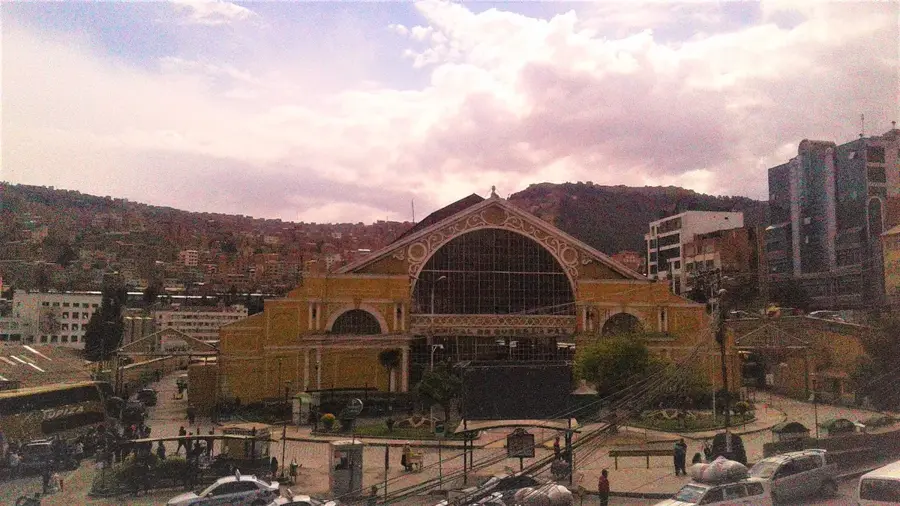
The Estación Central of Mi Teleférico in La Paz is a fascinating example of repurposing historical infrastructure into a modern transportation system. Originally built in 1930 as the main station for the railway line between La Paz and Guaqui, the building was designed in a Neoclassical style with red brick and distinctive architectural details. Following the decline of rail transport, the station was extensively restored and now serves as the primary hub for the Red Line (Línea Roja) of the world's highest cable car network. The station efficiently connects the center of La Paz with the rapidly growing city of El Alto, offering commuters spectacular views of the La Paz basin and Mount Illimani. Inside the station, historical elements from the railway era have been preserved and combined with state-of-the-art technology, making it a popular tourist attraction. The facility symbolizes technological progress and social change in the Bolivian metropolitan region.

Best time to visit & climate

The most pleasant time to visit is Apr, Sep, Nov.

JanFebMarAprMayJunJulAugSepOctNovDec
Avg °C999876567999
Rain mm13611479351391622244844107

📋 Practical info

🚪
Visiting
Estación Central Mi Teleférico in La Paz is the main station of the cable car network, accessible both as a transport hub and a viewpoint. Travelers can enter without a ticket to enjoy the spectacular view over the city.
🕒
Typical hours
The station is open daily from approximately 6:00 to 23:00, matching the cable car operating hours. On holidays, hours may differ; it is advisable to check in advance.
📷
Photography
Photography is generally allowed at the station and on the platforms. The panoramic views from the higher levels offer excellent photo opportunities, especially at sunset.
⏱️
Time needed
A visit to the station and a short stay on the viewing platform takes about 20 to 30 minutes. If you add a cable car ride, allow an extra 30 to 60 minutes.
Combine with
Combine the visit with a cable car ride to El Alto or other districts of La Paz. The nearby Valle de la Luna and Murillo Square are also worth seeing.
🧭
Getting there
The station is located in central La Paz, near Plaza San Francisco. It is easily accessible on foot, by bus or taxi; the cable car station is well signposted.
💡
Insider tip
Visit the station in the late afternoon to experience the sunset over the Andes. Buy a return ticket for the cable car to enjoy the best views.

Geography

Coordinates
-16.48830, -68.14080

Facts

  • The building was originally opened as a railway station in 1930.
  • It is now the main hub for the Red Line (Línea Roja) cable car.
  • The station is located at an altitude of 3,689 meters.
  • Vintage locomotives and rail cars are preserved on the premises.
  • The restoration maintained the original red-brick Neoclassical facade.
  • It serves as a key link between central La Paz and El Alto.

Explore nearby

Notable places around
Route planner — Car & Motorhome

Where do you start? We build the route here, with stops and country notes along the way.

Vehicle
Only stops with (optional):

© OpenStreetMap contributors · OpenRouteService

Sights in the town Estación Central Mi Teleférico (11)

Multicentro Sol de Luna🏛 museum

This urban gallery and cultural center showcases rotating visual arts exhibitions and creative projects.

Museo Ferroviario🏛 museum

Housed near the old Central Station, this museum preserves historical train carriages and railway artifacts.

Caporal🏺 historical

This striking urban monument celebrates the energetic Caporales folk dance, an iconic element of Bolivian cultural heritage.

Monumento a las Rabonas🏺 historical

This historical monument honors the "Rabonas," the resilient women who accompanied and supported soldiers during past military campaigns.

natalia🏺 historical

Set within the urban streetscape, this local commemorative monument serves as a distinct sculptural landmark.

Teatro de la Parroquia Apostol Santiago🎭 culture

Attached to the Apostle James parish, this intimate theatre space hosts community plays and religious dramatic performances.

Centro Cultural🎭 culture

This regional cultural center provides a performance stage for local theatrical productions and community arts events.

Centro Artesanal🎭 culture

Visitors can explore traditional crafts and workshops showcasing local handmade goods at this bustling arts center.

Iglesia de Jesucristo de los Santos de los Últimos Días⛪ religious

Operating as an LDS meetinghouse, this religious facility hosts Mormon congregations for weekly spiritual instruction.

Tabernáculo de la Fe⛪ religious

Named the Tabernacle of Faith, this evangelical worship space welcomes congregants for passionate prayer and sermons.

Jehová Sama⛪ religious

Translating to "The Lord is There," this worship hall provides a dedicated space for spiritual reflection and community praise.

Sights nearby

Frequently asked questions

What was the building before?
It was the central railway station of La Paz (Estación de Ferrocarriles).
Which cable car line starts here?
The Red Line (Línea Roja) of Mi Teleférico has its base station here.
Is the station modern?
Yes, it combines historical architecture with modern cable car technology.
Is the ticket expensive?
No, a ride costs about 3 bolivianos (very affordable).
Is there Wi-Fi?
Many Mi Teleférico stations offer free Wi-Fi.
Estación Central Mi Teleférico: where is it located?
Estación Central Mi Teleférico is located in Bolivia.
Estación Central Mi Teleférico: what is there to see?
Highlights include Multicentro Sol de Luna, Museo Ferroviario, Caporal.
Estación Central Mi Teleférico: when is the best time to visit?
The most pleasant time to visit is Apr, Sep, Nov.
Estación Central Mi Teleférico: why is it worth visiting?
The Estación Central of Mi Teleférico in La Paz is a fascinating example of repurposing historical infrastructure into a modern transportation system.
View on map → The Top 50 Attractions → OpenStreetMap →
South America
Explore with Plizio Discover more places in South America
More places in Bolivia →

History & landmarks

Nature

More places