Plizio Visual Lab
Zeebrugge LNG Terminal
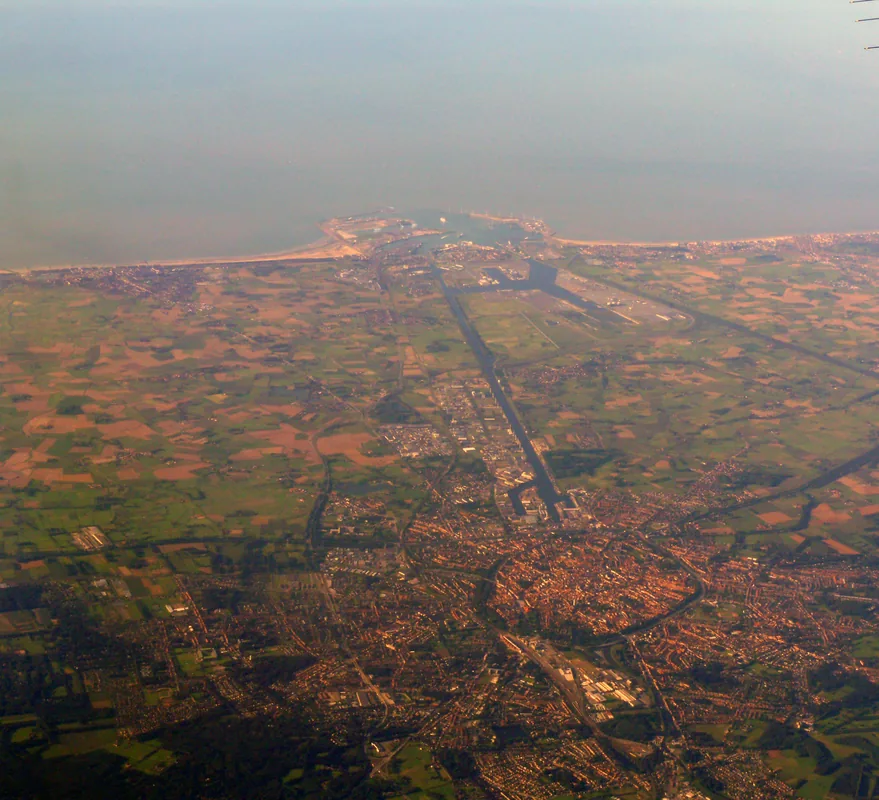
The Zeebrugge LNG Terminal, operated by Fluxys, is one of the most critical hubs for natural gas supply in Northwest Europe. Since its commissioning in 1987, it has served as a strategic gateway for liquefied natural gas arriving by sea from across the globe. The facility currently features five massive storage tanks with a total capacity exceeding 560,000 cubic meters and is equipped with state-of-the-art regasification units. Beyond injecting gas into the European pipeline network, Zeebrugge gives specialized services such as LNG truck loading and ship bunkering, supporting the transition to lower-emission fuels in the maritime sector. Through its connection to the Interconnector pipeline to the UK and the continental grid, the terminal plays a vital role in the energy security of Belgium and its neighboring countries. Continuous expansions, including the construction of a second jetty, have significantly increased the capacity for simultaneous handling of multiple LNG carriers.
- Location: Belgium
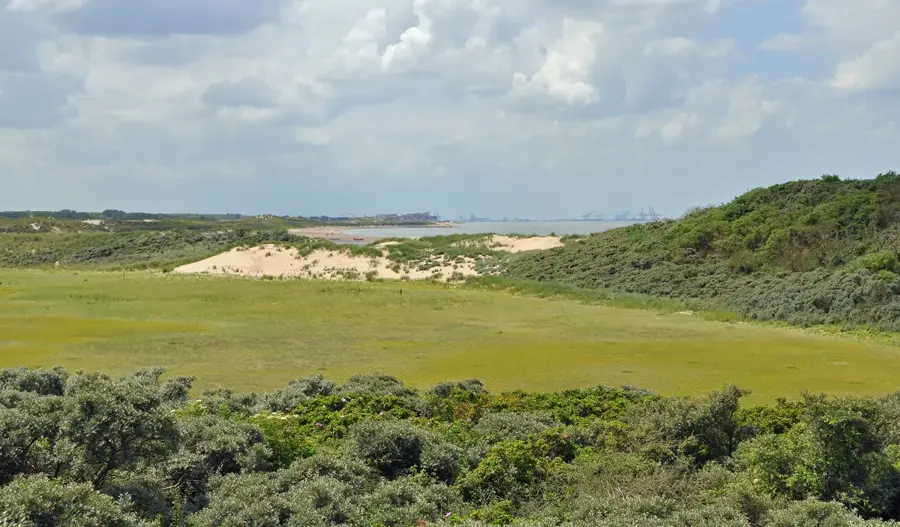
- Top sights: Sterneneiland · Baai van Heist · Lage vuurtoren van Heist
- Nearby: Knokke-Heist (5 km)
Best time to visit & climate
The most pleasant time to visit is Jul–Sep.
| Jan | Feb | Mar | Apr | May | Jun | Jul | Aug | Sep | Oct | Nov | Dec | |
|---|---|---|---|---|---|---|---|---|---|---|---|---|
| Avg °C | 6 | 5 | 6 | 9 | 12 | 15 | 18 | 18 | 16 | 13 | 10 | 7 |
| Rain mm | 73 | 62 | 54 | 38 | 53 | 59 | 72 | 81 | 64 | 80 | 85 | 87 |
📋 Practical info
Geography
Facts
- The terminal was officially commissioned in 1987 on the Belgian coast.
- It features 5 large storage tanks specifically for liquefied natural gas.
- The total storage capacity of the tanks is approximately 566,000 cubic meters.
- The facility can regasify up to 9 billion cubic meters of gas per year.
- It is directly connected to the Interconnector pipeline leading to the United Kingdom.
- A second jetty has been operational since 2019 for simultaneous ship handling.
Explore nearby
Notable places around
Route planner — Car & Motorhome
Where do you start? We build the route here, with stops and country notes along the way.
© OpenStreetMap contributors · OpenRouteService
Sights in the town Zeebrugge LNG Terminal (10)
Hoge vuurtoren van Heist
High lighthouse in Heist, marks the coast for navigation.
Vuurtorenweide
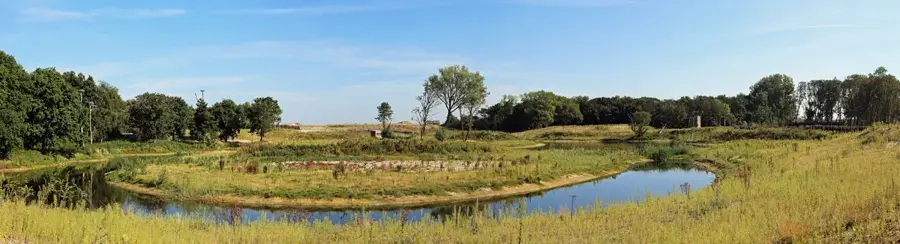
Nature reserve in Belgium, grassland near the lighthouse.
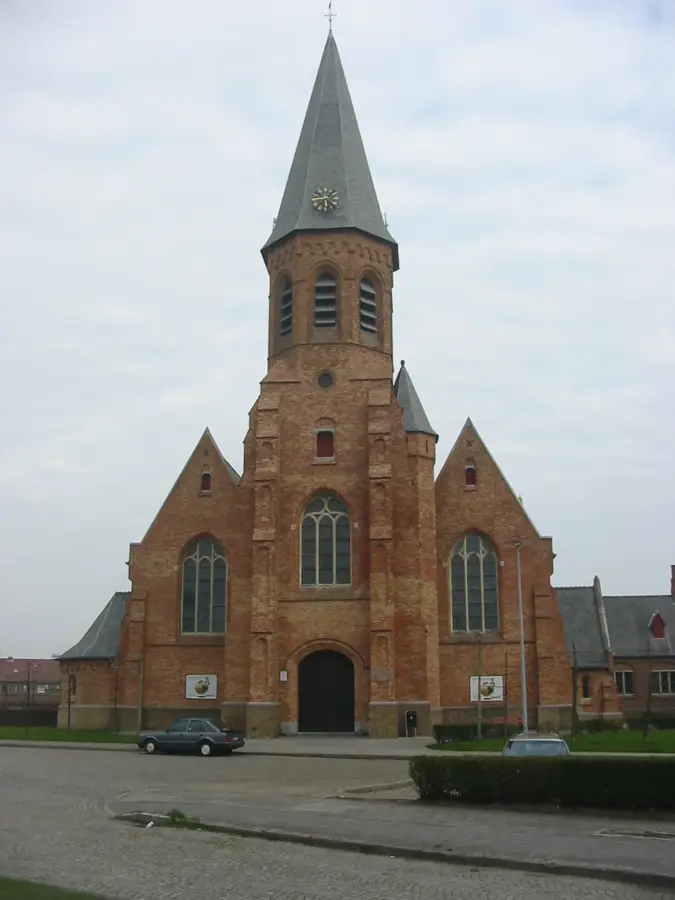
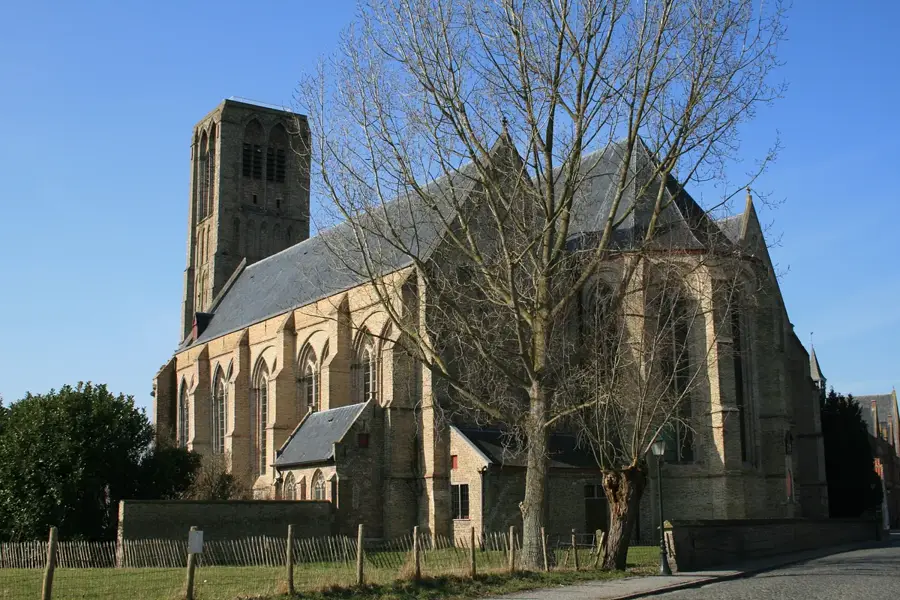
Sint-Donaaskerk⛪ church
Church in Zeebrugge (Bruges), Belgium, place of worship for Catholics.
Sint-Antonius-Abtkerk
Church in Heist, Belgium, dedicated to Saint Anthony Abbot.
Visserskapel
Chapel in Heist, Belgium, built for the local fishermen.
Victoria
Gallery in Zeebrugge, exhibition space for contemporary art.
Sights nearby
Frequently asked questions
What is the Zeebrugge LNG terminal?
Can you visit the terminal?
Why is the Zeebrugge location so important?
What ships dock there?
How does the terminal affect the environment?
Zeebrugge LNG Terminal: where is it located?
Zeebrugge LNG Terminal: what is there to see?
Zeebrugge LNG Terminal: when is the best time to visit?
Zeebrugge LNG Terminal: why is it worth visiting?

Nearby cities