Plizio Visual Lab

Fort Pontisse
Plizio editorial teamData Sources
fort
—°10
Fort Pontisse (Belgium)

Weather…

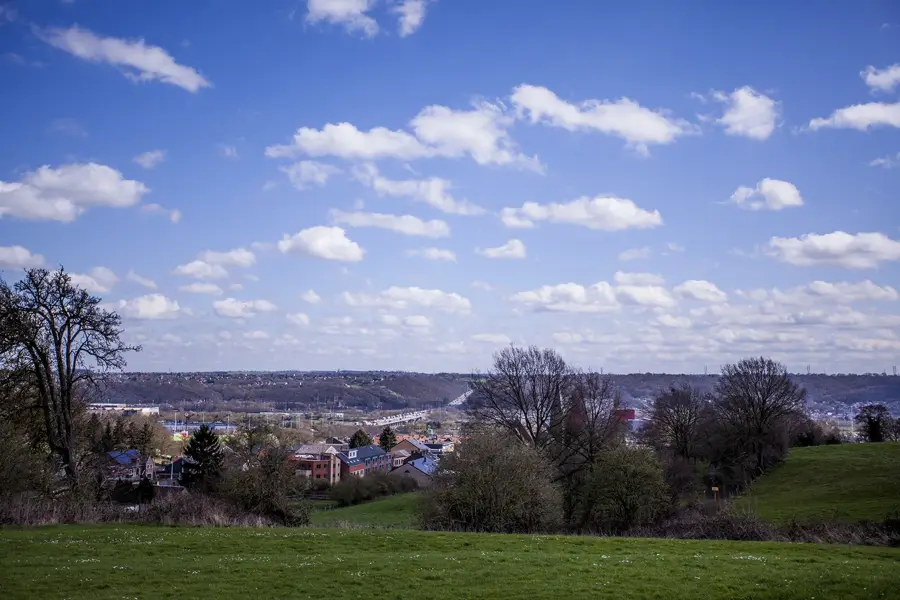
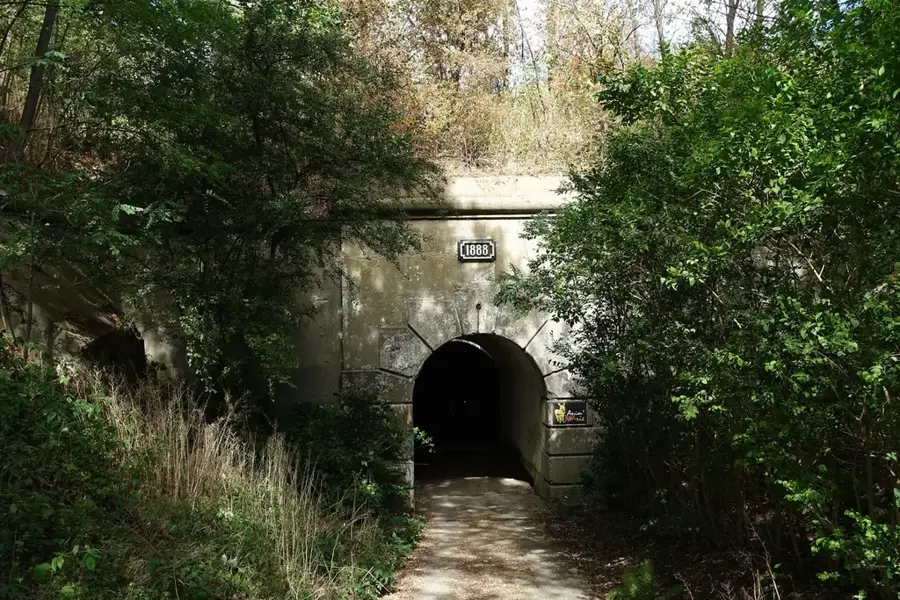
Fort de Pontisse, located on a strategic hill overlooking the Meuse valley north of Liège, was a crucial link in the city's defensive chain. It was constructed between 1888 and 1891 as one of the twelve forts designed by General Henri Alexis Brialmont. The facility was built using early unreinforced concrete and featured state-of-the-art artillery turrets for its time. In preparation for World War II, the fort underwent extensive modernization in 1930, being reinforced with reinforced concrete. During the German invasion in May 1940, the fort withstood heavy bombardment from Stuka dive-bombers and artillery, significantly delaying the advance of the invaders. Eventually, the garrison was forced to surrender on May 18, 1940, after its weaponry had been largely neutralized. Today, the facility is maintained by a local association dedicated to preserving this significant piece of military heritage.

Best time to visit & climate

The most pleasant time to visit is Jun–Aug.

JanFebMarAprMayJunJulAugSepOctNovDec
Avg °C125912161818141052
Rain mm817267487072778760667587

📋 Practical info

🚪
Visiting
This late 19th-century defensive structure, integral to the Liège fortification ring, gives visitors a stark look at pre-WWI military architecture. Access to the interior structures is typically managed through specific associations or guided events to preserve the historical integrity.
🕒
Typical hours
The surrounding natural terrain might be visible from public paths at all hours, but entering the actual fortifications is usually strictly scheduled. Official open days, historical memorial weekends, or pre-arranged group tours are generally the only times the inner gates are unlocked.
📷
Photography
Documenting the massive concrete structures and the overgrown remnants of this artillery fort provides evocative subjects for historical photography. Ensure you adhere to any safety guidelines while photographing, as some deteriorating parts of the old military complex may be off-limits.
⏱️
Time needed
A comprehensive guided tour exploring the garrison rooms, corridors, and armament positions typically demands around two to three hours. If you are only viewing the exterior from adjacent paths, a brief stop of thirty to forty-five minutes is usually sufficient.
Combine with
Exploring this fortification naturally complements visits to other neighboring forts that formed the defensive ring around Liège. It is also a logical addition to a broader itinerary focusing on World War I historical sites scattered throughout the eastern Belgian countryside.
🧭
Getting there
The fort is situated in a semi-rural or suburban setting, usually best reached by car or bicycle using local secondary roads. Parking is generally available near the entrance points, though navigating the final approach might involve walking on uneven, unpaved terrain.
💡
Insider tip
As these late 19th-century military structures can be dusty and rustic, wear clothing that you do not mind getting slightly dirty during an internal tour. A reliable flashlight can be extremely useful for illuminating darker corners that might not be fully covered by the installed lighting.

Geography

Coordinates
50.67000, 5.65000

Facts

  • The fort was built between 1888 and 1891 based on Brialmont's designs.
  • It is located in the municipality of Herstal, north of Liège.
  • The facility's modernization took place in the year 1930.
  • The fort surrendered on May 18, 1940, at 11:30 AM.
  • It was equipped with 12cm, 15cm, and 21cm caliber guns.
  • The garrison consisted of approximately 450 soldiers during the war.

Explore nearby

Notable places around
Route planner — Car & Motorhome

Where do you start? We build the route here, with stops and country notes along the way.

Vehicle
Only stops with (optional):

© OpenStreetMap contributors · OpenRouteService

Sights in the town Fort Pontisse (10)

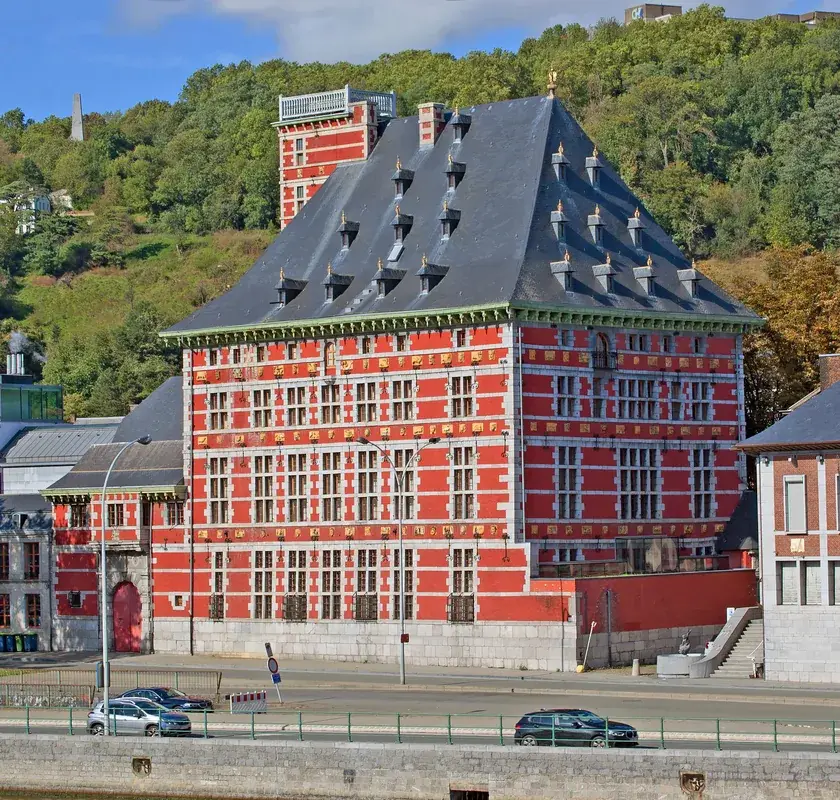
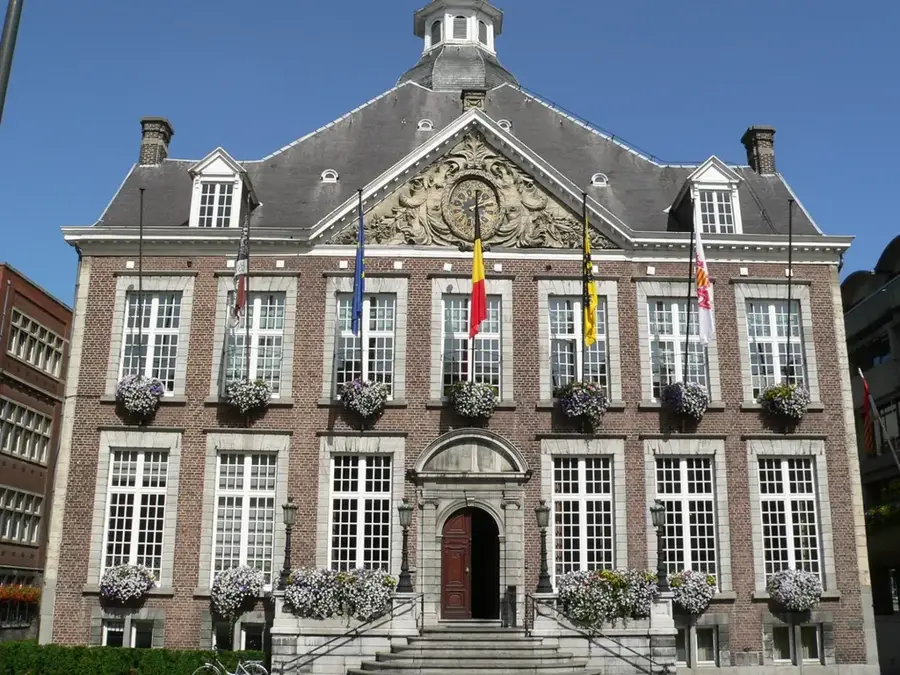
Musée de la ville de Herstal🏛 museum

City museum in a 17th-century house, featuring local history and industrial heritage.

Pont de Milsaucy

Bridge in Belgium, connecting the banks of the Meuse at Herstal.

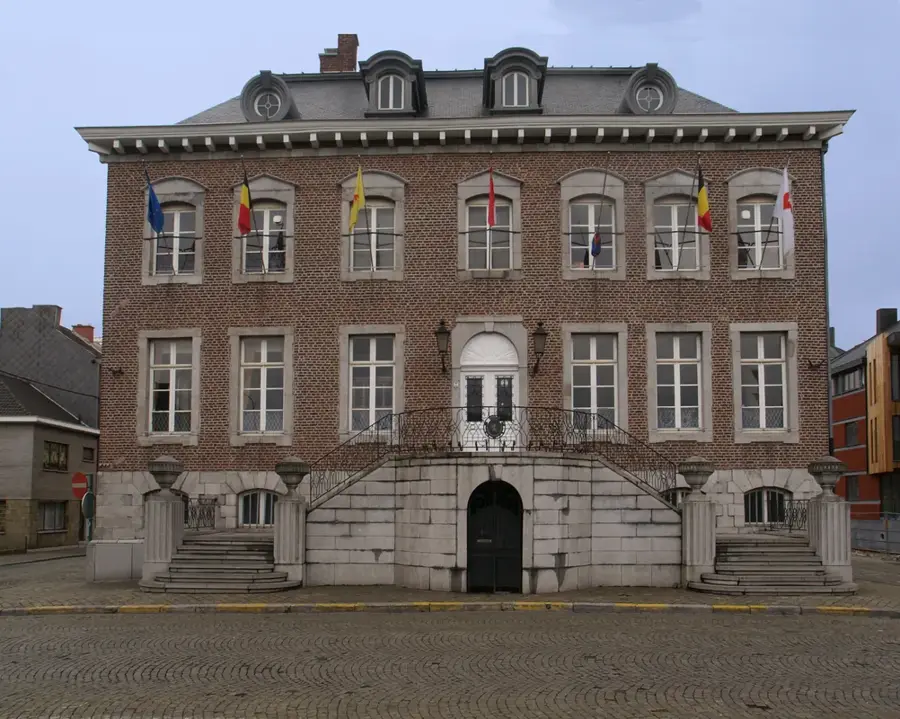
Château Rouge🏰 castle

Castle built in 1784, red brick with neoclassical features.

Memorial de Rabosée

Memorial commemorating the events of Rabosée.

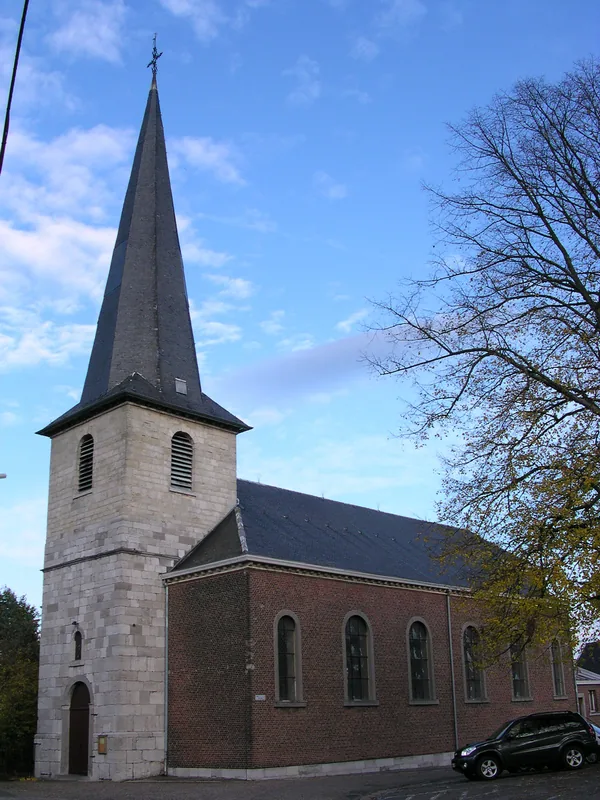
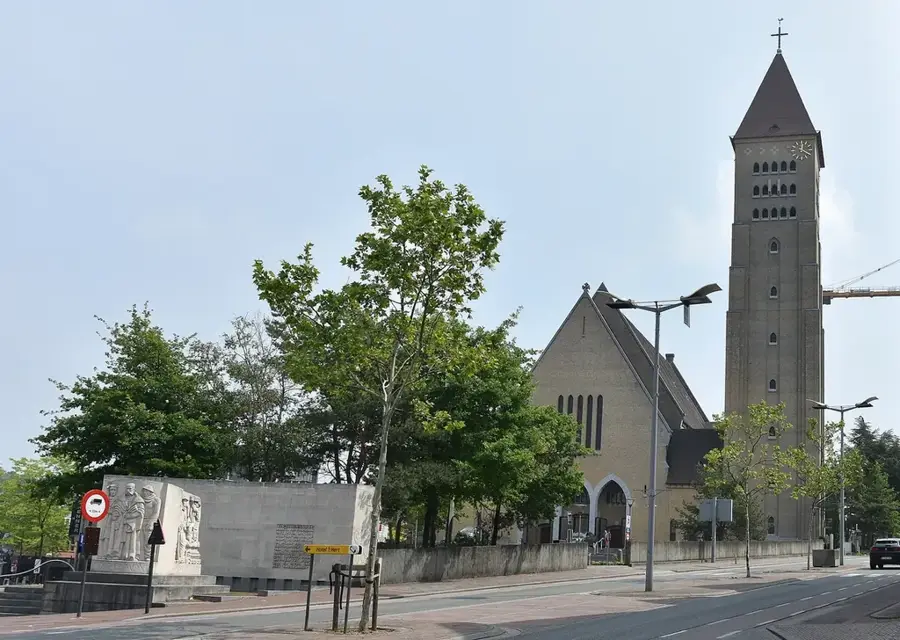
Église Saint-Roch

Church in Wandre, Belgium, dedicated to Saint Roch.

Viaduc de Herstal

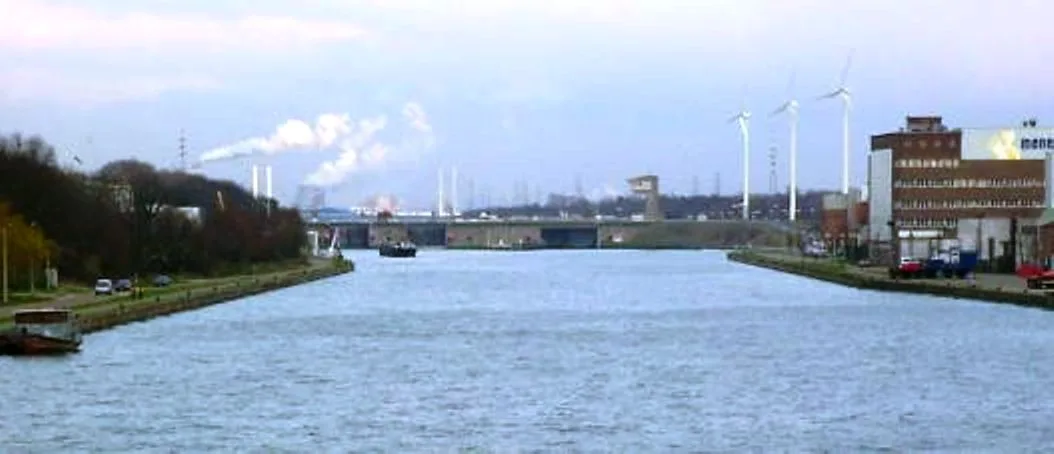
Viaduct comprising bridge 26 over the Albert Canal, bridge 26bis over Chertal and bridge 27 over the Meuse.

Chapelle Saint-Orémus

Chapel in Herstal, Belgium, a place of worship.

Château Sarolea🏰 castle

Castle in Herstal, surrounded by a park.

Château Dupont🏰 castle

Castle in Wandre, Belgium, a historic building.

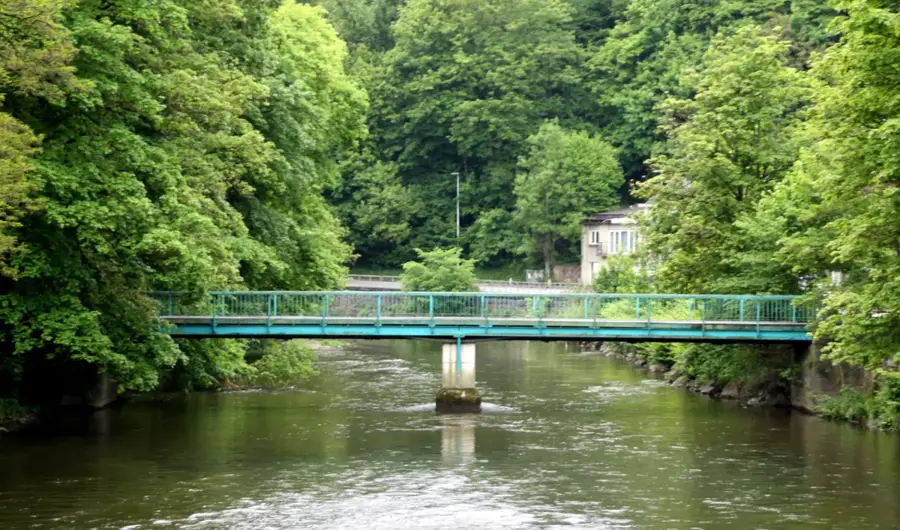
Passerelle Hasard Cheratte

Industrial footbridge, part of the former Hasard coal mine.

Sights nearby

Frequently asked questions

Did Fort Pontisse belong to the Liège fortress ring?
Yes, it was one of the twelve Brialmont forts protecting the city.
Is the fort open to tourists?
Access is limited; visits are mostly possible only through associations.
What role did it play in WWI?
In 1914, it offered fierce resistance against German troops.
Can the underground tunnels be seen?
Only as part of special guided tours, as many areas are in disrepair.
Is there a monument there?
Yes, there are commemorative plaques for the fallen soldiers of the fort.
Fort Pontisse: where is it located?
Fort Pontisse is located in Belgium.
Fort Pontisse: what is there to see?
Highlights include Musée de la ville de Herstal, Pont de Milsaucy, Château Rouge.
Fort Pontisse: when is the best time to visit?
The most pleasant time to visit is Jun, Aug.
Fort Pontisse: why is it worth visiting?

Fort de Pontisse, located on a strategic hill overlooking the Meuse valley north of Liège, was a crucial link in the city's defensive chain.
View on map → The Top 50 Attractions → OpenStreetMap →
Europe
Explore with Plizio Discover more places in Europe
More places in Belgium →

Nearby cities

More places