Bible museum🏛 museum
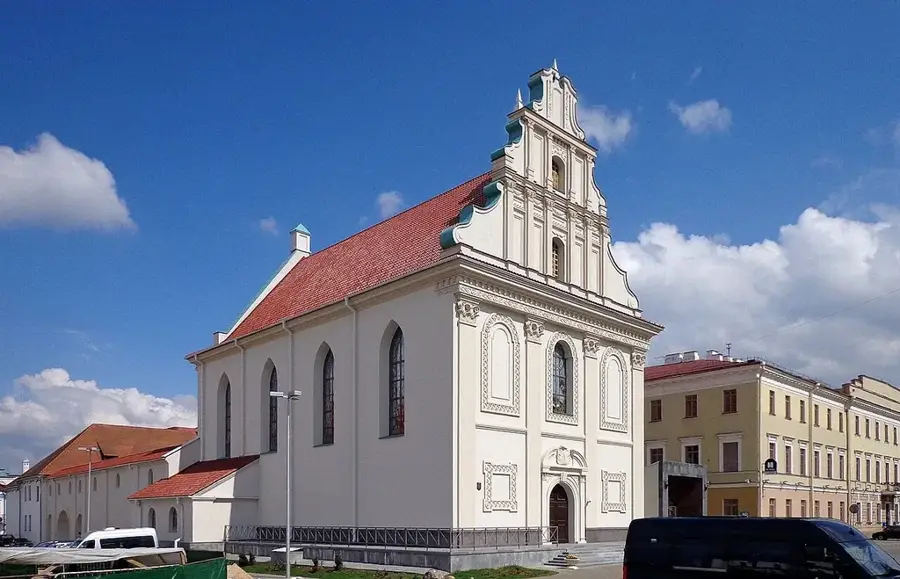
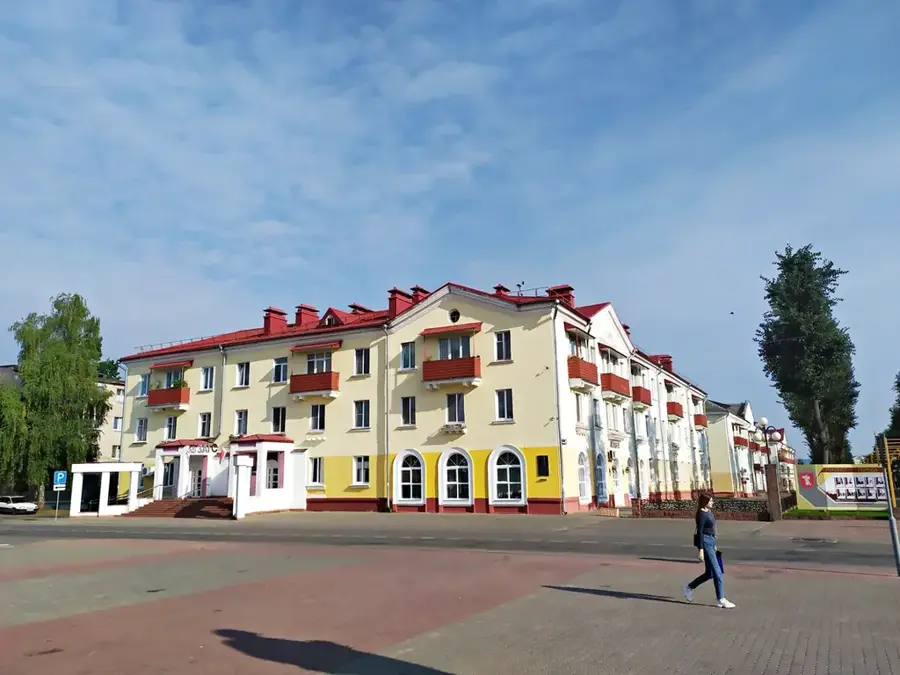
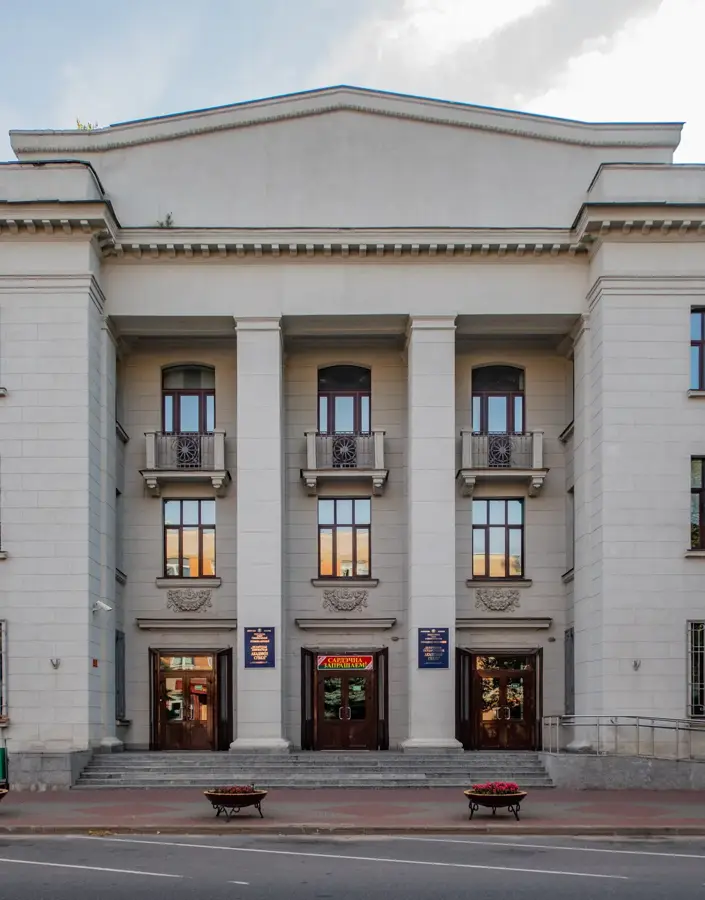
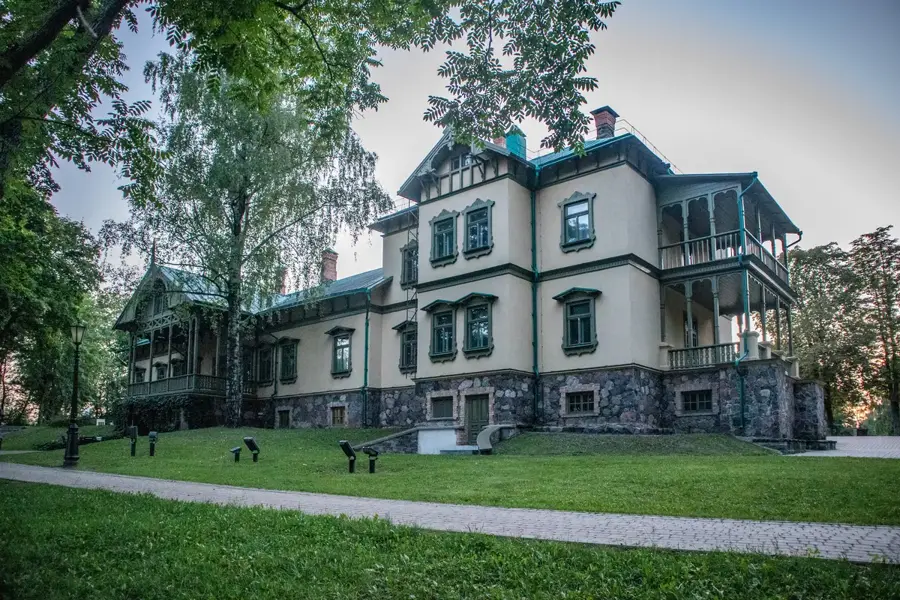
Museum in Minsk, showcasing the history and translations of the Bible.
Plizio Visual Lab
The Mill on the Svisloch River in Minsk was for centuries a focal point of economic life in the Belarusian capital. Located in the area of what is now the Trinity Suburb (Troitskoye Predmestye), the mill complex utilized the river's current to drive heavy grinding stones for grain production. The most significant brick mill structure was erected in the 19th century, serving as a hub for local farmers, traders, and artisans. In national folklore, the mill is intrinsically linked to the legend of the giant Menesk, the mythical founder of Minsk, who reportedly operated a stone mill on this very spot. Although the original industrial buildings were largely demolished during 20th-century urban redevelopments, the mill remains a powerful symbol of the city's origins and early prosperity. Modern reconstructions and museum displays in the historic district now commemorate this essential part of Minsk's industrial and cultural heritage.
The most pleasant time to visit is Jun–Aug.
| Jan | Feb | Mar | Apr | May | Jun | Jul | Aug | Sep | Oct | Nov | Dec | |
|---|---|---|---|---|---|---|---|---|---|---|---|---|
| Avg °C | -8 | -6 | -1 | 6 | 13 | 16 | 19 | 18 | 12 | 6 | 1 | -5 |
| Rain mm | 53 | 43 | 45 | 48 | 85 | 80 | 103 | 83 | 50 | 66 | 54 | 51 |
Notable places around
Where do you start? We build the route here, with stops and country notes along the way.
© OpenStreetMap contributors · OpenRouteService
Museum in Minsk, showcasing the history and translations of the Bible.
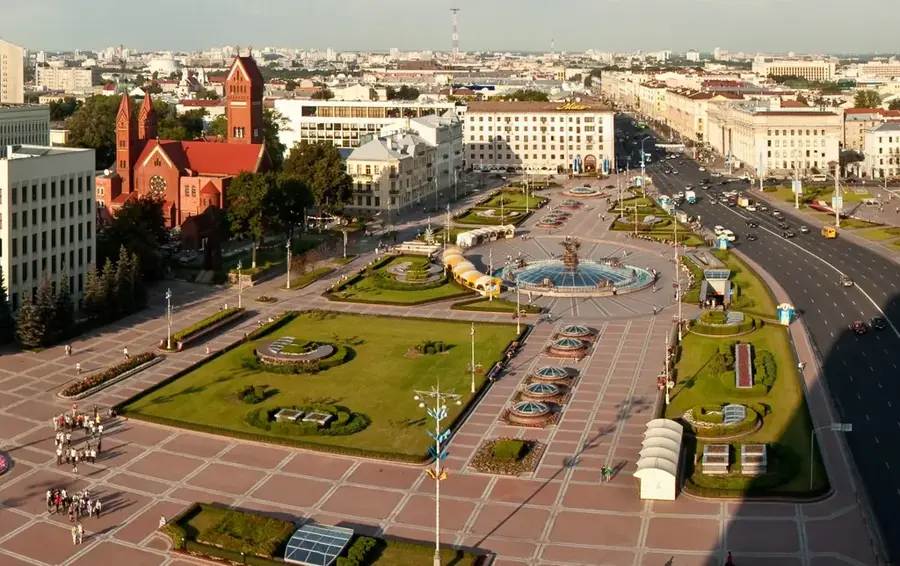
City square in Minsk, Belarus, with gardens and walkways.
Circus building in Minsk, Belarus, hosting regular shows.
Theatre in Belarus, named after poet Yanka Kupala.
Bridge in Minsk over the Svisloch River, used by pedestrians.