Plizio Visual Lab
Cirta Ruins
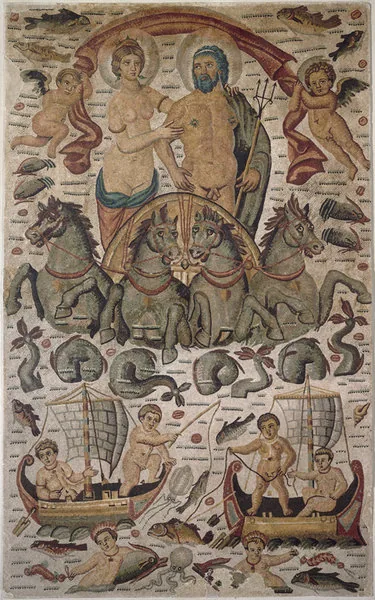
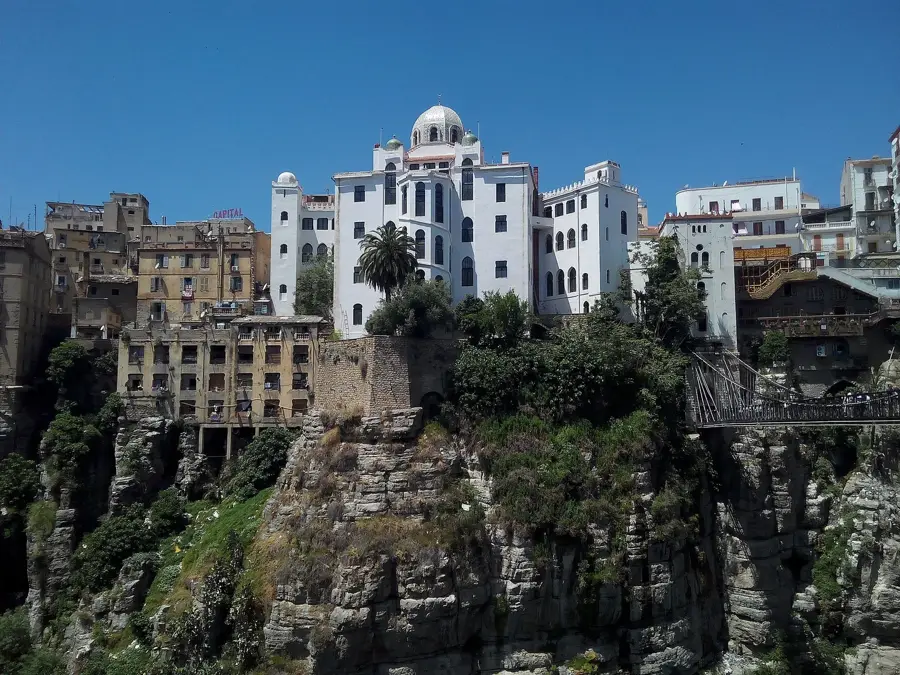
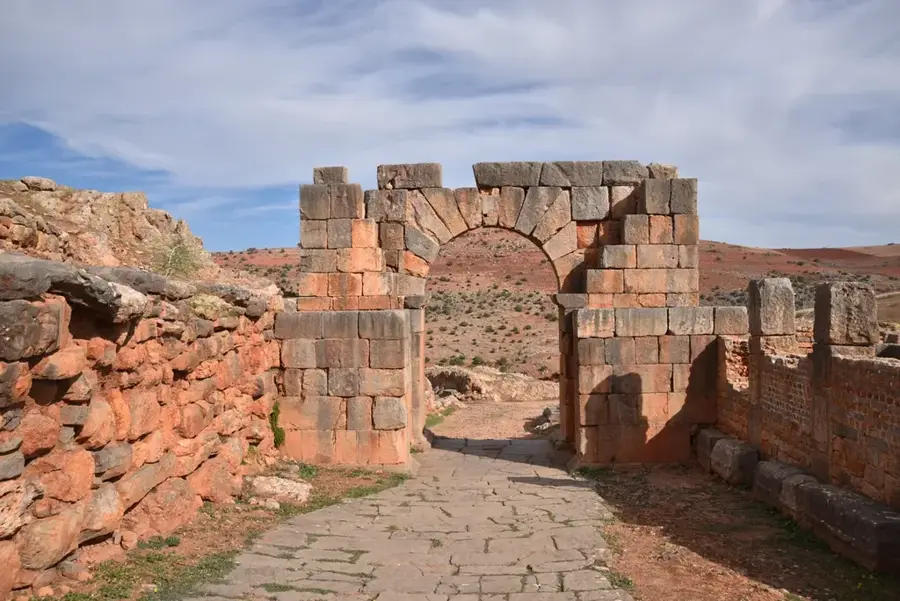
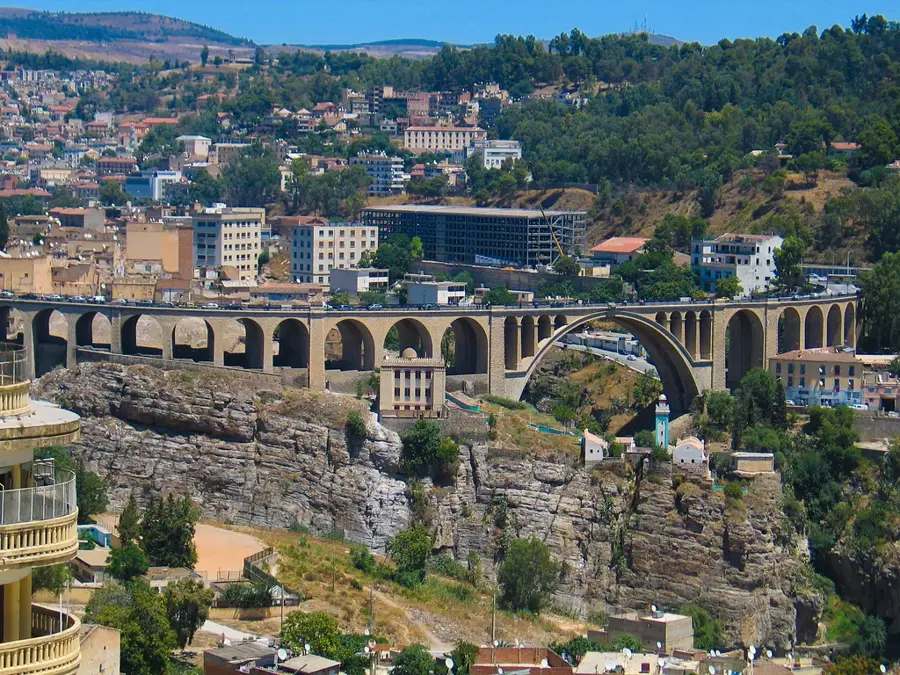
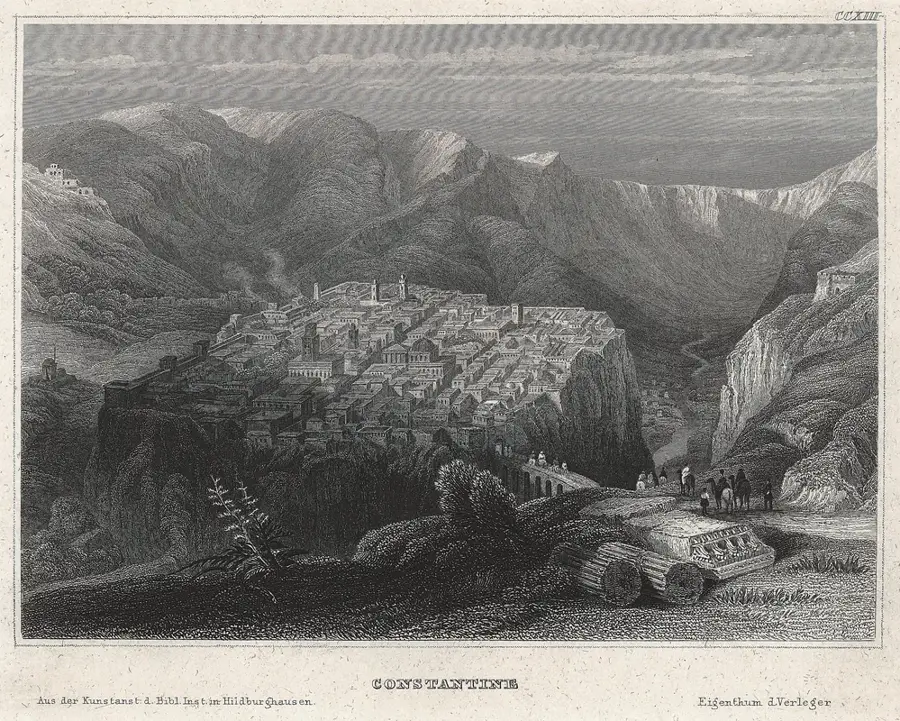
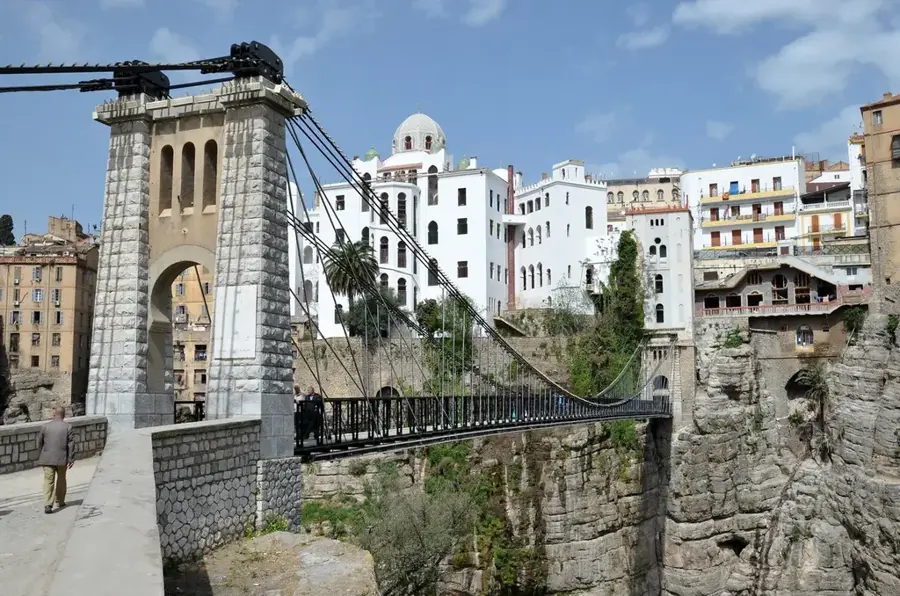
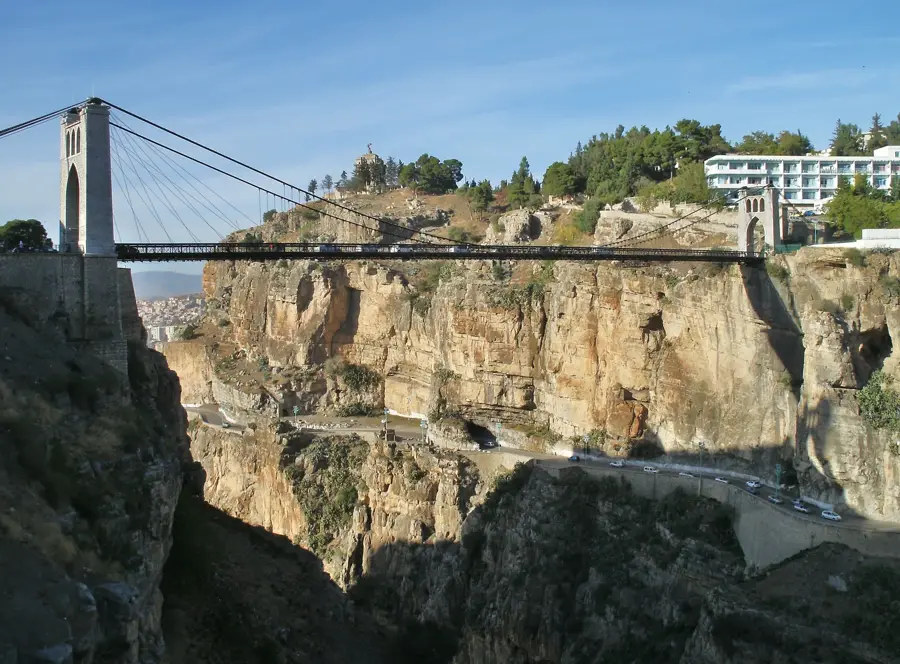
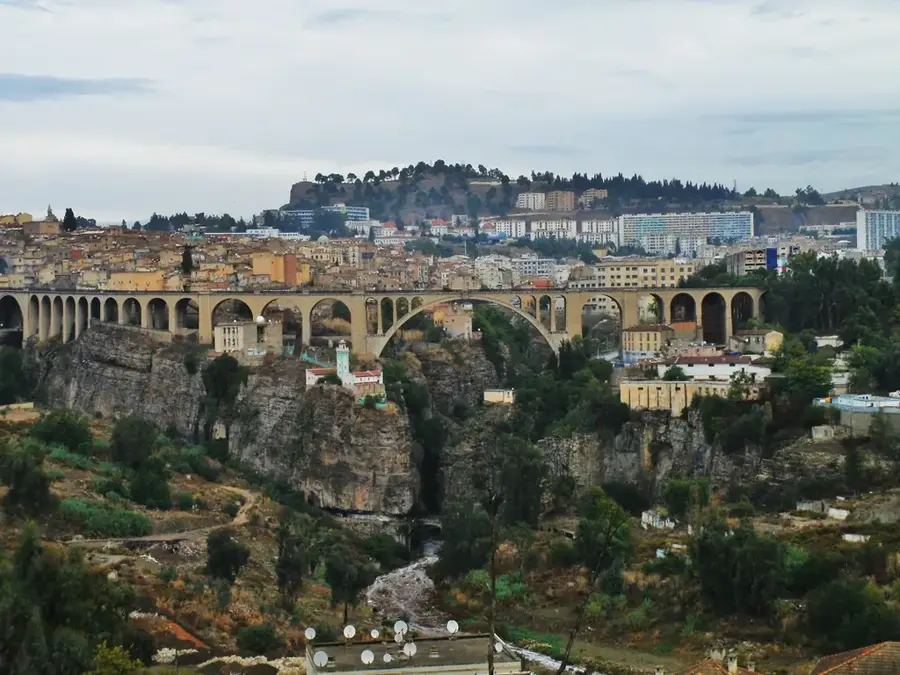
Cirta, the ancient precursor to modern-day Constantine, served as the magnificent capital of the Numidian Kingdom and was one of antiquity's most strategically positioned cities. Built on a massive limestone plateau protected by the deep gorge of the Rhumel River, the city was long considered impregnable. Under the reigns of Kings Syphax and Masinissa in the 3rd and 2nd centuries BC, Cirta flourished as an animated political and economic hub. Following the Roman victory over Jugurtha, the city came under Roman influence and was later rebuilt by Emperor Constantine the Great in 313 AD after its destruction during a civil war, being renamed in his honor. Archaeological remains visible today include portions of Roman aqueducts, forums, and monumental statues scattered throughout the modern city. The seamless blend of ancient architecture with the dramatic geography of cliffs and bridges creates a unique urban landscape. Cirta stands as a testament to the resilience of Numidian identity and its significant role in the historical tapestry of the Roman Empire in North Africa.
- Location: Algeria
- Top sights: Palais du Bey · Sayyidi Rashid Bridge · Regional Theatre - Constantine
- Nearby: Mila (33 km)
Best time to visit & climate
The most pleasant time to visit is Jun, Sep, Oct.
| Jan | Feb | Mar | Apr | May | Jun | Jul | Aug | Sep | Oct | Nov | Dec | |
|---|---|---|---|---|---|---|---|---|---|---|---|---|
| Avg °C | 8 | 8 | 11 | 14 | 18 | 23 | 27 | 27 | 22 | 18 | 12 | 9 |
| Rain mm | 98 | 74 | 76 | 70 | 56 | 17 | 8 | 26 | 56 | 62 | 88 | 93 |
📋 Practical info
Geography
Facts
- Cirta was the primary capital of the Numidian King Masinissa in the 2nd century BC.
- The city was refounded and renamed Constantine by Constantine the Great in 313 AD.
- It sits on a plateau 640 meters high, naturally fortified by the Rhumel River gorge.
- Ancient Cirta featured a monumental Capitol temple dedicated to Jupiter.
- Ruins of a massive Roman aqueduct are still partially visible on the city outskirts.
- The city was a site of major conflict during the Second Punic War.
Explore nearby
Notable places around
Route planner — Car & Motorhome
Where do you start? We build the route here, with stops and country notes along the way.
© OpenStreetMap contributors · OpenRouteService
Sights in the town Cirta Ruins (6)
Regional Theatre - Constantine
Theatre building in Constantine, venue for plays and cultural performances.
Mohamed Laid Al-Khalifa culture palace
Culture palace in Constantine named after the Algerian poet, houses a library and halls.
Musée Public National Cirta🏛 museum
Algerian archaeological museum in Constantine, displays ancient artifacts.
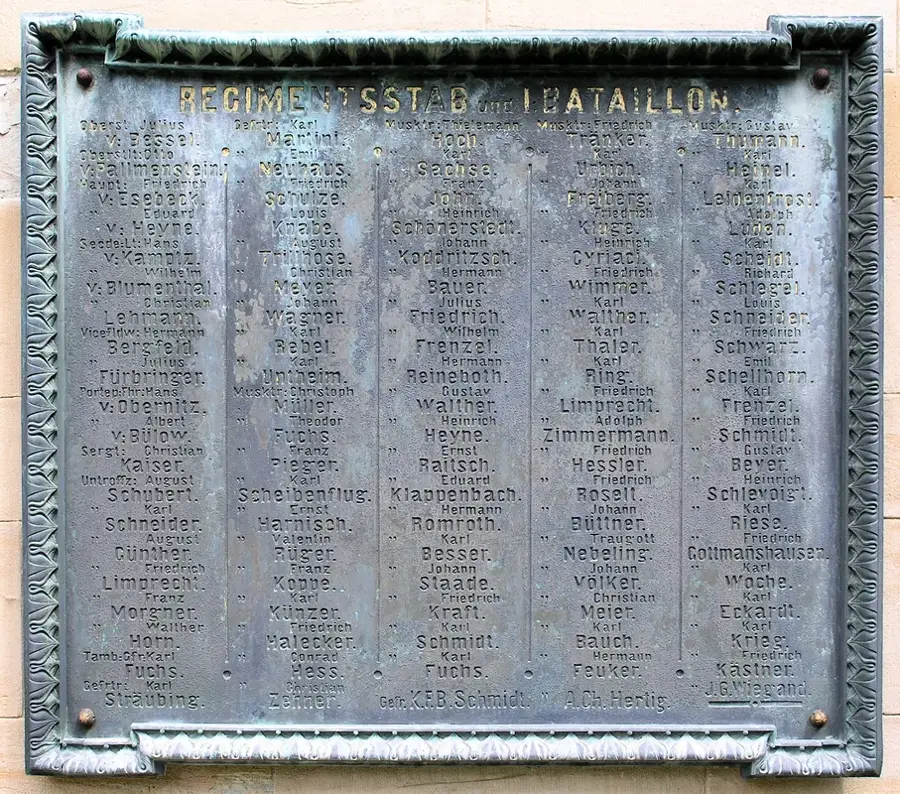
Monument aux morts
War memorial in Constantine, commemorates the fallen of the world wars.
Sights nearby
Frequently asked questions
What was Cirta?
Where are the ruins of Cirta found?
What is the landmark of this city?
Is there an archaeological museum?
What is the best time to visit Constantine?
Cirta Ruins: where is it located?
Cirta Ruins: what is there to see?
Cirta Ruins: when is the best time to visit?
Cirta Ruins: why is it worth visiting?

Nearby cities

History & landmarks
More places