Plizio Visual Lab
Mila
ℹ️Practical info — Mila
▾
🌤 Weather — 5 days
📍 Nearby
Sights nearby
💡 Tips
- Exploring the old city (Vieux Mila) is best done on foot, as the ancient alleys are too narrow for vehicles.
- Don't miss the Ain El Bled water spring, a Roman-era fountain that is still used by locals today.
- The city is conservative; dress modestly, covering shoulders and knees, especially when wandering through the historical residential areas.
- Hire a local guide near the Sidi Ghanem Mosque to uncover the layered history of Roman, Byzantine, and Islamic architecture.
🍽 Food
A local variation of the semolina bread stew, often spicier here, found in family-style restaurants.
Crispy fried pastry filled with meat, potato, or cheese, well-suited for a quick snack from street vendors.
Semolina cookies filled with date paste and soaked in honey, available at traditional bakeries in the old town.
🛍 Shopping · 🧘 Quiet spots
Mila's central market is a great place to buy high-quality regional agricultural products.
Look for traditional Algerian rugs and blankets sold in the small shops near the old town gates.
Walk along the remnants of the ancient fortifications for a quiet reflection on the city's long history.
The area around the oldest mosque in Algeria features a tranquil atmosphere during non-prayer times.
Water temperature…
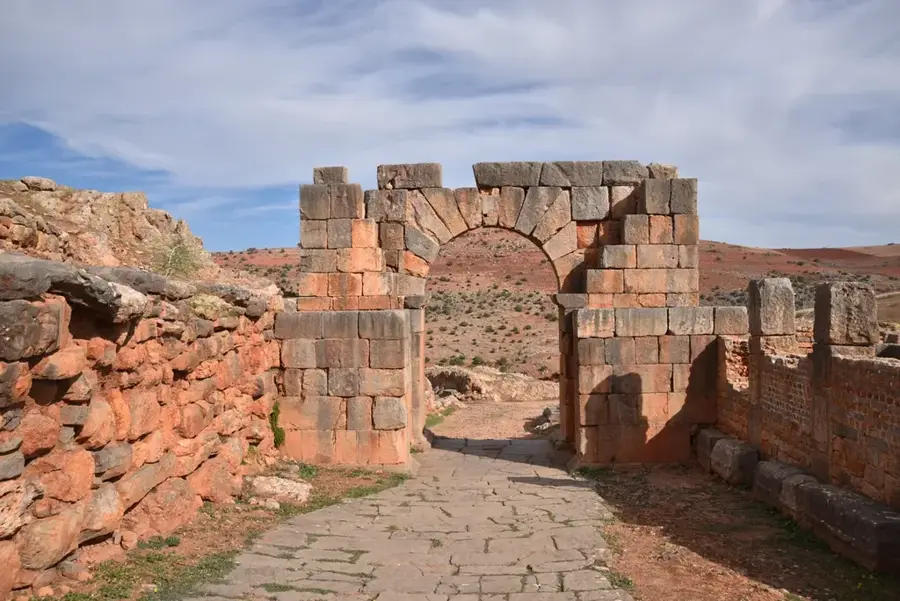
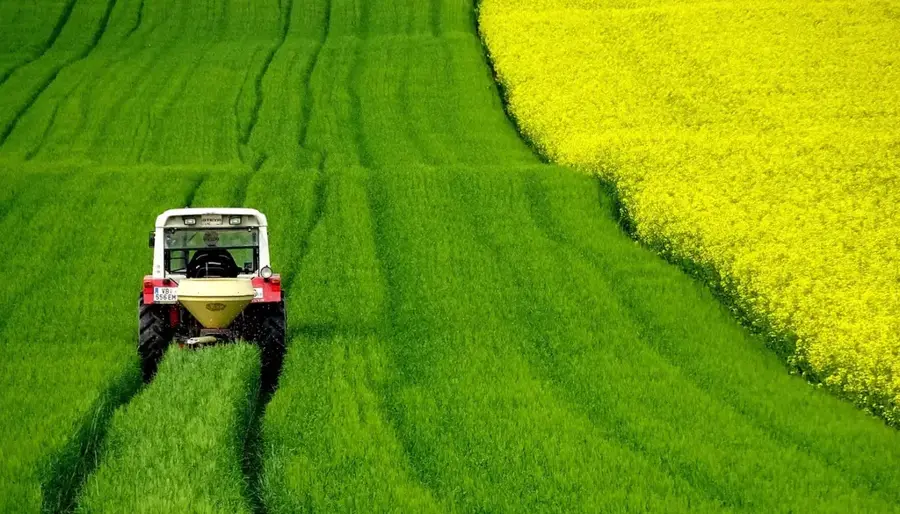
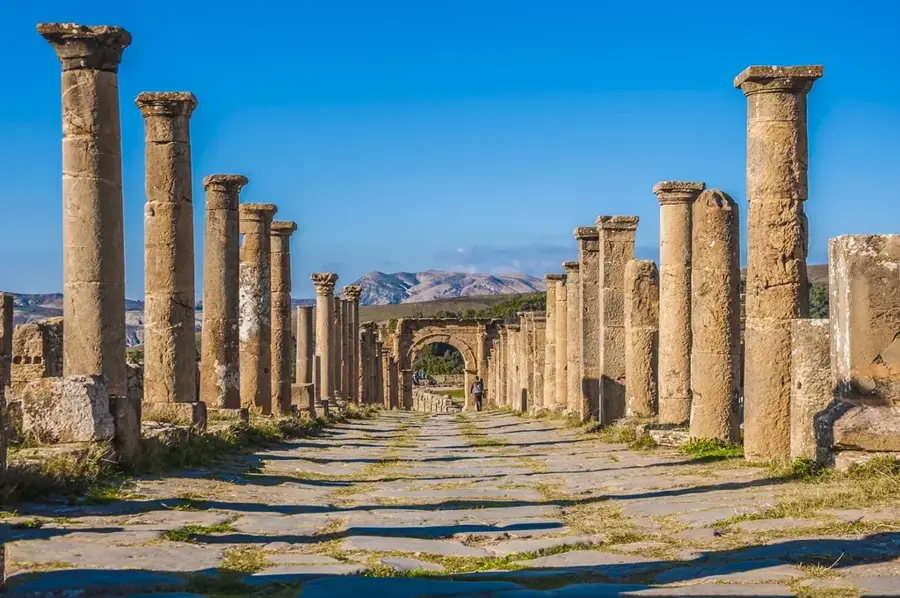
Mila, known in antiquity as Milev, is one of the most historic cities in northeastern Algeria, boasting over two thousand years of continuous settlement. As part of ancient Roman Numidia, Milev was one of the region's four key confederated cities and played a central role in the spread of early Christianity. The city is home to the Sidi Ghanem Mosque, built upon the foundations of a Byzantine basilica and considered one of the oldest mosques in the country. Notable features of Mila include its well-preserved Roman city walls and an ancient irrigation system that is partially still in use today. Geographically, the region is characterized by fertile rolling hills where cereals and pulses are primarily cultivated. A modern landmark of the province is the Beni Haroun Dam, the largest in Algeria, providing a vital water source for much of the country's eastern regions. Mila thus uniquely combines the heritage of ancient civilizations with essential modern infrastructure.
- Location: Algeria
- Top sights: MUSEE DU MOUDJAHID · PARC D'ATTRACTION EN CONSTRUCTION · Bab el Bled
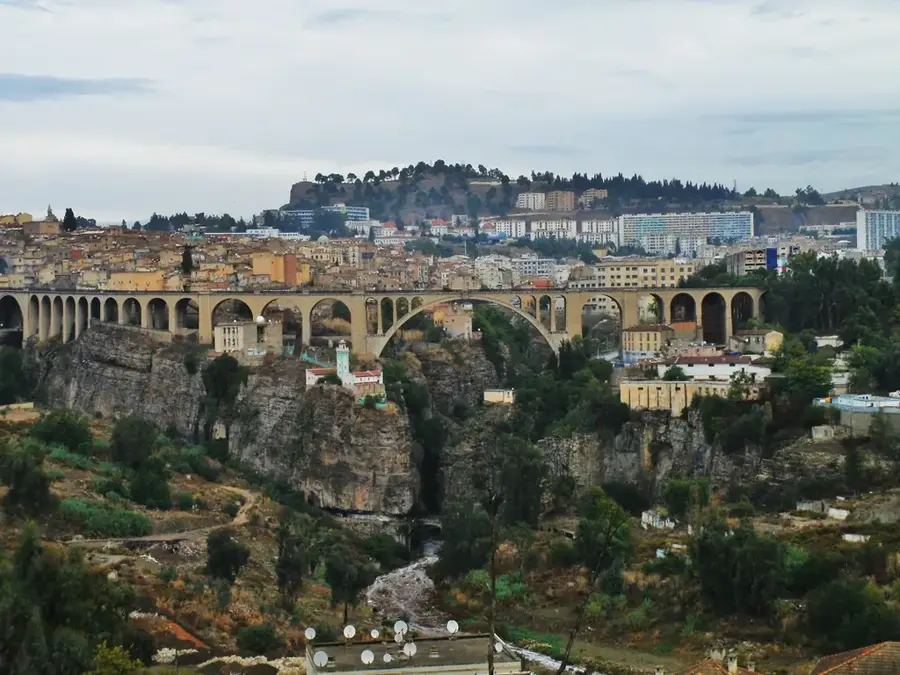
- Nearby: Constantine (33 km)
- Population: ~63.251 (2026)
Best time to visit & climate
The most pleasant time to visit is Jun, Sep, Oct.
| Jan | Feb | Mar | Apr | May | Jun | Jul | Aug | Sep | Oct | Nov | Dec | |
|---|---|---|---|---|---|---|---|---|---|---|---|---|
| Avg °C | 8 | 8 | 11 | 14 | 18 | 23 | 27 | 27 | 22 | 18 | 12 | 9 |
| Rain mm | 98 | 74 | 76 | 70 | 56 | 17 | 8 | 26 | 56 | 62 | 88 | 93 |
Geography
Facts
- In ancient times, Mila was known by its Roman name, Milev.
- The Sidi Ghanem Mosque was established in 678 AD.
- Mila features Roman city walls extending approximately 1,200 meters.
- The nearby Beni Haroun Dam is the largest reservoir in Algeria.
- Saint Augustine attended a church council in Milev in 416 AD.
- The city houses a notable 4th-century statue known as the 'Mila Statue'.
Explore nearby
Notable places around
Route planner — Car & Motorhome
Where do you start? We build the route here, with stops and country notes along the way.
© OpenStreetMap contributors · OpenRouteService
Sights in the town Mila (6)
Frequently asked questions
What is the oldest attraction in Mila?
Are there Roman traces?
What is the Beni Haroun dam?
What is the best month to visit?
How is the atmosphere of the old city?
Mila: where is it located?
Mila: what is there to see?
Mila: when is the best time to visit?
Mila: why is it worth visiting?

Nearby cities
History & landmarks
More places