Plizio Visual Lab
Bonga

ℹ️Practical info — Bonga
▾
🌤 Weather — 5 days
📍 Nearby
Sights nearby
💡 Tips
- Set aside time for the traditional coffee ceremony; it is considered impolite to leave before the third cup (bereka).
- Sturdy hiking boots and a light rain jacket are highly recommended year-round for exploring the Kaffa cloud forests.
- Hiring a local guide is essential for finding the hidden waterfalls and the historical birthplace of Arabica coffee.
- The region is lush and mountainous; expect drives on winding roads to take longer than maps suggest.
🍽 Food
Having coffee in its absolute birthplace is a must. Enjoy it served alongside popcorn or roasted barley.
The sour teff flatbread paired with a spicy chicken stew, available at nearly all local dining spots.
A traditional flatbread made from fermented enset (false banana) pulp, a staple of southern Ethiopian cuisine.
🛍 Shopping · 🧘 Quiet spots
Purchase fresh, unroasted beans directly at the market for the ultimate Kaffa souvenir.
Bees in the cloud forests produce a dark, highly aromatic honey that locals sell in bottles.
A quiet forest clearing recognized historically as the legendary discovery spot of Arabica coffee.
A peaceful, slightly hidden waterfall in the jungle, first-rate for a relaxing break surrounded by nature.
Water temperature…
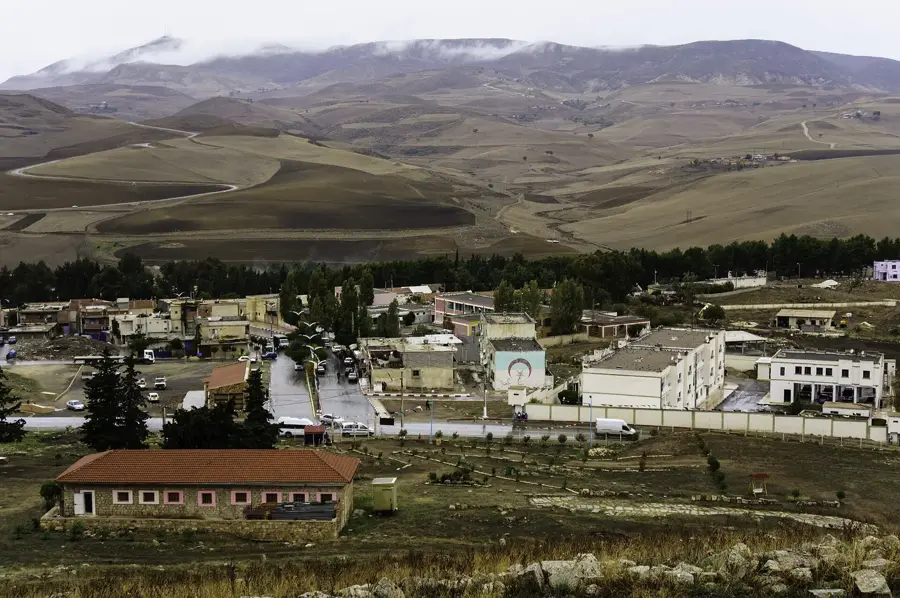
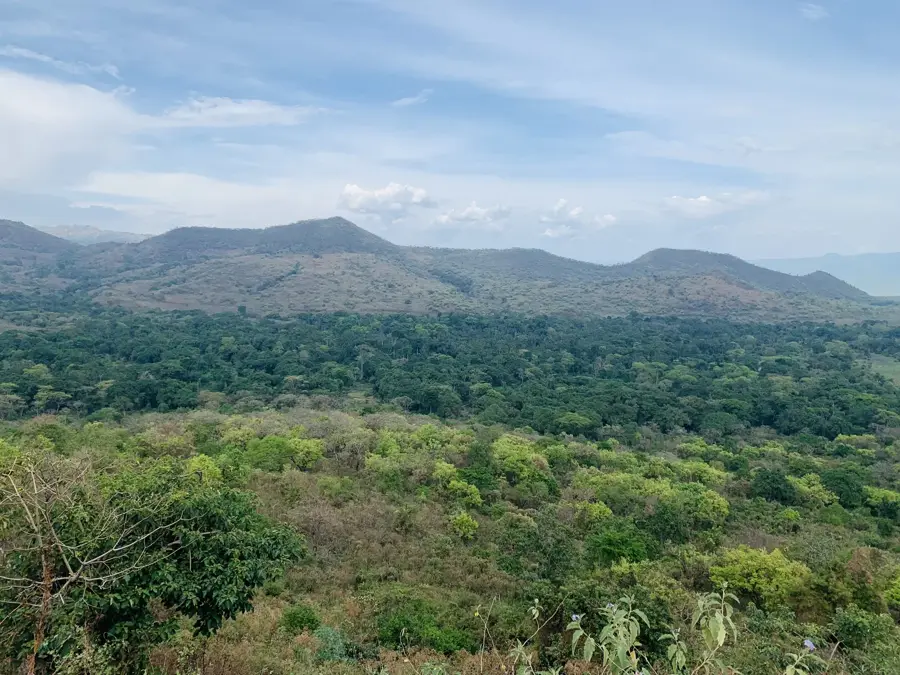
Bonga is the capital of the South West Ethiopia Peoples' Region and holds an unparalleled place in global history as the heart of the Kaffa zone, the legendary birthplace of Arabica coffee. Tucked away in the lush, mist-covered southwestern highlands at an altitude of about 1,715 meters (5,627 feet), Bonga was once the thriving capital of the Kingdom of Kaffa. For centuries, this independent kingdom exerted significant political and economic influence in the region before its integration into the Ethiopian Empire in the late 19th century. Today, the ruins of royal enclosures and ancient defensive ditches around the city serve as silent witnesses to its regal past. The geography surrounding Bonga is a spectacular display of biodiversity. The area is home to the Kaffa Biosphere Reserve, a UNESCO-recognized site dedicated to preserving the last remaining afromontane rainforests where coffee still grows wild. This environment is characterized by high rainfall, dense canopy, and an array of natural wonders including dramatic waterfalls, geothermal hot springs, and ancient caves. The preservation of these forests is crucial not only for environmental balance but also for protecting the wild genetic variants of coffee that are vital for the world's agriculture. The cool, humid climate makes it a haven for unique flora and fauna, including rare bird species and colobus monkeys. Economically, Bonga is a vital hub for the trade of forest coffee, wild honey, and spices such as cardamom and ginger. The city has recently seen the development of the National Coffee Museum, which aims to preserve and showcase the rich heritage of coffee culture. Culturally, the city is defined by the traditions of the Kafficho people, whose social life is deeply intertwined with the forest. The traditional coffee ceremony in Bonga is an authentic experience, deeply rooted in the local ethos of hospitality. As a growing center for ecotourism and sustainable development, Bonga represents a unique intersection of ancient royal history and world-class natural heritage, offering a glimpse into the emerald heart of Ethiopia.
- Location: Ethiopia
- Nearby: Jimma (76 km)
- Population: ~56.000 (2024)
Best time to visit & climate
The most pleasant time to visit is Jan, Feb, Dec.
| Jan | Feb | Mar | Apr | May | Jun | Jul | Aug | Sep | Oct | Nov | Dec | |
|---|---|---|---|---|---|---|---|---|---|---|---|---|
| Avg °C | 18 | 19 | 20 | 19 | 18 | 17 | 16 | 16 | 17 | 17 | 17 | 17 |
| Rain mm | 31 | 50 | 114 | 231 | 304 | 265 | 229 | 246 | 235 | 192 | 107 | 52 |
Geography
Facts
- Bonga is the historical capital of the Kaffa Zone and a major regional seat.
- The city is recognized as the origin point of the Coffea Arabica plant.
- It is situated at an elevation of 1,715 meters (5,627 feet).
- The Kaffa Biosphere Reserve protects the region's diverse ecosystem.
- Bonga is surrounded by lush rainforests, waterfalls, and natural caves.
- The National Coffee Museum is a primary cultural institution in the city.
- Spices like cardamom and ginger are major agricultural exports from here.
- The area receives some of the highest rainfall amounts in all of Ethiopia.
Explore nearby
Notable places around


Route planner — Car & Motorhome
Where do you start? We build the route here, with stops and country notes along the way.
© OpenStreetMap contributors · OpenRouteService
Sights in the town Bonga (1)
Frequently asked questions
What is Bonga world-famous for?
What is the landscape like around Bonga?
What is the Kaffa Coffee Museum?
Are there tea plantations there?
What can you do in the forests?
Bonga: where is it located?
Bonga: when is the best time to visit?
Bonga: why is it worth visiting?

Nearby cities
History & landmarks
More places