Plizio Visual Lab
Phoenice (Finiq)
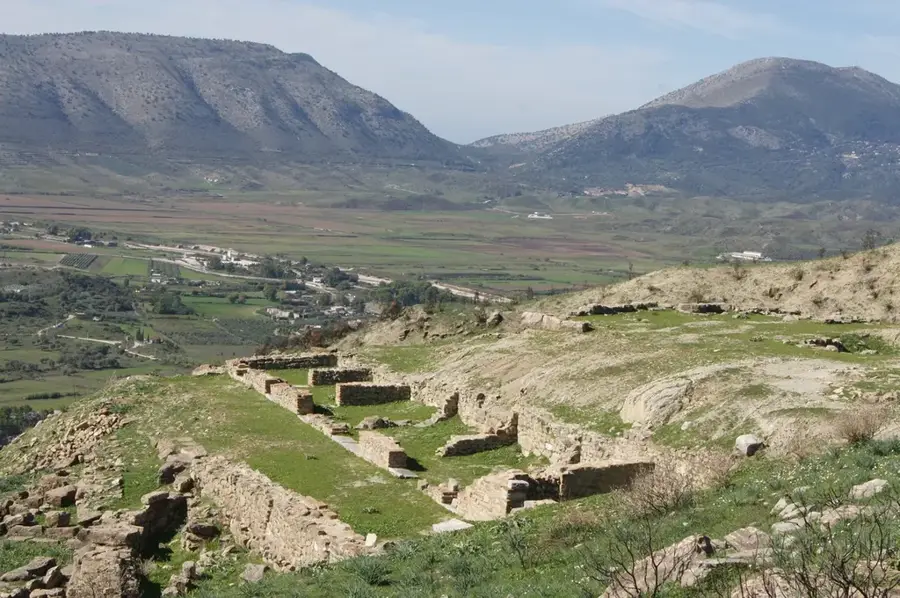
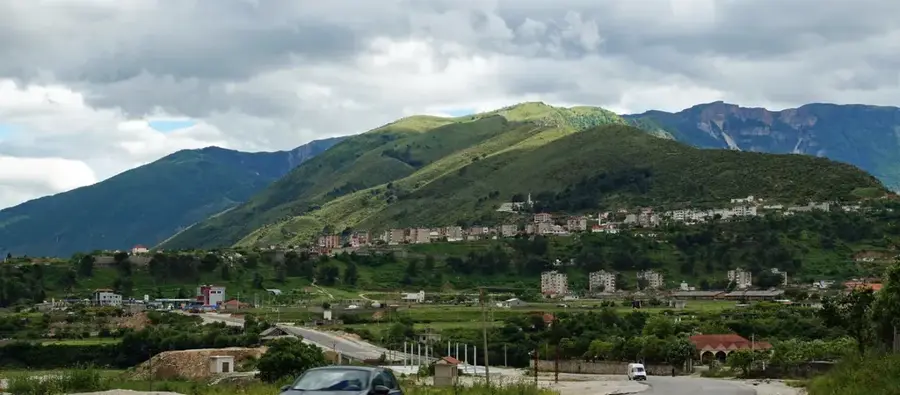
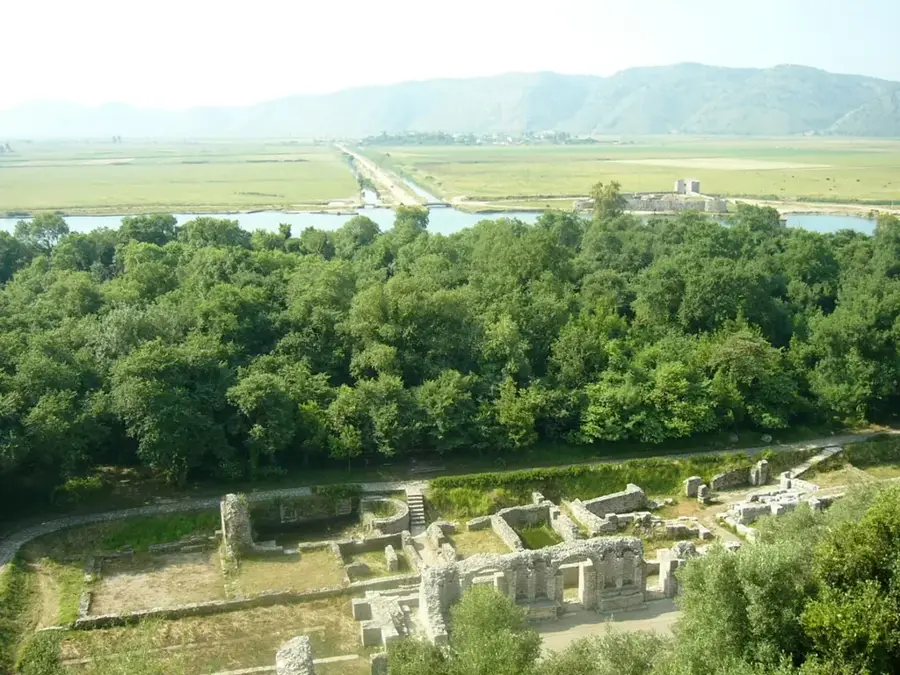
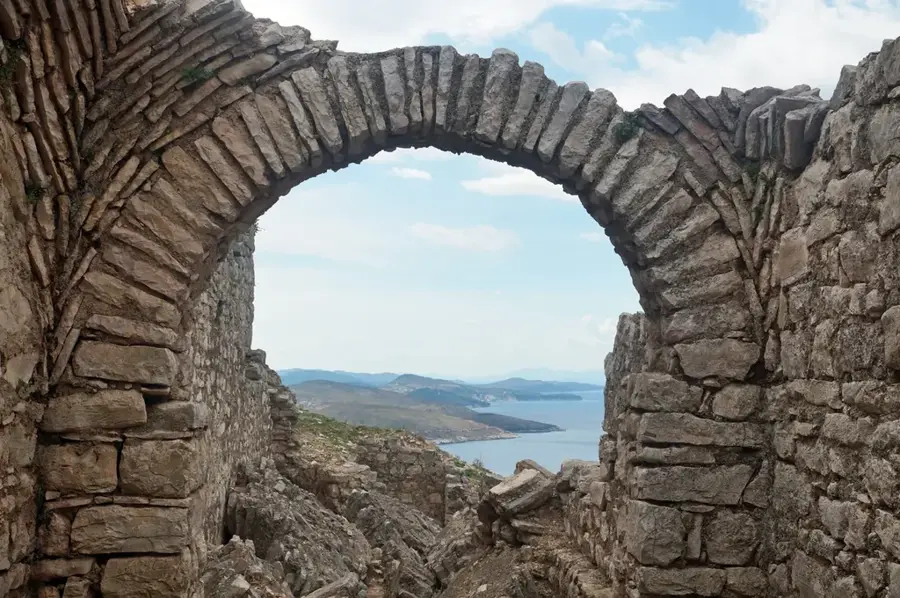
Phoenice, known today as Finiq, was the political and religious capital of the Chaonian tribe and one of the most powerful cities in ancient Epirus. Located on a hill above the Delvina plain, the city featured an acropolis with walls that were among the largest in the ancient Greek world. Phoenice was a major commercial center and the site of the Treaty of Phoenice in 205 BC, which ended the First Macedonian War. The archaeological site includes an impressive theater with over 1,000 seats, a Hellenistic agora, monumental cisterns, and ruins of residential houses with mosaics. The city's strategic significance lasted for centuries, as evidenced by Byzantine fortifications and church buildings. Today, the site provides deep insights into regional history and the development of urban centers from the Iron Age through the Middle Ages.
- Location: Albania
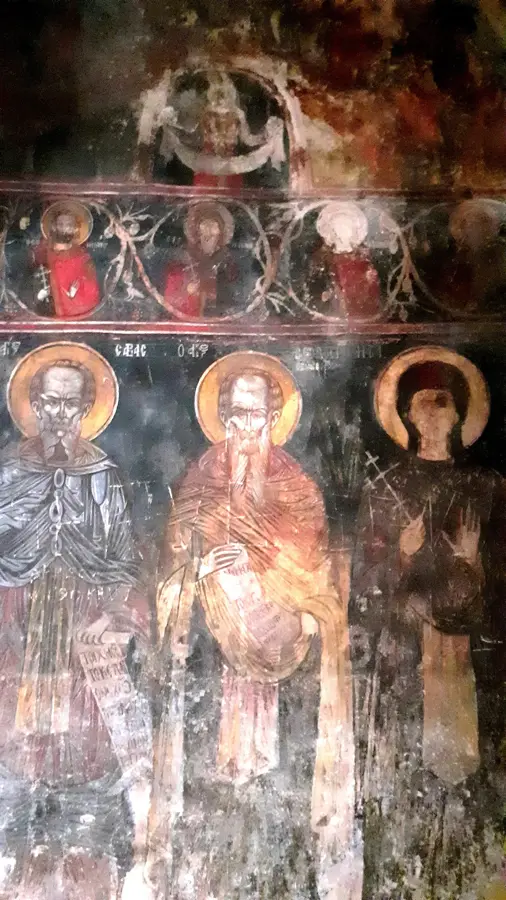
- Top sights: Medieval Church · Ancient Wall and Entrance · The Great Bastion
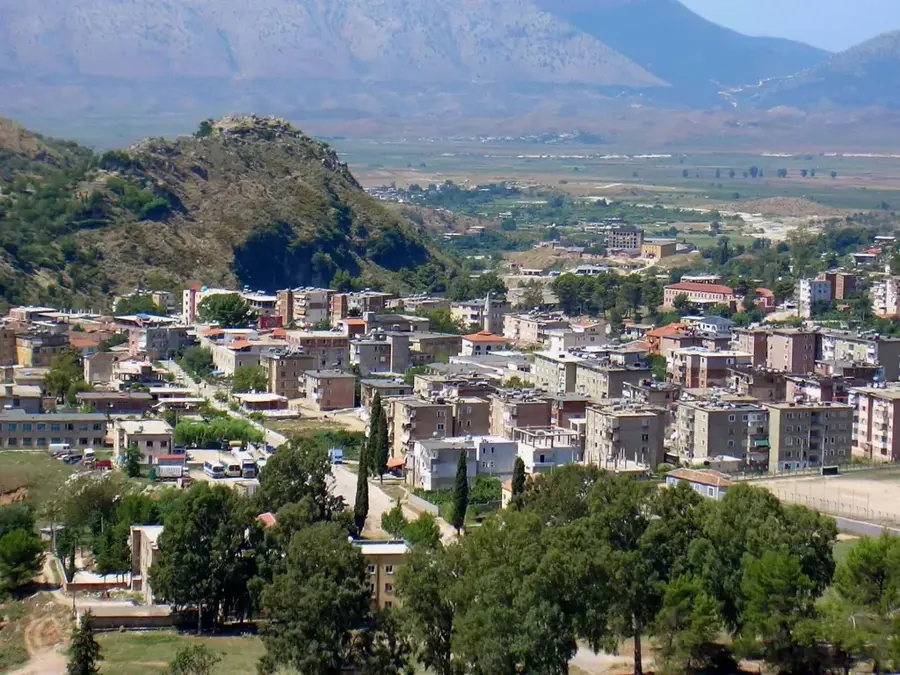
- Nearby: Delvinë (5 km)
Best time to visit & climate
The most pleasant time to visit is Jun, Jul, Sep.
| Jan | Feb | Mar | Apr | May | Jun | Jul | Aug | Sep | Oct | Nov | Dec | |
|---|---|---|---|---|---|---|---|---|---|---|---|---|
| Avg °C | 7 | 7 | 10 | 13 | 18 | 23 | 26 | 26 | 21 | 17 | 12 | 8 |
| Rain mm | 119 | 104 | 91 | 58 | 50 | 28 | 16 | 24 | 84 | 110 | 140 | 150 |
📋 Practical info
Geography
Facts
- Former capital of the Chaonians and part of the Epirote League.
- Site of the Treaty of Phoenice signed in 205 BC.
- The ancient theater has a seating capacity of about 1,000.
- The acropolis walls are among the most extensive in the region.
- Features a monumental Hellenistic treasury (thesauros) building.
- Became an episcopal seat in the 6th century AD.
Explore nearby
Notable places around

Route planner — Car & Motorhome
Where do you start? We build the route here, with stops and country notes along the way.
© OpenStreetMap contributors · OpenRouteService
Sights in the town Phoenice (Finiq) (6)
The Great Bastion
Large Hellenistic defensive tower of the Phoenice fortifications.
Rrënoja
Ruins area with wall fragments and building foundations in Phoenice.
Sights nearby
Frequently asked questions
Where is the Phoenice Archaeological Park located?
Is Phoenice accessible for people with disabilities?
What makes Phoenice historically significant?
Are there guided tours available on-site?
What should I bring for the hike to the acropolis?
Phoenice (Finiq): where is it located?
Phoenice (Finiq): what is there to see?
Phoenice (Finiq): when is the best time to visit?
Phoenice (Finiq): why is it worth visiting?

Nearby cities