Plizio Visual Lab
Lashkargah
ℹ️Practical info — Lashkargah
▾
🌤 Weather — 5 days
📍 Nearby
Sights nearby
💡 Tips
- Security situations can change rapidly; always consult local authorities or trusted contacts before moving around.
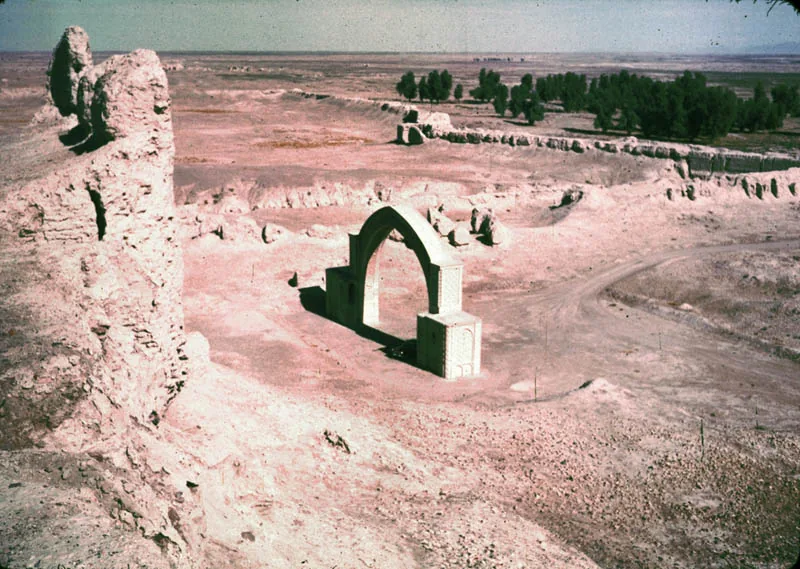
- Visit the impressive ruins of Qala-e-Bost (Bost Castle) and its famous arch, located just south of the city.
- The city features a distinctive grid layout, a legacy of the USAID Helmand Valley Authority project in the 1950s.
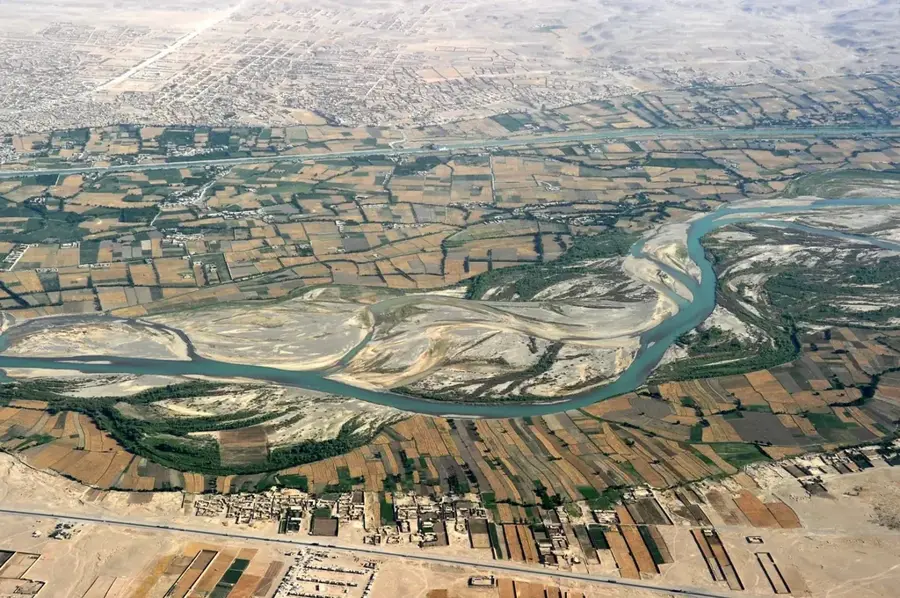
- Enjoy the relatively green environment along the banks of the Helmand River.
🍽 Food
The national dish of steamed rice with raisins, carrots, and lamb, served in traditional guesthouses.
Freshly grilled mutton or chicken kebabs with naan bread from riverside food stalls.
Helmand is famous for its agriculture; try the incredibly sweet local melons in season.
🛍 Shopping · 🧘 Quiet spots
The bustling heart of the city where you can find spices, dried fruits, and everyday goods.
Look for traditional Afghan rugs and embroidered textiles in the main market areas.
The tree-lined banks of the river offer a cooler, quieter place for a late afternoon walk.
The historical site provides a quiet, contemplative atmosphere away from the city noise.
Water temperature…
Lashkargah, the capital of Helmand Province in southwestern Afghanistan, is a city where ancient imperial history meets unique mid-20th-century urban planning. Its name, meaning 'Place of the Army,' alludes to its origins as a winter encampment for the Ghaznavid rulers in the 11th century. The nearby ruins of Qala-e-Bust, particularly its magnificent arched gateway, serve as a grand reminder of the city's former status as a medieval metropolis. Geographically, Lashkargah is positioned at the strategic confluence of the Helmand and Arghandab rivers, a location that transformed the surrounding desert into a fertile agricultural zone. In the 1950s and 60s, the city became the focus of the Helmand Valley Authority project, an ambitious American-led irrigation and development initiative. This period saw the construction of modern streets, residential areas, and parks, earning the city the nickname 'Little America' for its distinctive Western-influenced layout. Today, Lashkargah is the administrative and commercial heart of Afghanistan's largest province by area. Its economy is predominantly agricultural, serving as a hub for the trade of cotton, wheat, and melons, while also being situated in a region with complex geopolitical challenges. The population is primarily Pashtun, with strong tribal affiliations shaping the social and political landscape. The city hosts Helmand University, which plays a vital role in providing higher education to the youth of the southwest. Despite enduring years of intense conflict, Lashkargah remains a resilient urban center with bustling markets and an animated riverside community. The Helmand River is not only a lifeline for irrigation but also a central feature of the city's social life, with its banks often serving as recreational spaces. As a transit point between Kandahar and the western borders, Lashkargah continues to be a key strategic and economic node in the fabric of modern Afghanistan.
- Location: Afghanistan
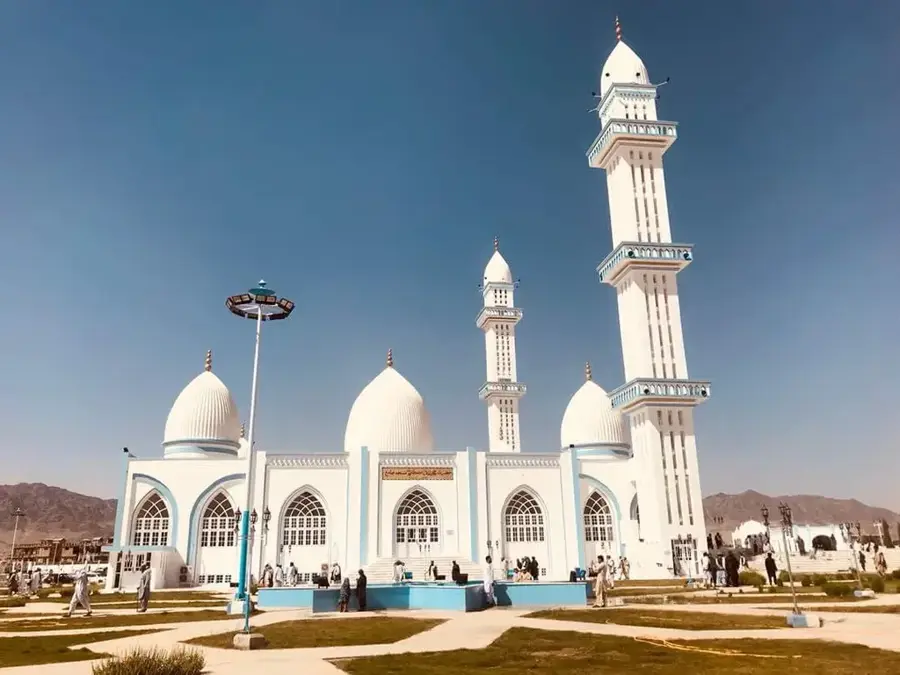
- Top sights: Mokhattar Kala · Abu Bakr Sadiq Mosque
- Population: ~43.934 (2026)
Best time to visit & climate
The most pleasant time to visit is Mar, Apr, Oct.
| Jan | Feb | Mar | Apr | May | Jun | Jul | Aug | Sep | Oct | Nov | Dec | |
|---|---|---|---|---|---|---|---|---|---|---|---|---|
| Avg °C | 8 | 11 | 17 | 23 | 29 | 33 | 34 | 32 | 27 | 21 | 14 | 9 |
| Rain mm | 14 | 15 | 19 | 11 | 3 | 5 | 1 | 3 | 1 | 3 | 11 | 8 |
Geography
Facts
- Capital of Helmand Province, the largest province in Afghanistan.
- Strategically located at the confluence of the Helmand and Arghandab rivers.
- Home to the 11th-century Arch of Bust, a national historical monument.
- Known as 'Little America' due to US-led development in the 1950s.
- The city sits at an elevation of 780 meters (2,560 feet).
- Administrative center for the Helmand Valley Authority (HVA) project.
- Helmand University provides higher education in law, agriculture, and more.
- Key center for the southwestern Afghan agricultural trade.
Explore nearby
Notable places around
Route planner — Car & Motorhome
Where do you start? We build the route here, with stops and country notes along the way.
© OpenStreetMap contributors · OpenRouteService
Sights in the town Lashkargah (2)
Frequently asked questions
Where is Laschkar Gah located?
What can you experience here?
Is it developed for tourism?
What is the best way to travel?
What is the weather like?
Lashkargah: where is it located?
Lashkargah: what is there to see?
Lashkargah: when is the best time to visit?
Lashkargah: why is it worth visiting?