Plizio Visual Lab
Farah
ℹ️Practical info — Farah
▾
🌤 Weather — 5 days
📍 Nearby
Sights nearby
💡 Tips
- The security situation is volatile; always check current travel advisories and rely on local guides.
- Summers are extremely hot and dry; schedule any outdoor exploration for early morning.
- Strictly conservative dress is mandatory for both men and women.
- The Citadel of Alexander is in ruins; watch your step on loose stones when exploring.
🍽 Food
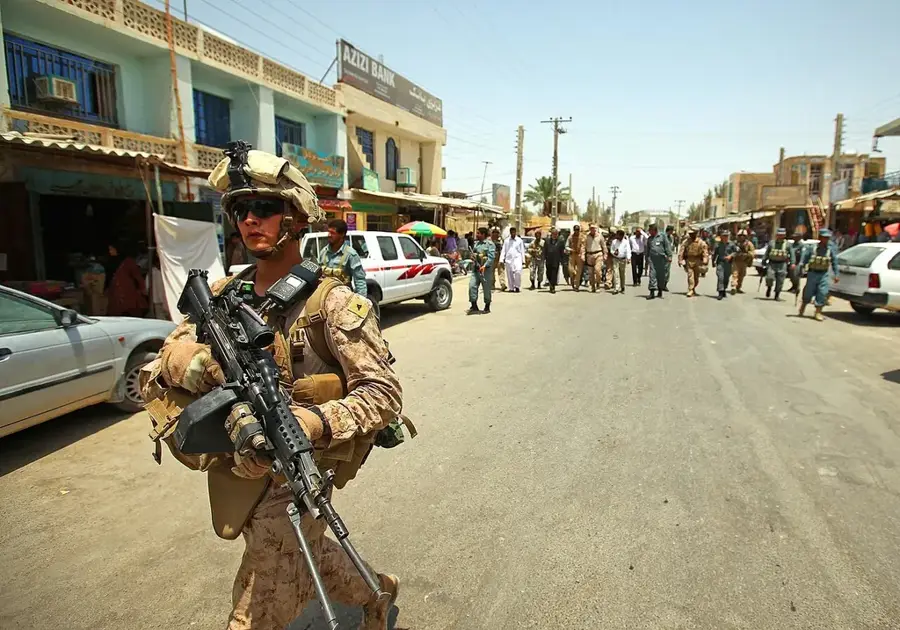
Street stalls in the center offer excellent charcoal-grilled meats.
The traditional rice dish with carrots, raisins, and lamb, widely available in local eateries.
Buy warm flatbread straight from the tandoor oven at a local bakery.
🛍 Shopping · 🧘 Quiet spots
A traditional Afghan market, excellent for stocking up on spices, nuts, and dried fruits.
Look down the smaller alleys of the bazaar for merchants selling traditional woven items.
The ancient ruins offer a quiet atmosphere and a vantage point over the oasis city.
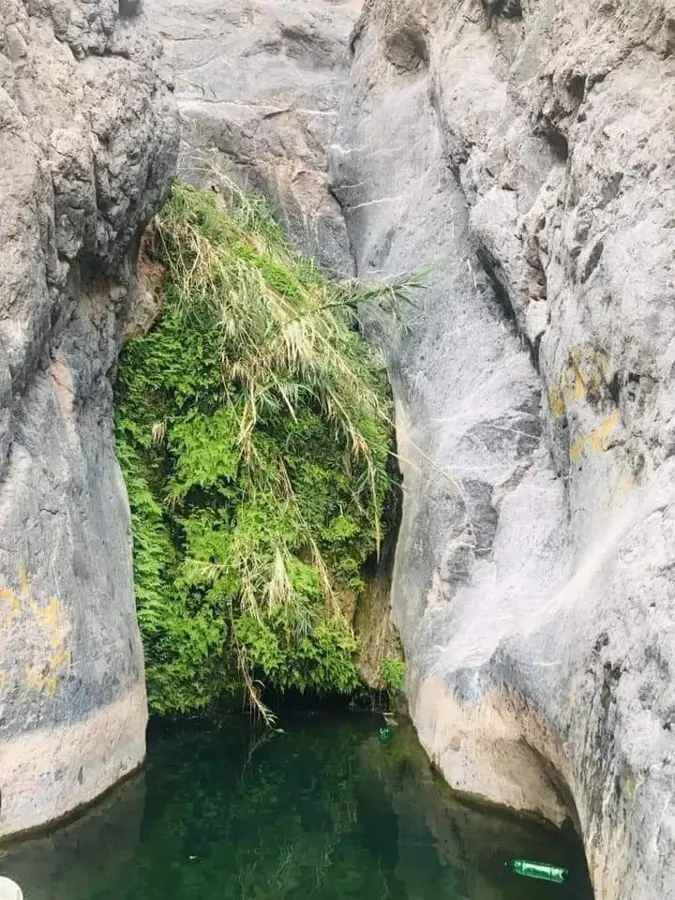
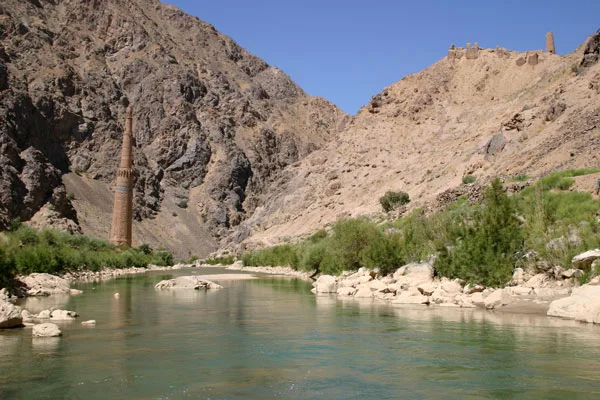
The river (which may run dry in summer) provides a calmer retreat from the bustling bazaar.
Water temperature…
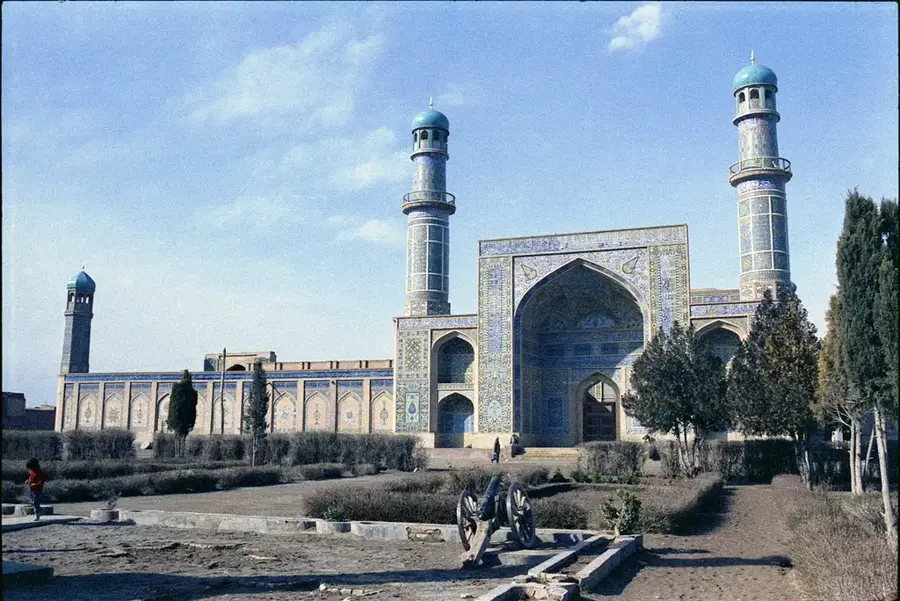
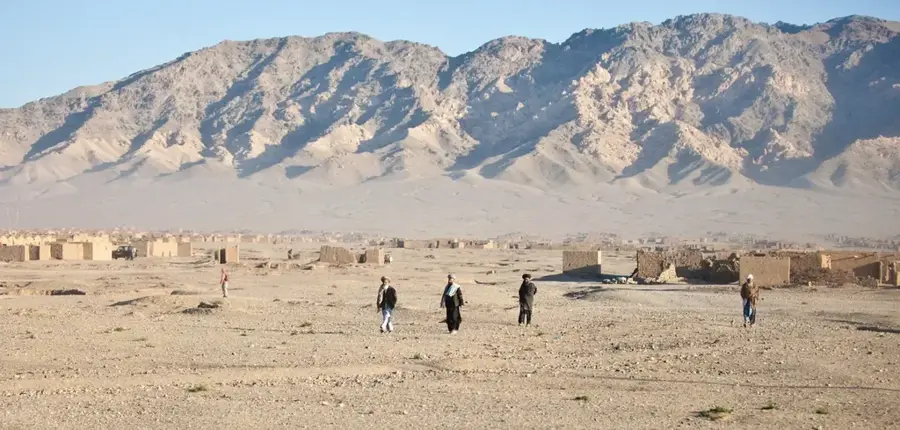
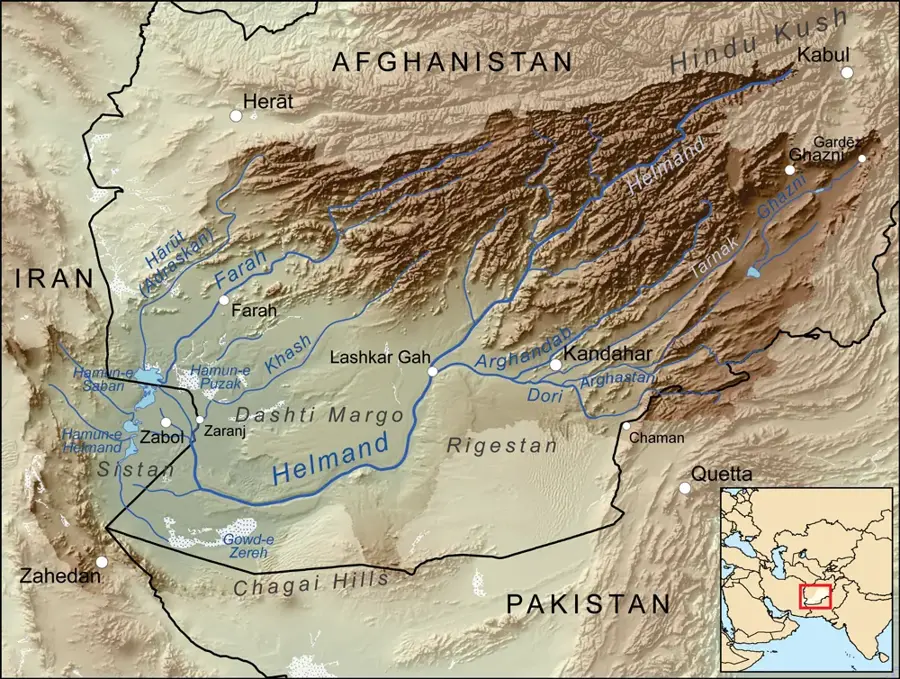
Farah is the capital of Farah Province in southwestern Afghanistan, located in a vast desert plain near the border with Iran. The city is situated on the Farah River (Farah Rud), which flows intermittently from the central mountains towards the Helmand basin, providing the lifeblood for the region's oasis-style agriculture. Farah holds deep historical roots, often identified as the site of Alexandria in Prophtasia, established by Alexander the Great in 330 BC. The most iconic landmark is the Great Citadel of Farah, an ancient fortress with massive mud-brick walls that have stood for centuries as a testament to the city's role as a strategic military outpost. Geographically, Farah is one of the hottest areas in Afghanistan, with extreme summer temperatures and very low annual rainfall. The local economy is primarily centered on farming and livestock, with the irrigation from the Farah River supporting the growth of wheat, barley, and some of the country's finest pomegranates. The population is overwhelmingly Pashtun, and the city remains a center for Pashtun culture, traditions, and the Pashto language. Architectural styles in Farah are characterized by thick-walled adobe structures designed to insulate against the desert heat. Despite its proximity to the Iranian border, which has potential for cross-border trade, the city has faced significant developmental hurdles due to its remote location and regional instability. Farah hosts a regional hospital and several schools, serving as the essential service hub for the sparsely populated surrounding districts. The city acts as a vital link between the southern and western parts of the country, situated roughly midway between Herat and Kandahar.
- Location: Afghanistan
- Population: ~43.561 (2026)
Best time to visit & climate
The most pleasant time to visit is Mar, Apr, Oct.
| Jan | Feb | Mar | Apr | May | Jun | Jul | Aug | Sep | Oct | Nov | Dec | |
|---|---|---|---|---|---|---|---|---|---|---|---|---|
| Avg °C | 7 | 10 | 16 | 23 | 28 | 33 | 35 | 32 | 27 | 21 | 14 | 8 |
| Rain mm | 14 | 13 | 14 | 10 | 5 | 3 | 0 | 1 | 1 | 1 | 8 | 13 |
Geography
Facts
- Farah sits at an elevation of 650 meters (2,133 feet) in a desert basin.
- The city is believed to be founded by Alexander the Great in 330 BC.
- The Great Citadel's walls are approximately 15-20 meters high in parts.
- Average summer highs often exceed 45°C (113°F).
- The Farah River provides the only major water source for local irrigation.
- The city's population is estimated to be over 50,000 residents.
- The province is a major producer of wheat for the southwestern region.
- Pashto is the dominant language spoken in the city's bazaars.
Explore nearby
Notable places around
Route planner — Car & Motorhome
Where do you start? We build the route here, with stops and country notes along the way.
© OpenStreetMap contributors · OpenRouteService
Sights in the town Farah (1)
Frequently asked questions
Where is Farah located?
What is the climate like there?
Are there trading opportunities?
Is it safe for tourism?
What should one avoid?
Farah: where is it located?
Farah: when is the best time to visit?
Farah: why is it worth visiting?