Plizio Visual Lab
Zaranj
ℹ️Practical info — Zaranj
▾
🌤 Weather — 5 days
📍 Nearby
Sights nearby
💡 Tips
- Due to extreme summer heat, schedule your outdoor activities for the early morning or late afternoon.
- As a border town, expect heavy truck traffic and exercise caution when walking near main roads.
- Dress very conservatively to respect local customs and strict dress codes.
- Carry cash (Afghan Afghanis) at all times as card payments are virtually non-existent.
- Always carry bottled water with you, as the surrounding region is extremely dry.
🍽 Food
The Afghan national dish of rice and lamb, found in traditional guesthouses across the city.
Steamed meat-filled dumplings served in small eateries around the local bazaar.
Hot straight from the tandoor ovens of local bakeries along the main roads.
🛍 Shopping · 🧘 Quiet spots
The hub of local commerce, first-rate for buying dried fruits, nuts, and spices.
Thanks to the border, you can find a wide array of Iranian goods and textiles here.
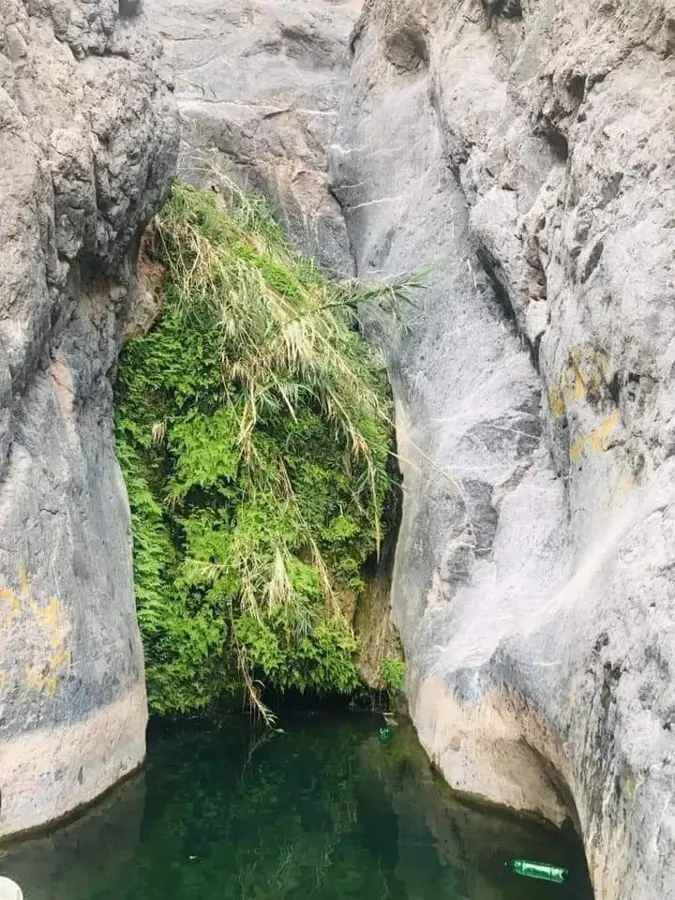
Outside the city, the river provides a rare, quiet contrast to the arid environment (visit only with a guide).
Find a quiet corner to escape the bustling streets over a cup of traditional tea.
Water temperature…
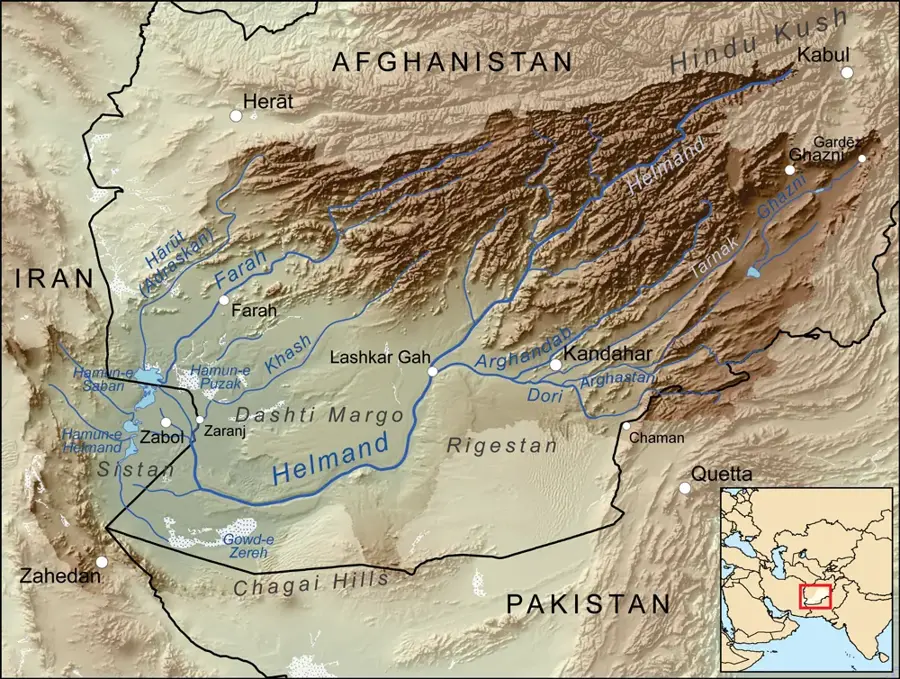
Zaranj, the capital of Nimruz Province in southwestern Afghanistan, is a vital border city situated directly on the frontier with Iran. It lies on the banks of the Helmand River within the Sistan Basin, one of the most arid and hottest regions in the world. Historically known as Zrang, the city was the magnificent capital of the Saffarid Empire in the 9th century, serving as a hub for Persian culture and Islamic scholarship before its near-total destruction by Tamerlane in the 14th century. Modern Zaranj has been revitalized by its role as a strategic gateway for international trade, particularly following the completion of the Zaranj-Delaram Highway, which links landlocked Afghanistan to the Iranian port of Chabahar. This infrastructure has transformed the city into a bustling logistics hub where legal trade, transit services, and cross-border movements dominate the local economy. The population is a mosaic of Baluch, Tajik, and Pashtun ethnicities, reflecting its position as a cultural crossroads. Geographically, the city must endure the 'Wind of 120 Days,' a seasonal phenomenon that brings relentless dust storms and extreme temperatures exceeding 45°C during the summer months. Water scarcity is a persistent issue, as the city relies on the fluctuating levels of the Helmand River, a primary source of tension in transboundary water management with Iran. Despite these environmental hardships, Zaranj has seen significant expansion in recent decades, with the development of customs facilities, warehouses, and a growing urban center. The city's architectural style is heavily influenced by the need for shade and cooling, with flat-roofed buildings and traditional courtyards. Zaranj remains a critical economic pillar for Afghanistan, serving as the primary conduit for goods arriving from the Arabian Sea and providing a lifeline for the people of Nimruz and beyond.
- Location: Afghanistan
- Top sights: Qala-e Keiy, NadAli · Zaranj
- Population: ~49.851 (2026)
Best time to visit & climate
The most pleasant time to visit is Mar, Apr, Oct.
| Jan | Feb | Mar | Apr | May | Jun | Jul | Aug | Sep | Oct | Nov | Dec | |
|---|---|---|---|---|---|---|---|---|---|---|---|---|
| Avg °C | 9 | 12 | 18 | 25 | 31 | 34 | 36 | 33 | 28 | 22 | 15 | 10 |
| Rain mm | 10 | 8 | 9 | 4 | 2 | 5 | 0 | 1 | 0 | 1 | 5 | 4 |
Geography
Facts
- Zaranj is located in the Sistan Basin on the border with Iran.
- It served as the imperial capital of the Saffarid Dynasty in the 800s.
- The city is a primary transit point for goods coming from Chabahar port.
- The 'Wind of 120 Days' causes severe dust storms from May to September.
- It is the administrative capital of Nimruz Province in southwestern Afghanistan.
- The Milak Bridge is a key international crossing over the Helmand River.
- Summertime temperatures frequently peak above 48 degrees Celsius.
- Trade and customs duties are the primary drivers of the local economy.
Explore nearby
Notable places around
Route planner — Car & Motorhome
Where do you start? We build the route here, with stops and country notes along the way.
© OpenStreetMap contributors · OpenRouteService
Sights in the town Zaranj (2)
Frequently asked questions
Where is Sarandsch located?
What is the climate like?
What role does the city play?
Are there tourist facilities?
What is critical when traveling?
Zaranj: where is it located?
Zaranj: what is there to see?
Zaranj: when is the best time to visit?
Zaranj: why is it worth visiting?