Plizio Visual Lab
Socotra Coast
Weather…
Water temperature…
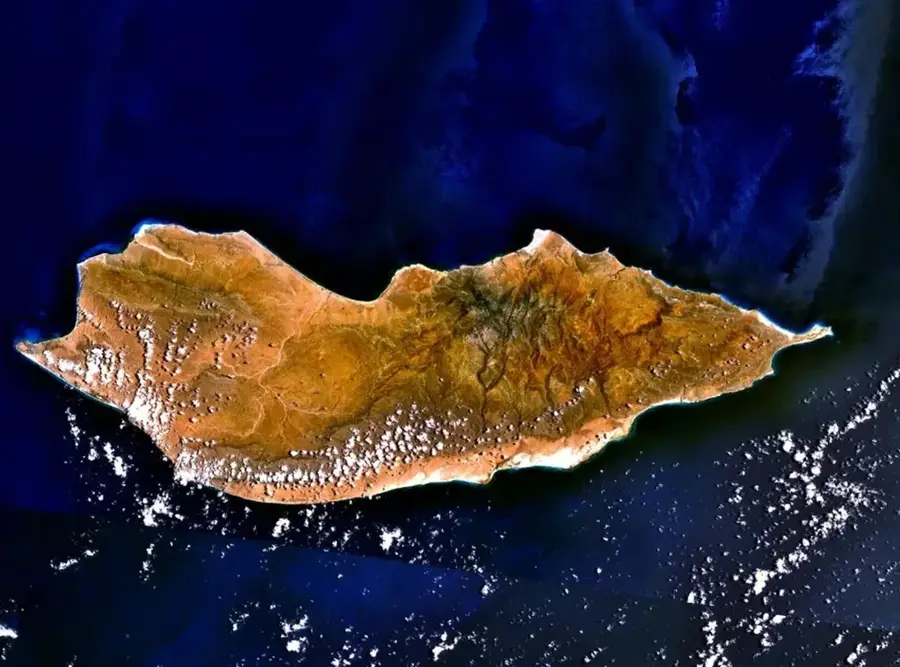
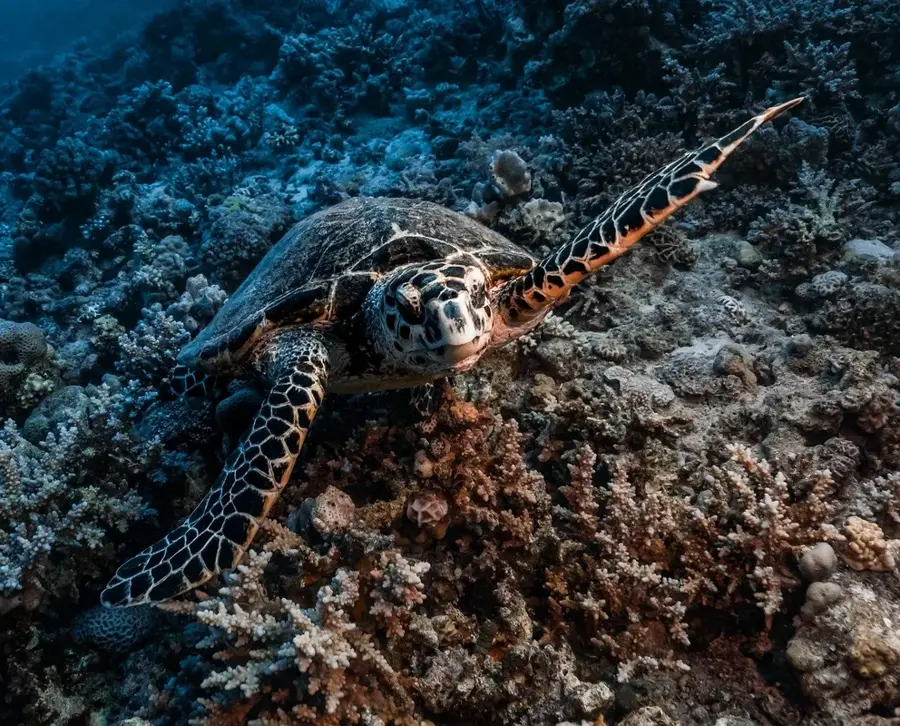
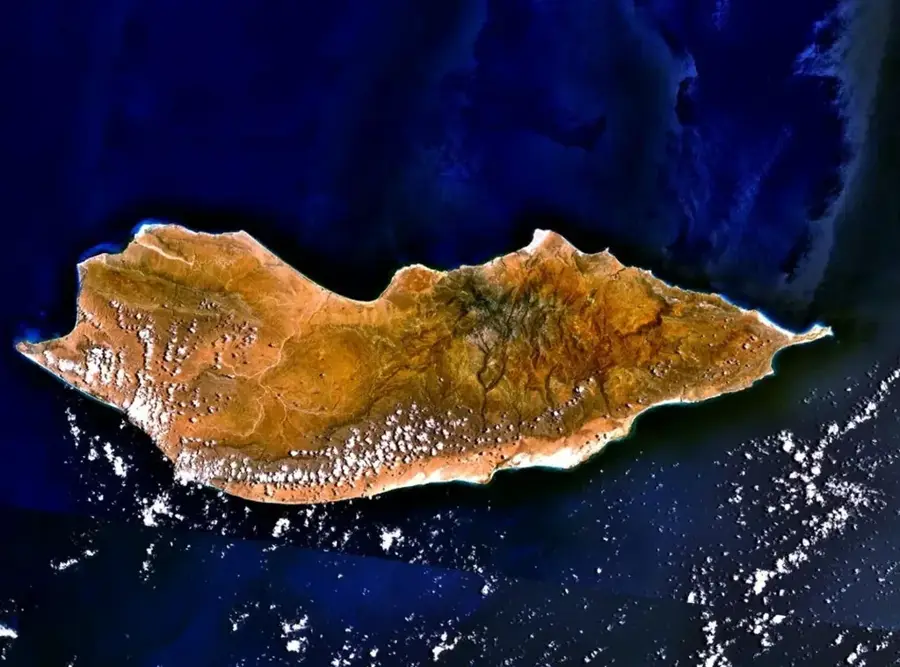
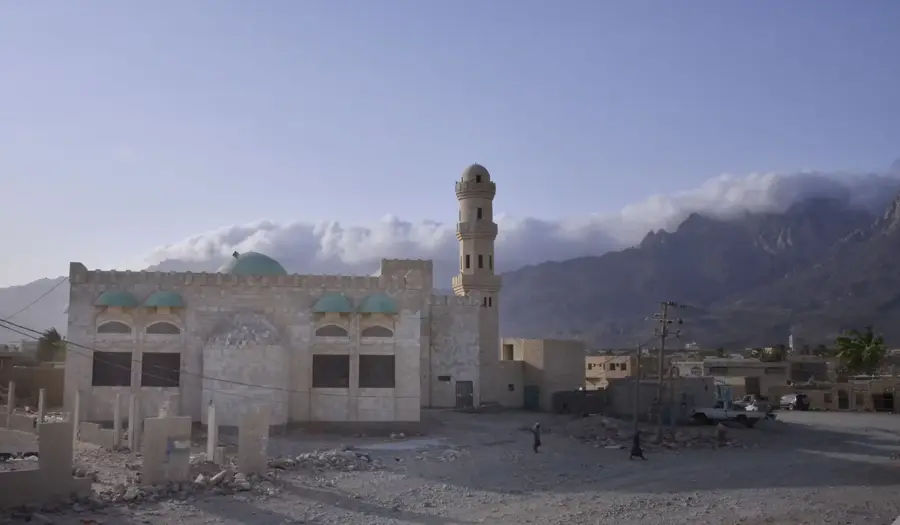
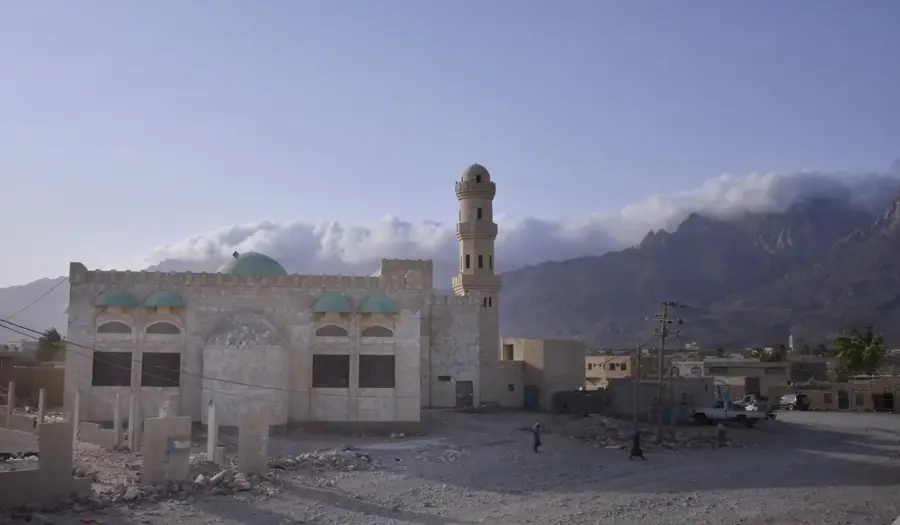
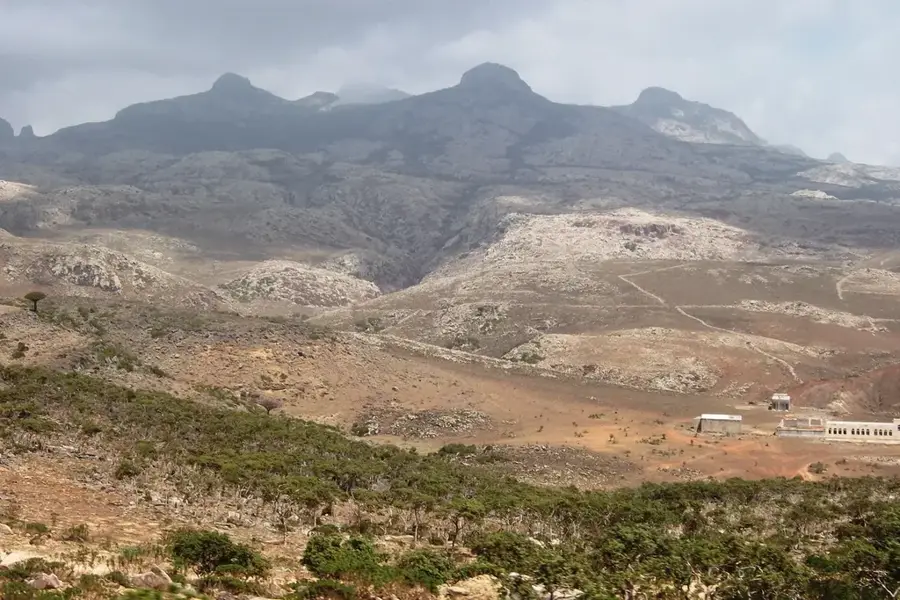
The coastline of Socotra Island in the Indian Ocean is a place of extraordinary biological and geographical uniqueness, recognized as a UNESCO World Heritage site. Defined by pristine white sand beaches, azure waters, and dramatic limestone cliffs, the coast provides a habitat for numerous endemic species found nowhere else on Earth. A highlight is the Detwah Lagoon near Qalansiyah, a shallow marine ecosystem that serves as a vital nursery for stingrays and rare seabirds. The coastal region is heavily influenced by the monsoon cycle; from May to September, fierce winds make maritime access nearly impossible, historically ensuring the island's isolation and preservation. Geologically, Socotra is a fragment of the ancient Gondwana supercontinent that split from the Arabian plate millions of years ago, explaining its distinct evolutionary path. The coral reefs fringing the island are renowned for their biodiversity, supporting an immense variety of fish and marine invertebrates. Beyond its ecological significance, the coast has served for millennia as a landmark for sailors navigating the spice routes between Africa and India. The combination of untouched natural beauty and traditional maritime culture makes Socotra's coast one of Yemen's most precious environmental treasures.
- Location: Yemen
- Nearby: Hadibu (9 km)
Best time to visit & climate
The most pleasant time to visit is Jan, Feb, Dec.
| Jan | Feb | Mar | Apr | May | Jun | Jul | Aug | Sep | Oct | Nov | Dec | |
|---|---|---|---|---|---|---|---|---|---|---|---|---|
| Avg °C | 24 | 25 | 26 | 29 | 29 | 27 | 25 | 25 | 26 | 27 | 26 | 25 |
| Rain mm | 8 | 5 | 5 | 3 | 19 | 8 | 12 | 13 | 8 | 15 | 20 | 14 |
📋 Practical info
Geography
Facts
- Socotra was designated a UNESCO World Heritage site in 2008 for its biodiversity.
- The Detwah Lagoon is a Ramsar site, recognized as a wetland of international importance.
- The coastline of the main island stretches for approximately 300 kilometers.
- Summer monsoon winds frequently exceed speeds of 80 km/h along the coast.
- Over 250 species of reef-building corals have been identified in the surrounding waters.
- The island separated from the African mainland about 20 million years ago.
Explore nearby
Notable places around


Route planner — Car & Motorhome
Where do you start? We build the route here, with stops and country notes along the way.
© OpenStreetMap contributors · OpenRouteService
Sights in the town Socotra Coast (1)
Sights nearby
Frequently asked questions
When is the best time to visit the coast of Socotra?
Is it safe to swim at the coast of Socotra?
Do I need a 4x4 for the coastal roads?
Are there public toilets at the coast of Socotra?
Is wild camping allowed on the coast?
Socotra Coast: where is it located?
Socotra Coast: when is the best time to visit?
Socotra Coast: why is it worth visiting?
Nearby cities



Nature
More places