Plizio Visual Lab

One Pillar Pagoda
Plizio editorial teamData Sources
monument
—°10
One Pillar Pagoda (Vietnam)

Weather…

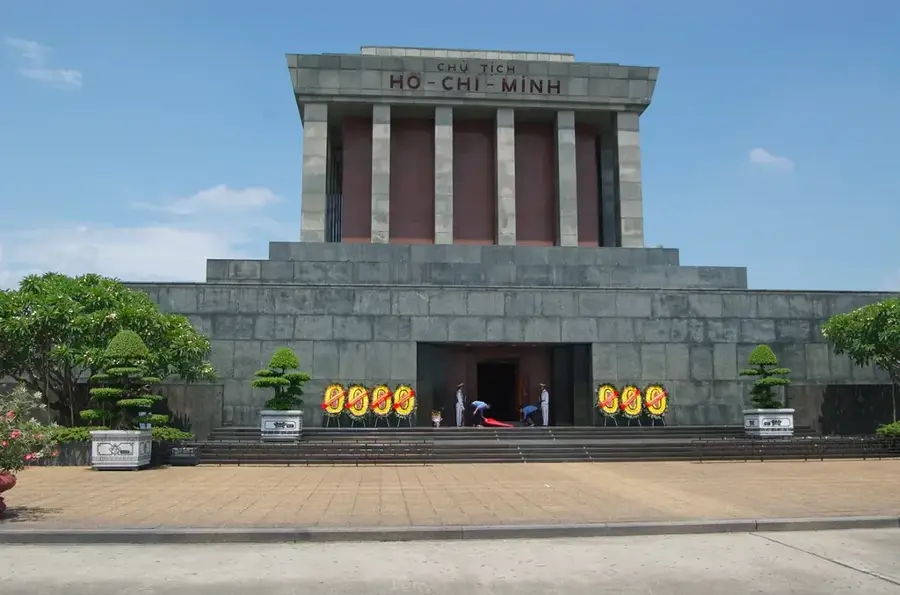
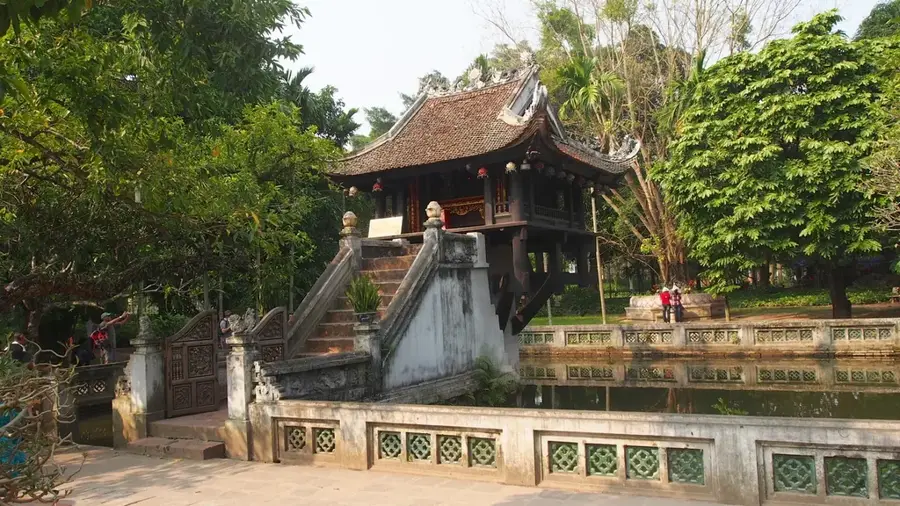
The One Pillar Pagoda, or Chua Mot Cot, is one of Vietnam's most iconic Buddhist temples and a quintessential symbol of Hanoi's thousand-year history. It was originally constructed in 1049 by Emperor Ly Thai Tong following a dream in which the Goddess of Mercy, Quan Am, handed him a baby son while seated on a lotus flower. To honor this divine vision, the pagoda was designed to resemble a blooming lotus rising from a square pond. The structure rests on a single stone pillar measuring 1.25 meters in diameter, which supports a wooden shrine intricately decorated with traditional carvings. Throughout its long history, the pagoda has been renovated several times, but the original wooden temple was tragically dynamited by retreating French forces in 1954. The current replica was completed in 1955 and remains a major pilgrimage site for those seeking blessings for health and children. Located near the Ho Chi Minh Mausoleum, its unique architectural style, balancing a heavy wooden roof on a narrow pedestal, showcases the ingenuity of early Vietnamese builders. It stands as a testament to the enduring spiritual traditions of the Ly Dynasty.

Best time to visit & climate

The most pleasant time to visit is Feb, Mar, Nov.

JanFebMarAprMayJunJulAugSepOctNovDec
Avg °C161822252829292827242117
Rain mm352349741762022923282321285226

📋 Practical info

🚪
Visiting
The One Pillar Pagoda is a historic Buddhist monument in Hanoi, open to visitors daily. You can view the exterior and the lotus pond from outside, but the small interior is usually closed to the public.
🕒
Typical hours
Temples in Vietnam typically open from early morning until sunset, with seasonal variations. For the One Pillar Pagoda, the exterior is always visible, while the interior may be closed during ceremonies.
📷
Photography
Photography is permitted in the pagoda grounds, including the iconic lotus pond and stone pillar. Inside the temple building, please avoid using flash to preserve the serene atmosphere.
⏱️
Time needed
A visit to the One Pillar Pagoda is very short, usually around 15 to 30 minutes. The compact site allows for a quick stop while exploring central Hanoi.
Combine with
Combine this pagoda with the nearby Ho Chi Minh Mausoleum and the Presidential Palace complex, all within walking distance. The Temple of Literature and the Vietnamese Museum of Ethnology are also easily reachable by a short taxi ride.
🧭
Getting there
The pagoda is located in the Ba Dinh district of Hanoi, easily accessible by taxi, bus, or ride-hailing services. From the Old Quarter, a pleasant 30-minute walk leads you there through parks and streets.
💡
Insider tip
Arrive early in the morning to avoid the large tour groups that arrive later. Bring a hat, sunscreen, and water as there is little shade on the grounds.

Geography

Coordinates
21.03600, 105.83300

Facts

  • Original construction dates back to 1049 by Emperor Ly Thai Tong.
  • The supporting stone pillar is exactly 1.25 meters in diameter.
  • The pagoda is designed to look like a lotus flower on water.
  • French forces destroyed the original wooden structure in 1954.
  • A faithful reconstruction was completed in 1955 using concrete.
  • The site is a major center for worship of the goddess Quan Am.

Explore nearby

Notable places around

Route planner — Car & Motorhome

Where do you start? We build the route here, with stops and country notes along the way.

Vehicle
Only stops with (optional):

© OpenStreetMap contributors · OpenRouteService

Sights in the town One Pillar Pagoda (10)

Bảo tàng Binh chủng Thông tin liên lạc🏛 museum

This museum displays military radio and communication equipment from Vietnam's wars of independence.

Ho Chi Minh Museum🏛 museum

A modern museum shaped like a white lotus flower, documenting the life and work of Ho Chi Minh.

🕒 Tu-Th 08:00-11:30; Sa-Su 14:00-16:30💶

Vietnam National Opera & Ballet🎭 culture

Hanoi's premier venue for classical music performances, Western opera, and ballet evenings.

Kim Ma Theatre🎭 culture

A significant theatre for traditional performing arts and various cultural exchange programs.

B52 Victory Museum🏛 museum

This museum exhibits the wreckage of a B-52 bomber shot down over Hanoi in its outdoor area.

🆓

Ho Chi Minh’s Stilt House📍 landmark

This modest stilt house served as the residence and workplace of the Vietnamese leader Ho Chi Minh.

Thanh Ninh Pagoda📍 landmark

This historical Buddhist pagoda traces its origins back to the year 1031.

Chùa Cát Linh📍 landmark

This peaceful Buddhist temple provides a place for meditation amidst the urban neighborhood.

Lăng Phùng Hưng⛪ religious

This mausoleum is dedicated to Phùng Hưng, a national hero who fought against Chinese rule.

Đình Xuân Biểu⛪ religious

A local communal house where traditional Vietnamese folk rituals and gatherings take place.

Sights nearby

Frequently asked questions

How long is the visit?
Since the pagoda is small, about 15 minutes is enough.
Best time to visit?
It is less crowded in the morning than in the afternoon.
Is there an entry fee?
Yes, usually a small entrance fee is charged.
Can I take photos inside?
Photography is allowed, but please be respectful.
Is it wheelchair accessible?
Access is limited due to stairs.
One Pillar Pagoda: where is it located?
One Pillar Pagoda is located in Vietnam.
One Pillar Pagoda: what is there to see?
Highlights include Bảo tàng Binh chủng Thông tin liên lạc, Ho Chi Minh Museum, Vietnam National Opera & Ballet.
One Pillar Pagoda: when is the best time to visit?
The most pleasant time to visit is Feb, Mar, Nov.
One Pillar Pagoda: why is it worth visiting?

The One Pillar Pagoda, or Chua Mot Cot, is one of Vietnam's most iconic Buddhist temples and a quintessential symbol of Hanoi's thousand-year history.
View on map → The Top 50 Attractions → OpenStreetMap →
Asia
Explore with Plizio Discover more places in Asia
More places in Vietnam →

Nearby cities

History & landmarks

Nature

More places