Plizio Visual Lab
Teutonic Cemetery Plateau
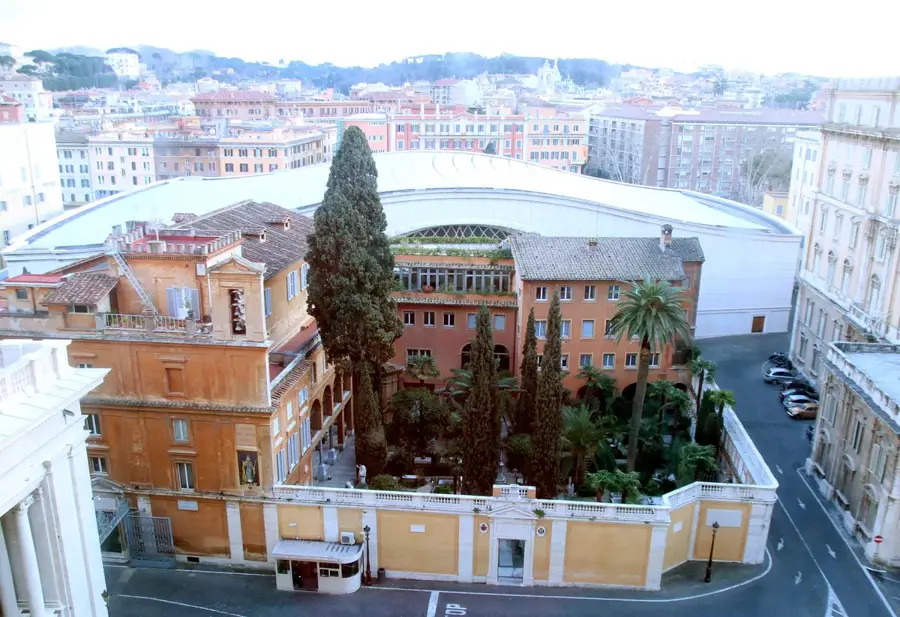
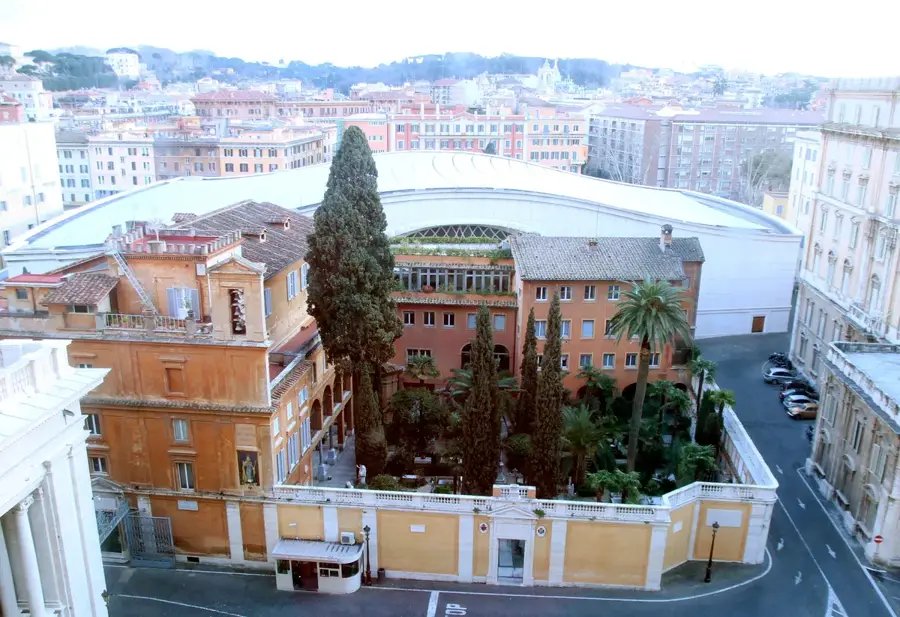
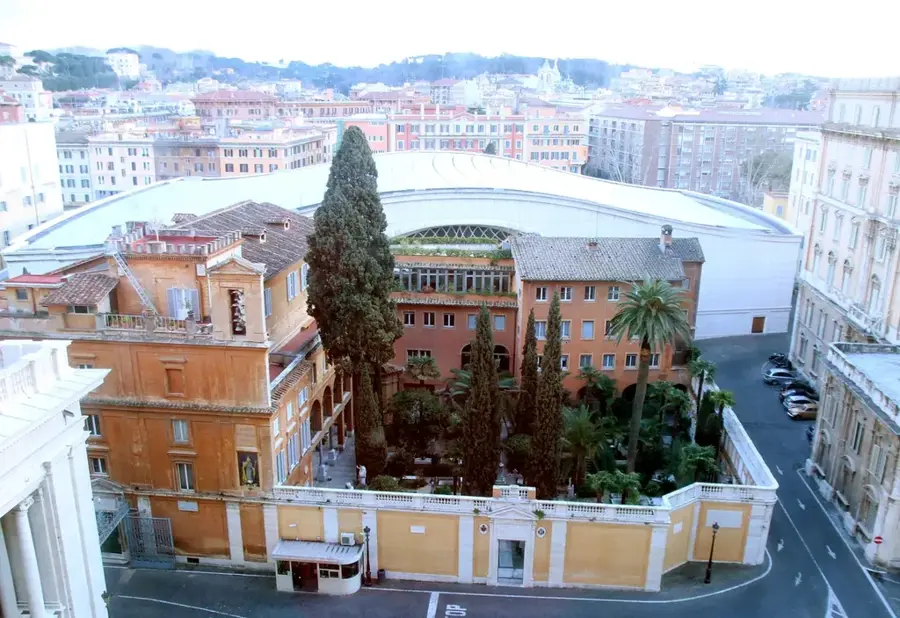
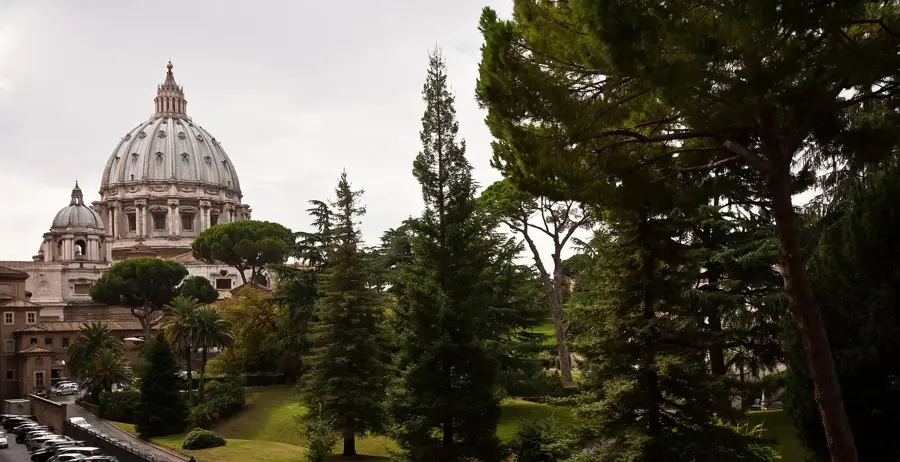
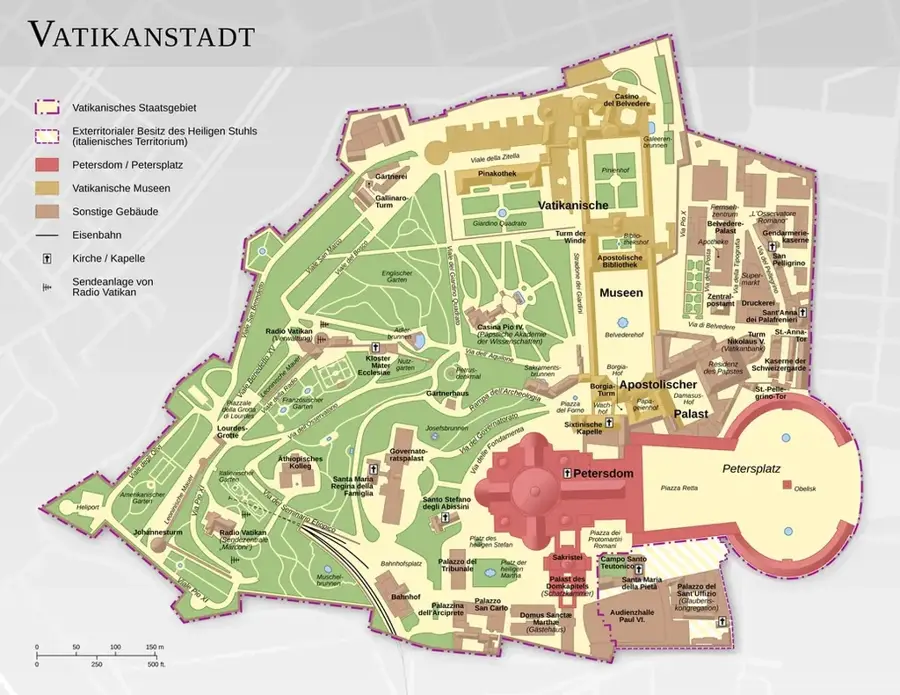
The Teutonic Cemetery Plateau (Campo Santo dei Teutonici) is a historically sacred site situated on the ancient grounds of Nero's Circus, just south of St. Peter's Basilica. This level area is traditionally believed to be the place where early Christians, including St. Peter, were martyred during the Roman Empire. The plateau is enclosed by high medieval walls and features the cemetery, the Church of Santa Maria della Pietà, and the Teutonic College. Historically, it is associated with Charlemagne, who is said to have established the site as a burial ground for German pilgrims in the 8th century. Topographically, the plateau rests on a stabilized terrace of the Vatican Hill, providing a firm foundation for the surrounding ecclesiastical structures. It remains the oldest German foundation in Rome and the only cemetery within the Vatican walls not directly integrated into the basilica's foundations. Today, the plateau serves as a center for historical research and Christian archaeology, offering a serene, garden-like atmosphere characterized by palm trees, lush vegetation, and intricate gravestones that reflect centuries of Northern European devotion to the Holy See.
- Location: Vatican
- Top sights: Chiesa di Santa Maria della Pietà · Arch of the Bells · Sacristy
Best time to visit & climate
The most pleasant time to visit is May, Jun, Sep.
| Jan | Feb | Mar | Apr | May | Jun | Jul | Aug | Sep | Oct | Nov | Dec | |
|---|---|---|---|---|---|---|---|---|---|---|---|---|
| Avg °C | 7 | 8 | 10 | 14 | 18 | 23 | 26 | 26 | 21 | 17 | 12 | 8 |
| Rain mm | 73 | 77 | 69 | 56 | 57 | 34 | 26 | 26 | 70 | 82 | 114 | 92 |
📋 Practical info
Geography
Facts
- Located on the exact site where Emperor Nero's Circus once stood.
- Established as a burial site for German pilgrims in the 8th century.
- The current Church of Santa Maria della Pietà dates back to 1474.
- Remains the only national cemetery within the walls of Vatican City.
- The site has been home to the Pontifical Teutonic College since 1876.
- Charlemagne is traditionally credited with founding the original hospice here.
Explore nearby
Notable places around
Route planner — Car & Motorhome
Where do you start? We build the route here, with stops and country notes along the way.
© OpenStreetMap contributors · OpenRouteService
Sights in the town Teutonic Cemetery Plateau (10)
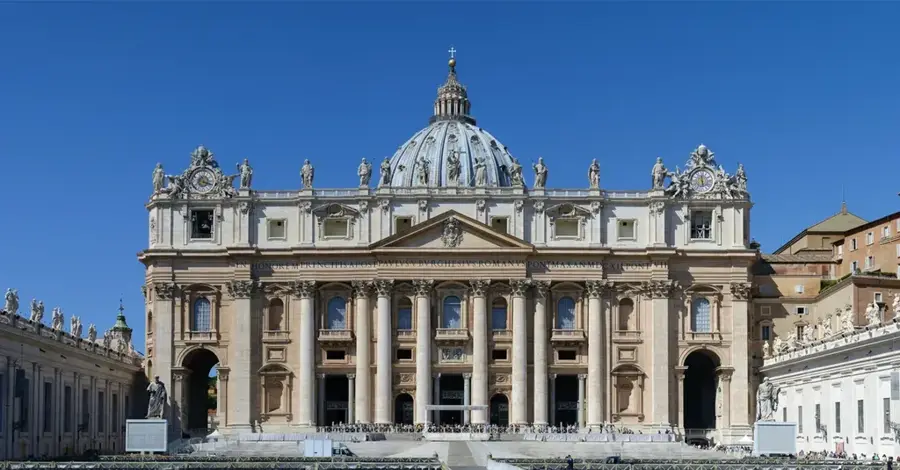
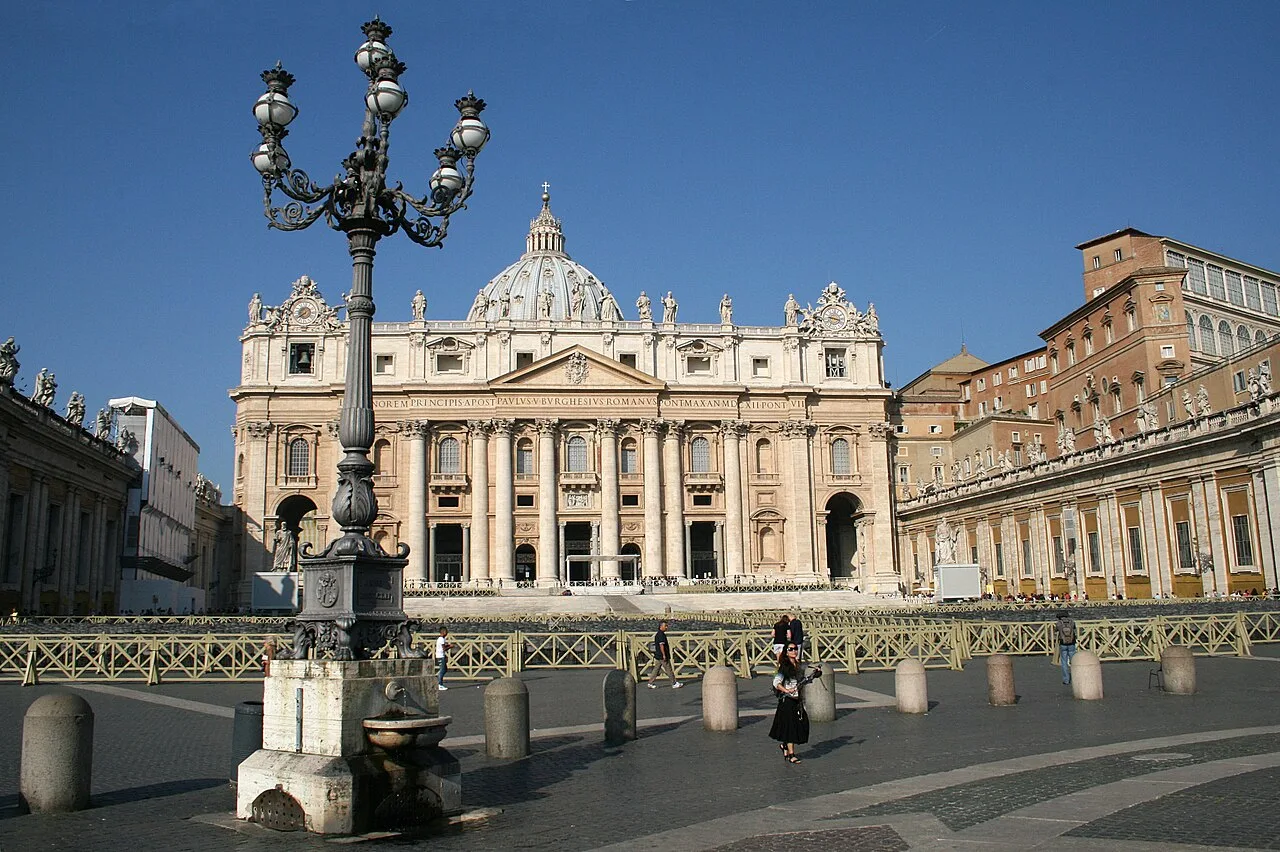
Saint Peter's Basilica
Church in Vatican City, one of the most important Christian buildings.
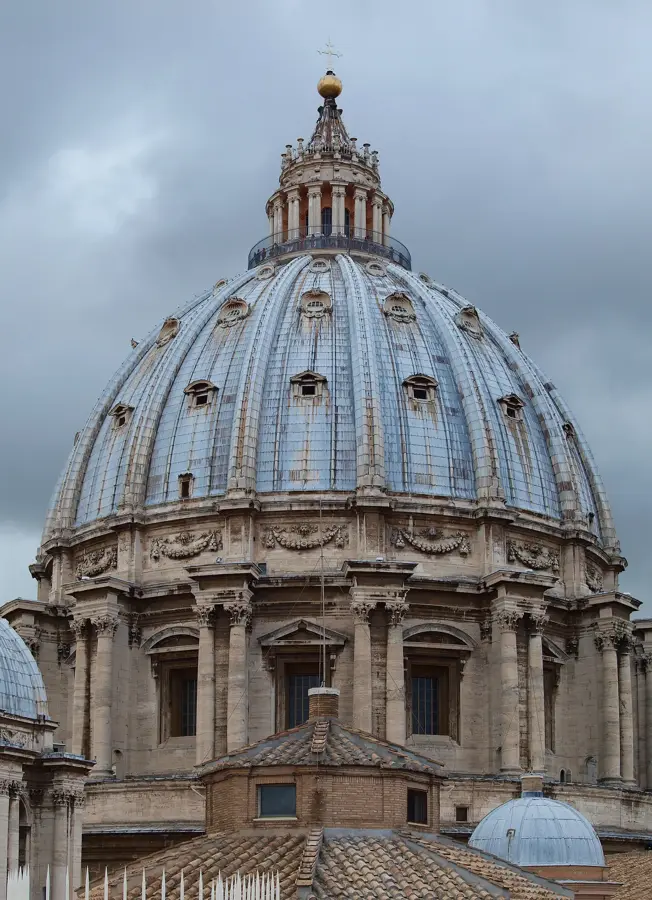
Dome of Saint Peter
Dome of St. Peter's Basilica, offering panoramic views of Rome.
Cupola di San Pietro
Dome of St. Peter's Basilica in Vatican City, an iconic landmark.
Pauline Chapel
Chapel in the Apostolic Palace, used for the pope's private masses.
Sistine Chapel
Chapel in the Apostolic Palace, famous for Michelangelo's frescoes.
Oratorio di San Pietro in Borgo
Church building in Borgo, Italy, a historic oratory.
Raphael Rooms🏛 museum
Suite of reception rooms in the Vatican Palace, painted by Raphael.
Sights nearby
Frequently asked questions
Who can be buried in the Teutonic Cemetery?
Is the cemetery located inside the Vatican?
How can a visitor enter?
What is the cemetery plateau?
Are there famous graves there?
Teutonic Cemetery Plateau: where is it located?
Teutonic Cemetery Plateau: what is there to see?
Teutonic Cemetery Plateau: when is the best time to visit?
Teutonic Cemetery Plateau: why is it worth visiting?

History & landmarks
More places