Plizio Visual Lab
Observatory Crest
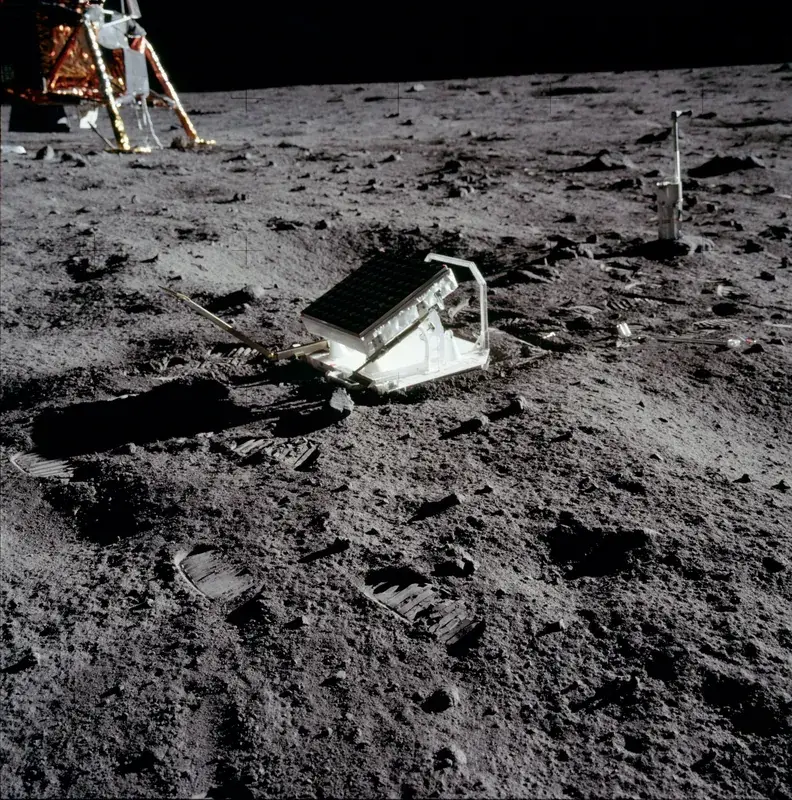
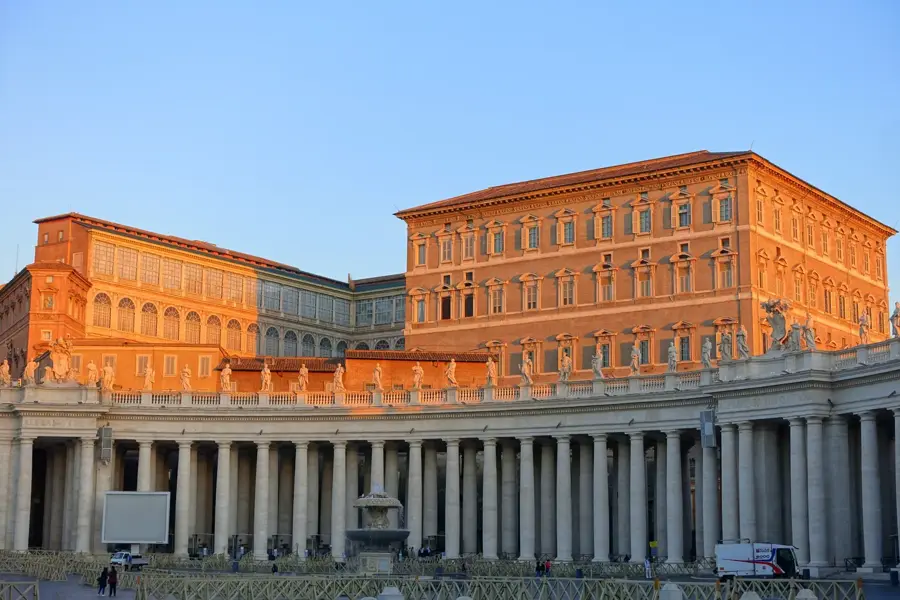
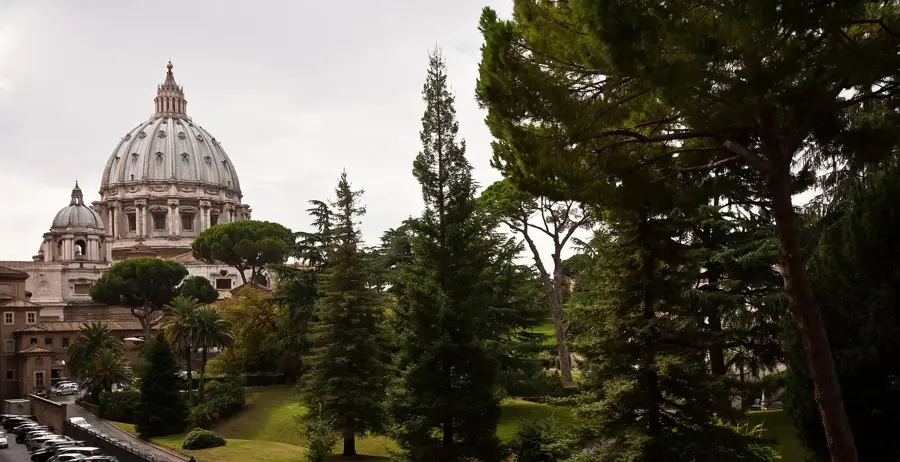
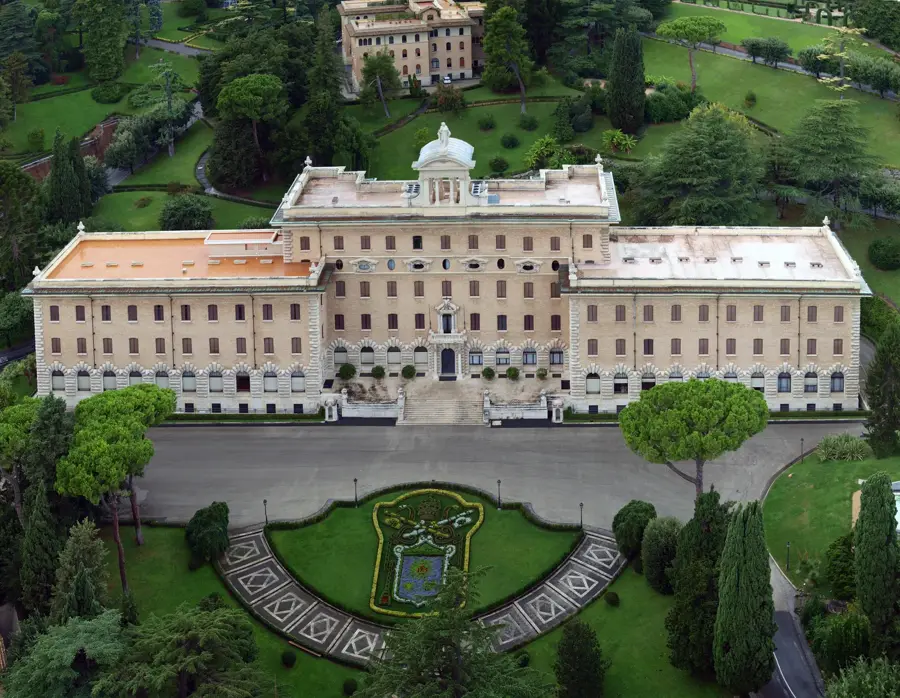
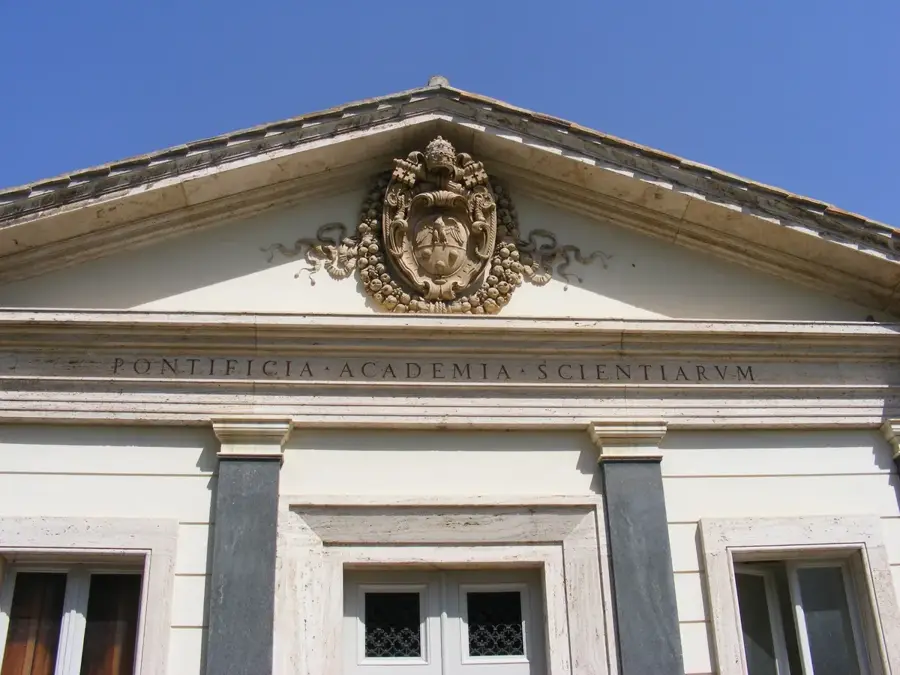
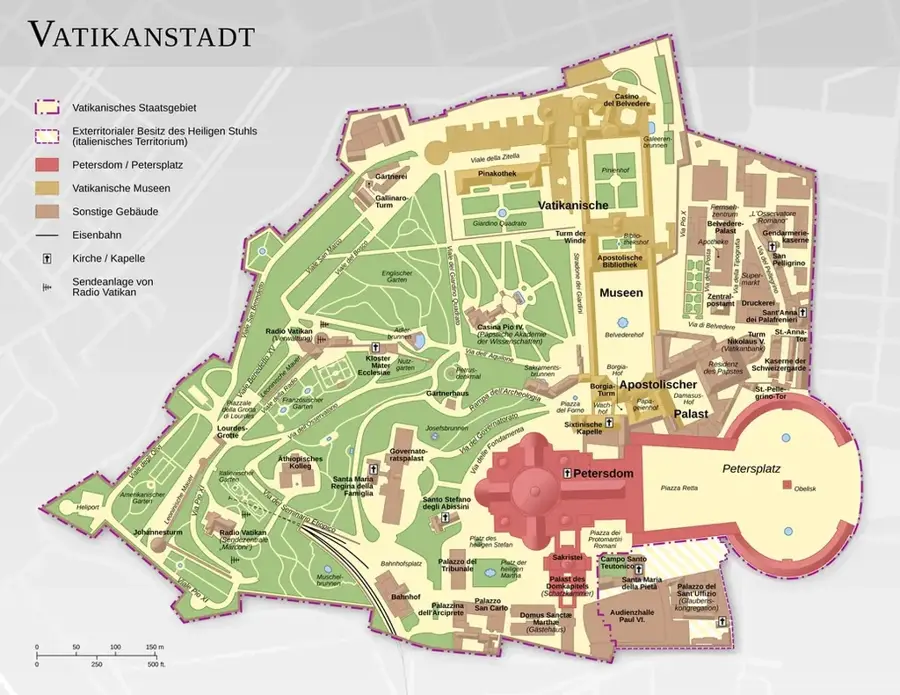
The Vatican Observatory Crest marks one of the highest points on the Vatican Hill, historically dedicated to astronomical observations. This elevated ridge provided convenient conditions for studying the heavens during the late 19th century, standing well above the city's light pollution at the time. The modern observatory, known as Specola Vaticana, was officially established in 1891 by Pope Leo XIII, though the Vatican's astronomical tradition dates back to the Gregorian calendar reform of 1582. The crest location originally housed telescopes mounted on the towers of the Leonine Walls, utilizing the high altitude for better atmospheric clarity. While primary observations were moved to Castel Gandolfo in the 1930s due to Rome's urban growth, the crest remains a significant site for scientific research and administration. It serves as a lasting symbol of the Church's long-standing commitment to exploring the relationship between faith and science.
- Location: Vatican
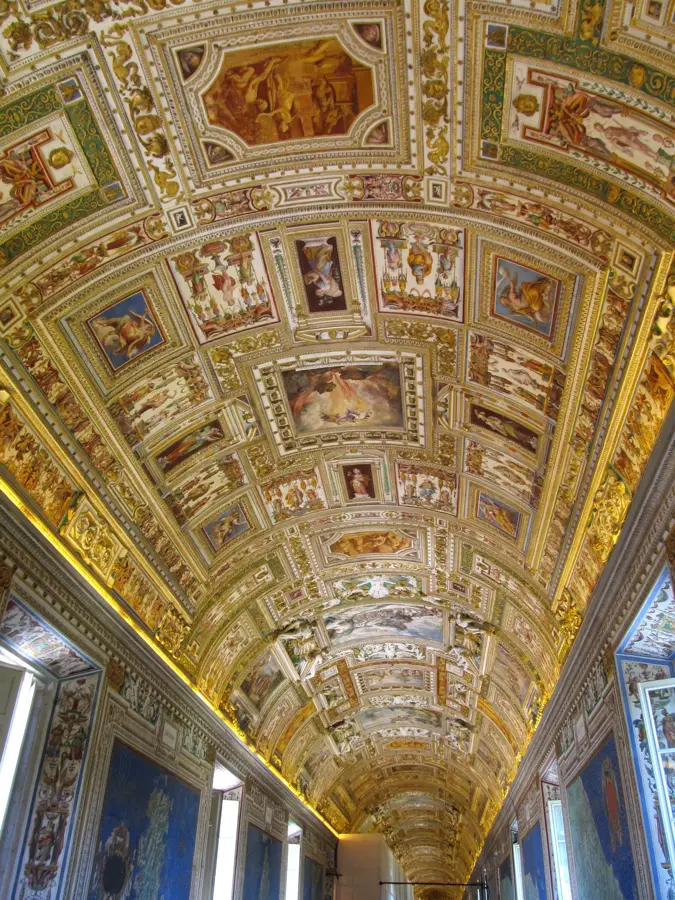
- Top sights: Pius IV House · Galleria delle Carte Geografiche · Raphael Rooms
Best time to visit & climate
The most pleasant time to visit is May, Jun, Sep.
| Jan | Feb | Mar | Apr | May | Jun | Jul | Aug | Sep | Oct | Nov | Dec | |
|---|---|---|---|---|---|---|---|---|---|---|---|---|
| Avg °C | 7 | 8 | 10 | 14 | 18 | 23 | 26 | 26 | 21 | 17 | 12 | 8 |
| Rain mm | 73 | 77 | 69 | 56 | 57 | 34 | 26 | 26 | 70 | 82 | 114 | 92 |
📋 Practical info
Geography
Facts
- The Specola Vaticana was established in its modern form on March 14, 1891.
- The crest is situated approximately 75 meters above sea level.
- One of the first major telescopes was installed on a tower of the Leonine Walls.
- Pope Gregory XIII used the Tower of the Winds for astronomical studies as early as 1582.
- The observatory moved to Castel Gandolfo in 1935 due to increasing light pollution in Rome.
- The Vatican Observatory also operates an advanced telescope on Mount Graham in Arizona today.
Explore nearby
Notable places around
Route planner — Car & Motorhome
Where do you start? We build the route here, with stops and country notes along the way.
© OpenStreetMap contributors · OpenRouteService
Sights in the town Observatory Crest (10)
Sistine Chapel
Chapel in the Apostolic Palace, famous for Michelangelo's ceiling frescoes and The Last Judgment.
Galleria degli Arazzi🏛 museum
Gallery in the Vatican Museums, displaying 16th-century tapestries.
Tower of the Winds🗼 tower
Tower in Vatican City, used for astronomical observations.
Cupola di San Pietro
Dome of St. Peter's Basilica in Vatican City.
Dome of Saint Peter
Dome of St. Peter's Basilica, offering views over Rome.
Pauline Chapel
Chapel in the Apostolic Palace, used for the Pope's private prayers.
Sights nearby
Frequently asked questions
Is there an observatory in the Vatican?
Is active research still conducted there?
Can the telescopes be visited?
What is the observatory crest?
Why is the Church interested in astronomy?
Observatory Crest: where is it located?
Observatory Crest: what is there to see?
Observatory Crest: when is the best time to visit?
Observatory Crest: why is it worth visiting?

History & landmarks

More places