Plizio Visual Lab
Leonine Wall Crest
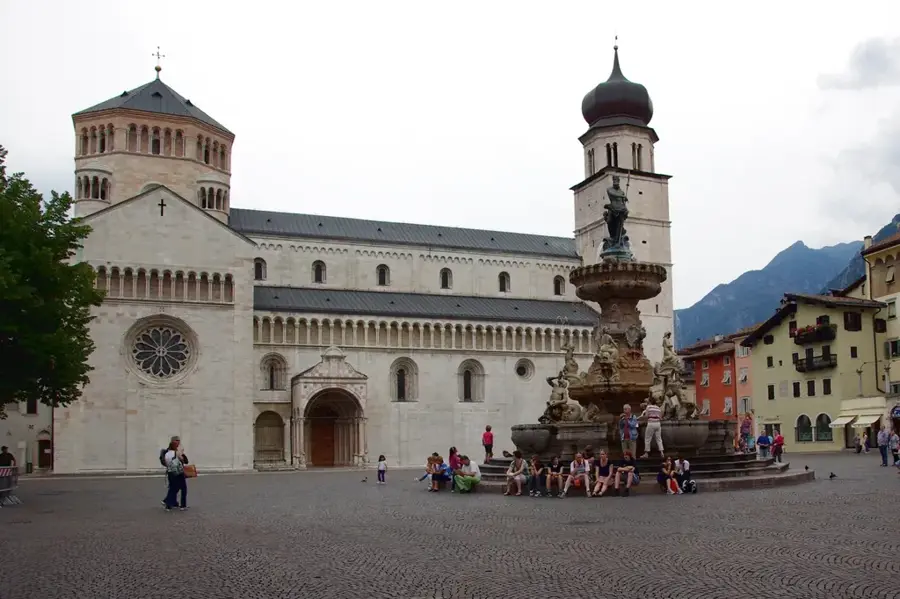
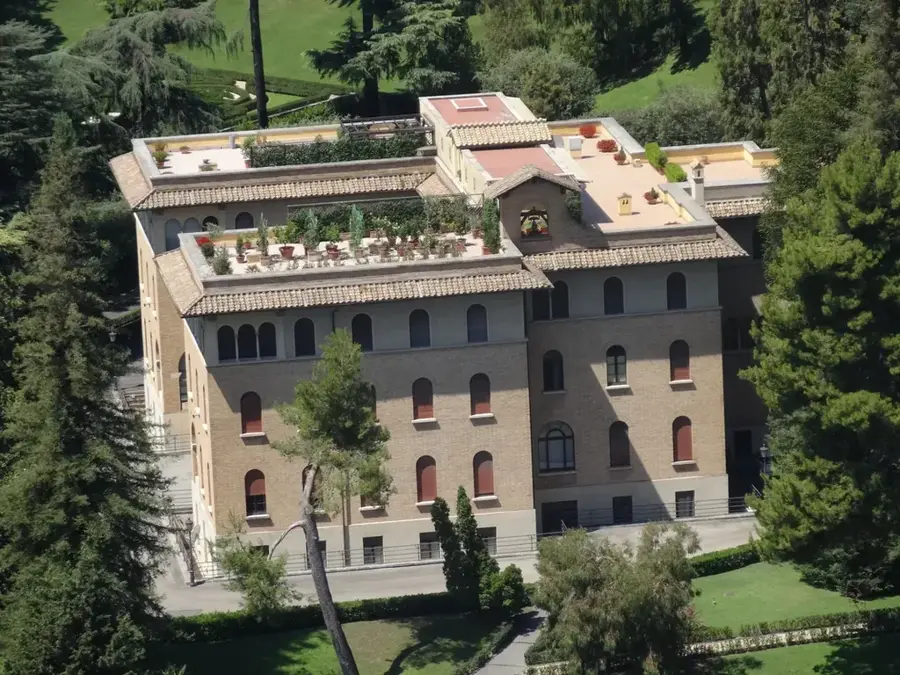
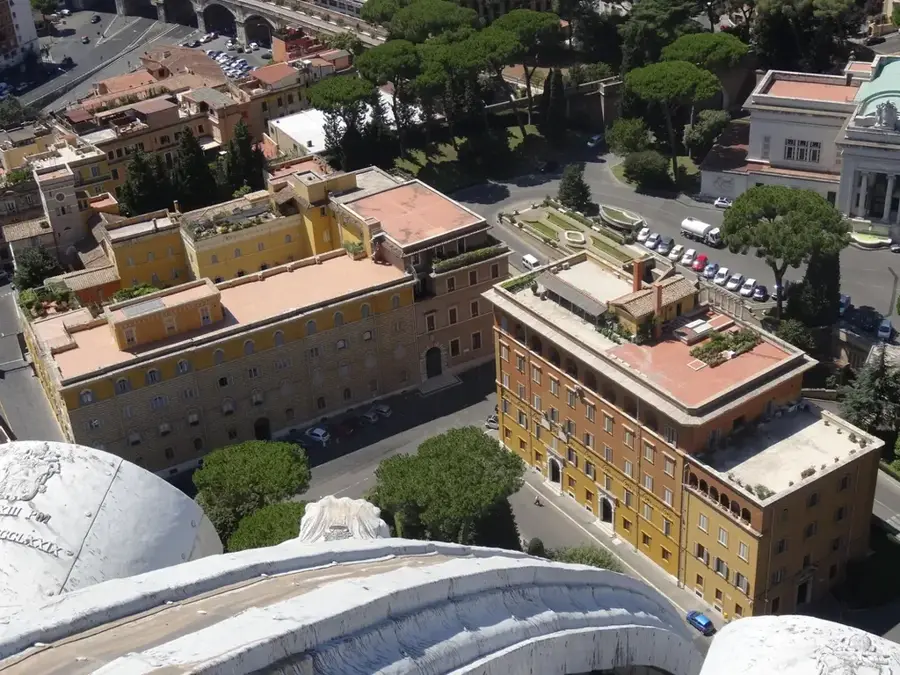
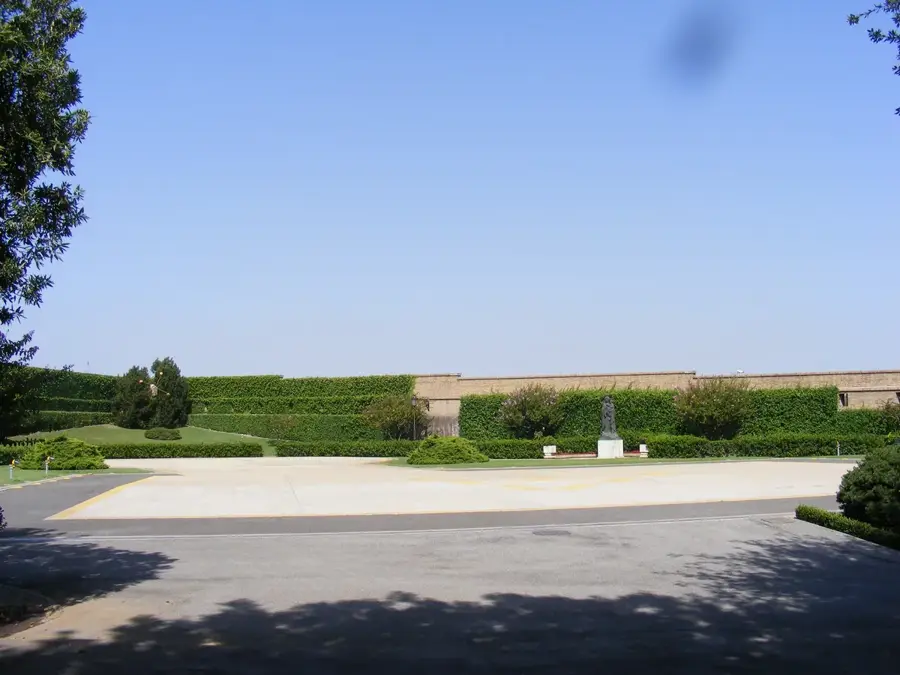
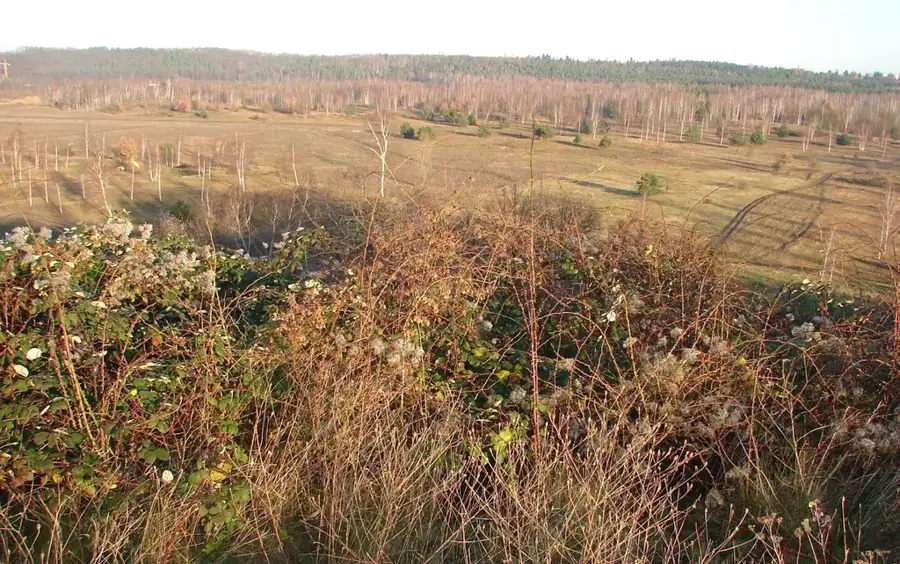
The crest of the Leonine Wall represents the highest ridge of the historic fortifications that encircle the Vatican Hill, serving as a primary defensive boundary for over a millennium. Commissioned by Pope Leo IV between 848 and 852, the wall was constructed to safeguard St. Peter's Basilica and the surrounding Borgo district following the Saracen raid on Rome in 846. The architectural design utilizes massive tuff stone blocks, with the structure reaching heights of up to 12 meters and widths of 4 meters in certain sections. Topographically, the crest follows the natural incline of the terrain, creating a prominent physical barrier that defines the western edge of Vatican City. Throughout the centuries, the wall underwent significant modifications, particularly during the Renaissance when popes like Pius IV added bastions and reinforced the parapets. Today, the ridge is a vital part of the Vatican's historical landscape, preserving the legacy of medieval military engineering and the early efforts to establish a secure papal enclave within the city of Rome.
- Location: Vatican
- Top sights: Lourdes Grotto · St John's Tower · Porta Pertusa
Best time to visit & climate
The most pleasant time to visit is May, Jun, Sep.
| Jan | Feb | Mar | Apr | May | Jun | Jul | Aug | Sep | Oct | Nov | Dec | |
|---|---|---|---|---|---|---|---|---|---|---|---|---|
| Avg °C | 7 | 8 | 10 | 14 | 18 | 23 | 26 | 26 | 21 | 17 | 12 | 8 |
| Rain mm | 73 | 77 | 69 | 56 | 57 | 34 | 26 | 26 | 70 | 82 | 114 | 92 |
📋 Practical info
Geography
Facts
- Constructed between 848 and 852 to protect against Saracen raids.
- The wall stands up to 12 meters high in several preserved sections.
- Total length of the original fortification was approximately 3 kilometers.
- Features massive tuff block construction typical of early medieval Rome.
- Pope Pius IV reinforced the structure in the 1560s with modern bastions.
- The crest defines the boundary of the historic Leonine City (Civitas Leonina).
Explore nearby
Notable places around
Route planner — Car & Motorhome
Where do you start? We build the route here, with stops and country notes along the way.
© OpenStreetMap contributors · OpenRouteService
Sights in the town Leonine Wall Crest (10)
St Mary's Church
Church building in Vatican City, dedicated to Saint Mary.
Santa Maria delle Grazie al Trionfale
Church in Rome, located in the Trionfale district.
Saint Stephen of the Ethiopians⛪ church
Church of Vatican City, historically linked to the Ethiopian community.
Pius IV House
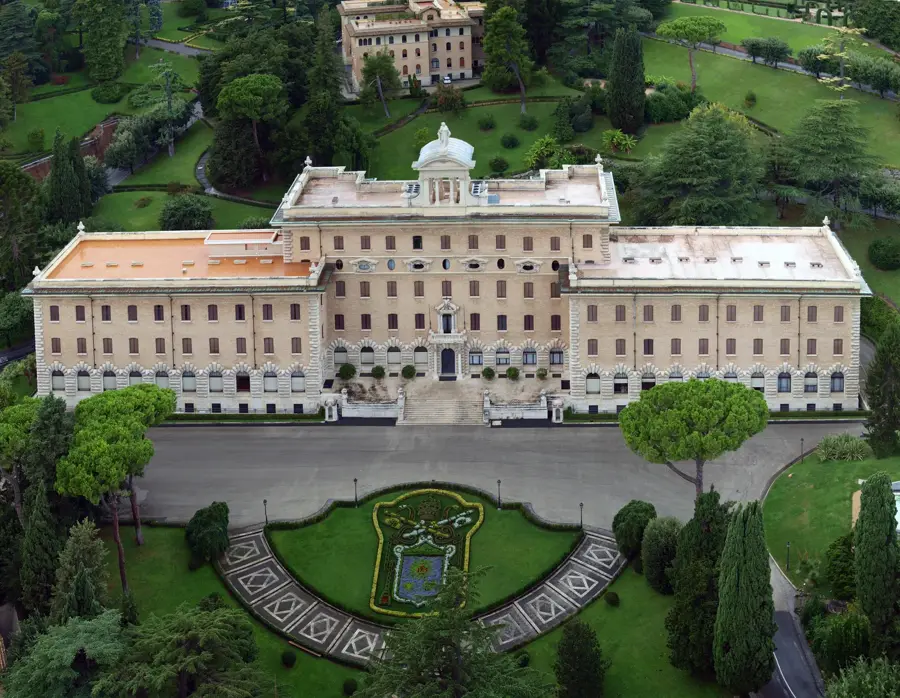
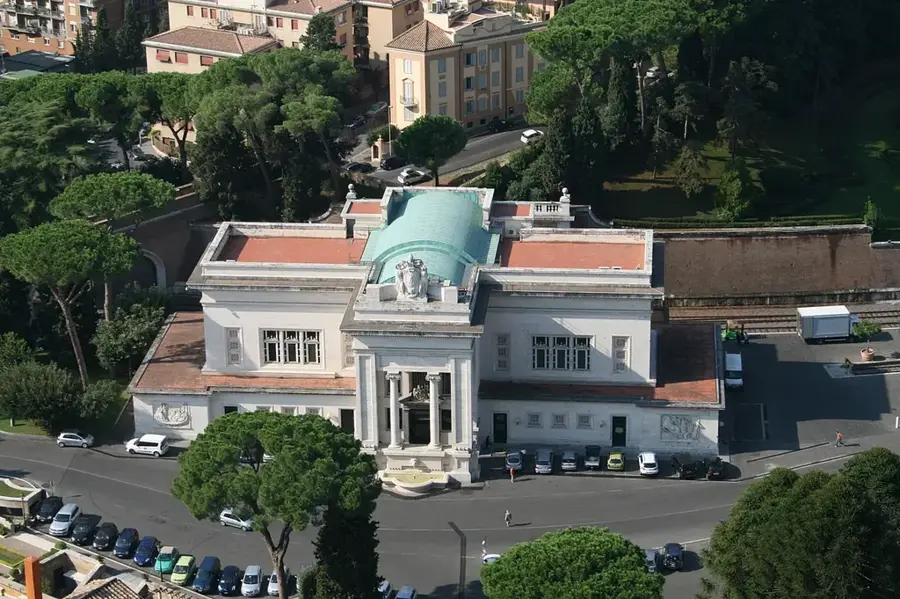
Seat of the Pontifical Academy of Sciences in Vatican City.
Vatican Art Gallery🏛 museum
Branch of the Vatican Museums, housing a significant art collection.
Museo Gregoriano Profano🏛 museum
Vatican museum displaying ancient Roman and Greek sculptures.
Sights nearby
Frequently asked questions
What is the Leonine Wall?
Can you walk on the wall?
How high is the wall?
Why was it built?
Is it part of UNESCO World Heritage?
Leonine Wall Crest: where is it located?
Leonine Wall Crest: what is there to see?
Leonine Wall Crest: when is the best time to visit?
Leonine Wall Crest: why is it worth visiting?

History & landmarks

Nature
More places