Plizio Visual Lab
Fountain of the Eagle
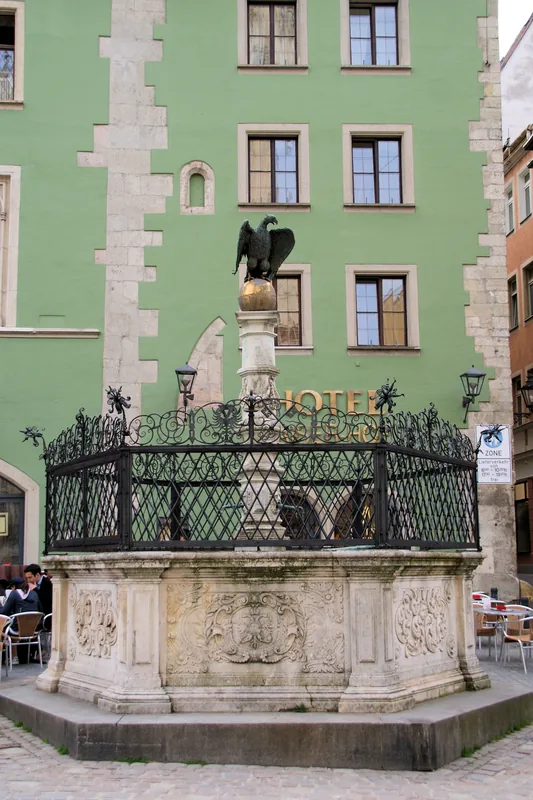
The Fountain of the Eagle (Fontana dell'Aquila) is one of the most prominent and scenic water features within the Vatican Gardens, representing a peak of Roman Baroque garden design. It was commissioned by Pope Paul V of the Borghese family and constructed between 1611 and 1612 to celebrate the extension of the Acqua Paola aqueduct to the Vatican. The fountain was designed by Giovanni Vasanzio (Jan van Santen), who created an elaborate artificial rock grotto crowned by a large eagle and a dragon, which are the heraldic symbols of the Borghese dynasty. Water cascades over multiple stony tiers, creating a dramatic and cooling effect amidst the dense greenery of the Vatican Hill. Geographically, its hillside location allowed engineers to exploit gravity for the impressive water display. Beyond its aesthetic appeal, the fountain served as a monumental statement of the Pope's success in restoring Rome's water infrastructure. It remains one of the finest preserved examples of 17th-century hydraulic art within the Holy See.
- Location: Vatican
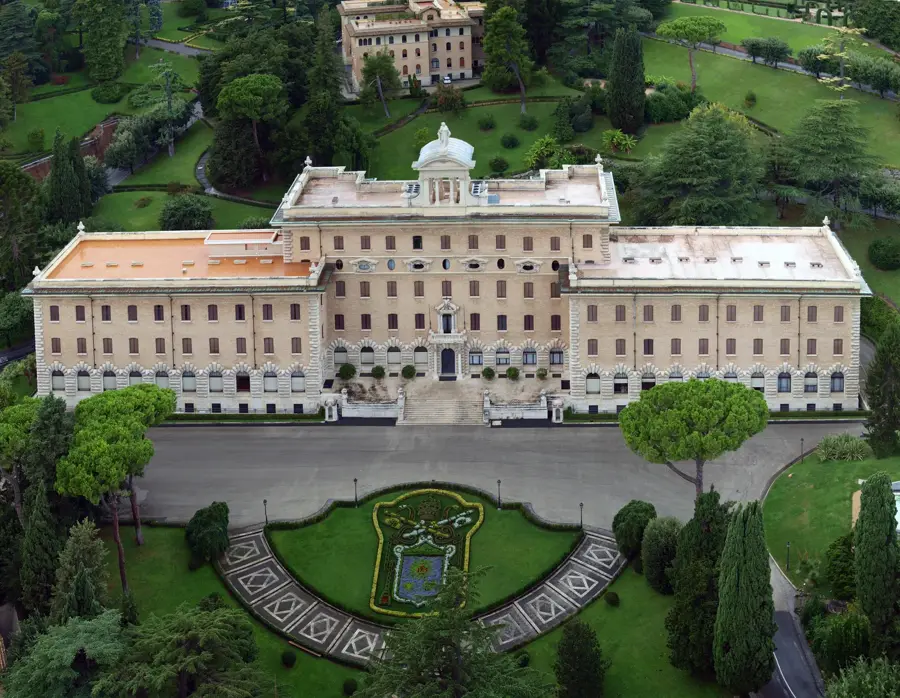
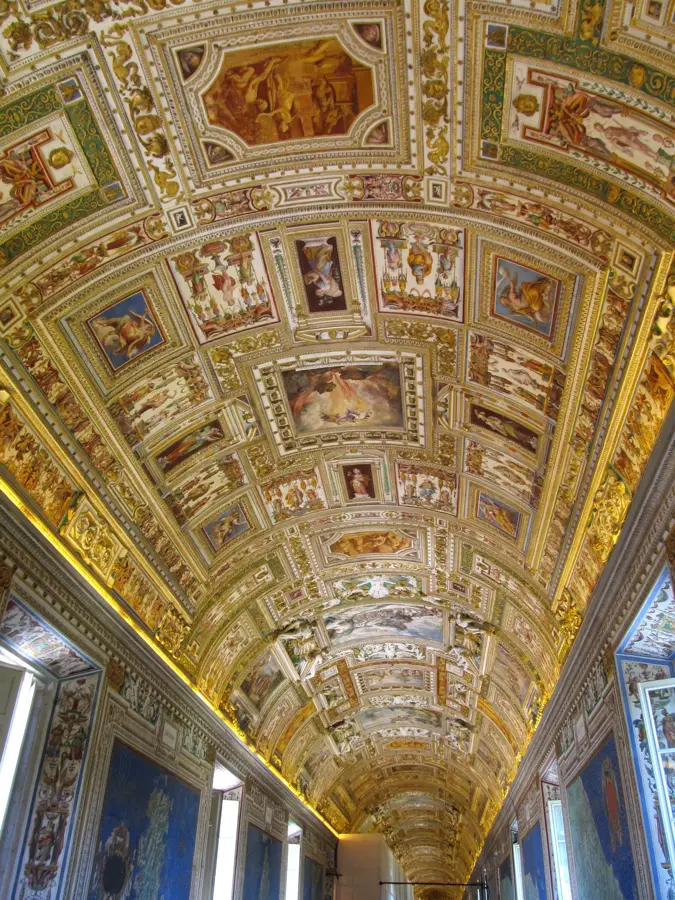
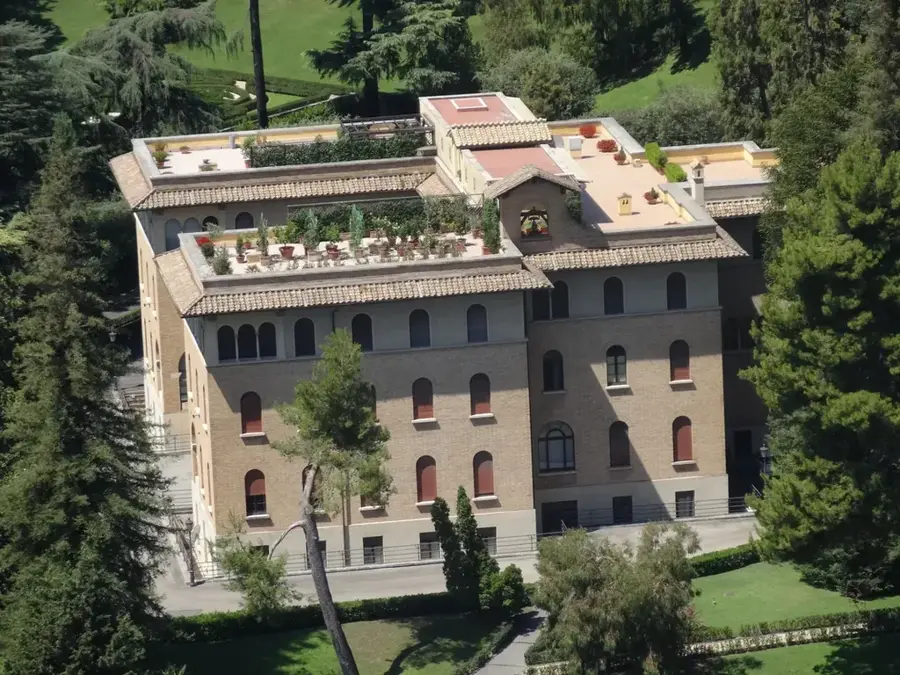
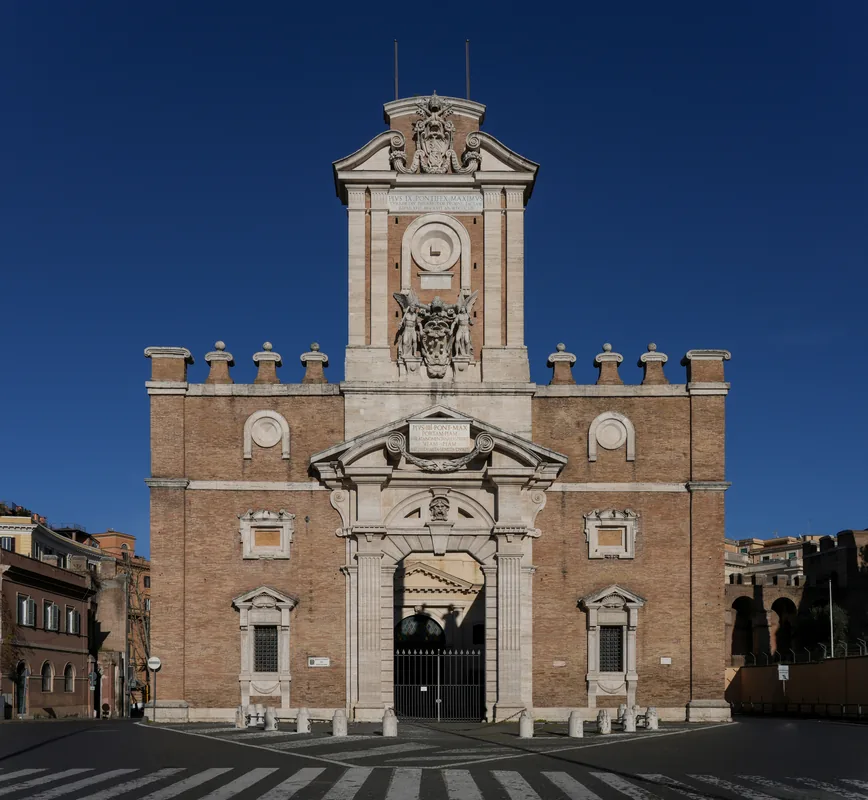
- Top sights: Pius IV House · Galleria delle Carte Geografiche · Padiglione delle carrozze
Best time to visit & climate
The most pleasant time to visit is May, Jun, Sep.
| Jan | Feb | Mar | Apr | May | Jun | Jul | Aug | Sep | Oct | Nov | Dec | |
|---|---|---|---|---|---|---|---|---|---|---|---|---|
| Avg °C | 7 | 8 | 10 | 14 | 18 | 23 | 26 | 26 | 21 | 17 | 12 | 8 |
| Rain mm | 73 | 77 | 69 | 56 | 57 | 34 | 26 | 26 | 70 | 82 | 114 | 92 |
📋 Practical info
Geography
Facts
- Constructed between 1611 and 1612 by order of Pope Paul V Borghese.
- Designed by the Flemish-born architect Giovanni Vasanzio.
- It was the first Vatican fountain to be supplied by the Acqua Paola aqueduct.
- The sculptures of the eagle and dragon represent the Borghese coat of arms.
- Sculptor Stefano Maderno contributed to the stonework of the fountain.
- The fountain is built directly into the hillside of the Vatican Gardens.
Explore nearby
Notable places around
Route planner — Car & Motorhome
Where do you start? We build the route here, with stops and country notes along the way.
© OpenStreetMap contributors · OpenRouteService
Sights in the town Fountain of the Eagle (10)
Vatican Art Gallery🏛 museum
Branch of the Vatican Museums, exhibiting paintings and sculptures.
Vatican Hill
Hill in Rome, location of St. Peter's Basilica and Vatican City.
Tower of the Winds🗼 tower
Tower in Vatican City, used for astronomical observations.
Belvedere Courtyard
Former Vatican courtyard, part of the Belvedere complex.
Sistine Chapel
Chapel in the Apostolic Palace, famous for Michelangelo's ceiling frescoes.
Cupola di San Pietro
Dome of St. Peter's Basilica, landmark of Vatican City.
Sights nearby
Frequently asked questions
Why is it called the Fountain of the Eagle?
Which Pope commissioned the fountain?
Where in the Vatican is this fountain located?
What material is the fountain made of?
Can you visit the fountain?
Fountain of the Eagle: where is it located?
Fountain of the Eagle: what is there to see?
Fountain of the Eagle: when is the best time to visit?
Fountain of the Eagle: why is it worth visiting?

History & landmarks
Nature
More places