Plizio Visual Lab
Cycad Collection
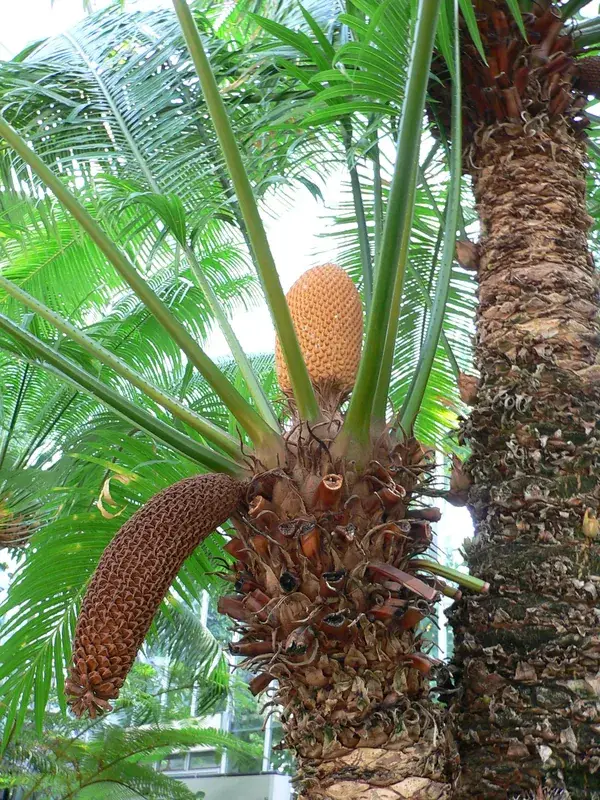
The Cycad Collection in the Vatican Gardens is a botanically significant group of plants often referred to as living fossils. These species belong to one of the oldest extant plant groups in the world and have changed very little morphologically since the age of the dinosaurs. Over time, the Vatican has assembled a major collection of specimens from various continents, including rare species from Africa and Australia. Caring for these slow-growing plants requires patience and specific knowledge of their soil and light requirements. Architecturally, they are positioned within the gardens to act as monumental solitary specimens, enhancing the exotic character of the grounds. The collection also serves research purposes and contributes to the preservation of endangered species that are often threatened in the wild. Their robust, feathery fronds lend a prehistoric atmosphere to the area. Each year, the plants are carefully fertilized and inspected for parasites, as they are particularly susceptible to certain types of scale insects. This section is a vital part of the papal commitment to global biodiversity.
- Location: Vatican
- Top sights: Vatican Hill · Lourdes Grotto · St Mary's Church
Best time to visit & climate
The most pleasant time to visit is May, Jun, Sep.
| Jan | Feb | Mar | Apr | May | Jun | Jul | Aug | Sep | Oct | Nov | Dec | |
|---|---|---|---|---|---|---|---|---|---|---|---|---|
| Avg °C | 7 | 8 | 10 | 14 | 18 | 23 | 26 | 26 | 21 | 17 | 12 | 8 |
| Rain mm | 73 | 77 | 69 | 56 | 57 | 34 | 26 | 26 | 70 | 82 | 114 | 92 |
📋 Practical info
Geography
Facts
- Cycads have existed for approximately 280 million years
- The Cycas revoluta species is a prominent member of the collection
- Some specimens in the Vatican are over 100 years old
- Propagation often takes place via seeds in the Vatican greenhouses
- Cycads are toxic, which protects them from many natural herbivores
- They require well-drained soil to prevent root rot
Explore nearby
Notable places around

Route planner — Car & Motorhome
Where do you start? We build the route here, with stops and country notes along the way.
© OpenStreetMap contributors · OpenRouteService
Sights in the town Cycad Collection (10)
Vatican Art Gallery🏛 museum
Branch of the Vatican Museums.
Saint Stephen of the Ethiopians⛪ church
Church of the Vatican City, dedicated to Saint Stephen.
Museo Gregoriano Profano🏛 museum
Museum in Vatican City.
Santa Maria delle Grazie al Trionfale
Church building in Rome, Italy.
Vatican Museums🏛 museum
Museums of the Vatican City.
St John's Tower🗼 tower
Building in Vatican City, a tower.
Sights nearby
Frequently asked questions
What are cycads?
Are there very old specimens there?
Are they outdoors in winter?
Can you touch the leaves?
Where does the collection come from?
Cycad Collection: where is it located?
Cycad Collection: what is there to see?
Cycad Collection: when is the best time to visit?
Cycad Collection: why is it worth visiting?

History & landmarks
Nature
More places