Plizio Visual Lab
Treinta y Tres
ℹ️Practical info — Treinta y Tres
▾
🌤 Weather — 5 days
📍 Nearby
Sights nearby
💡 Tips
- If visiting during Holy Week, you must attend the 'Festival del Olimar', a major folk music event.
- Buses are the best way to arrive from Montevideo; make sure to book tickets in advance around holidays.
- The city is very laid-back; expect many businesses to close in the early afternoon for a siesta.
- Carry some cash for small purchases at local kiosks, though supermarkets and main restaurants accept cards.
- Rent a car if you plan to visit the Quebrada de los Cuervos nature reserve, as public transport options are limited.
🍽 Food
Traditional Uruguayan barbecue. Enjoy it on the weekends at a parilla (grill restaurant) in the city center.
Fried dough pastries first-rate for rainy days, usually bought from street vendors near the main squares.
The national steak sandwich, available at almost any local diner or cafe around the Plaza 19 de Abril.
🛍 Shopping · 🧘 Quiet spots
Uruguay is famous for leather; look for locally crafted belts or mate gourds in artisan shops downtown.
A local Sunday market where you can find fresh produce, regional cheeses, and homemade jams.
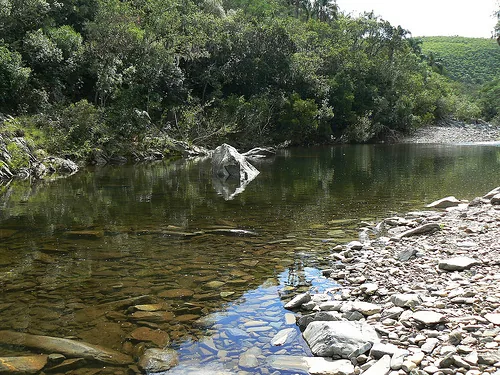
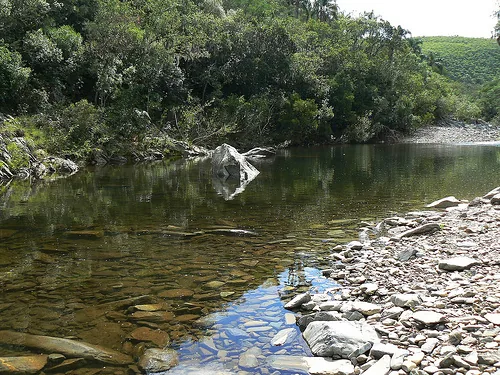
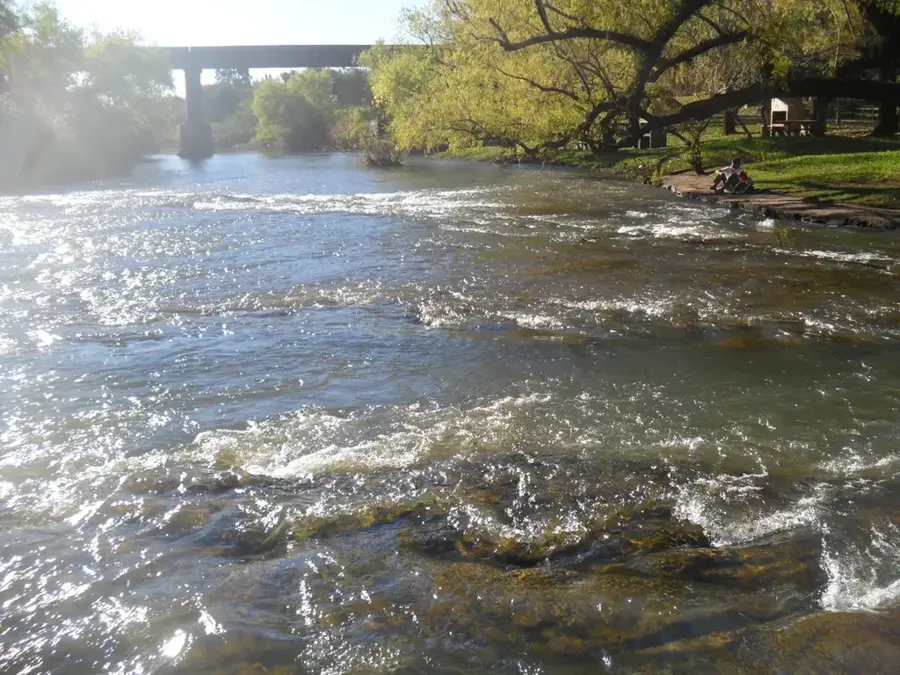
A beautiful park along the riverbanks, good for a quiet afternoon mate session and a gentle stroll.
A memorable natural gorge about 45 km from the city, offering peaceful hiking trails and bird watching.
Water temperature…
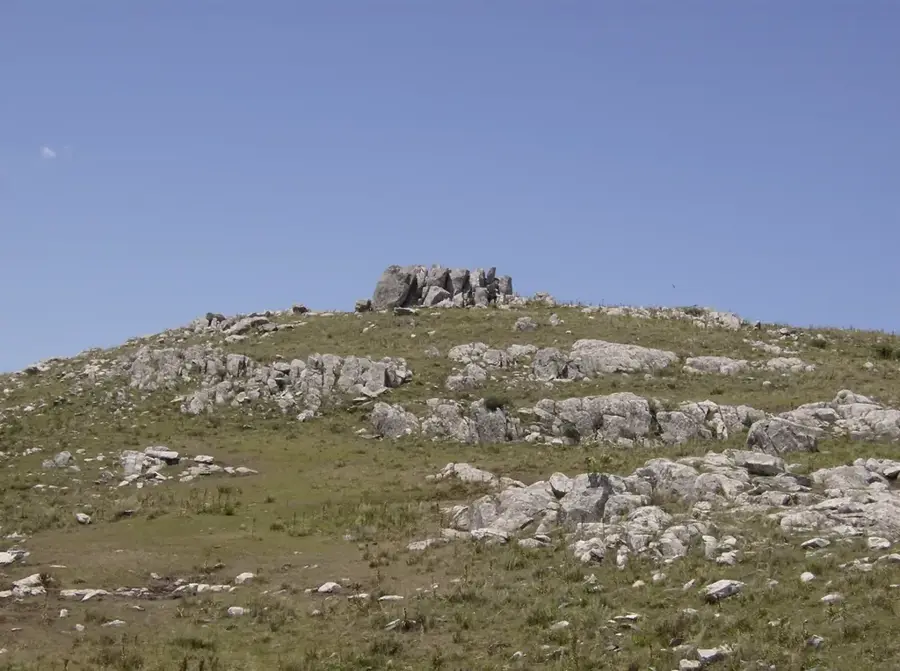
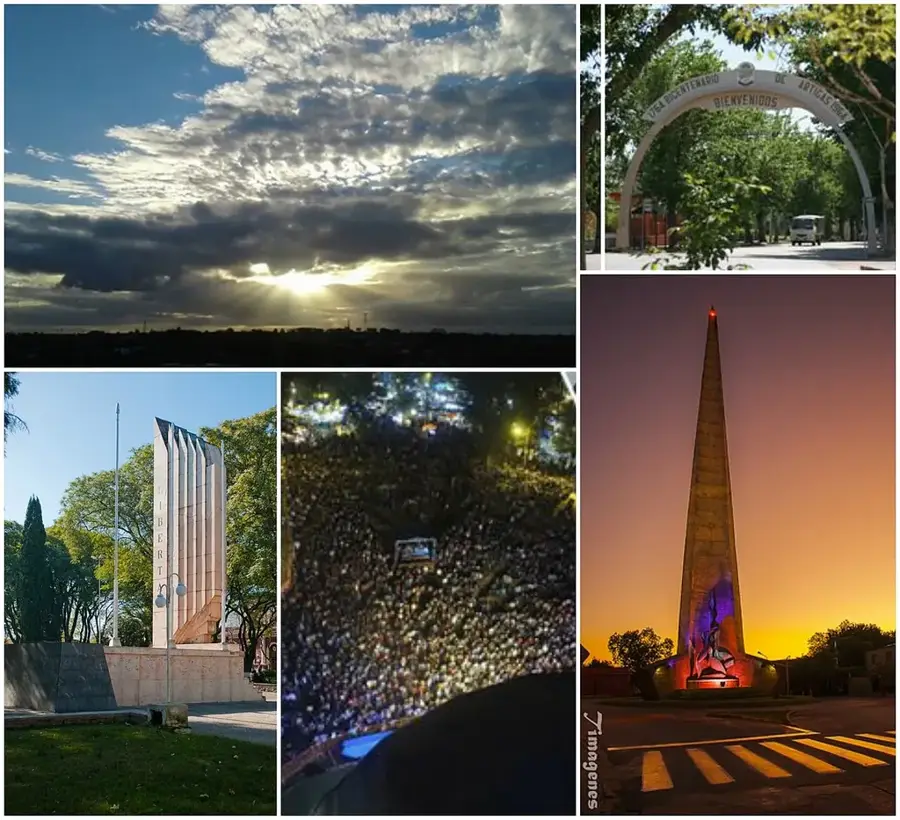
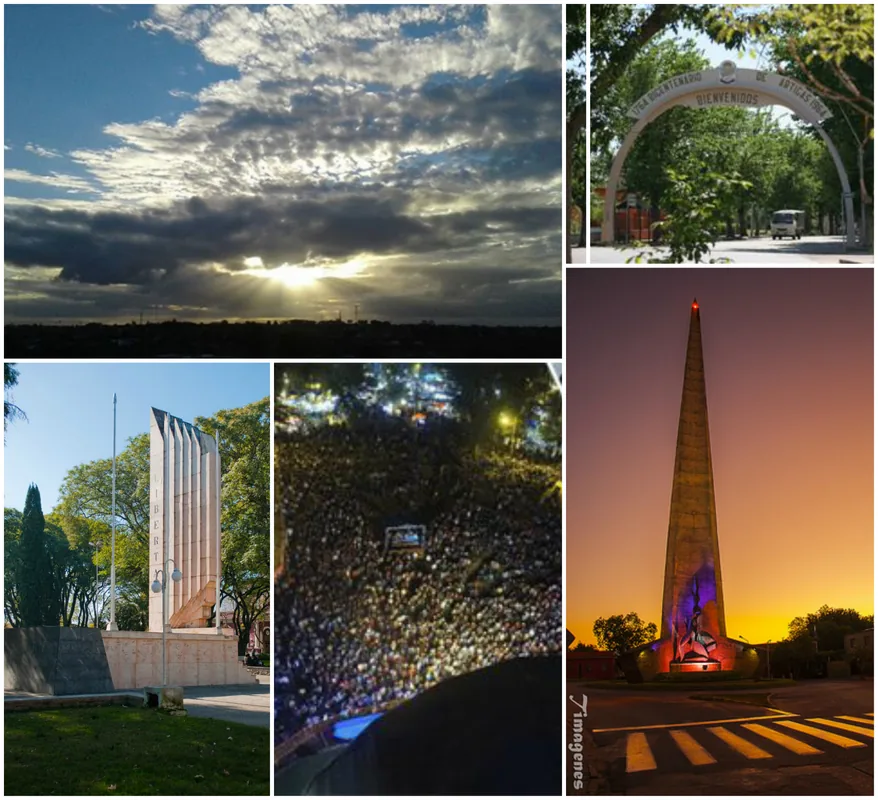
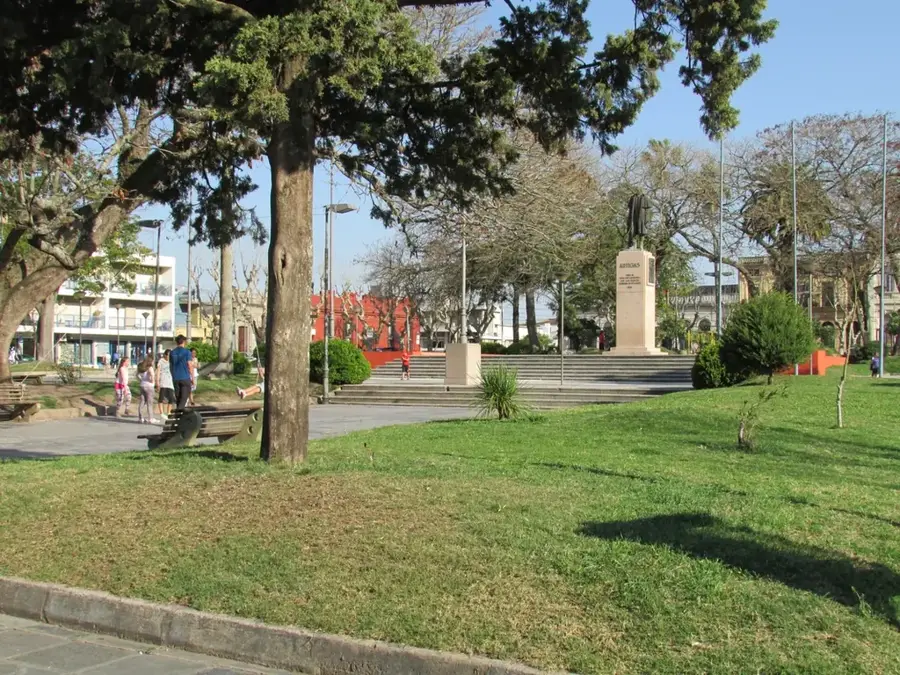
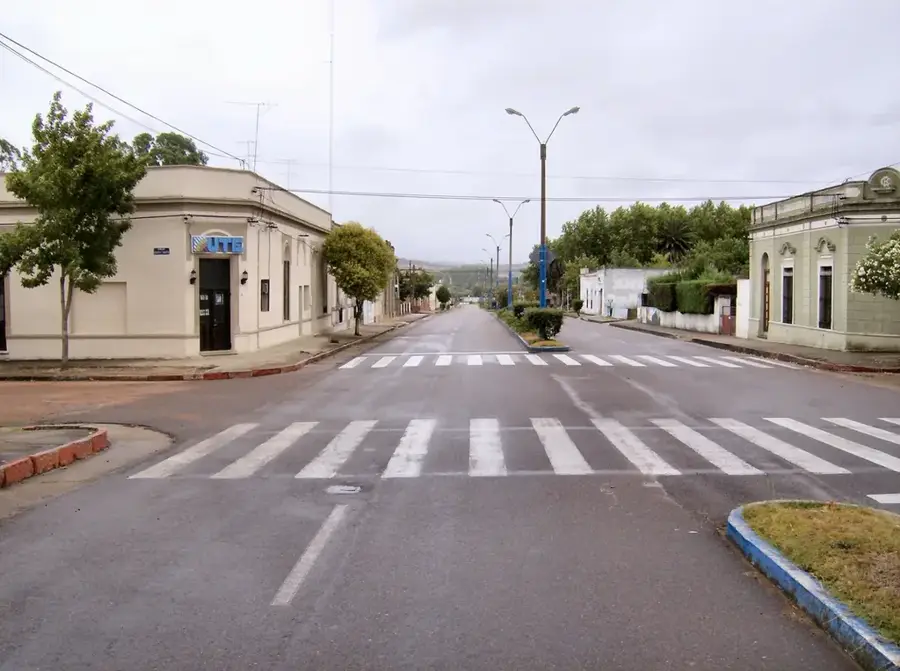
Treinta y Tres is a key city in eastern Uruguay and the administrative capital of the department bearing the same name. Its unique moniker honors the thirty-three patriots who launched the 1825 revolution against Brazilian occupation. The city is located near the confluence of the Olimar and Yerbal rivers, waterways that are central to the local way of life. Geographically, the region serves as a gateway to the Bañados del Este, a vast wetland system recognized by UNESCO for its ecological importance and diverse birdlife. Treinta y Tres is widely regarded as the rice-growing capital of Uruguay, with the industry forming the backbone of the local economy through large-scale irrigation and high-tech milling facilities. Livestock farming and limestone quarrying also contribute significantly to the department's wealth. The city's social calendar is dominated by the 'Festival del Olimar', a renowned folk music event held on the banks of the river that attracts thousands of fans of the 'Canto Popular' genre. One of the most spectacular natural landmarks in the area is the Quebrada de los Cuervos (Vultures' Ravine), a deep canyon that features hiking trails through dense native forests and steep cliffs. The urban center features traditional Spanish colonial grid planning, with the Plaza 19 de Abril serving as the primary meeting spot. Strategically located on National Route 8, Treinta y Tres is an essential link for trade between Montevideo and the Brazilian border town of Aceguá. The residents, known as Olimareños, are known for their deep-rooted cultural pride and connection to the surrounding rural landscape.
- Location: Uruguay
- Top sights: Museo Agustín Araújo · Playa Rio Olimar · Teatro de Verano
- Nearby: José Pedro Varela (22 km)
- Population: ~25.653 (2026)
Best time to visit & climate
The most pleasant time to visit is Jan, Mar, Dec.
| Jan | Feb | Mar | Apr | May | Jun | Jul | Aug | Sep | Oct | Nov | Dec | |
|---|---|---|---|---|---|---|---|---|---|---|---|---|
| Avg °C | 22 | 22 | 20 | 17 | 13 | 11 | 10 | 12 | 13 | 16 | 18 | 20 |
| Rain mm | 106 | 131 | 100 | 123 | 124 | 107 | 94 | 126 | 130 | 132 | 87 | 108 |
Geography
Facts
- Named after the 33 Orientals who fought for independence in 1825.
- Located on the banks of the Olimar River, vital for irrigation.
- The city has a population of approximately 25,500 people.
- Recognized as the hub of the Uruguayan rice industry.
- Home to the Quebrada de los Cuervos, a unique canyon nature reserve.
- Situated on National Route 8, connecting to Brazil.
- Part of the UNESCO Bañados del Este Biosphere Reserve.
- The 'Festival del Olimar' is a major cultural event held every Holy Week.
Explore nearby
Notable places around
Route planner — Car & Motorhome
Where do you start? We build the route here, with stops and country notes along the way.
© OpenStreetMap contributors · OpenRouteService
Sights in the town Treinta y Tres (7)
Frequently asked questions
How long?
Best time?
Accessibility?
Gastronomy?
Families?
Treinta y Tres: where is it located?
Treinta y Tres: what is there to see?
Treinta y Tres: when is the best time to visit?
Treinta y Tres: why is it worth visiting?
Nearby cities

More places